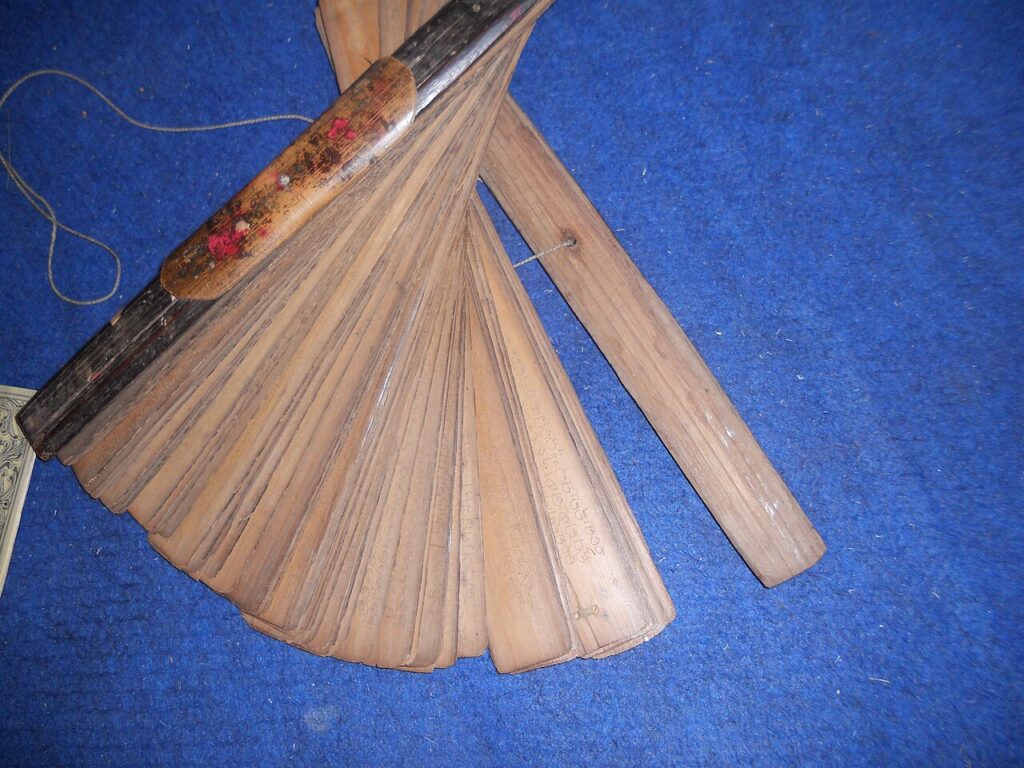
ଓଡ଼ିଆ ଭାଷାରେ
ଏକ ଜାତିର ସଙ୍ଗୀତ
ଓଡ଼ିଆ କବିତା ପାଠ କରିବା ଅର୍ଥ ଏକ ଜାତିର ହୃଦୟସ୍ପନ୍ଦନ ଶୁଣିବା। ହଜାରେ ବର୍ଷରୁ ଅଧିକ କାଳ ଧରି, ଏକ ଅବିଚ୍ଛିନ୍ନ ସ୍ରୋତରେ, ଓଡ଼ିଶାର କବିମାନେ ନିଜ ମାଟିର ଜୀବନକୁ ପଦରେ ଢାଳି ଆସିଛନ୍ତି — ତାହାର ଭକ୍ତି ଓ ଲାଳସା, ତାହାର ନଦୀ ଓ ବର୍ଷା, ତାହାର ଦେବତା ଓ ଦୁଃଖ — ଯେପର୍ଯ୍ୟନ୍ତ ନା କବିତା ଓ ଭାଷା ପ୍ରାୟ ଏକାକାର ହୋଇ ଯାଇଛନ୍ତି। ମନ୍ଦିର ପ୍ରାଙ୍ଗଣରେ ଗାନ କରାଯାଉଥିବା ପବିତ୍ର ସ୍ତୋତ୍ରଠାରୁ ଆରମ୍ଭ କରି ଗ୍ରାମର ଗଳିରେ ଗୀତ ହେଉଥିବା ପ୍ରେମର ଗୀତିକବିତା ପର୍ଯ୍ୟନ୍ତ, ଓଡ଼ିଆ କବିତା କେବଳ ପଣ୍ଡିତମାନଙ୍କ ସମ୍ପତ୍ତି ନୁହେଁ, ବରଂ ଓଡ଼ିଆ ଆତ୍ମାର ଜୀବନ୍ତ ସ୍ୱର; ଏବଂ ଏହାର ସୁଦୀର୍ଘ ପରମ୍ପରା ସମଗ୍ର ଭାରତର ପ୍ରାଚୀନତମ ଓ ସମୃଦ୍ଧତମ ଧାରା ମଧ୍ୟରେ ଅନ୍ୟତମ।
ଉତ୍ସମୂଳ: ସାରଳା ଦାସ ଓ ପଞ୍ଚସଖା
ଶାସ୍ତ୍ରୀୟ ଓଡ଼ିଆ କବିତାର ଏହି ମହାନଦୀ ପଞ୍ଚଦଶ ଶତାବ୍ଦୀରେ, ସାରଳା ଦାସଙ୍କ ଭଳି ଏକ ଉତ୍ତୁଙ୍ଗ ବ୍ୟକ୍ତିତ୍ୱଠାରୁ ଉଦ୍ଗମ ହୋଇଥିଲା, ଯିଏ ଓଡ଼ିଆ ମହାଭାରତ ରଚନା କରିଥିଲେ — ଏହି ଭାଷାର ପ୍ରଥମ ମହାକାବ୍ୟ, ସଂସ୍କୃତରୁ ଗୃହୀତ ହେଲେ ମଧ୍ୟ ଭାବରେ ସମ୍ପୂର୍ଣ୍ଣ ଓଡ଼ିଆ, ଅଳ୍ପ କେତେକ ବିଦ୍ୱାନଙ୍କ ପାଇଁ ନୁହେଁ ବରଂ ସାଧାରଣ ଲୋକଙ୍କ ପାଇଁ ସେମାନଙ୍କ ନିଜ ଭାଷାରେ ଲିଖିତ। ତାଙ୍କ ପଛେ ପଛେ ଆସିଲେ ପଞ୍ଚସଖା, ଓଡ଼ିଶାର ପାଞ୍ଚ ପ୍ରିୟ କବି-ସନ୍ଥ, ଯେଉଁମାନେ ଭକ୍ତିର ଅଗ୍ନିଶିଖାକୁ ପଦ ମଧ୍ୟକୁ ବହନ କରି ନେଇ କବିତାକୁ ଶ୍ରଦ୍ଧାର ପାତ୍ର କରି ଗଢ଼ିଲେ। ମିଳିତ ଭାବେ ସେମାନେ ଓଡ଼ିଆ ଭାଷାକୁ ତାହାର ନିଜସ୍ୱ ସାହିତ୍ୟ ଦେଲେ, ଆଉ ଲୋକଙ୍କୁ ଦେଲେ ଏକ ଦର୍ପଣ, ଯହିଁରେ ସେମାନେ ନିଜ ଜଗତକୁ ଦେଖି ପାରିବେ।
ଆହୁରି ପ୍ରାଚୀନ ଗୌରବ: ଜୟଦେବ
ତଥାପି ଏହି ମାଟିର କାବ୍ୟ-ପ୍ରତିଭା ଆହୁରି ପୂର୍ବକୁ ବିସ୍ତାର କରେ — ଦ୍ୱାଦଶ ଶତାବ୍ଦୀର ଅଗ୍ରଣୀ ଜୟଦେବଙ୍କ ପର୍ଯ୍ୟନ୍ତ, ଯିଏ ଓଡ଼ିଶାରେ ଜନ୍ମଗ୍ରହଣ କରିଥିଲେ, ଯାହାଙ୍କ ଗୀତ ଗୋବିନ୍ଦ — ସଂସ୍କୃତରେ ରଚିତ ହେଲେ ମଧ୍ୟ — ଆଜି ଯାଏ ଭାରତର ସର୍ବଶ୍ରେଷ୍ଠ ଗୀତିକାବ୍ୟ ମଧ୍ୟରୁ ଅନ୍ୟତମ ହୋଇ ରହିଅଛି। ରାଧା ଓ କୃଷ୍ଣଙ୍କ ପ୍ରେମର ତାହାର ମନୋହର ଗୀତସବୁ, ଏକାଧାରରେ ଶୃଙ୍ଗାରିକ ଓ ଆଧ୍ୟାତ୍ମିକ, ଆଜି ପର୍ଯ୍ୟନ୍ତ ପୁରୀର ଜଗନ୍ନାଥ ମନ୍ଦିରରେ ଗାନ କରାଯାଏ, ଯେଉଁଠି କବିଙ୍କ ପଦମାନ ଠାକୁରଙ୍କ ଉପାସନାର ମର୍ମ ସହିତ ଓତପ୍ରୋତ ଭାବେ ଗୁନ୍ଥା ହୋଇ ରହିଛି। ଜୟଦେବଙ୍କଠାରେ ଓଡ଼ିଶାର କବିତା ପ୍ରଥମ ଥର ପାଇଁ ସେହି ସୌନ୍ଦର୍ଯ୍ୟ ସ୍ପର୍ଶ କଲା, ଯାହାକୁ ପରେ ସାରା ବିଶ୍ୱ ଏକ ଅମୂଲ୍ୟ ରତ୍ନ ଭାବେ ଆଦରି ନେବ।
ଅଳଙ୍କୃତ ଯୁଗ
ପରବର୍ତ୍ତୀ ଶତାବ୍ଦୀସମୂହରେ ଓଡ଼ିଆ କବିତା ନୂତନ ଓ ଚମତ୍କାର ରୂପରେ ପ୍ରସ୍ଫୁଟିତ ହେଲା। ମଧ୍ୟଯୁଗର ମହାନ କବିମାନେ, ସର୍ବୋପରି ଅତୁଳନୀୟ ଉପେନ୍ଦ୍ର ଭଞ୍ଜ, ଅସାଧାରଣ ସୂକ୍ଷ୍ମତା ଓ ଅଳଙ୍କାରରେ ପରିପୂର୍ଣ୍ଣ ପଦ ରଚନା କଲେ, ଜଟିଳ ଶବ୍ଦକ୍ରୀଡ଼ା, ସମୃଦ୍ଧ ଚିତ୍ରକଳ୍ପ ଓ ସାଙ୍ଗୀତିକ ରୂପରେ ଆନନ୍ଦ ପାଇଲେ। ଏହା ଏଭଳି କବିତା ଥିଲା, ଯାହା ପାଠ କରିବା ପରି ଗାନ କରିବା ପାଇଁ ମଧ୍ୟ ରଚିତ, ଚମ୍ପୂ ଓ ଛନ୍ଦର ଗୀତିପରମ୍ପରାରେ ଗଢ଼ା, ଯାହାର ସୁର ଆଜି ମଧ୍ୟ ଓଡ଼ିଆ କର୍ଣ୍ଣରେ ଝଙ୍କୃତ ହୁଏ। ଏହା ଥିଲା ନୈପୁଣ୍ୟର ଏକ ଯୁଗ, ଯେତେବେଳେ କବିମାନେ ନିଜ ନମନୀୟ ଭାଷାକୁ କେତେ ଦୂର ନେଇ ପାରିବେ, ତାହାର ଚରମ ସୀମାକୁ ପରୀକ୍ଷା କରିଥିଲେ।
ଆଧୁନିକ ସ୍ୱର
ଆଧୁନିକ ଯୁଗର ଆଗମନ ସହିତ ଓଡ଼ିଆ କବିତା ଏକ ପରିବର୍ତ୍ତନଶୀଳ ବିଶ୍ୱର ସମ୍ମୁଖୀନ ହେବାକୁ ମୁହାଁଇଲା। ଊନବିଂଶ ଶତାବ୍ଦୀର କବି ରାଧାନାଥ ରାୟ ଏକ ନୂତନ ଯୁଗର ସୂତ୍ରପାତ କରିବାରେ ସହାୟକ ହୋଇଥିଲେ, କବିତା ମଧ୍ୟକୁ ନୂଆ ବିଷୟବସ୍ତୁ, ରୂପ ଓ ଏକ ବିଶାଳତର ଦୃଷ୍ଟିଭଙ୍ଗୀ ଆଣି; ଆଉ ତାଙ୍କ ପରେ ଆସିଲା ପ୍ରଣୟଧର୍ମୀ, ଦେଶାତ୍ମବୋଧକ ଓ ପରୀକ୍ଷାମୂଳକ କବିତାର ଏକ ମହାନ ପ୍ରସ୍ଫୁଟନ, ଯାହା ଏକ ଆଧୁନିକ ଜାତିର ଆଶା ଓ ସଂଗ୍ରାମକୁ ସ୍ୱର ଦେଲା। ସାରା ପ୍ରଦେଶକୁ ଆନ୍ଦୋଳିତ କରୁଥିବା ଜାତୀୟ ଗୀତଠାରୁ ଆରମ୍ଭ କରି ବ୍ୟକ୍ତି-ହୃଦୟର ଅନ୍ତରଙ୍ଗ ଗୀତିକବିତା ପର୍ଯ୍ୟନ୍ତ, ଓଡ଼ିଶାର କବିତା ନିଜକୁ ଅସୀମ ଭାବେ ସକ୍ଷମ ପ୍ରମାଣିତ କଲା — ନୂଆ ସମୟ ପାଇଁ ନିଜର ପୁରାତନ ସଙ୍ଗୀତକୁ ପୁନର୍ବାର ନବୀକୃତ କରିବାରେ।
ମାତୃଭାଷା ପରି ମଧୁର କିଛି ନାହିଁ
ନିଜର ସମସ୍ତ ଯୁଗ ମଧ୍ୟଦେଇ — ପବିତ୍ର ଓ ଲୌକିକ, ଅଳଙ୍କୃତ ଓ ସରଳ, ପ୍ରାଚୀନ ଓ ନବୀନ — ଓଡ଼ିଆ କବିତା ଓଡ଼ିଆ ଆତ୍ମାର ସବୁଠାରୁ ସତ୍ୟ ରକ୍ଷକ ହୋଇ ରହିଆସିଛି। ଏହା ଭାଷାକୁ ଶତ ଶତ ବର୍ଷର ଆକ୍ରମଣ ଓ ପରିବର୍ତ୍ତନ ମଧ୍ୟଦେଇ ବହନ କରି ନେଇଛି, ନିଜ ଛନ୍ଦ ମଧ୍ୟରେ ମାଟିର ସ୍ମୃତି ଧରି ରଖିଛି, ଆଉ ପିଢ଼ି ପରେ ପିଢ଼ିକୁ ସେମାନଙ୍କ ଗଭୀରତମ ଅନୁଭୂତିର ଭାଷା ଯୋଗାଇ ଦେଇଛି। କବିମାନେ ନିଜେ ଯେପରି ଗାନ କରିଛନ୍ତି, ସାରା ସଂସାରରେ ନିଜ ମାତୃଭାଷାର ମାଧୁର୍ଯ୍ୟ ପରି ଆଉ କୌଣସି ମାଧୁର୍ଯ୍ୟ ନାହିଁ — ଆଉ ଓଡ଼ିଆ କବିତାର ଏହି ଚିରନ୍ତନ, ନିରନ୍ତର ନବୀକୃତ ସଙ୍ଗୀତ ମଧ୍ୟରେ, ସେହି ମାଧୁର୍ଯ୍ୟ ଚିରକାଳ ପାଇଁ ସଂରକ୍ଷିତ ହୋଇ ରହିଛି।
In English
The Music of a People
To read Odia poetry is to hear the very heartbeat of a people. For more than a thousand years, in an unbroken stream, the poets of Odisha have poured the life of their land into verse — its devotion and its longing, its rivers and its monsoons, its gods and its griefs — until the poetry and the language became almost one. From sacred hymns chanted in temple courtyards to lyric love songs sung in village lanes, Odia poetry is not the possession of scholars alone but the living voice of the Odia soul, and its long tradition is among the oldest and richest in all of India.
The Fountainhead: Sarala Das and the Panchasakha
The great river of classical Odia poetry has its source in the fifteenth century, in the towering figure of Sarala Das, who composed the Odia Mahabharata — the first mighty epic in the language, drawn from the Sanskrit yet wholly Odia in spirit, written not for the learned few but for the common people in their own tongue. In his wake came the Panchasakha, the five beloved poet-saints of Odisha, who carried the flame of devotion into verse and made poetry a vessel of faith. Together they gave the Odia language a literature of its own, and gave the people a mirror in which to see their world.
An Older Glory: Jayadeva
Yet the poetic genius of this land reaches back even further, to the twelfth-century master Jayadeva, born in Odisha, whose Gita Govinda — though composed in Sanskrit — remains one of the supreme lyric poems of India. Its exquisite songs of the love of Radha and Krishna, at once sensuous and spiritual, are sung to this day within the Jagannath Temple at Puri, where the poet’s verses are woven into the very worship of the deity. In Jayadeva the poetry of Odisha first touched a beauty that the whole world would come to treasure.
The Ornamented Age
In the centuries that followed, Odia poetry flowered into new and dazzling forms. The great poets of the medieval age, above all the incomparable Upendra Bhanja, wrought verse of extraordinary intricacy and ornament, delighting in elaborate wordplay, rich imagery and musical form. This was poetry meant as much to be sung as read, shaped by the lyric traditions of the champu and the chhanda, whose melodies still linger in the Odia ear. It was an age of virtuosity, when the poets tested the very limits of what their supple language could be made to do.
The Modern Voice
With the coming of the modern age, Odia poetry turned to face a changing world. The nineteenth-century poet Radhanath Ray helped usher in a new era, bringing fresh themes, forms and a wider vision to the verse, and after him came a great flowering of romantic, patriotic and experimental poetry that gave voice to the hopes and struggles of a modern people. From nationalist songs that stirred a whole province to intimate lyrics of the individual heart, the poetry of Odisha proved itself endlessly able to renew its ancient music for new times.
No Sweetness Like the Mother Tongue
Through all its ages — sacred and secular, ornate and simple, ancient and new — Odia poetry has remained the truest keeper of the Odia spirit. It has carried the language through centuries of conquest and change, held the memory of the land in its cadences, and given generations the words for their deepest feelings. As the poets themselves have sung, there is no sweetness in all the world quite like that of one’s own mother tongue — and in the enduring, ever-renewing music of Odia poetry, that sweetness is preserved forever.
References | ଆଧାର
- Sahitya Akademi — Indian Literature — ସାହିତ୍ୟ ଅକାଦେମୀ
- Wikipedia — Odia Language & Literature — ଓଡ଼ିଆ ଭାଷା ଓ ସାହିତ୍ୟ