ଓଡ଼ିଆ ଭାଷାରେ
ପିପିଲି ଚନ୍ଦୁଆ କଳା: ଓଡ଼ିଶାର ଜୀବନ୍ତ ବର୍ଣ୍ଣାଳୀର କାହାଣୀ
Pipli Chandua Art: Odisha’s Timeless Appliqué Craft
ପୁରୀ ଜିଲ୍ଲାର ପିପିଲି ଗ୍ରାମ — ନାମଟି ଶୁଣିଲେଇ ଆଖି ସାମ୍ନାରେ ଏକ ଜୀବନ୍ତ ବର୍ଣ୍ଣାଳୀ ଭାସି ଉଠେ। ନାଲି, ହଳଦିଆ, ସବୁଜ, କଳା — ରଙ୍ଗର ଏହି ମହାସଙ୍ଗମ ମଧ୍ୟରେ ଓଡ଼ିଶାର ସବୁଠାରୁ ପ୍ରାଚୀନ ଓ ଜୀବନ୍ତ ହସ୍ତଶିଳ୍ପ କଳା ଗଢ଼ି ଉଠିଛି — ପିପିଲି ଚନ୍ଦୁଆ କଳା। ଏହା କେବଳ ଏକ କଳା ନୁହେଁ, ଏହା ହେଉଛି ବହୁ ଶତାବ୍ଦୀ ପୁରୁଣା ଭକ୍ତିର ପ୍ରତୀକ, ଜଗନ୍ନାଥ ସଂସ୍କୃତି ସହିତ ଗଭୀର ଭାବରେ ବନ୍ଧା ଏକ ଆଧ୍ୟାତ୍ମିକ ପରମ୍ପରା, ଏବଂ ଓଡ଼ିଆ ସମାଜର ପରିଚୟର ଏକ ଅବିନଶ୍ୱର ଅଙ୍ଗ। ଆପ୍ଲିକେ (appliqué) କଳାର ବିଶ୍ୱ ପରମ୍ପରା ମଧ୍ୟରେ ପିପିଲି ଚନ୍ଦୁଆର ସ୍ଥାନ ଅନନ୍ୟ — କାରଣ ଏହାର ପ୍ରତିଟି ସିଲାଇରେ ଶ୍ରୀମନ୍ଦିରର ଭକ୍ତି ଓ ଓଡ଼ିଶାର ଜାତିଗତ ଆତ୍ମା ପ୍ରତିଫଳିତ।
ଇତିହାସ: ଦ୍ୱାଦଶ ଶତାବ୍ଦୀରୁ ଜଗନ୍ନାଥ ମନ୍ଦିର ପର୍ଯ୍ୟନ୍ତ
ପିପିଲି ଚନ୍ଦୁଆ କଳାର ଆରମ୍ଭ ବହୁ ପ୍ରାଚୀନ — ଏହାର ମୂଳ ୧୨ଶ ଶତାବ୍ଦୀରେ ନିହିତ। ଗଙ୍ଗ ବଂଶର ରାଜା ଅନଙ୍ଗଭୀମ ଦେବ ଯେତେବେଳେ ପୁରୀରେ ଶ୍ରୀ ଜଗନ୍ନାଥ ମନ୍ଦିରର ନିର୍ମାଣ କରାଇଥିଲେ, ସେତେବେଳେ ମନ୍ଦିର ପରିସର ଓ ବିଭିନ୍ନ ଅନୁଷ୍ଠାନ ପାଇଁ ଆଲଂକାରିକ ବସ୍ତ୍ର ତିଆରି କରିବା ନିମନ୍ତେ ଦରଜି ବା ତଣ୍ଟି ଜାତିର ଦକ୍ଷ କାରିଗରମାନଙ୍କୁ ପିପିଲି ଗ୍ରାମରେ ବସାଇଥିଲେ। ସେହି ସମୟରୁ ଆଜି ପର୍ଯ୍ୟନ୍ତ ପିପିଲିର କାରିଗର ପରିବାରମାନେ ଶ୍ରୀମନ୍ଦିରର ସେବାରେ ନିୟୋଜିତ — ଏହା କେବଳ ଏକ ପେଶା ନୁହେଁ, ବରଂ ଏକ ପାରମ୍ପରିକ ସେବା (seva) ଅଟେ। ବଂଶାନୁକ୍ରମିକ ଭାବରେ ପିତାମାତାଙ୍କଠାରୁ ପୁତ୍ର ପୁତ୍ରୀମାନେ ଏହି କଳା ଶିଖନ୍ତି, ଯେପରି ଶତାବ୍ଦୀ ପୁରୁଣା ଜ୍ଞାନ ଓ କୌଶଳ ବଞ୍ଚିରହେ।
ରଥଯାତ୍ରା ସହିତ ଅବିନଶ୍ୱର ସମ୍ପର୍କ — ଛତି, ତରାସି ଏବଂ ଅଳକା
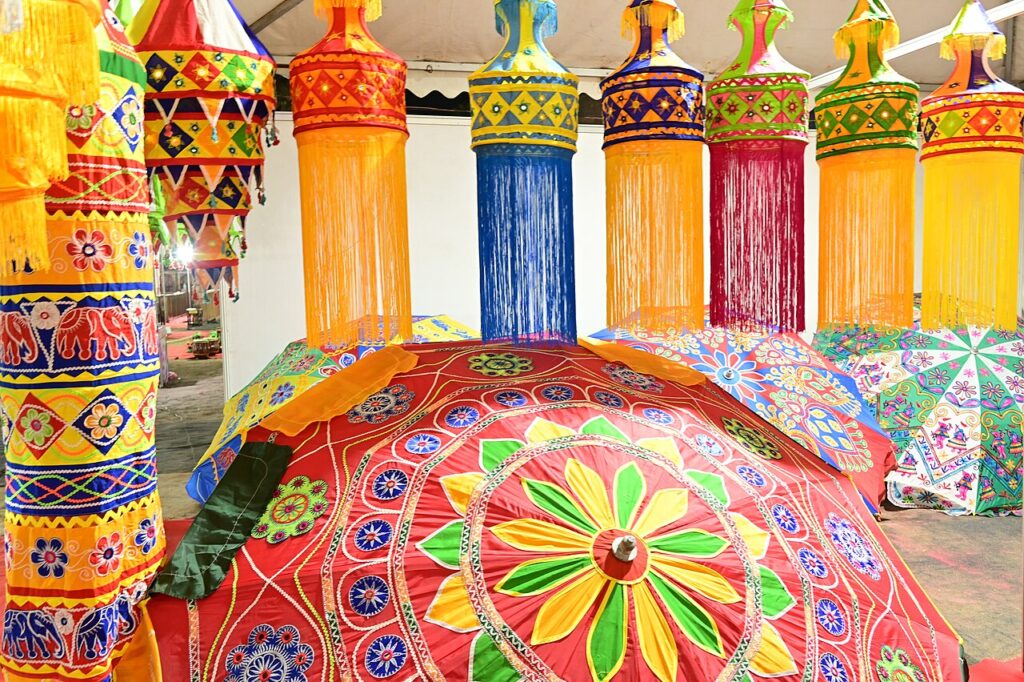
ପିପିଲି ଚନ୍ଦୁଆ କଳାର ସବୁଠାରୁ ମହାନ ଅଭିବ୍ୟକ୍ତି ହେଉଛି ଶ୍ରୀ ଜଗନ୍ନାଥଙ୍କ ରଥଯାତ୍ରା। ପ୍ରତିବର୍ଷ ଆଷାଢ଼ ମାସରେ ଜଗନ୍ନାଥ, ବଳଭଦ୍ର ଓ ସୁଭଦ୍ରାଙ୍କ ତିନି ରଥ ଉପରେ ବ୍ୟବହୃତ ବିଶାଳ ଆଲଂକାରିକ ବସ୍ତ୍ର ପିପିଲିର କାରିଗରମାନଙ୍କ ହାତରେ ତିଆରି ହୁଏ। ଛତି (chhati) ହେଉଛି ରଥର ଉପରେ ଲାଗୁଥିବା ବିଶାଳ ଆପ୍ଲିକେ ଛତ୍ର — ଏହା ଭଗବାନଙ୍କୁ ସୂର୍ଯ୍ୟ ଓ ବୃଷ୍ଟିରୁ ରକ୍ଷା କରିବାର ପ୍ରତୀକ। ତରାସି (tarasa) ହେଉଛି ତ୍ରିଭୁଜାକାର ଆଲଂକାରିକ ପତାକା, ଯାହା ରଥ ଓ ମନ୍ଦିର ଗମ୍ବୁଜ ଉପରେ ଝୁଲି ପବିତ୍ର ବାତାବରଣ ସୃଷ୍ଟି କରେ। ଅଳକା (alata) ହେଉଛି ରଥ ଓ ମଣ୍ଡପକୁ ଆବୃତ କରୁଥିବା ଆଲଂକାରିକ ଆବରଣ।
ପ୍ରତି ଦେବତାଙ୍କ ରଥରେ ନିର୍ଦ୍ଦିଷ୍ଟ ରଙ୍ଗ ବ୍ୟବହୃତ ହୁଏ — ଶ୍ରୀ ଜଗନ୍ନାଥଙ୍କ ନନ୍ଦିଘୋଷ ରଥରେ ନାଲି ଓ ହଳଦିଆ, ବଳଭଦ୍ରଙ୍କ ତାଳଧ୍ୱଜ ରଥରେ ନୀଳ ଓ ସବୁଜ, ଏବଂ ସୁଭଦ୍ରାଙ୍କ ଦର୍ପଦଳନ ରଥରେ ଲାଲ ଓ କଳା ରଙ୍ଗର ଚନ୍ଦୁଆ ବ୍ୟବହୃତ ହୁଏ। ରଥଯାତ୍ରା ଛଡ଼ା ମନ୍ଦିରର ବିଭିନ୍ନ ଅନୁଷ୍ଠାନ, ବିବାହ ସମାରୋହ ଏବଂ ସାମୁହିକ ଉତ୍ସବରେ ମଧ୍ୟ ଚନ୍ଦୁଆ ବସ୍ତ୍ର ବ୍ୟବହୃତ ହୁଏ। ଆଠ ଶତାବ୍ଦୀରୁ ଅଧିକ କାଳ ଏହି ପବିତ୍ର ପରମ୍ପରା ନିରବଚ୍ଛିନ୍ନ ଭାବରେ ଚାଲି ଆସିଛି — ଏହା ଭାରତର ଅନ୍ୟ କୌଣସି ହସ୍ତତନ୍ତ କଳାରେ ଦେଖାଯାଏ ନାହିଁ।
କାରିଗରୀ ପ୍ରକ୍ରିୟା: କାଟିବାରୁ ସିଲାଇ ପର୍ଯ୍ୟନ୍ତ
ପିପିଲି ଚନ୍ଦୁଆ ତିଆରି ଏକ ଶ୍ରମସାଧ୍ୟ ଓ ସମୟ ସାପେକ୍ଷ ହସ୍ତଶିଳ୍ପ ପ୍ରକ୍ରିୟା। ପ୍ରଥମେ ଏକ ମୋଟା ବେସ୍ କପଡ଼ା — ସାଧାରଣତଃ ସୂତା କ୍ୟାନଭାସ୍ କିମ୍ବା ପଲିଏଷ୍ଟର ମିଶ୍ରଣ — ବଛାଯାଏ। ତାପରେ ପାରମ୍ପରିକ ନମୁନା ଅନୁଯାୟୀ ବିଭିନ୍ନ ରଙ୍ଗର କପଡ଼ାରୁ ଆକୃତିଗୁଡ଼ିକୁ କାଟାଯାଏ। ଏହି ଆକୃତିଗୁଡ଼ିକ ବେସ୍ କପଡ଼ା ଉପରେ ସୁନ୍ଦର ଭାବରେ ସଜାଇ ବଟନହୋଲ ଷ୍ଟିଚ୍, ଚେନ ଷ୍ଟିଚ୍, ସାଟିନ ଷ୍ଟିଚ୍ ଏବଂ କଢ଼ା କାମ (mirror work) ଭଳି ବିଶେଷ ଶୈଳୀରେ ହାତରେ ସିଲାଇ କରାଯାଏ।
ଗୋଟିଏ ମଧ୍ୟମ ଆକାରର ୱାଲ ହ୍ୟାଙ୍ଗିଙ୍ଗ ତିଆରି କରିବାକୁ ଦୁଇରୁ ତିନି ସପ୍ତାହ ଲାଗେ, ଆଉ ରଥଯାତ୍ରା ପାଇଁ ବ୍ୟବହୃତ ବିଶାଳ ଛତି ତିଆରି କରିବାକୁ କିଛି ମାସ ଲାଗିପାରେ। ଗୋଟିଏ ପରିବାରର ସମସ୍ତ ସଦସ୍ୟ — ପୁରୁଷ, ମହିଳା ଏବଂ ପିଲାମାନେ — ଏହି କାର୍ଯ୍ୟରେ ଭାଗ ନିଅନ୍ତି। ପିତା କାଟନ୍ତି, ମାତା ସଜାନ୍ତି, ପୁଅ ଝିଣଙ୍କି ଓ ଝିଅ ସିଲାଇ କରନ୍ତି — ପରିବାରର ପ୍ରତିଟି ହାତରେ ଏହି କଳାର ସ୍ପର୍ଶ ରହେ। କୌଣସି ଯନ୍ତ୍ର ବ୍ୟବହାର ହୁଏ ନାହିଁ — ପ୍ରତିଟି ସିଲାଇ ହାତରେ, ପ୍ରେମ ଓ ନିଷ୍ଠା ସହିତ ହୁଏ।
ରଙ୍ଗ ଓ ନମୁନା: ଓଡ଼ିଆ ସଂସ୍କୃତିର ପ୍ରତୀକ
ପିପିଲି ଚନ୍ଦୁଆର ରଙ୍ଗ ପ୍ୟାଲେଟ୍ ଓଡ଼ିଆ ଜୀବନ ଓ ଆଧ୍ୟାତ୍ମିକତାର ପ୍ରତିଫଳନ। ନାଲି ରଙ୍ଗ ଶକ୍ତି, ଭକ୍ତି ଓ ଆନନ୍ଦର ପ୍ରତୀକ — ଏହା ଜଗନ୍ନାଥଙ୍କ ପ୍ରିୟ ରଙ୍ଗ। ହଳଦିଆ ଜ୍ଞାନ, ପବିତ୍ରତା ଓ ସୂର୍ଯ୍ୟର ପ୍ରତୀକ। ସବୁଜ ପ୍ରକୃତି, ସମୃଦ୍ଧି ଓ ନବଜୀବନର ପ୍ରତିନିଧିତ୍ୱ କରେ। କଳା ରଙ୍ଗ ଶାନ୍ତି, ଗଭୀରତା ଓ ଶକ୍ତିର ପ୍ରତୀକ, ଆଉ ଧଳା ଶୁଦ୍ଧତା ଓ ସରଳତାକୁ ବ୍ୟକ୍ତ କରେ।
ନମୁନାଗୁଡ଼ିକ ମଧ୍ୟ ଓଡ଼ିଆ ସଂସ୍କୃତି ସହିତ ଗଭୀର ଭାବରେ ଜଡିତ। ପଦ୍ମ (lotus) ପବିତ୍ରତା, ସୌନ୍ଦର୍ୟ ଓ ଆଧ୍ୟାତ୍ମିକ ଜାଗରଣର ପ୍ରତୀକ — ଓଡ଼ିଶାର ଅନେକ ମନ୍ଦିର ଓ ସାହିତ୍ୟରେ ପଦ୍ମର ବହୁଳ ପ୍ରୟୋଗ। ଗଜ (elephant) ବୁଦ୍ଧି, ଶକ୍ତି ଓ ରାଜକୀୟ ଗରିମାର ପ୍ରତୀକ — ପୁରୀ ମନ୍ଦିରରେ ଗଜଲକ୍ଷ୍ମୀ ବିଗ୍ରହର ବିଶେଷ ମହତ୍ତ୍ୱ। ମୟୂର (peacock) ସୌନ୍ଦର୍ୟ, ପ୍ରେମ ଓ କଳାର ପ୍ରତୀକ। ଶଙ୍ଖ (conch) ଶ୍ରୀ ଜଗନ୍ନାଥଙ୍କ ପବିତ୍ର ପ୍ରତୀକ — ଓଡ଼ିଶାର ପ୍ରତିଟି ଶୁଭ କାର୍ଯ୍ୟରେ ଶଙ୍ଖଧ୍ୱନି ଅପରିହାର୍ଯ୍ୟ। ମାଛ (fish) ସମୃଦ୍ଧି, ପ୍ରଜନନ ଓ ଜୀବନ ଚଳଣିର ପ୍ରତୀକ। ଜୀବନ ବୃକ୍ଷ (tree of life) ପୃଥିବୀ ଓ ଈଶ୍ୱର ମଧ୍ୟରେ ସମ୍ପର୍କର ପ୍ରତୀକ — ଏହା ପିପିଲି କଳାର ସବୁଠାରୁ ମହତ୍ତ୍ୱପୂର୍ଣ୍ଣ ନମୁନା।
ଏହି ରଙ୍ଗ ଓ ନମୁନାଗୁଡ଼ିକ କେବଳ ସୌନ୍ଦର୍ୟ ପାଇଁ ନୁହେଁ — ଏଗୁଡ଼ିକ ଓଡ଼ିଆ ସମାଜର ବିଶ୍ୱାସ, ଆଶା ଓ ଜୀବନ ଦର୍ଶନକୁ ପ୍ରକଟ କରନ୍ତି। ପ୍ରତିଟି ପଦ୍ମରେ ଓଡ଼ିଶାର ପବିତ୍ର ନଦୀମାନଙ୍କର ସ୍ମୃତି ବଢ଼େ, ପ୍ରତିଟି ମୟୂରରେ ଉତ୍କଳର ସବୁଜ ପ୍ରକୃତି ଜୀବନ୍ତ ହୁଏ, ଏবং ପ୍ରତିଟି ଶଙ୍ଖରେ ଶ୍ରୀମନ୍ଦିରର ପବିତ୍ର ଧ୍ୱନି ଗୁଞ୍ଜରିତ ହୁଏ।
ଚନ୍ଦୁଆ, ବତୁଆ, ୱାଲ ହ୍ୟାଙ୍ଗିଙ୍ଗ ଏବଂ ଅନ୍ୟାନ୍ୟ ଉତ୍ପାଦ
ପିପିଲି କାରିଗରମାନେ ବିଭିନ୍ନ ପ୍ରକାରର ଉତ୍ପାଦ ତିଆରି କରନ୍ତି। ଚନ୍ଦୁଆ ସବୁଠାରୁ ପ୍ରମୁଖ ଉତ୍ପାଦ — ଏକ ବଡ଼ ଆଲଂକାରିକ ବସ୍ତ୍ର ଯାହା ରଥଯାତ୍ରା ଓ ମନ୍ଦିର ଅନୁଷ୍ଠାନ ପାଇଁ ବ୍ୟବହୃତ। ବତୁଆ (batua) ହେଉଛି ଛୋଟ ଆକାରର ବ୍ୟାଗ୍ ଓ ପାଉଚ୍ — ବିବାହ ଓ ଉତ୍ସବରେ ଏହା ପାରମ୍ପରିକ ଉପହାର ରୂପେ ଦିଆଯାଏ। ଏହା ଛଡ଼ା ୱାଲ ହ୍ୟାଙ୍ଗିଙ୍ଗ, ବିଛଣା ଚାଦର, ବାଲିଶ କଭର, ଟେବଲ କ୍ଲଥ୍, ଲମ୍ପଶେଡ୍, କ୍ରିସମସ୍ ଟ୍ରି ଆବରଣ, ଗାଡ଼ି ସିଟ୍ କଭର ଏବଂ ଫ୍ୟାସନ ଆକ୍ସେସରିଜ୍ ମଧ୍ୟ ତିଆରି କରାଯାଏ। ପ୍ରତିଟି ଉତ୍ପାଦରେ ପାରମ୍ପରିକ ନମୁନା — ପଦ୍ମ, ଗଜ, ମୟୂର, ଶଙ୍ଖ, ମାଛ ଓ ଜୀବନ ବୃକ୍ଷ — ବ୍ୟବହୃତ ହୁଏ, ଯାହା ଶତାବ୍ଦୀ ପୁରୁଣା ଓଡ଼ିଆ ସାଂସ୍କୃତିକ ବିରାସତ ସହିତ ପ୍ରତିଟି ବସ୍ତୁକୁ ଜୋଡ଼ି ରଖେ।
କାରିଗର ଜୀବନ: ୩୦୦ରୁ ଅଧିକ ପରିବାରର ଜୀବିକା
ପିପିଲି ଗ୍ରାମ କେବଳ ଏକ ପର୍ଯ୍ୟଟକ ସ୍ଥଳୀ ନୁହେଁ — ଏହା ହଜାର ହଜାର କାରିଗରଙ୍କର ଜୀବନ ଓ ଜୀବିକାର କେନ୍ଦ୍ର। ପିପିଲି ଓ ଏହାର ଆଖପାଖ ଅଞ୍ଚଳରେ ପ୍ରାୟ ୩୦୦ରୁ ଅଧିକ କାରିଗର ପରିବାର ଏହି କଳା ଉପରେ ନିର୍ଭର କରି ଜୀବିକୋପାର୍ଜନ କରନ୍ତି। ଅଧିକାଂଶ ପରିବାର ପାଇଁ ଚନ୍ଦୁଆ କଳା ଏକମାତ୍ର ଆୟର ଉତ୍ସ। ସକାଳୁ ଉଠି ରାତି ପର୍ଯ୍ୟନ୍ତ ଘରେ ଓ ଦୋକାନରେ କାରିଗରମାନେ କାମ କରନ୍ତି। ମହିଳାମାନେ ପୁରୁଷମାନଙ୍କ ପାଖରେ ସମାନ ଭୂମିକା ନିଅନ୍ତି — ବହୁ ପରିବାରରେ ମହିଳାମାନେ ସିଲାଇର ମୁଖ୍ୟ କାରିଗର।
କିନ୍ତୁ ଏହି କଳା ବଞ୍ଚାଇ ରଖିବା ସହଜ ନୁହଁ। ଯନ୍ତ୍ର ତିଆରି ନକଲ ଉତ୍ପାଦ, କମ୍ ମୂଲ୍ୟ, ଏବଂ ବଜାରରେ ପ୍ରତିଯୋଗିତା କାରିଗରମାନଙ୍କ ପାଇଁ ବଡ଼ ସଙ୍କଟ ସୃଷ୍ଟି କରୁଛି। ବହୁ ଯୁବକ ଅଧିକ ଆୟ ପାଇଁ ଅନ୍ୟ ବୃତ୍ତି ବାଛୁଛନ୍ତି। ଏହି କଳାକୁ ବଞ୍ଚାଇ ରଖିବା ପାଇଁ ନିରନ୍ତର ପ୍ରଚେଷ୍ଟା ଆବଶ୍ୟକ — ଉପଯୁକ୍ତ ମୂଲ୍ୟ, ବଜାର ସମ୍ପ୍ରସାରଣ ଏବଂ ଯୁବ ପିଢ଼ୀକୁ ଆକର୍ଷିତ କରିବା।
ଭୌଗଳିକ ସଂକେତ (GI Tag ୨୦୦୮): ପ୍ରାମାଣିକତାର ସୁରକ୍ଷା
୨୦୦୮ ମସିହାରେ ଭାରତ ସରକାର ପିପିଲି ଚନ୍ଦୁଆ କଳାକୁ ଭୌଗଳିକ ସଂକେତ (Geographical Indication — GI Tag) ପ୍ରଦାନ କରିଛନ୍ତି। ଏହି GI ଟ୍ୟାଗ୍ ଏକ ଆଇନଗତ ସୁରକ୍ଷା, ଯାହା ନିଶ୍ଚିତ କରେ ଯେ କେବଳ ପିପିଲି ଓ ଏହାର ଆଖପାଖ ଅଞ୍ଚଳରେ ପାରମ୍ପରିକ ପଦ୍ଧତିରେ ତିଆରି ହୋଇଥିବା ଉତ୍ପାଦକୁ ହିଁ ପ୍ରାମାଣିକ ପିପିଲି ଆପ୍ଲିକେ ଭାବରେ ବିକ୍ରି କରାଯାଇପାରିବ। ଏହା ଯନ୍ତ୍ର ତିଆରି ନକଲ ଉତ୍ପାଦ ଓ ପ୍ରତାରଣାମୂଳକ ବସ୍ତୁକୁ ରୋକିବାରେ ସାହାଯ୍ୟ କରେ, ଯାହା ପ୍ରକୃତ କାରିଗରମାନଙ୍କର ଜୀବିକାକୁ କ୍ଷତି ପହଞ୍ଚାଉଥିଲା।
GI ଟ୍ୟାଗ୍ ମିଳିବା ପରେ ପିପିଲି କଳାର ବଜାର ମୂଲ୍ୟ ବୃଦ୍ଧି ପାଇଛି ଏବଂ ଅନ୍ତର୍ଜାତୀୟ ମାନ୍ୟତା ବଢ଼ିଛି। ପିପିଲି ଆର୍ଟୱାର୍କ ବର୍ତ୍ତମାନ ଯୁକ୍ତରାଷ୍ଟ୍ର ଆମେରିକା, ଯୁକ୍ତରାଜ୍ୟ, ଜର୍ମାନୀ, ଫ୍ରାନ୍ସ, ଜାପାନ ଓ ଅଷ୍ଟ୍ରେଲିଆ ସହିତ ୧୫ରୁ ଅଧିକ ଦେଶକୁ ରପ୍ତାନି ହେଉଛି, ଯାହା ଓଡ଼ିଶାର ସାଂସ୍କୃତିକ ପରିଚୟକୁ ବିଶ୍ୱ ସ୍ତରରେ ପ୍ରତିଷ୍ଠିତ କରୁଛି।
ଆଧୁନିକ ରୂପାନ୍ତର: ପରମ୍ପରା ଓ ଆଧୁନିକତାର ସମ୍ମିଳନ
ଆଧୁନିକ ସମୟରେ ପିପିଲି ଚନ୍ଦୁଆ କଳା ନୂତନ ଦିଗରେ ବଢ଼ୁଛି। ପାରମ୍ପରିକ ଚନ୍ଦୁଆ ଓ ଛତି ଛଡ଼ା ଏବେ ଫ୍ୟାସନ ଆକ୍ସେସରିଜ୍, ହୋମ ଡେକୋର୍, ଲାଇଫସ୍ଟାଇଲ ପ୍ରୋଡକ୍ଟ୍ ଏବଂ କର୍ପୋରେଟ ଗିଫ୍ଟିଙ୍ଗ ଆଇଟମ୍ ମଧ୍ୟ ତିଆରି ହେଉଛି। କିଛି କାରିଗର ଇ-କମର୍ସ ପ୍ଲାଟଫର୍ମରେ ନିଜ ଉତ୍ପାଦ ବିକ୍ରି କରୁଛନ୍ତି, ଯାହା ଫଳରେ ମଧ୍ୟସ୍ଥୀମାନଙ୍କୁ ବାଦ ଦେଇ ସିଧାସଳଖ ଗ୍ରାହକ ସମ୍ପର୍କ ସ୍ଥାପିତ ହେଉଛି।
ଓଡ଼ିଶା ହସ୍ତତନ୍ତ ବିକାଶ ନିଗମ ଏବଂ ବିଭିନ୍ନ ଏନଜିଓ କାରିଗରମାନଙ୍କୁ ଡିଜାଇନ୍ ବିକାଶ, ପ୍ରଶିକ୍ଷଣ ଓ ବଜାର ସମ୍ପ୍ରସାରଣରେ ସାହାଯ୍ୟ କରୁଛନ୍ତି। ଆଧୁନିକ ଡିଜାଇନର୍ସ ପାରମ୍ପରିକ ନମୁନାକୁ ସମକାଳୀନ ଶୈଳୀ ସହିତ ମିଶାଇ ମିନିମାଲିଷ୍ଟ ୱାଲ ଆର୍ଟ, ଜ୍ୟାମିତିକ କୁସନ କଭର ଏବଂ ଟେକ ଆକ୍ସେସରିଜ୍ ଭଳି ଫ୍ୟୁଜନ ପ୍ରୋଡକ୍ଟ ତିଆରି କରୁଛନ୍ତି। ଏହି ପରିବର୍ତ୍ତନ ଯୁବ ପିଢ଼ୀକୁ ମଧ୍ୟ ଆକର୍ଷିତ କରୁଛି — ନୂତନ କାରିଗର ଓ ଗ୍ରାହକ ଉଭୟ ଆସୁଛନ୍ତି। କିନ୍ତୁ ବଡ଼ ଚ୍ୟାଲେଞ୍ଜ ହେଉଛି ବ୍ୟବସାୟିକ ଆଧୁନିକରଣ ଓ ପାରମ୍ପରିକ ପ୍ରାମାଣିକତା ମଧ୍ୟରେ ସମତୁଲ ରଖିବା।
ପିପିଲି ଗ୍ରାମ ଦେଖିବାକୁ — ସ୍ଥାନ, ଯାତ୍ରା ଓ ଗାଇଡ୍
ପିପିଲି ଗ୍ରାମ ପୁରୀ ଜିଲ୍ଲାରେ ଅବস୍ଥିତ, ଭୁବନେଶ୍ୱରଠାରୁ ପ୍ରାୟ ୪୦ କିଲୋମିଟର ଦୂରରେ ପୁରୀ-କୋଣାର୍କ ରାସ୍ତା (NH 316) ଉପରେ। ଭୁବନେଶ୍ୱର-ପୁରୀ-କୋଣାର୍କ ଗୋଲ୍ଡେନ୍ ଟ୍ରାୟାଙ୍ଗଲ୍ ପର୍ଯ୍ୟଟନ ସର୍କିଟ୍ରେ ପିପିଲି ଏକ ଆଦର୍ଶ ମଧ୍ୟବର୍ତ୍ତୀ ବିଶ୍ରାମ ସ୍ଥଳୀ।
ପିପିଲିର ରଙ୍ଗବେରଙ୍ଗର ମାର୍କେଟ୍ ରାସ୍ତା ଦେଖିବା ଏକ ଅବିସ୍ମରଣୀୟ ଅନୁଭବ। ଦୁଇ ପାର୍ଶରେ ଦୋକାନ ରହିଛି, ଯେଉଁଠାରେ ଛୋଟ କି-ଚେନ୍ ଓ ବତୁଆ ରୁ ବିଶାଳ ୱାଲ ହ୍ୟାଙ୍ଗିଙ୍ଗ ଓ ଆଲଂକାରିକ ଛତି ପର୍ଯ୍ୟନ୍ତ ପ୍ରଦର୍ଶିତ ହୋଇଥାଏ। ଦର୍ଶକମାନେ କାରିଗରମାନଙ୍କୁ ଖୋଲା ୱାର୍କସପ୍ରେ କାମ କରୁଥିବା ଦେଖିପାରନ୍ତି — କାଟିବା, ସଜାଇବା ଓ ସିଲାଇ କରିବାର ଶ୍ରମସାଧ୍ୟ ପ୍ରକ୍ରିୟା — ଏବଂ ନ୍ୟାୟ୍ୟ ମୂଲ୍ୟରେ ସିଧା କାରିଗରଙ୍କଠାରୁ କିଣିପାରନ୍ତି।
କେବେ ଯିବେ: ସକାଳୁ ବା ବିଳମ୍ବିତ ସନ୍ଧ୍ୟାରେ ଯିବା ସବୁଠାରୁ ଭଲ — ପ୍ରାକୃତିକ ଆଲୋକରେ ରଙ୍ଗଗୁଡ଼ିକ ଅଧିକ ଉଜ୍ଜ୍ୱଳ ଦେଖାଯାଏ। କୋଣାର୍କ ସୂର୍ୟ ମନ୍ଦିର ଦର୍ଶନ ପରେ ପିପିଲି ଏବଂ ତା’ପରେ ସନ୍ଧ୍ୟାରେ ପୁରୀ ସମୁଦ୍ର କୂଳ ଓ ଶ୍ରୀମନ୍ଦିର — ଏହା ଏକ ସମ୍ପୂର୍ଣ୍ଣ ସାଂସ୍କୃତିକ ଯାତ୍ରା। ପିପିଲିରେ ପାର୍କିଂ, ରିଫ୍ରେସମେଣ୍ଟ ଷ୍ଟଲ୍ ଓ ବିଶ୍ରାମ ସ୍ଥଳ ଉପଲବ୍ଧ। କାରିଗରମାନଙ୍କର ଫଟୋ ଉଠାଇବା ପୂର୍ବରୁ ଅନୁମତି ନିଅନ୍ତୁ — ଏହା ସୌଜନ୍ୟର ଚିହ୍ନ।
ପ୍ରାମାଣିକ ପିପିଲି କଳାକୁ କିପରି ଚିହ୍ନିବେ?
ବଜାରରେ ଅନେକ ନକଲ ପିପିଲି ଉତ୍ପାଦ ମିଳେ, ତେଣୁ ପ୍ରାମାଣିକ କଳାକୁ ଚିହ୍ନିବା ଜରୁରୀ। ପ୍ରଥମ: ପ୍ରାମାଣିକ ପିପିଲି କଳା ସମ୍ପୂର୍ଣ୍ଣ ହାତରେ ସିଲାଇ ହୋଇଥାଏ — କୌଣସି ଯନ୍ତ୍ରର ଚିହ୍ନ ଦେଖାଯିବ ନାହିଁ। ସିଲାଇରେ ସ୍ବଳ୍ପ, ସୁନ୍ଦର ଅସମାନତା ରହିବ, ଯାହା ଯନ୍ତ୍ର କେବେ ତିଆରି କରିପାରିବ ନାହିଁ। ଦ୍ୱିତୀୟ: ରଙ୍ଗ ଉଜ୍ଜ୍ୱଳ ଓ ସ୍ଥାୟୀ ହୋଇଥାଏ — ଧୋଇଲେ ମଧ୍ୟ ଫିକା ହୁଏ ନାହିଁ। ନକଲ ଉତ୍ପାଦର ସସ୍ତା ରଙ୍ଗ ଶୀଘ୍ର ଫିକା ହୋଇଯାଏ। ତୃତୀୟ: ପାରମ୍ପରିକ ନମୁନା — ପଦ୍ମ, ଗଜ, ମୟୂର, ଶଙ୍ଖ, ମାଛ, ଜୀବନ ବୃକ୍ଷ — ଡିଜାଇନ୍ରେ ଥିବା ଉଚିତ୍। ଚତୁର୍ଥ: ସିଲାଇ ସମାନ, ନିଖୁଣ ଓ ଦୃଢ଼ — ଢିଲା ସୁତା ବା ଅସମାନ ଫାଶ୍ ନିମ୍ନ ଗୁଣବତ୍ତାର ସୂଚକ। ପଞ୍ଚମ: ପ୍ରାମାଣିକ ଉତ୍ପାଦରେ “Pipli Appliqué — GI Registered” ଲେବଲ୍ ଥାଏ।
ପ୍ରାମାଣିକ ପିପିଲି ଆର୍ଟୱାର୍କ କିଣିବା ପାଇଁ ସବୁଠାରୁ ଭଲ ସ୍ଥାନ ହେଉଛି ସିଧା ପିପିଲି ଗ୍ରାମ, ସରକାରୀ ହସ୍ତତନ୍ତ ଏମ୍ପୋରିୟମ୍ (ଉତ୍କଳିକା, ବୋୟନିକା), ପ୍ରମାଣିତ ହସ୍ତତନ୍ତ ମେଳା ଓ ପ୍ରଦର୍ଶନୀ ଏବଂ କାରିଗର ସହକାରୀ ସଂସ୍ଥା ସହିତ ଜଡିତ ବିଶ୍ୱସନୀୟ ଅନଲାଇନ୍ ବିକ୍ରେତା। ପ୍ରାମାଣିକ ଉତ୍ପାଦ ଯନ୍ତ୍ର ତିଆରି ନକଲଠାରୁ ଅଧିକ ଦାମ ହୋଇପାରେ, କିନ୍ତୁ ଏହା ଏକ ଜୀବନ୍ତ ସାଂସ୍କୃତିକ ବିରାସତରେ ବିନିଯୋଗ ଏବଂ ୮୦୦ ବର୍ଷରୁ ଅଧିକ କାଳ ଏହି କଳାକୁ ବଞ୍ଚାଇ ରଖୁଥିବା ପରିବାରମାନଙ୍କର ସିଧାସଳଖ ସହାୟତା।
ଉପସଂହାର: ଏକ ଜୀବନ୍ତ ବିରାସତ ଯାହା ବଞ୍ଚାଇ ରଖିବା ଆମ ସମସ୍ତଙ୍କର ଦାୟିତ୍ୱ
ପିପିଲି ଚନ୍ଦୁଆ କଳା ଓଡ଼ିଶାର ଜୀବନ୍ତ ସାଂସ୍କୃତିକ ଐତିହ୍ୟର ପ୍ରତୀକ — ୧୨ଶ ଶତାବ୍ଦୀରୁ ଚାଲି ଆସିଥିବା, ଆଜି ମଧ୍ୟ ଜୀବନ୍ତ ଏବଂ ବିକାଶଶୀଳ। ପ୍ରତି ସିଲାଇରେ ଶତାବ୍ଦୀ ପୁରୁଣା ପରମ୍ପରା, କାରିଗରଙ୍କ ନିଷ୍ଠା ଏବଂ ଜଗନ୍ନାଥ ସଂସ୍କୃତିର ଆଧ୍ୟାତ୍ମିକତା ପ୍ରତିଫଳିତ। ୩୦୦ରୁ ଅଧିକ ପରିବାରର ଜୀବିକା, ଗୋଟିଏ ଗ୍ରାମର ପରିଚୟ ଏବଂ ଓଡ଼ିଶାର ଗୌରବ — ପିପିଲି ଚନ୍ଦୁଆ କଳା ଏହି ସମସ୍ତ ଅଟେ।
GI ଟ୍ୟାଗ୍ ଆଇନଗତ ସୁରକ୍ଷା ଦେଇଛି, କିନ୍ତୁ ଏହି କଳାର ଭବିଷ୍ୟତ ଗ୍ରାହକ ଜାଗରୂକତା, ନ୍ୟାୟସଙ୍ଗତ ବାଣିଜ୍ୟ ପ୍ରଥା ଏବଂ ପ୍ରତି ନୂଆ ପିଢ଼ୀର ଶିଖିବା ଓ ନବୀକରଣ କରିବାର ଇଚ୍ଛା ଉପରେ ନିର୍ଭର କରେ। ଯେତେବେଳେ କେହି ପ୍ରାମାଣିକ ପିପିଲି ଆର୍ଟୱାର୍କ କିଣନ୍ତି — ଛୋଟ ବତୁଆ ହୋଉ ବା ବିଶାଳ ୱାଲ ହ୍ୟାଙ୍ଗିଙ୍ଗ — ସେମାନେ କଳାତ୍ମକ ଉତ୍ତରଜୀବନର ଏହି ଅସାଧାରଣ କାହାଣୀର ଭାଗ ହୁଅନ୍ତି। ପ୍ରାମାଣିକ ପିପିଲି ଆପ୍ଲିକେକୁ ସମର୍ଥନ କରି, ଏହାର ବିରାସତକୁ ସମ୍ମାନ କରି ଏବଂ ଏହାର କାହାଣୀକୁ ବିଶ୍ୱ ସହିତ ବାଣ୍ଟି — ଆମେ ନିଶ୍ଚିତ କରୁ ଯେ ପିପିଲିର ଉଜ୍ଜ୍ୱଳ ରଙ୍ଗ ଆଗାମୀ ଶତାବ୍ଦୀ ପର୍ଯ୍ୟନ୍ତ ଜ୍ୟୋତିଷ୍କର ହୋଇ ରହିବ — ହାତରେ ସୃଷ୍ଟି କରୁଥିବା କାରିଗରମାନଙ୍କୁ ଏବଂ ପ୍ରତିଟି ସିଲାଇକୁ ଅନୁପ୍ରାଣିତ କରୁଥିବା ସଂସ୍କୃତିକୁ ସମ୍ମାନ ଜଣାଇ।
In English
Pipli Chandua Art: The Story of Odisha’s Living Canvas of Colours
Pipli village in Puri district — the very name conjures a vivid canvas of colours before the eyes. Red, yellow, green, black — within this magnificent confluence of colours, Odisha’s most ancient and living handicraft art has been crafted: Pipli Chandua art. This is not merely an art form — it is a symbol of devotion spanning many centuries, a spiritual tradition deeply intertwined with Jagannath culture, and an inseparable part of Odia identity. Among the world’s appliqué traditions, Pipli Chandua holds a unique place — because every stitch in it reflects the devotion of the Shrimandir and the national soul of Odisha.
History: From the Twelfth Century to the Jagannath Temple
The origins of Pipli Chandua art are very ancient — its roots lie in the twelfth century. When King Anangabhima Deva of the Ganga dynasty commissioned the construction of the Shri Jagannath Temple in Puri, he settled skilled artisans of the Darji or Tanti caste in Pipli village to create ornamental fabrics for the temple premises and various ceremonies. Since that time, the artisan families of Pipli have been engaged in the service of Shrimandir — this is not merely a profession but a hereditary service (seva). From generation to generation, sons and daughters learn this art from their parents, ensuring that centuries-old knowledge and techniques survive.
Eternal Connection with Rath Yatra — Chhati, Tarasa and Alata
The grandest expression of Pipli Chandua art is the Shri Jagannath Rath Yatra. Every year during the month of Ashadha, the massive ornamental fabrics used on the three chariots of Jagannath, Balabhadra and Subhadra are crafted by the hands of Pipli artisans. Chhati is the large appliqué canopy placed on top of the chariot — a symbol of protecting the Lord from sun and rain. Tarasa is the triangular ornamental flag that hangs from the chariots and temple domes, creating a sacred ambience. Alata is the ornamental covering that drapes the chariots and ceremonial pavilions.
Each deity’s chariot uses specific colours — red and yellow for Lord Jagannath’s Nandighosha chariot, blue and green for Balabhadra’s Taladhwaja chariot, and red and black for Subhadra’s Darpadalan chariot. Beyond the Rath Yatra, Chandua fabrics are also used in various temple rituals, wedding ceremonies and community festivals. This sacred tradition has continued unbroken for over eight centuries — something unmatched in any other Indian handicraft.
The Crafting Process: From Cutting to Stitching
Creating a Pipli Chandua is a labour-intensive and time-consuming handcrafted process. First, a thick base fabric — typically cotton canvas or a polyester blend — is selected. Then, shapes are cut from fabrics of various colours according to traditional design templates. These shapes are beautifully arranged on the base fabric and hand-stitched using specialised techniques including buttonhole stitch, chain stitch, satin stitch and mirror work.
A medium-sized wall hanging takes two to three weeks to complete, and the massive canopies used for Rath Yatra can take several months. Every member of a family — men, women and children — participates in this work. The father cuts, the mother arranges, the son irons and the daughter stitches — the touch of this art is in every hand of the family. No machines are used — every stitch is made by hand, with love and devotion.
Colours and Motifs: Symbols of Odia Culture
The colour palette of Pipli Chandua reflects Odia life and spirituality. Red symbolises power, devotion and joy — it is Lord Jagannath’s favourite colour. Yellow represents knowledge, purity and the sun. Green stands for nature, prosperity and renewal. Black symbolises peace, depth and strength, while White expresses purity and simplicity.
The motifs too are deeply connected with Odia culture. Padma (lotus) is a symbol of purity, beauty and spiritual awakening — the lotus appears extensively in Odisha’s temples and literature. Gaja (elephant) represents wisdom, strength and royal grandeur — the Gaja Lakshmi idol holds special significance at the Puri Temple. Mayura (peacock) is a symbol of beauty, love and art. Shankha (conch) is Lord Jagannath’s sacred symbol — the sound of the conch is indispensable in every auspicious occasion in Odisha. Machha (fish) symbolises prosperity, fertility and the flow of life. Tree of Life represents the connection between earth and the divine — it is the most significant motif in Pipli art.
These colours and motifs are not merely for beauty — they express the beliefs, hopes and life philosophy of Odia society. In every lotus, the memory of Odisha’s sacred rivers is alive; in every peacock, the green nature of Utkala comes alive; and in every conch, the sacred sound of Shrimandir resonates.
Chandua, Batua, Wall Hangings and Other Products
Pipli artisans produce a diverse range of products. Chandua is the foremost product — a large ornamental fabric used for Rath Yatra and temple ceremonies. Batua refers to small bags and pouches — traditionally given as ceremonial gifts during weddings and festivals. Beyond these, wall hangings, bed covers, cushion covers, table cloths, lampshades, Christmas tree ornaments, automobile seat covers and fashion accessories are also crafted. Every product incorporates traditional motifs — lotus, elephant, peacock, conch, fish and tree of life — connecting each piece to centuries of Odia cultural heritage.
Artisan Life: Livelihood of Over 300 Families
Pipli village is not merely a tourist destination — it is the centre of life and livelihood for thousands of artisans. Over 300 artisan families in and around Pipli depend on this art for their livelihood. For most families, Chandua craft is their sole source of income. From dawn to dusk, artisans work at home and in their shops. Women play an equal role alongside men — in many families, women are the primary stitching artisans.
But keeping this art alive is not easy. Machine-made imitation products, low prices and market competition are creating a major crisis for artisans. Many young people are choosing other professions for better income. Sustaining this art requires continuous effort — fair prices, market expansion and attracting the younger generation.
Geographical Indication (GI Tag 2008): Protecting Authenticity
In 2008, the Government of India awarded the Geographical Indication (GI Tag) to Pipli Chandua art. This GI Tag is a legal protection that ensures only products made in Pipli and its surrounding areas using traditional methods can be sold as authentic Pipli appliqué. It helps combat machine-made imitation products and fraudulent goods that were harming the livelihoods of genuine artisans.
After receiving the GI Tag, the market value of Pipli art has increased and international recognition has grown. Pipli artwork is now exported to over 15 countries including the United States, United Kingdom, Germany, France, Japan and Australia, establishing Odisha’s cultural identity on the global stage.
Modern Adaptations: Convergence of Tradition and Modernity
In modern times, Pipli Chandua art is expanding in new directions. Beyond traditional Chandua and canopies, fashion accessories, home décor, lifestyle products and corporate gifting items are now being crafted. Some artisans are selling their products on e-commerce platforms, establishing direct customer relationships by bypassing traditional middlemen.
The Odisha Handicrafts Development Corporation and various NGOs are helping artisans with design development, training and market expansion. Modern designers are creating fusion products by blending traditional motifs with contemporary styles — minimalist wall art, geometric cushion covers and tech accessories. This transformation is attracting a younger generation of both artisans and consumers. But the major challenge remains balancing commercial modernisation with traditional authenticity.
Visiting Pipli — Location, Travel and Guide
Pipli village is located in Puri district, approximately 40 kilometres from Bhubaneswar on the Puri-Konark Road (NH 316). On the Bhubaneswar-Puri-Konark Golden Triangle tourism circuit, Pipli is an ideal midway rest stop.
Seeing Pipli’s colourful market street is an unforgettable experience. Shops line both sides, displaying everything from small keychains and batua to massive wall hangings and ornamental canopies. Visitors can watch artisans working in open workshops — the painstaking process of cutting, arranging and stitching — and purchase directly from the makers at fair prices.
When to visit: Morning or late evening is best — the colours appear most vibrant in natural light. After visiting the Konark Sun Temple, Pipli, and then the Puri beach and Shrimandir in the evening — this makes for a complete cultural journey. Pipli has parking, refreshment stalls and rest areas. Ask for permission before photographing artisans — it is a matter of courtesy.
How to Identify Authentic Pipli Appliqué Work?
Many imitation Pipli products are available in the market, so identifying authentic art is essential. First: Authentic Pipli art is entirely hand-stitched — no machine marks will be visible. The stitching will have slight, beautiful irregularities that machines can never replicate. Second: The colours are vibrant and long-lasting — they don’t fade even after washing. Imitation products use cheap dyes that fade quickly. Third: Traditional motifs — lotus, elephant, peacock, conch, fish, tree of life — should be present in the design. Fourth: The stitching should be even, neat and firm — loose threads or uneven spacing indicate inferior quality. Fifth: Authentic products carry the “Pipli Appliqué — GI Registered” label.
The best places to buy authentic Pipli artwork are directly from Pipli village, government handicraft emporiums (Utkalika, Boyanika), certified craft fairs and exhibitions and reputable online sellers associated with artisan cooperatives. Authentic products may cost more than machine-made copies, but this is an investment in a living cultural heritage and direct support for the families who have kept this art alive for over 800 years.
Conclusion: A Living Heritage That Is Everyone’s Responsibility to Preserve
Pipli Chandua art is a symbol of Odisha’s living cultural heritage — in continuous practice since the twelfth century, alive and evolving today. Every stitch reflects centuries-old tradition, the dedication of artisans and the spirituality of Jagannath culture. The livelihood of over 300 families, the identity of a village and the pride of Odisha — Pipli Chandua art encompasses all of this.
The GI Tag has provided legal protection, but the future of this art depends on consumer awareness, fair trade practices and the willingness of each new generation to learn and innovate. Whenever someone purchases an authentic piece of Pipli artwork — whether a small batua or a massive wall hanging — they become part of this extraordinary story of artistic survival. By supporting authentic Pipli appliqué, honouring its heritage and sharing its story with the world, we ensure that the brilliant colours of Pipli continue to shine for centuries to come — honouring both the artisans who create with their hands and the culture that inspires every stitch.