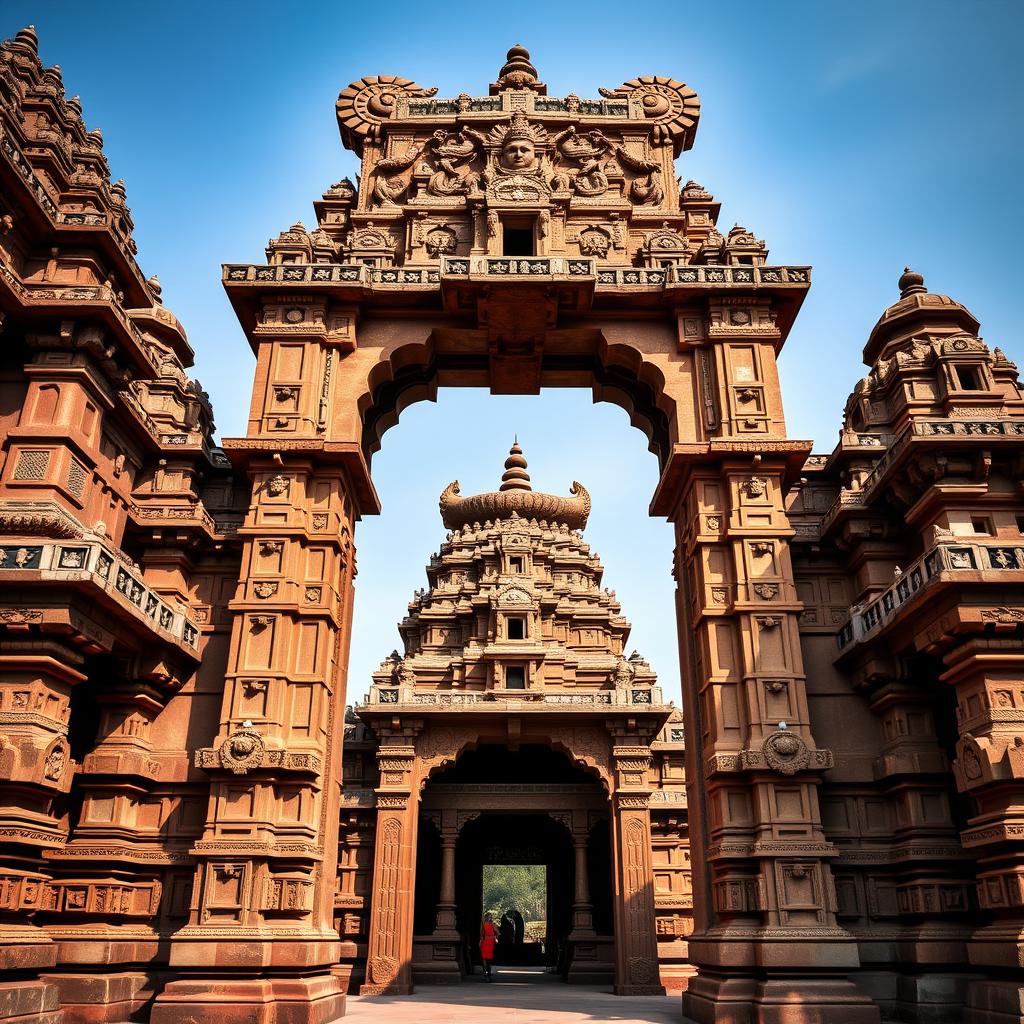
ମୁକ୍ତେଶ୍ୱର ମନ୍ଦିର: ଓଡ଼ିଶା ସ୍ଥାପତ୍ୟ କଳାର ଏକ ଅପୂର୍ବ ରତ୍ନMukteshwar Temple: A Rare Gem of Odishan Architecture
ଭୁବନେଶ୍ୱରକୁ “ମନ୍ଦିର ନଗରୀ” ବୋଲି କୁହାଯାଏ ଏବଂ ଏହି ନଗରୀର ଅନେକ ମନ୍ଦିର ମଧ୍ୟରେ ମୁକ୍ତେଶ୍ୱର ମନ୍ଦିର ବିଶେଷ ସ୍ଥାନ ଅଧିକାର କରିଅଛି। ଦଶମ ଶତାବ୍ଦୀରେ ନିର୍ମିତ ଏହି ଛୋଟ କିନ୍ତୁ ଅତ୍ୟନ୍ତ ସୁନ୍ଦର ମନ୍ଦିରକୁ ଓଡ଼ିଶା ସ୍ଥାପତ୍ୟ କଳାର “ରତ୍ନ” ବୋଲି ଅଭିହିତ କରାଯାଏ। ଭଗବାନ ଶିବଙ୍କୁ ସମର୍ପିତ ଏହି ମନ୍ଦିର ଏହାର ଅତ୍ୟନ୍ତ ସୁନ୍ଦର ତୋରଣ ଦ୍ୱାର, କଳାତ୍ମକ ପ୍ରସ୍ତର କାରୁକାର୍ଯ୍ୟ ଏବଂ ଧାର୍ମିକ ସହିଷ୍ଣୁତାର ପ୍ରତୀକ ଭାବରେ ବିଶ୍ୱବିଦ୍ୟାଳୟ, ଇତିହାସବିତ୍ ଏବଂ ପର୍ଯ୍ୟଟକମାନଙ୍କ ଦୃଷ୍ଟି ଆକର୍ଷଣ କରିଥାଏ। “ମୁକ୍ତେଶ୍ୱର” ନାମର ଅର୍ଥ ହେଉଛି “ମୁକ୍ତି ପ୍ରଦାନକାରୀ ଈଶ୍ୱର”, ଅର୍ଥାତ୍ ଯିଏ ଜୀବାତ୍ମାକୁ ଜନ୍ମ-ମୃତ୍ୟୁ ଚକ୍ରରୁ ମୁକ୍ତ କରନ୍ତି।Bhubaneswar is known as the “Temple City,” and among its many temples, the Mukteshwar Temple holds a special place. Built in the 10th century, this small yet extraordinarily beautiful temple is hailed as the “gem” of Odishan architecture. Dedicated to Lord Shiva, this temple draws the attention of scholars, historians, and tourists alike with its magnificent arched gateway (torana), artistic stone carvings, and its symbolic representation of religious tolerance. The name “Mukteshwar” literally means “the Lord who bestows liberation,” referring to the deity who frees the soul from the cycle of birth and death.
ସାଳେଶ୍ୱରୀ ମନ୍ଦିର: ସମ୍ବଲପୁରର ଆଦିଶକ୍ତିSamaleswari Temple: The Presiding Goddess of Sambalpur
ଐତିହାସିକ ପୃଷ୍ଠଭୂମିHistorical Background
ମୁକ୍ତେଶ୍ୱର ମନ୍ଦିର ଦଶମ ଶତାବ୍ଦୀର ଦ୍ୱିତୀୟାର୍ଦ୍ଧରେ, ପ୍ରାୟ ୯୫୦ ରୁ ୯୭୫ ଖ୍ରୀଷ୍ଟାବ୍ଦ ମଧ୍ୟରେ ନିର୍ମିତ ହୋଇଥିଲା। ଏହା ସୋମବଂଶୀ ରାଜବଂଶର ଶାସନ କାଳରେ ନିର୍ମାଣ ହୋଇଥିବା ଜଣାଯାଏ। ସୋମବଂଶୀ ରାଜାମାନେ ଓଡ଼ିଶାରେ ପ୍ରାୟ ନବମ ରୁ ଏକାଦଶ ଶତାବ୍ଦୀ ପର୍ଯ୍ୟନ୍ତ ଶାସନ କରିଥିଲେ ଏବଂ ଏମାନଙ୍କ ରାଜ୍ୟକାଳକୁ ଓଡ଼ିଶାର ସ୍ଥାପତ୍ୟ କଳାର ସ୍ୱର୍ଣ୍ଣ ଯୁଗ ବୋଲି ଗଣାଯାଏ। ଅନେକ ଐତିହାସିକ ଏହି ମନ୍ଦିରକୁ ସୋମବଂଶୀ ରାଜା ଯଯାତି କେଶରୀଙ୍କ ସମୟର ବୋଲି ମନେ କରନ୍ତି, ଯଦିଓ ଏହା ସମ୍ପୂର୍ଣ୍ଣ ଭାବରେ ନିଶ୍ଚିତ ନୁହେଁ। ଭୁବନେଶ୍ୱରରେ ଏହି ସମୟରେ ଅନେକ ମନ୍ଦିର ନିର୍ମାଣ ହୋଇଥିଲା ଏବଂ ମୁକ୍ତେଶ୍ୱର ମନ୍ଦିର ସେହି କାଳର ସ୍ଥାପତ୍ୟ ପରମ୍ପରାର ଏକ ଉଲ୍ଲେଖନୀୟ ଉଦାହରଣ।The Mukteshwar Temple was constructed in the second half of the 10th century, approximately between 950 and 975 CE. It is known to have been built during the reign of the Somavamshi dynasty. The Somavamshi kings ruled over Odisha roughly from the 9th to the 11th century, and their period is considered the golden age of Odishan architecture. Many historians attribute this temple to the reign of the Somavamshi king Yayati Keshari, though this attribution is not entirely conclusive. Several temples were built in Bhubaneswar during this period, and the Mukteshwar Temple stands as a remarkable example of the architectural traditions of that era.
ଏହି ମନ୍ଦିର ଓଡ଼ିଶାର ମନ୍ଦିର ସ୍ଥାପତ୍ୟରେ ଏକ ମହତ୍ତ୍ୱପୂର୍ଣ୍ଣ ପରିବର୍ତ୍ତନର ସୂଚକ। ଏହା ପୂର୍ବର ପାର୍ଶ୍ୱରେଶ୍ୱର ଏବଂ ବୈତାଳ ଦେଉଳ ପରି ମନ୍ଦିରମାନଙ୍କର ସରଳ ଶୈଳୀରୁ ଆରମ୍ଭ କରି ପରବର୍ତ୍ତୀ କାଳର ଲିଙ୍ଗରାଜ ଏବଂ ଜଗନ୍ନାଥ ମନ୍ଦିର ପରି ବିରାଟ ଓ ଅତ୍ୟଧିକ ଅଲଂକୃତ ମନ୍ଦିରମାନଙ୍କ ଦିଗକୁ ଏକ ସେତୁ ଭଳି କାର୍ଯ୍ୟ କରେ। ଅର୍ଥାତ୍, ମୁକ୍ତେଶ୍ୱର ମନ୍ଦିର ଓଡ଼ିଶାର ମନ୍ଦିର ସ୍ଥାପତ୍ୟର ପ୍ରାରମ୍ଭିକ ଏବଂ ପରବର୍ତ୍ତୀ ପର୍ଯ୍ୟାୟ ମଧ୍ୟରେ ଏକ ରୂପାନ୍ତରଣ ପର୍ଯ୍ୟାୟର ପ୍ରତିନିଧିତ୍ୱ କରେ। ଏହି କାରଣରୁ ସ୍ଥାପତ୍ୟ ଇତିହାସରେ ଏହାର ବିଶେଷ ମୂଲ୍ୟ ରହିଛି।This temple marks a significant transition in Odishan temple architecture. It serves as a bridge from the simpler styles seen in earlier temples like Parsurameswar and Vaital Deul to the grand, highly ornamented structures of later periods such as the Lingaraj and Jagannath temples. In other words, the Mukteshwar Temple represents a transitional phase between the early and later stages of Odishan temple architecture. For this reason, it holds special value in the history of architecture and is studied extensively by scholars around the world.
ମନ୍ଦିର ପରିସରରେ ଥିବା ଶିଳାଲେଖମାନଙ୍କରୁ କିଛି ଐତିହାସିକ ସୂଚନା ମିଳେ। ମୁକ୍ତେଶ୍ୱର ମନ୍ଦିର ପରିସରରେ ଅନ୍ୟ କେତେକ ଛୋଟ ମନ୍ଦିର ମଧ୍ୟ ରହିଛି, ଯଥା ସିଦ୍ଧେଶ୍ୱର ମନ୍ଦିର। ଏହି ମନ୍ଦିର ସମୂହ ମିଳିତ ଭାବରେ ସୋମବଂଶୀ କାଳର ଧାର୍ମିକ ଏବଂ ସାଂସ୍କୃତିକ ଜୀବନର ଚିତ୍ର ପ୍ରଦର୍ଶନ କରନ୍ତି। ଭୁବନେଶ୍ୱରର ପ୍ରାଚୀନ ନାମ “ଏକାମ୍ର କ୍ଷେତ୍ର” ଥିଲା ଏବଂ ମୁକ୍ତେଶ୍ୱର ମନ୍ଦିର ଏହି ପବିତ୍ର କ୍ଷେତ୍ରର ଏକ ଅଙ୍ଗ ଭାବରେ ଗଣ୍ୟ ହୁଏ।Some historical information is gleaned from the inscriptions found within the temple precincts. The Mukteshwar Temple complex also contains a few other small temples, such as the Siddheshwar Temple. Together, these temples depict the religious and cultural life of the Somavamshi period. The ancient name of Bhubaneswar was “Ekamra Kshetra,” and the Mukteshwar Temple is considered an integral part of this sacred precinct.
ସାଂସ୍କୃତିକ ମହତ୍ତ୍ୱCultural Significance
ମୁକ୍ତେଶ୍ୱର ମନ୍ଦିରର ସାଂସ୍କୃତିକ ମହତ୍ତ୍ଵ କେବଳ ଏହାର ସ୍ଥାପତ୍ୟ ସୌନ୍ଦର୍ଯ୍ୟ ପର୍ଯ୍ୟନ୍ତ ସୀମିତ ନୁହେଁ। ଏହି ମନ୍ଦିରର କାନ୍ଥରେ ଖୋଦିତ ଭାସ୍କର୍ଯ୍ୟମାନଙ୍କରେ ହିନ୍ଦୁ, ବୌଦ୍ଧ ଏବଂ ଜୈନ ଧର୍ମର ପ୍ରତୀକ ଏବଂ ପ୍ରତିମା ମିଳିମିଶା ହୋଇ ଦେଖାଯାନ୍ତି। ଏହା ସୂଚିତ କରେ ଯେ ଦଶମ ଶତାବ୍ଦୀର ଓଡ଼ିଶାରେ ବିଭିନ୍ନ ଧାର୍ମିକ ପରମ୍ପରା ମଧ୍ୟରେ ପରସ୍ପର ପ୍ରତି ସମ୍ମାନ ଏବଂ ସହିଷ୍ଣୁତା ଥିଲା। ବୌଦ୍ଧ ଧର୍ମର ପ୍ରଭାବ ଓଡ଼ିଶାରେ ଦୀର୍ଘ ସମୟ ଧରି ରହିଥିଲା ଏବଂ ମୁକ୍ତେଶ୍ୱର ମନ୍ଦିରରେ ଏହାର ପ୍ରତିଫଳନ ସ୍ପଷ୍ଟ ଭାବରେ ଦେଖିବାକୁ ମିଳେ।The cultural significance of the Mukteshwar Temple extends well beyond its architectural beauty. The sculptures carved on the walls of this temple display a harmonious blend of Hindu, Buddhist, and Jain symbols and figures. This indicates that in 10th-century Odisha, there was mutual respect and tolerance among various religious traditions. Buddhism had a prolonged influence in Odisha, and its reflection is clearly visible at the Mukteshwar Temple.
ମନ୍ଦିରର କାନ୍ଥରେ ଥିବା ଭାସ୍କର୍ଯ୍ୟମାନେ ସେହି ସମୟର ସାମାଜିକ ଜୀବନର ଏକ ଜୀବନ୍ତ ଚିତ୍ର ଉପସ୍ଥାପନ କରନ୍ତି। ଏଠାରେ ସଂଗୀତଜ୍ଞ, ନର୍ତ୍ତକୀ, ଯୋଗୀ, ଏବଂ ବିଭିନ୍ନ ପଶୁପକ୍ଷୀଙ୍କର ମୂର୍ତ୍ତି ଦେଖିବାକୁ ମିଳେ। ବିଶେଷ କରି ଓଡ଼ିଶୀ ନୃତ୍ୟର ପ୍ରାରମ୍ଭିକ ରୂପର ଚିତ୍ର ଏଠାରେ ଦେଖାଯାଏ, ଯାହା ଓଡ଼ିଶାର ଶାସ୍ତ୍ରୀୟ ନୃତ୍ୟ ପରମ୍ପରାର ପ୍ରାଚୀନତାକୁ ପ୍ରମାଣିତ କରେ। ମନ୍ଦିର କାନ୍ଥରେ ଖୋଦିତ ନର୍ତ୍ତକୀମାନଙ୍କର ଭଙ୍ଗି ଏବଂ ମୁଦ୍ରା ଆଧୁନିକ ଓଡ଼ିଶୀ ନୃତ୍ୟର ମୂଳ ରୂପ ସହିତ ଅତ୍ୟନ୍ତ ସାମଞ୍ଜସ୍ୟପୂର୍ଣ୍ଣ। ଏହି କାରଣରୁ ମୁକ୍ତେଶ୍ୱର ମନ୍ଦିରକୁ ଓଡ଼ିଶୀ ନୃତ୍ୟର ଏକ ପ୍ରାରମ୍ଭିକ ଗ୍ରନ୍ଥ ଭଳି ବିବେଚନା କରାଯାଏ।The sculptures on the temple walls present a vivid picture of the social life of that era. Here one can find figures of musicians, dancers, yogis, and various animals and birds. In particular, early forms of Odissi dance are depicted here, which attests to the antiquity of Odisha’s classical dance tradition. The postures and gestures (mudras) of the female dancers carved on the temple walls bear a striking resemblance to the foundational forms of modern Odissi dance. For this reason, the Mukteshwar Temple is regarded as something of an early textbook of Odissi dance.
ପ୍ରତିବର୍ଷ ମକର ସଂକ୍ରାନ୍ତି ଅବସରରେ ଏଠାରେ ଏକ ତିନି ଦିନିଆ ମେଳା ଅନୁଷ୍ଠିତ ହୁଏ, ଯାହା “ମୁକ୍ତେଶ୍ୱର ମେଳା” ନାମରେ ପରିଚିତ। ଏହି ମେଳାରେ ହଜାର ହଜାର ଭକ୍ତ ଏବଂ ପର୍ଯ୍ୟଟକ ସମାଗମ ହୁଅନ୍ତି। ଏହା ଛଡ଼ା, ପ୍ରତିବର୍ଷ ଭୁବନେଶ୍ୱରରେ ଅନୁଷ୍ଠିତ ହେଉଥିବା “ମୁକ୍ତେଶ୍ୱର ନୃତ୍ୟ ଉତ୍ସବ” ଏହି ମନ୍ଦିରର ପ୍ରାଙ୍ଗଣରେ ଆୟୋଜିତ ହୁଏ, ଯେଉଁଥିରେ ଦେଶ ବିଦେଶର ପ୍ରଖ୍ୟାତ ଓଡ଼ିଶୀ ନୃତ୍ୟ ଶିଳ୍ପୀମାନେ ଭାଗ ନିଅନ୍ତି। ଏହି ଉତ୍ସବ ମନ୍ଦିରର ସାଂସ୍କୃତିକ ଗୁରୁତ୍ୱକୁ ଆଜି ମଧ୍ୟ ଜୀବନ୍ତ ରଖିଛି।Every year, on the occasion of Makar Sankranti, a three-day fair is held here, known as the “Mukteshwar Mela.” Thousands of devotees and tourists gather at this fair. Additionally, the “Mukteshwar Dance Festival,” held annually in Bhubaneswar, is organized in the courtyard of this temple, where renowned Odissi dancers from across the country and abroad participate. This festival keeps the cultural significance of the temple alive even today.
ମୁଖ୍ୟ ବୈଶିଷ୍ଟ୍ୟ ଏବଂ ସ୍ଥାପତ୍ୟ ବିବରଣୀKey Features and Architectural Details
ତୋରଣ ଦ୍ୱାରThe Torana (Arched Gateway)
ମୁକ୍ତେଶ୍ୱର ମନ୍ଦିରର ସବୁଠାରୁ ଆକର୍ଷଣୀୟ ବୈଶିଷ୍ଟ୍ୟ ହେଉଛି ଏହାର ତୋରଣ ଦ୍ୱାର। ଏହି ପଥର ନିର୍ମିତ ବାଉଁଶ ତୋରଣ ଓଡ଼ିଶା ସ୍ଥାପତ୍ୟରେ ଅଦ୍ୱିତୀୟ ଏବଂ ଏହାକୁ ଭାରତୀୟ କଳାର ଏକ ଅପୂର୍ବ ନିଦର୍ଶନ ଭାବରେ ବିବେଚନା କରାଯାଏ। ଏହି ତୋରଣର ଉପର ଭାଗରେ ବିଭିନ୍ନ ଦେବଦେବୀ, ଜଳକନ୍ୟା, ଏବଂ ଅନ୍ୟାନ୍ୟ ଅଲଂକାରିକ ମୋଟିଫ୍ ଖୋଦିତ ହୋଇଛି। ବୌଦ୍ଧ ସ୍ଥାପତ୍ୟରେ ତୋରଣ ଦ୍ୱାରର ପରମ୍ପରା ପ୍ରାଚୀନ କାଳରୁ ରହିଆସିଛି ଏବଂ ମୁକ୍ତେଶ୍ୱର ମନ୍ଦିରର ତୋରଣରେ ଏହି ବୌଦ୍ଧ ପ୍ରଭାବ ସ୍ପଷ୍ଟ ଭାବରେ ପ୍ରତିଫଳିତ ହୋଇଛି। ଏହି ତୋରଣ ଦ୍ୱାର ମନ୍ଦିର ପ୍ରାଙ୍ଗଣକୁ ମୁଖ୍ୟ ରାସ୍ତା ସହିତ ସଂଯୁକ୍ତ କରେ।The most striking feature of the Mukteshwar Temple is its torana, or arched gateway. This stone arch, designed to resemble a bamboo trellis, is unique in Odishan architecture and is considered a rare masterpiece of Indian art. The upper portion of this torana is carved with various deities, water nymphs, and other decorative motifs. The tradition of torana gateways in Buddhist architecture dates back to ancient times, and the influence of Buddhism is clearly reflected in the torana of the Mukteshwar Temple. This arched gateway connects the temple courtyard to the main road.
ମନ୍ଦିର ନିର୍ମାଣ ଶୈଳୀTemple Construction Style
ମୁକ୍ତେଶ୍ୱର ମନ୍ଦିର ଓଡ଼ିଶାର ପରମ୍ପରାଗତ ମନ୍ଦିର ଶୈଳୀରେ ନିର୍ମିତ। ଏହା ଦୁଇଟି ପ୍ରଧାନ ଅଂଶରେ ବିଭକ୍ତ – ବିମାନ (ଗର୍ଭଗୃହ ବା ସାନୁମ ମନ୍ଦିର) ଏବଂ ଜଗମୋହନ (ମଣ୍ଡପ ବା ଅଗଣା)। ବିମାନଟି ରେଖା ଦେଉଳ ଶୈଳୀରେ ନିର୍ମିତ, ଯାହାର ଶିଖର ବା ଉପର ଭାଗ ବକ୍ରାକାର ଏବଂ ସୁନ୍ଦରଭାବେ କୋଟିତ। ଜଗମୋହନଟି ପିଢ଼ା ଦେଉଳ ଶୈଳୀର, ଯାହାର ଛାତ ଭୂମି ସମାନ୍ତରାଳ ଏବଂ ପିରାମିଡ୍ ଆକାରର। ମନ୍ଦିରର ଉଚ୍ଚତା ପ୍ରାୟ ୧୦.୫ ମିଟର ଏବଂ ଏହା ଅପେକ୍ଷାକୃତ ଛୋଟ ହୋଇଥିବା ବେଳେ ମଧ୍ୟ ଏହାର ସମଗ୍ର ଗଠନ ଅତ୍ୟନ୍ତ ସୁସଂଗତ ଏବଂ ସୁନ୍ଦର।The Mukteshwar Temple is built in the traditional Odishan temple style. It is divided into two main parts: the vimana (sanctum or main shrine) and the jagamohana (porch or assembly hall). The vimana is constructed in the rekha deul style, with a curvilinear and beautifully proportioned spire. The jagamohana follows the pidha deul style, featuring a pyramidal roof with horizontal tiers. The height of the temple is approximately 10.5 meters, and although it is relatively small, its entire structure is exceptionally harmonious and beautiful.
ମନ୍ଦିରର ବାହ୍ୟ କାନ୍ଥରେ ଅତ୍ୟନ୍ତ ସୂକ୍ଷ୍ମ ଏବଂ ସୁନ୍ଦର କାରୁକାର୍ଯ୍ୟ କରାଯାଇଛି। କାନ୍ଥର ବିଭିନ୍ନ ଖଣ୍ଡରେ (niches) ବିଭିନ୍ନ ଦେବଦେବୀଙ୍କର ମୂର୍ତ୍ତି ଖୋଦିତ ହୋଇଛି। ଏଠାରେ ଗଣେଶ, କାର୍ତ୍ତିକେୟ, ବିଷ୍ଣୁ ଏବଂ ଅନ୍ୟାନ୍ୟ ଦେବତାଙ୍କର ପ୍ରତିମା ଦେଖିବାକୁ ମିଳେ। ମନ୍ଦିରର ଭିତର ଭାଗରେ ଏକ ଶିବ ଲିଙ୍ଗ ପ୍ରତିଷ୍ଠା କରାଯାଇଛି, ଯାହା ମୁଖ୍ୟ ପୂଜାର ବିଗ୍ରହ। ଗର୍ଭଗୃହର ଦ୍ୱାରପାଳ ଜୋଡ଼ି ମଧ୍ୟ ଅତ୍ୟନ୍ତ ଆକର୍ଷଣୀୟ।The exterior walls of the temple feature extremely fine and beautiful carvings. Various niches in the walls house sculptures of different deities. Here one can find idols of Ganesha, Kartikeya, Vishnu, and other gods. Inside the temple, a Shiva linga is installed as the main presiding deity. The dwarapala (door guardian) pairs at the entrance of the sanctum are also remarkably attractive.
ପ୍ରସ୍ତର କାରୁକାର୍ଯ୍ୟ ଏବଂ ଭାସ୍କର୍ଯ୍ୟStone Carvings and Sculptures
ମୁକ୍ତେଶ୍ୱର ମନ୍ଦିରର ପ୍ରସ୍ତର କାରୁକାର୍ଯ୍ୟ ଓଡ଼ିଶାର ଶିଳ୍ପ କଳାର ଶ୍ରେଷ୍ଠ ଉଦାହରଣ ମଧ୍ୟରୁ ଅନ୍ୟତମ। ମନ୍ଦିରର କାନ୍ଥରେ ଖୋଦିତ ଭାସ୍କର୍ଯ୍ୟମାନଙ୍କ ବିଷୟବସ୍ତୁ ଅତ୍ୟନ୍ତ ବିଭିନ୍ନତାପୂର୍ଣ୍ଣ। ଏଠାରେ ପୁରାଣ ଆଖ୍ୟାନ, ସାଧକମାନଙ୍କର ଜୀବନ, ପ୍ରାଣୀ ଜଗତ ଏବଂ ଅଲଂକାରିକ ପାତ୍ରମାନଙ୍କର ଚମତ୍କାର ଚିତ୍ରଣ ରହିଛି। ବିଶେଷତଃ କାନ୍ଥରେ ଖୋଦିତ ସାଲଭଞ୍ଜିକା (ଏକ ପ୍ରକାର କାମୁକ ମୂର୍ତ୍ତି) ଏବଂ ନାରୀ ମୂର୍ତ୍ତିମାନେ ଶିଳ୍ପୀମାନଙ୍କର ଅସାଧାରଣ ଦକ୍ଷତାର ପରିଚାୟକ। କେତେକ ଭାସ୍କର୍ଯ୍ୟରେ ବୁଦ୍ଧଙ୍କର ମୁଦ୍ରା ଏବଂ ଜୈନ ତୀର୍ଥଙ୍କରଙ୍କ ମୂର୍ତ୍ତି ମଧ୍ୟ ଦେଖିବାକୁ ମିଳେ, ଯାହା ଧାର୍ମିକ ସହିଷ୍ଣୁତାର ସୂଚକ।The stone carvings of the Mukteshwar Temple are among the finest examples of Odishan sculptural art. The subjects of the sculptures on the temple walls are remarkably diverse. They include mythological narratives, the lives of ascetics, the animal kingdom, and exquisite depictions of decorative motifs. In particular, the salabhanjika figures (a type of sensuous female figure) and other female sculptures carved on the walls demonstrate the extraordinary skill of the artisans. Some sculptures also feature Buddhist mudras and Jain Tirthankara figures, serving as indicators of religious tolerance.
ମନ୍ଦିରର ଭିତର କାନ୍ଥରେ ମଧ୍ୟ ସୁନ୍ଦର ଭାସ୍କର୍ଯ୍ୟ ରହିଛି। ଗର୍ଭଗୃହର ଚାରି ଦିଗରେ ରହିଥିବା କାନ୍ଥରେ ଦେବଦେବୀ, ଗନ୍ଧର୍ବ, କିନ୍ନର ଏବଂ ଅପ୍ସରାମାନଙ୍କର ମୂର୍ତ୍ତି ଖୋଦିତ ହୋଇଛି। ମନ୍ଦିରର ବାହ୍ୟ ଅଂଶରେ ଥିବା ମଧ୍ୟମ ପଟ୍ଟିକା (medial band) ରେଖାଚିତ୍ର, ପଦ୍ମ, ଏବଂ ଅନ୍ୟାନ୍ୟ ଭୌଗୋଳିକ ପ୍ରତିମାନଙ୍କଦ୍ୱାରା ଅଲଂକୃତ। ଏହି ପ୍ରକାରର ଅଲଂକରଣ ମୁକ୍ତେଶ୍ୱର ମନ୍ଦିରକୁ ଅନ୍ୟ ସମସାମୟିକ ମନ୍ଦିରମାନଙ