ପରିଚୟIntroduction
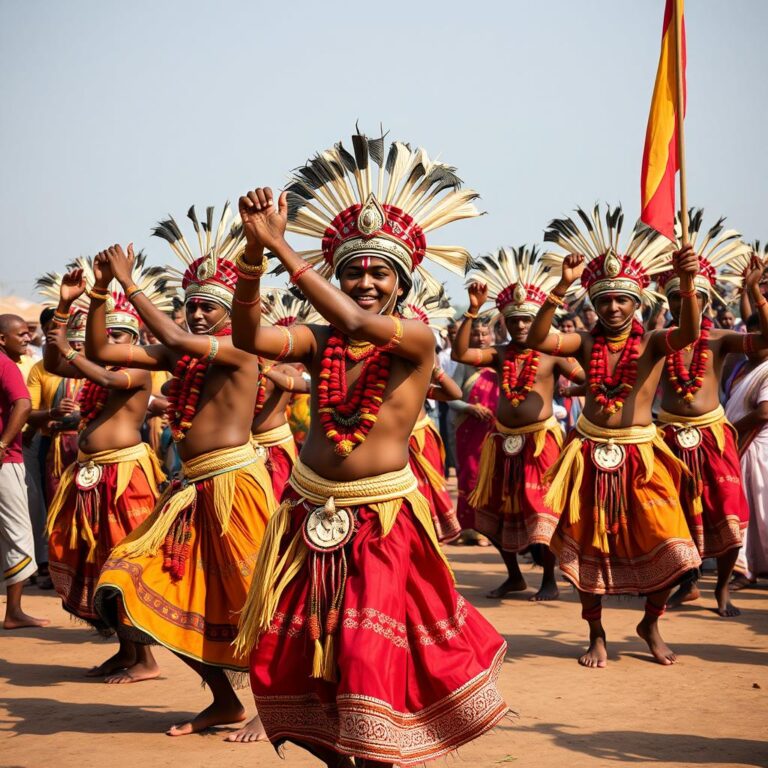
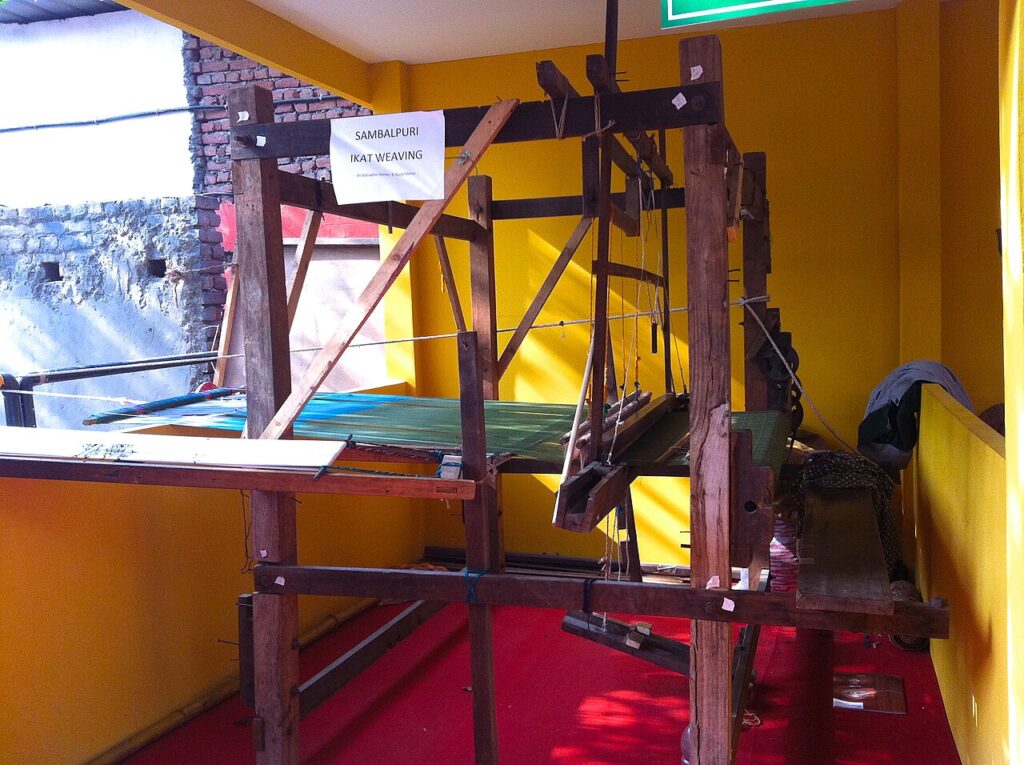
ସମ୍ବଲପୁରୀ ଇକାଟ, ଯାହା ଓଡ଼ିଶାର ପଶ୍ଚିମ ଅଞ୍ଚଳରେ ବନ୍ଧା ନାମରେ ଜଣାଶୁଣା, ଏକ ପ୍ରାଚୀନ ବସ୍ତ୍ର ନିର୍ମାଣ କଳା ଯାହା ଶତ ଶତ ବର୍ଷ ଧରି ଓଡ଼ିଶାର ବୁଣାକାର ସମ୍ପ୍ରଦାୟର ଜୀବିକା ଓ ଗର୍ବର ପ୍ରତୀକ। ଏହି ଅନନ୍ୟ ବସ୍ତ୍ରକଳାରେ ସୂତାକୁ ବୁଣିବା ପୂର୍ବରୁ ରଙ୍ଗ କରାଯାଏ — ଅର୍ଥାତ୍ ତନ୍ତୁ ଓ ବାନା ଉଭୟକୁ ଟାଇ-ଡାଇ କରାଯାଏ ଏବଂ ତା’ପରେ ବୁଣାଯାଏ। ଏହା ଫଳରେ ବସ୍ତ୍ରର ଉଭୟ ପାର୍ଶ୍ୱରେ ଏକା ଡିଜାଇନ୍ ଦେଖାଯାଏ — ଏହା ହିଁ ଏହାର ସବୁଠାରୁ ବଡ଼ ବୈଶିଷ୍ଟ୍ୟ। ସମ୍ବଲପୁର, ବରଗଡ଼, ବଲାଙ୍ଗିର, ବୌଦ୍ଧ ଏବଂ ସୋନପୁର ଜିଲ୍ଲାରେ ଏହି ବସ୍ତ୍ର ତିଆରି ହୁଏ।Sambalpuri Ikat, known as “Bandha” in western Odisha, is an ancient textile art that has been the livelihood and pride of Odisha’s weaving community for centuries. In this unique craft, the yarns are tie-dyed before weaving — both warp and weft threads are tied and dyed, then woven together. This produces identical designs on both sides of the fabric — its most distinctive feature. The textile is produced across Sambalpur, Bargarh, Balangir, Boudh, and Sonepur districts of Odisha.
ଐତିହାସିକ ପୃଷ୍ଠଭୂମିHistorical Background
ବିଶ୍ୱାସ କରାଯାଏ ଯେ ଏହି କଳା ୧୧୯୨ ଖ୍ରୀଷ୍ଟାବ୍ଦରେ ଭୁଲିଆ ସମ୍ପ୍ରଦାୟ ସହିତ ଓଡ଼ିଶାକୁ ଆସିଥିଲା, ଯେତେବେଳେ ଚୌହାଣ ସାମ୍ରାଜ୍ୟର ପତନ ପରେ ମୁଗଲମାନଙ୍କଠାରୁ ବଞ୍ଚିବା ପାଇଁ ଉତ୍ତର ଭାରତରୁ ପଳାୟନ କରିଥିଲେ। ସେମାନେ ପଶ୍ଚିମ ଓଡ଼ିଶାରେ ବସବାସ କଲେ ଏବଂ ସେମାନଙ୍କ ବୁଣାକାରୀ ଦକ୍ଷତା ସହିତ ଏହି ଅଞ୍ଚଳରେ ଏକ ନୂଆ ବସ୍ତ୍ର ପରମ୍ପରା ସୃଷ୍ଟି କଲେ। ପ୍ରାରମ୍ଭରେ କେବଳ ପ୍ରାକୃତିକ ରଙ୍ଗରେ ସୀମିତ ଡିଜାଇନ୍ ତିଆରି ହେଉଥିଲା, ମୁଖ୍ୟତଃ ସାଢ଼ୀ ରୂପେ ବ୍ୟବହୃତ ହେଉଥିଲା। ୧୯୨୫ ପର୍ଯ୍ୟନ୍ତ ଏହି କଳା କେବଳ କିଛି ନିର୍ଦ୍ଦିଷ୍ଟ ଡିଜାଇନ୍ ଏବଂ ପ୍ରାକୃତିକ ରଙ୍ଗରେ ସୀମିତ ଥିଲା।It is believed that this art migrated to Odisha in 1192 AD with the Bhulia community, who fled northern India after the fall of the Chauhan empire to the Mughals. They settled in western Odisha and established a new textile tradition with their weaving skills. Initially, only limited designs were created using natural vegetable dyes, primarily for sarees worn by local women. Until 1925, the craft remained restricted to a few traditional patterns and natural colours.
ଶ୍ରୀ ରାଧାଶ୍ୟାମ ମେହେର ଏହି କଳାରେ ବୈପ୍ଳବିକ ଉନ୍ନତି ଆଣିଥିଲେ। ପଦ୍ମଶ୍ରୀ କୈଳାଶ ଚନ୍ଦ୍ର ମେହେର, ପଦ୍ମଶ୍ରୀ କୁଞ୍ଜ ବିହାରୀ ମେହେର, ପଦ୍ମଶ୍ରୀ ଚତୁର୍ଭୁଜ ମେହେର ଏବଂ ପଦ୍ମଶ୍ରୀ କୃତାର୍ଥ ଆଚାର୍ଯ୍ୟ ଏହି କଳାକୁ ନୂଆ ଉଚ୍ଚତାକୁ ନେଇଥିଲେ। ସେମାନଙ୍କ ପ୍ରୟାସରେ ସମ୍ବଲପୁରୀ ବସ୍ତ୍ର ଆଜି ସାରା ବିଶ୍ୱରେ ପରିଚିତ।Sri Radhashyam Meher brought revolutionary improvements to this craft. Padmashree Kailash Chandra Meher, Padmashree Kunja Bihari Meher, Padmashree Chatrubhuja Meher, and Padmashree Krutharth Acharya elevated this art to new heights. Thanks to their efforts, Sambalpuri textiles are now recognised worldwide.
ବନ୍ଧା କଳା: ଇକାଟ କୌଶଳThe Bandha Art: Ikat Technique
ବନ୍ଧା ବା ଇକାଟ କଳାରେ ସୂତାକୁ ବୁଣିବା ପୂର୍ବରୁ ନିର୍ଦ୍ଦିଷ୍ଟ ପ୍ରକ୍ରିୟାରେ ଟାଇ-ଡାଇ କରାଯାଏ। ପ୍ରଥମେ ସୂତାର ଯେଉଁ ଅଂଶ ରଙ୍ଗ ହେବା ନାହିଁ, ସେଥିରେ ସୂତା ବାନ୍ଧି ଦିଆଯାଏ। ତା’ପରେ ସମଗ୍ର ସୂତାକୁ ରଙ୍ଗରେ ବୁଡାଯାଏ। ବନ୍ଧା ହୋଇଥିବା ଅଂଶ ରଙ୍ଗ ଗ୍ରହଣ କରେ ନାହିଁ। ଏହି ପ୍ରକ୍ରିୟା ବହୁତ ସମୟ ନେଇଥାଏ — ଗୋଟିଏ ସାଢ଼ୀ ପାଇଁ ବାରମ୍ବାର ଟାଇ-ଡାଇ ଆବଶ୍ୟକ ହୋଇପାରେ ଏବଂ ଏହା ୨-୩ ସପ୍ତାହ ସମୟ ନେଇପାରେ। ବସ୍ତ୍ର ରଙ୍ଗ ହେବା ପରେ କେବେବି ବ୍ଲିଚ୍ କରାଯାଇପାରେ ନାହିଁ — ଏହା ଏହି କଳାର ସ୍ୱାତନ୍ତ୍ର୍ୟ।In the Bandha or Ikat technique, yarns are tie-dyed before weaving through a specific process. First, the portions of yarn that should not absorb dye are tightly bound with thread. Then the entire yarn is immersed in dye. The bound sections resist the dye. This process is extremely time-consuming — a single saree may require multiple rounds of tie-dye and can take 2-3 weeks to complete. Once the fabric is dyed, it can never be bleached into another colour — this is the uniqueness of this art.
ଏହି ବହୁମୁଖୀ କୌଶଳ ବୁଣାକାରଙ୍କୁ ବସ୍ତ୍ରରେ ରଙ୍ଗୀନ ଡିଜାଇନ୍, ପ୍ରତୀକ ଏବଂ ଚିତ୍ର ସୃଷ୍ଟି କରିବାକୁ ସକ୍ଷମ କରାଏ। ପରମ୍ପରାଗତ ଭାବରେ ବୁଣାକାରମାନେ ଫୁଲ, ପଶୁ, ପକ୍ଷୀ ଏବଂ ଜ୍ୟାମିତିକ ପ୍ରକ୍ରିୟା ବନ୍ଧାରେ ସୃଷ୍ଟି କରୁଥିଲେ। ଆଧୁନିକ କାଳରେ ପ୍ରତିକୃତି, ପ୍ରାକୃତିକ ଦୃଶ୍ୟ ଏବଂ ଫୁଲର ଡିଜାଇନ୍ ମଧ୍ୟ ତିଆରି ହେଉଛି।This versatile technique enables weavers to create colourful designs, symbols, and images in the fabric. Traditionally, craftsmen created Bandhas with images of flowers, animals, birds, and geometric patterns. In modern times, portraits, landscapes, and contemporary floral designs are also being created.
ପରମ୍ପରାଗତ ମୋଟିଫ୍ ଓ ସାଂସ୍କୃତିକ ମହତ୍ୱTraditional Motifs and Cultural Significance
ସମ୍ବଲପୁରୀ ବସ୍ତ୍ରରେ ବ୍ୟବହୃତ ମୋଟିଫ୍ ଗୁଡ଼ିକ ଓଡ଼ିଆ ସଂସ୍କୃତି ସହିତ ଗଭୀର ଭାବରେ ଜଡିତ। ଶଙ୍ଖ (କଙ୍କ), ଚକ୍ର (ଚକ), ଫୁଲ — ଏହି ତିନିଟି ମୁଖ୍ୟ ମୋଟିଫ୍ ଜଗନ୍ନାଥ ସଂସ୍କୃତି ସହିତ ସମ୍ପର୍କିତ। ଲାଲ, କଳା ଏବଂ ଧଳା ରଙ୍ଗ ଜଗନ୍ନାଥଙ୍କ ମୁଖମଣ୍ଡଳର ରଙ୍ଗକୁ ପ୍ରତିନିଧିତ୍ୱ କରେ। ଜଗନ୍ନାଥ ମନ୍ଦିର ପୁରୀ ସହିତ ଏହି ରଙ୍ଗର ଆଧ୍ୟାତ୍ମିକ ସମ୍ପର୍କ ଅଛି। ବସ୍ତ୍ରରେ ମାଛ, ହାତୀ, ହରିଣ, ଏବଂ କୋଣାର୍କ ମନ୍ଦିର ଶୈଳୀର ଜ୍ୟାମିତିକ ପ୍ରକ୍ରିୟା ମଧ୍ୟ ଦେଖାଯାଏ।The motifs used in Sambalpuri textiles are deeply connected to Odia culture. Shankha (conch), chakra (wheel), and phula (flower) — these three primary motifs are associated with Jagannath culture. The colours red, black, and white represent the face of Lord Jagannath. These colours have a spiritual connection with the Jagannath Temple Puri. The textiles also feature fish, elephants, deer, and geometric patterns inspired by the Konark temple architecture.
ବିବାହ, ପୂଜା, ପର୍ବ ଏବଂ ଅନ୍ୟାନ୍ୟ ଶୁଭ ଅନୁଷ୍ଠାନରେ ସମ୍ବଲପୁରୀ ଶାଢ଼ୀ ଅତ୍ୟନ୍ତ ଗୁରୁତ୍ୱପୂର୍ଣ୍ଣ। ଓଡ଼ିଶାର ପ୍ରତିଟି ବିବାହରେ କନ୍ୟାଙ୍କୁ ସମ୍ବଲପୁରୀ ଶାଢ଼ୀ ଉପହାର ଦିଆଯିବା ଏକ ପରମ୍ପରା। ଏହା କେବଳ ବସ୍ତ୍ର ନୁହେଁ — ଏହା ଓଡ଼ିଆ ପରିଚୟର ପ୍ରତୀକ।Sambalpuri sarees are extremely important for weddings, pujas, festivals, and other auspicious ceremonies. Gifting a Sambalpuri saree to the bride at every Odia wedding is a cherished tradition. It is not merely a garment — it is a symbol of Odia identity.
ସମ୍ବଲପୁରୀ ବସ୍ତ୍ରର ପ୍ରକାରଭେଦVarieties of Sambalpuri Textiles
ସମ୍ବଲପୁରୀ ବସ୍ତ୍ର ଅନେକ ପ୍ରକାରର ଅଟେ, ପ୍ରତ୍ୟେକ ନିଜସ୍ୱ ବୈଶିଷ୍ଟ୍ୟ ସହିତ:Sambalpuri textiles come in many varieties, each with its own distinctive character:
ସୋନେପୁରୀ ପାଟ: ସୋନପୁର ଜିଲ୍ଲାରେ ତିଆରି ଏହି ରେଶମ ଶାଢ଼ୀ ଅତ୍ୟନ୍ତ ମସୃଣ ଏବଂ ଚମକପୂର୍ଣ୍ଣ। ବିଶେଷ ଅବସରରେ ଏହାର ବ୍ୟବହାର ହୁଏ।Sonepuri Pata: Made in Sonepur district, these silk sarees are extremely smooth and lustrous. They are worn on special occasions.
ବମ୍କାଇ (Bomkai): ଗଞ୍ଜାମ ଜିଲ୍ଲାର ବମ୍ବକାଇରେ ତିଆରି, ଏହା ଆଧୁନିକ ଡିଜାଇନ୍ ସହିତ ପରମ୍ପରାଗତ ବନ୍ଧା କଳାର ସମିଶ୍ରଣ। ଏହା ବହୁତ ଦ୍ରୁତ ଲୋକପ୍ରିୟତା ଅର୍ଜନ କରିଛି।Bomkai: Produced in Bomkai of Ganjam district, it combines traditional Bandha art with modern designs. It has gained immense popularity rapidly.
ପାସାପାଲି: ଏହାର ନାମ ପାସା (ଜୁଆ) ଖେଳରୁ ଆସିଛି। ବର୍ଗାକାର ଚେକ୍ ଡିଜାଇନ୍ ଏହାର ବୈଶିଷ୍ଟ୍ୟ। ବରଗଡ଼ ଜିଲ୍ଲାରେ ଏହା ମୁଖ୍ୟତଃ ତିଆରି ହୁଏ।Pasapali: Named after “pasa” (gambling game), its distinctive feature is square checkered designs. It is primarily woven in Bargarh district.
ବପ୍ତା: ଏହା ଲୁଗା ଏବଂ ରେଶମର ମିଶ୍ରଣରେ ତିଆରି, ବିଶେଷ ଉତ୍ସବ ପାଇଁ ବ୍ୟବହୃତ।Bapta: Made from a blend of cotton and silk, it is used for special festivals.
ବରପାଲି: ବରପାଲି ଅଞ୍ଚଳରେ ତିଆରି ଏହି ବସ୍ତ୍ର ସୂକ୍ଷ୍ମ ବୁଣାକାରୀ ପାଇଁ ପ୍ରସିଦ୍ଧ। ଏହା ବହୁତ ବର୍ଷ ଧରି ଚଳିଆସୁଛି।Barpali: Produced in the Barpali area, this textile is renowned for its fine weaving. It has been practised for many generations.
ଭୌଗୋଳିକ ନିର୍ଦ୍ଦେଶକ (GI) ଟ୍ୟାଗ୍Geographical Indication (GI) Tag
ସମ୍ବଲପୁରୀ ବସ୍ତ୍ର ଭାରତ ସରକାରଙ୍କ ଭୌଗୋଳିକ ନିର୍ଦ୍ଦେଶକ (GI) ପଞ୍ଜିକରଣରେ ଅନ୍ତର୍ଭୁକ୍ତ। ଏହି GI ଟ୍ୟାଗ୍ ବୁଣାକାରଙ୍କ ଜୀବିକା ରକ୍ଷା କରେ ଏବଂ ନକଲି ବସ୍ତ୍ରଠାରୁ ରକ୍ଷା କରେ। ବରମ୍ପୁର ପାଟ (ବରମ୍ପୁର ପଟ୍ଟ) ମଧ୍ୟ GI ପଞ୍ଜିକରଣରେ ଅଛି। ଏହି ମାନ୍ୟତା ପାଇଁ ଓଡ଼ିଶାର ହସ୍ତତନ୍ତ ବୁଣାକାରମାନେ ଗର୍ବିତ।Sambalpuri textiles are included in the Government of India’s Geographical Indication (GI) registry. This GI tag protects the livelihoods of weavers and guards against imitation textiles. Berhampur Patta (Berhampur Pattu) is also GI-registered. The handloom weavers of Odisha take great pride in this recognition.
ବୁଣାକାରୀ ପ୍ରକ୍ରିୟାThe Weaving Process
ସମ୍ବଲପୁରୀ ଶାଢ଼ୀ ତିଆରି କରିବା ଏକ ଦୀର୍ଘ ଏବଂ ସୂକ୍ଷ୍ମ ପ୍ରକ୍ରିୟା। ପ୍ରଥମେ ସୂତା ବାଛିବା, ତା’ପରେ ଡିଜାଇନ୍ ଅନୁଯାୟୀ ସୂତା ବାନ୍ଧିବା (ଟାଇ-ଡାଇ), ରଙ୍ଗ କରିବା, ଶୁଖାଇବା, ତାହା ପରେ ତନ୍ତୁ ସବୁ ସଜାଇ ବୁଣିବା ଆରମ୍ଭ କରାଯାଏ। ଗୋଟିଏ ସାଢ଼ୀ ପାଇଁ ସମ୍ପୂର୍ଣ୍ଣ ପ୍ରକ୍ରିୟା ୨-୪ ସପ୍ତାହ ଲାଗିପାରେ। ବୁଣାକାର ପରିବାରର ସମସ୍ତେ ଏହି କାମରେ ସାହାଯ୍ୟ କରନ୍ତି — ମହିଳାମାନେ ସୂତା ବାନ୍ଧନ୍ତି, ପୁରୁଷମାନେ ବୁଣନ୍ତି। ଏହା ଏକ ପାରିବାରିକ କାମ — ପିଲାଠାରୁ ବୁଢା ସବୁଙ୍କର ଅବଦାନ।Making a Sambalpuri saree is a long and intricate process. First comes yarn selection, then tying the yarn according to the design (tie-dye), dyeing, drying, and finally arranging the threads and beginning to weave. The complete process for one saree can take 2-4 weeks. The entire weaver family participates — women tie the yarns while men weave. It is a family craft, with contribution from children to elders.
ଆଧୁନିକ ବଜାର ଓ ଅର୍ଥନୈତିକ ପ୍ରଭାବModern Market and Economic Impact
୧୯୮୦ ଦଶକରେ ତତ୍କାଳୀନ ପ୍ରଧାନମନ୍ତ୍ରୀ ଇନ୍ଦିରା ଗାନ୍ଧୀ ସମ୍ବଲପୁରୀ ଶାଢ଼ୀ ପିନ୍ଧିବା ଆରମ୍ଭ କଲା ପରେ ଏହା ରାଜ୍ୟ ବାହାରେ ଲୋକପ୍ରିୟ ହେଲା। ୧୯୮୦ ଏବଂ ୧୯୯୦ ଦଶକରେ ଏହା ସାରା ଭାରତରେ ଲୋକପ୍ରିୟ ହେଲା। ଆଜି ସମ୍ବଲପୁରୀ ବସ୍ତ୍ର କେବଳ ଶାଢ଼ୀ ନୁହେଁ — ଫର୍ନିଚର କାପଡ଼, ଡ୍ରେସ ମଟେରିଆଲ୍, ରେଶମ, ସୁତା ଏବଂ ମର୍ସରାଇଜଡ୍ କଟନ୍ ରେ ମଧ୍ୟ ଉପଲବ୍ଧ। ପଟଚିତ୍ର କଳା ପରି ସମ୍ବଲପୁରୀ ବନ୍ଧା ମଧ୍ୟ ଓଡ଼ିଶାର ହସ୍ତକଳା ଐତିହ୍ୟର ଅଂଶ।In the 1980s, when the then Prime Minister Indira Gandhi started wearing Sambalpuri sarees, they became popular outside Odisha. During the 1980s and 1990s, they gained popularity across India. Today, Sambalpuri textiles are not limited to sarees — they are available as furnishing fabrics, dress materials, and in silk, cotton, and mercerised cotton varieties. Like Pattachitra art, Sambalpuri Bandha is an integral part of Odisha’s handicraft heritage.
ପଶ୍ଚିମ ଓଡ଼ିଶାରେ ହାଜାର ହାଜାର ପରିବାର ସିଧା ବା ପରୋକ୍ଷ ଭାବରେ ଏହି ବସ୍ତ୍ର ଶିଳ୍ପ ଉପରେ ନିର୍ଭରଶୀଳ। ବୁଣାକାର ସମାଜ, ରଙ୍ଗକାର, ଡିଜାଇନର — ସମସ୍ତେ ଏହି ଶୃଙ୍ଖଳର ଅଂଶ। ଜିଲ୍ଲା ବାହାରକୁ ଏବଂ ବିଦେଶକୁ ମଧ୍ୟ ରପ୍ତାନି ହୁଏ। ଅନେକ ସରକାରୀ ଓ ବେସରକାରୀ ସଂଗଠନ ବୁଣାକାରଙ୍କୁ ସହାୟତା ପ୍ରଦାନ କରୁଛନ୍ତି।Thousands of families in western Odisha depend directly or indirectly on this textile industry. Weavers, dyers, designers — everyone is part of this chain. The textiles are also exported outside the district and abroad. Many government and private organisations provide support to weavers.
ପ୍ରସିଦ୍ଧ ବୁଣାକାରRenowned Weavers
ସମ୍ବଲପୁରୀ ବସ୍ତ୍ରର ବିକାଶରେ ଅନେକ ବିଶିଷ୍ଟ ବ୍ୟକ୍ତିଙ୍କ ଅବଦାନ ରହିଛି। ଶ୍ରୀ ରାଧାଶ୍ୟାମ ମେହେର ଏହି କଳାରେ ବୈପ୍ଳବିକ ଉନ୍ନତି ଆଣିଥିଲେ। ପଦ୍ମଶ୍ରୀ କୈଳାଶ ଚନ୍ଦ୍ର ମେହେର, ପଦ୍ମଶ୍ରୀ କୁଞ୍ଜ ବିହାରୀ ମେହେର, ପଦ୍ମଶ୍ରୀ ଚତୁର୍ଭୁଜ ମେହେର ଏବଂ ପଦ୍ମଶ୍ରୀ କୃତାର୍ଥ ଆଚାର୍ଯ୍ୟ — ଏହି ସମସ୍ତ ମହାନ ବ୍ୟକ୍ତି ସମ୍ବଲପୁରୀ ବସ୍ତ୍ରକୁ ବିଶ୍ୱ ଦରବାରରେ ସ୍ଥାନ ଦେଇଛନ୍ତି। ହସ୍ତତନ୍ତ ଟେକ୍ନୋଲୋଜିଷ୍ଟ ଶ୍ରୀ ରାମକୃଷ୍ଣ ମେହେର ମଧ୍ୟ ଏହି ଶିଳ୍ପର ଆଧୁନିକୀକରଣରେ ଗୁରୁତ୍ୱପୂର୍ଣ୍ଣ ଭୂମିକା ଗ୍ରହଣ କରିଛନ୍ତି।Many distinguished individuals have contributed to the development of Sambalpuri textiles. Sri Radhashyam Meher brought revolutionary improvements to this craft. Padmashree Kailash Chandra Meher, Padmashree Kunja Bihari Meher, Padmashree Chatrubhuja Meher, and Padmashree Krutharth Acharya — all these great personalities have placed Sambalpuri textiles on the world stage. Handloom technologist Sri Ramkrishna Meher has also played a crucial role in modernising this industry.
ଆଧୁନିକ ପ୍ରସଙ୍ଗ ଓ ଭବିଷ୍ୟତModern Context and Future
ଆଜି ସମ୍ବଲପୁରୀ ବସ୍ତ୍ର ଅନେକ ଆହ୍ୱାନର ସାମ୍ନା କରୁଛି। ଯନ୍ତ୍ରଚାଳିତ ବସ୍ତ୍ରର ପ୍ରତିଯୋଗିତା, ବୁଣାକାରଙ୍କ ହ୍ରାସୀୟ ସଂଖ୍ୟା, ଏବଂ ନୂଆ ପିଢ଼ିର ଅନିହା — ଏହି ସମସ୍ତ ଗୁରୁତର ସମସ୍ୟା। କିନ୍ତୁ ଇ-କମର୍ସ ଏବଂ ସୋସିଆଲ ମିଡିଆ ଯୋଗୁଁ ସମ୍ବଲପୁରୀ ବସ୍ତ୍ର ବିଶ୍ୱର ବହୁତ ଦେଶରେ ପହଞ୍ଚିଛି। ନୂଆ ଡିଜାଇନ୍, ଆଧୁନିକ ରଙ୍ଗ ଏବଂ ଫ୍ୟାଶନ୍ ଇଣ୍ଡଷ୍ଟ୍ରୀ ସହିତ ସହଯୋଗ ଏହି କଳାକୁ ବଞ୍ଚାଇ ରଖିବାରେ ସାହାଯ୍ୟ କରୁଛି। ଓଡ଼ିଶା ସରକାରଙ୍କ ବିଭିନ୍ନ ଯୋଜନା ବୁଣାକାରଙ୍କୁ ଋଣ, ତାଲିମ ଏବଂ ବଜାର ସୁବିଧା ପ୍ରଦାନ କରୁଛନ୍ତି।Today, Sambalpuri textiles face many challenges — competition from machine-made textiles, declining number of weavers, and lack of interest from the new generation. However, e-commerce and social media have helped Sambalpuri textiles reach many countries worldwide. New designs, modern colours, and collaborations with the fashion industry are helping preserve this art. Various Odisha government schemes provide loans, training, and market access to weavers.
ସମ୍ବଲପୁରୀ ବନ୍ଧା କେବଳ ଏକ ବସ୍ତ୍ର ନୁହେଁ — ଏହା ଓଡ଼ିଶାର ଆତ୍ମସମ୍ମାନର ପ୍ରତୀକ। ଯେତେବେଳେ ଜଣେ ଓଡ଼ିଆ ସମ୍ବଲପୁରୀ ଶାଢ଼ୀ ପିନ୍ଧେ, ସେ କେବଳ ବସ୍ତ୍ର ପିନ୍ଧୁନାହିଁ — ସେ ନିଜ ପରମ୍ପରା, ନିଜ ସଂସ୍କୃତି, ନିଜ ଗର୍ବକୁ ପିନ୍ଧୁଛି। ଏହି ଅନମନୀୟ କଳାକୁ ବଞ୍ଚାଇ ରଖିବା ପ୍ରତିଟି ଓଡ଼ିଆର କର୍ତ୍ତବ୍ୟ। ⚡Sambalpuri Bandha is not merely a textile — it is a symbol of Odisha’s self-respect. When an Odia wears a Sambalpuri saree, they are not just wearing a garment — they are wearing their tradition, their culture, their pride. Preserving this indomitable art is the duty of every Odia. ⚡