In English
The Soul of Western Odisha: Sambalpur City and Its Timeless Cultural Legacy
Sambalpur, the crown jewel of Western Odisha, stands as a magnificent testament to the resilience, artistry, and spiritual depth of the Kosali civilization. Nestled along the banks of the mighty Mahanadi, this ancient city has served as the cultural capital of a region that predates many modern Indian states in its historical significance. Unlike the coastal plains of Odisha that drew influences from maritime trade and temple architecture of the Kalinga tradition, Sambalpur and its surrounding territories evolved through a distinct trajectory shaped by tribal heritage, agrarian wisdom, riverine geography, and a fierce spirit of independence. The city is not merely an urban settlement but a living museum of Kosali identity, where every thread of fabric, every note of music, and every stone of its temples narrates stories of a civilization that refused to be erased by the tides of political change. Understanding Sambalpur is essentially understanding the heartbeat of Western Odisha, a region that contributes an irreplaceable chapter to the larger narrative of Indian cultural diversity.
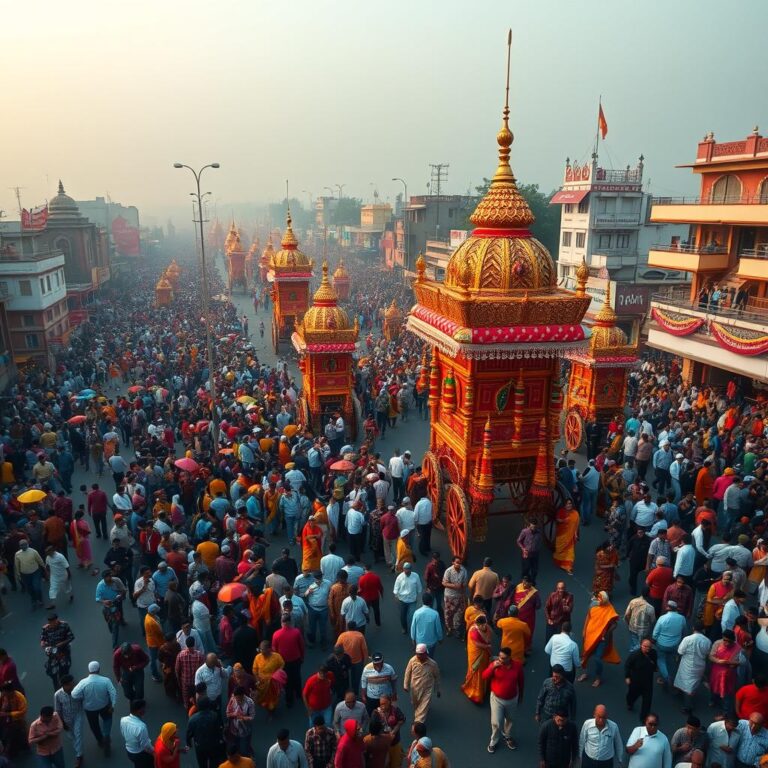
ଚନ୍ଦନ ଯାତ୍ରା: ପୁରୀର ଚନ୍ଦନ ଉତ୍ସବChandan Yatra: The Sandalwood Festival of Puri
Samaleswari Temple: The Spiritual Anchor of Kosali Civilization
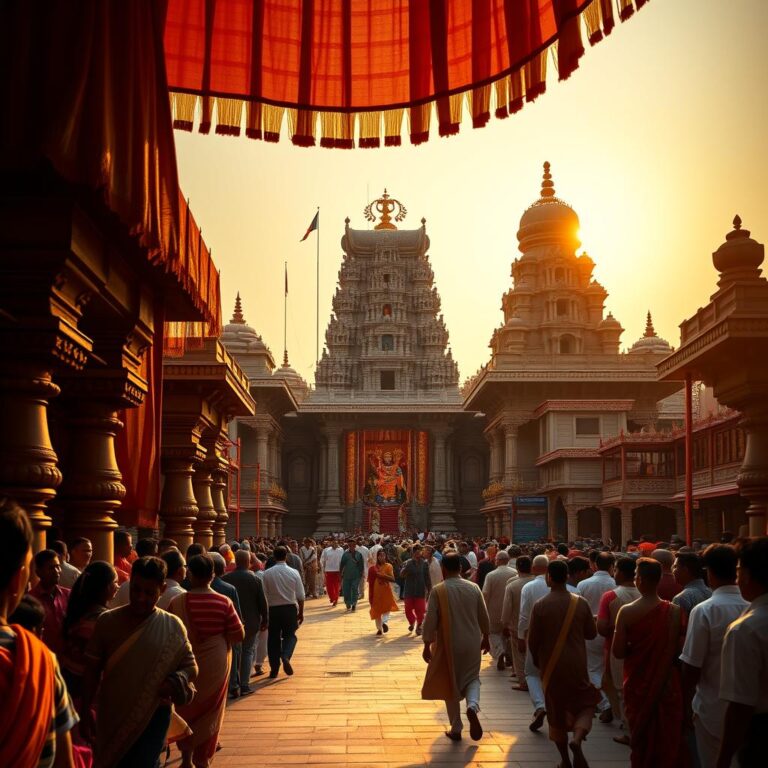
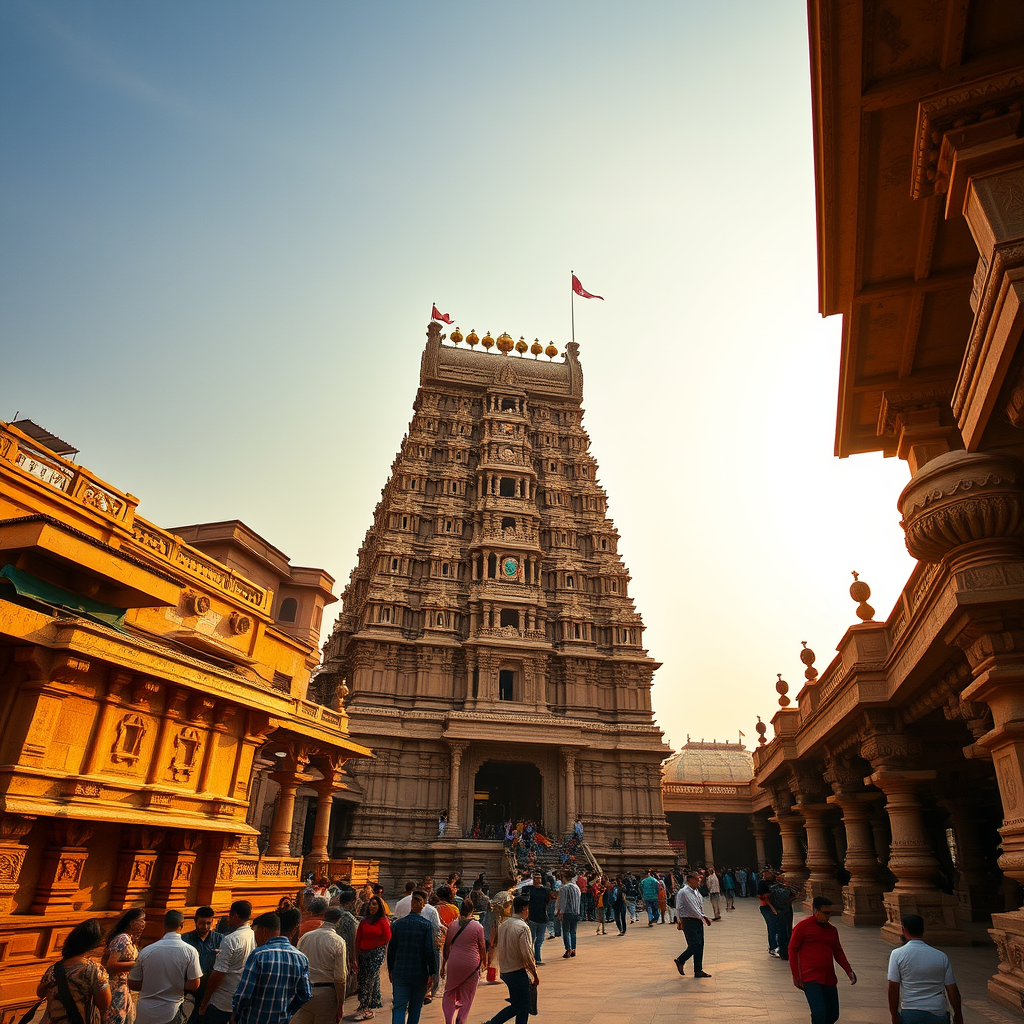
At the epicenter of Sambalpur’s spiritual and cultural life stands the revered Samaleswari Temple, dedicated to Goddess Samalei, the presiding deity of the entire region. Unlike the classical Odia temple architecture seen in Puri or Bhubaneswar, the Samaleswari Temple reflects an indigenous aesthetic that bridges Brahminical Hindu traditions with deep-rooted tribal worship practices. The goddess is not depicted in conventional idol form but is worshipped as a massive block of granite, a practice that anthropologists trace back to the animistic traditions of the local tribes who originally inhabited the Mahanadi valley. This syncretic character makes Samaleswari a uniquely Kosali deity, one who is simultaneously mother, protector, and cultural unifier. The temple complex, believed to have been constructed during the reign of the Chauhan dynasty in the sixteenth century, has survived invasions, natural calamities, and the passage of centuries without losing its sanctity. During the festival of Nuakhai, which marks the consumption of newly harvested rice, thousands of devotees from across Western Odisha converge at this temple to offer their first grains to the goddess, reinforcing the sacred bond between agriculture, spirituality, and community identity that defines Kosali life.
Sambalpuri Textiles: Where Every Thread Tells a Story
Sambalpur’s global recognition owes much to its extraordinary textile tradition, particularly the Sambalpuri Ikat, a handloom technique that has no parallel in the world of fabric arts. The creation of a single Sambalpuri saree involves an painstaking process where threads are first tied and dyed according to complex patterns before being woven on a pit loom, a technique known as bandha in the local Kosali language. Master weavers from villages like Bargarh, Sonepur, and Sagarpali have preserved this craft for generations, creating motifs that draw inspiration from nature, mythology, and everyday life of the region. The conch shell, lotus, fish, deer, and traditional geometric patterns like the kumbha and phula are not merely decorative elements but encode cultural meanings specific to Kosali society. What distinguishes Sambalpuri textiles from other Indian weaving traditions is the mathematical precision required in the tie-and-dye process; a single error in wrapping the threads can misalign the entire pattern, which means that every finished saree represents hundreds of hours of calculated artistic labor. The GI tag awarded to Sambalpuri Bandha has rightfully positioned it as a national treasure, but beyond commercial recognition, these textiles serve as the most visible ambassador of Kosali identity, worn with pride by people across Odisha and beyond during festivals, weddings, and cultural gatherings.
Sambalpuri Language and Music: The Voice of a Distinct Identity
The linguistic identity of Sambalpur and Western Odisha has been a subject of scholarly debate and political assertion for decades. The Sambalpuri language, which linguists classify as part of the wider Indo-Aryan family but distinct from standard Odia, carries within its vocabulary and syntax traces of the region’s tribal, Dravidian, and Sanskritic heritage. Words borrowed from the Munda and Dravidian language families coexist with Sanskrit-derived terms, creating a linguistic mosaic that reflects the region’s history of cultural amalgamation. The demand for recognition of Sambalpuri as a separate language in the Eighth Schedule of the Indian Constitution remains a powerful movement, driven by the belief that linguistic recognition is essential for preserving the unique worldview embedded in Kosali expression. This linguistic distinctiveness finds its most vibrant expression in Sambalpuri music, which has transcended regional boundaries to achieve national popularity. The traditional Dalkhai dance, performed by young women during festivals, features songs that explore themes of love, nature, and social commentary with a boldness that is rare in folk traditions. The Rangabati song, composed in the 1970s, became an anthem that introduced Sambalpuri folk music to audiences across India, proving that the rhythmic vitality and melodic richness of this tradition could compete with any contemporary musical form while retaining its authentic rural character.
Nuakhai: The Festival That Defines Kosali Social Fabric
No discussion of Sambalpur and Western Odisha can be complete without understanding Nuakhai, the agrarian festival that serves as the cultural cornerstone of Kosali society. Celebrated on the day after Ganesh Chaturthi, Nuakhai marks the ceremonial consumption of the newly harvested rice crop, making it fundamentally different from the temple-centered festivals of coastal Odisha. The festival begins with families offering the first grains to their household deities and to Samaleswari, followed by the sharing of the sacred meal among family members. What makes Nuakhai truly remarkable is its role as a social equalizer; unlike many Indian festivals that reinforce caste hierarchies through ritual restrictions, Nuakhai emphasizes horizontal social bonds, with people cutting across caste and class lines to visit each other’s homes, exchange greetings of Nuakhai Juhar, and partake in community feasts. The festival also serves as a homecoming occasion, with migrants from Sambalpur working in cities across India returning to their ancestral villages, ensuring that the economic pressures of modernization do not sever the roots that bind the Kosali diaspora to their homeland. The Bhetghat ceremony, where elders are formally greeted and respected, reinforces intergenerational continuity, while the Nuakhai Bhet Khel, the traditional folk performances that accompany the festival, provide a platform for preserving oral traditions, folk songs, and dance forms that might otherwise fade in the face of globalization.
Veer Surendra Sai: The Lion of Western Odisha
The historical consciousness of Sambalpur is indelibly shaped by the legacy of Veer Surendra Sai, the revolutionary leader who challenged British colonial rule in Western Odisha decades before the sepoy mutiny of 1857 gained national attention. Born into a royal family of Sambalpur in 1809, Surendra Sai spent nearly four decades fighting against British annexation of his homeland, employing guerrilla warfare tactics that frustrated colonial administrators and earned him a reputation as one of the most formidable adversaries of the British Empire in eastern India. His struggle was not merely a dynastic claim to the throne but represented the collective resistance of the Kosali people against external domination and cultural erasure. The British, after finally capturing him through deception in 1864, imprisoned him in Hazaribagh jail where he died in 1884, but his legacy as a martyr continued to inspire subsequent generations of freedom fighters in the region. Today, statues of Veer Surendra Sai dot the landscape of Western Odisha, and his name is invoked in political speeches, literary works, and cultural performances as the embodiment of Kosali valor and self-respect. The narrative of his resistance serves a crucial function in contemporary Sambalpur by providing historical legitimacy to the region’s assertion of distinct identity within the broader Odia cultural framework.
Hirakud Dam: Engineering Marvel and Ecological Transformation
The construction of the Hirakud Dam across the Mahanadi River, completed in 1957, represents the most dramatic transformation in Sambalpur’s modern history and one of independent India’s most ambitious infrastructure projects. Stretching over 25 kilometers in length, Hirakud was conceived as a multipurpose project designed to control the devastating floods that periodically ravaged the Mahanadi delta, generate hydroelectric power, and provide irrigation to agricultural lands across multiple districts. The dam’s reservoir, one of the largest artificial lakes in Asia, submerged hundreds of villages and displaced tens of thousands of people, many of whom belonged to tribal communities whose ancestral lands vanished beneath the rising waters. This displacement remains a sensitive subject in the region’s collective memory, as the promises of rehabilitation and prosperity made during the dam’s construction were only partially fulfilled for the affected populations. However, the dam also catalyzed Sambalpur’s transformation from a primarily agrarian and cultural center into a hub of industrial development, attracting power-intensive industries and enabling the electrification of vast rural areas. The Hirakud Wildlife Sanctuary, which developed along the reservoir’s margins, became an unexpected ecological asset, providing habitat for migratory birds and indigenous wildlife. Today, the dam stands as a complex symbol, representing both the promises and costs of India’s development trajectory, a monument to human engineering that simultaneously evokes gratitude for its benefits and mourning for what was lost in its creation.
Industrial Development: Sambalpur’s Journey into the Modern Economy
The industrial landscape of Sambalpur has evolved significantly since the construction of the Hirakud Dam, transforming the city and its surrounding areas into one of the more industrially developed regions of Odisha. The availability of cheap hydroelectric power from Hirakud attracted several major public sector enterprises, including units of the Hindalco aluminum complex, the IB Thermal Power Station, and various cement and steel manufacturing facilities. The Mahanadi Coalfields Limited, operating mines in the nearby Talcher and Ib Valley coalfields, has created extensive employment opportunities and contributed substantially to the region’s revenue generation. The industrial corridor stretching from Sambalpur to Jharsuguda and Sundargarh has emerged as a critical component of Odisha’s mineral-based economy, processing the rich deposits of coal, bauxite, iron ore, and limestone found in the region’s geological formations. This industrialization has brought visible changes to Sambalpur’s urban character, with new residential colonies, educational institutions, and commercial establishments catering to a growing middle class employed in the industrial sector. However, the benefits of industrialization have not been evenly distributed, with concerns about environmental degradation, displacement of traditional livelihoods, and the widening gap between industrial prosperity and rural poverty persisting as significant challenges. The challenge facing contemporary Sambalpur lies in reconciling its industrial ambitions with the preservation of its ecological heritage and cultural identity, ensuring that economic development does not come at the cost of the very qualities that make the region unique.
Kosali Culture: A Living Tradition in a Changing World
The broader Kosali culture of which Sambalpur is the epicenter represents a civilizational space that extends far beyond the city’s municipal boundaries, encompassing the districts of Bargarh, Balangir, Kalahandi, Nuapada, Sonepur, Jharsuguda, and parts of other neighboring districts. This cultural geography, often referred to as the Koshal region in historical texts, has maintained a distinct identity despite being administratively merged into the state of Odisha following independence. The Kosali cultural ethos is characterized by a deep connection to the land, a rich oral tradition that predates written literature, culinary practices that differ markedly from coastal Odia cuisine, and social customs that reflect the region’s history of tribal-Brahminical synthesis. The tradition of Sambalpuri folk theater, particularly the Gotipua and Danda Nata performances, preserves mythological narratives and social commentaries in forms that are simultaneously entertaining and didactic. The region’s cuisine, featuring dishes like chakuli pitha, arisa pitha, and various preparations using mahua flowers and country liquor, reflects the agricultural bounty and forest resources that have sustained Kosali communities for centuries. As Sambalpur navigates the pressures of urbanization, migration, and cultural homogenization driven by digital media, the preservation and promotion of Kosali culture has become both a passionate mission for cultural activists and a contested terrain where questions of authenticity, adaptation, and political representation are constantly being negotiated. The future of Sambalpur lies in its ability to carry forward this rich heritage while embracing the opportunities of modernity, proving that tradition and progress are not enemies but potential allies in the ongoing story of this remarkable city and its people.