ରଥଯାତ୍ରା: ପୁରୀର ମହା ଉତ୍ସବ
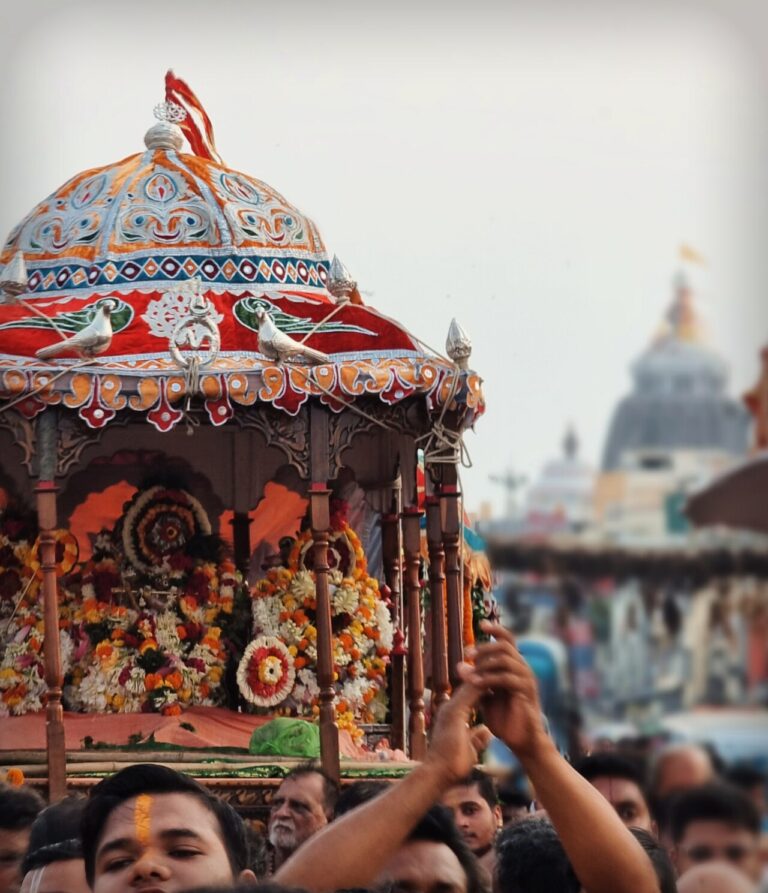
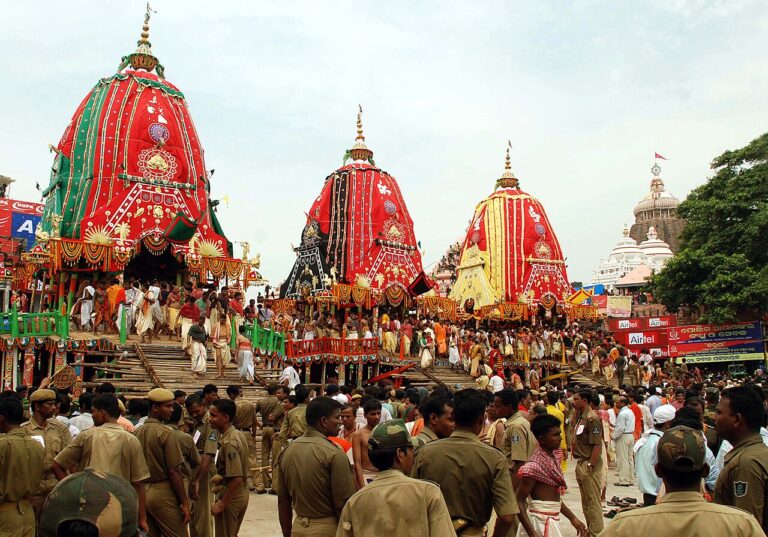
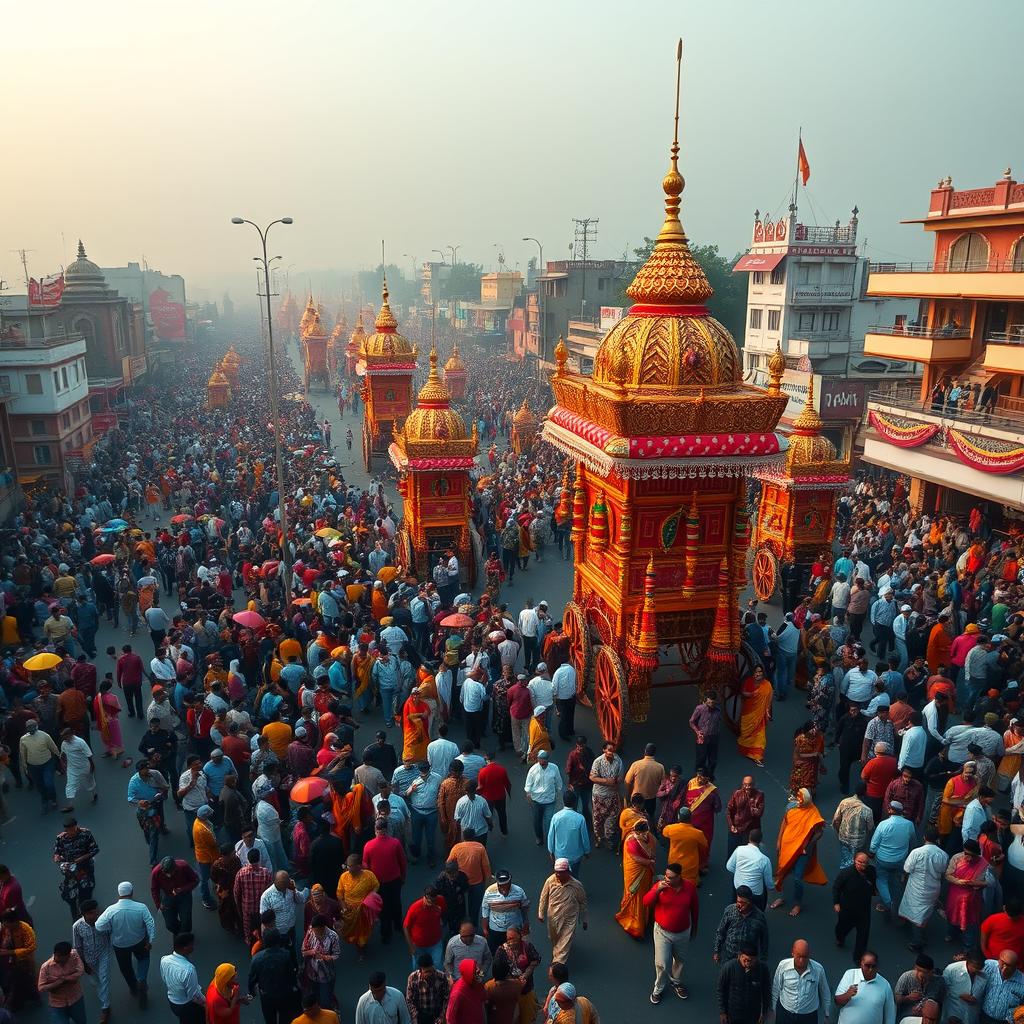
ଆଷାଢ଼ ଶୁକ୍ଳ ଦ୍ୱିତୀୟାରେ (ଜୁନ୍-ଜୁଲାଇ) ପୁରୀରେ ଅନୁଷ୍ଠିତ ରଥଯାତ୍ରା ପୃଥିବୀର ସବୁଠାରୁ ପୁରାତନ ଓ ବୃହତ୍ତମ ରଥ ଉତ୍ସବ। ଜଗନ୍ନାଥ, ବଳଭଦ୍ର ଓ ସୁଭଦ୍ରା ତିନି ବିରାଟ କାଠ ରଥରେ ଗୁଣ୍ଡିଚା ମନ୍ଦିରକୁ ଯାଆନ୍ତି — ୩ କିଲୋମିଟର ପଥରେ ଲକ୍ଷ ଲକ୍ଷ ଭକ୍ତ ରଥ ଟାଣନ୍ତି।
ତିନି ରଥ
| ରଥ | ନାମ | ଚକ୍ର | ରଙ୍ଗ |
|---|---|---|---|
| ଜଗନ୍ନାଥ | ନନ୍ଦିଘୋଷ | ୧୬ | ହଳଦିଆ-ଲାଲ |
| ବଳଭଦ୍ର | ତାଳଧ୍ୱଜ | ୧୪ | ସବୁଜ-ଲାଲ |
| ସୁଭଦ୍ରା | ଦର୍ପଦଳନ | ୧୨ | କଳା-ଲାଲ |
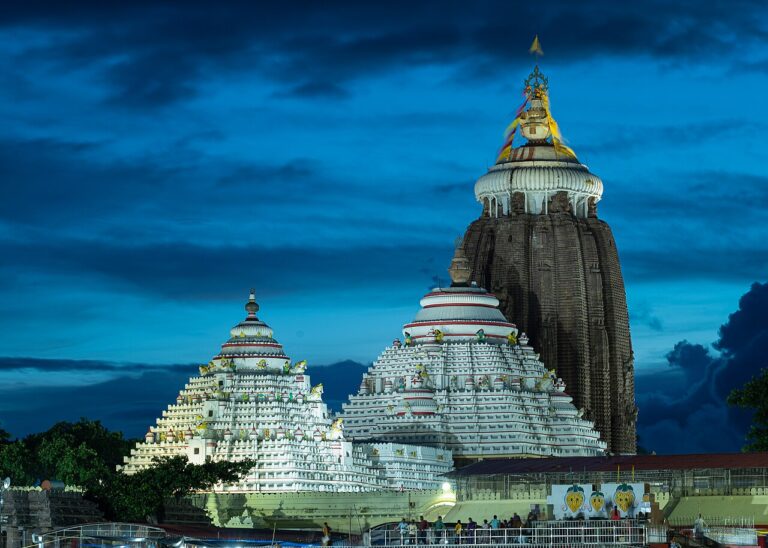
ନବକଳେବର ବର୍ଷରେ ଠାକୁରଙ୍କ ଦେହ ନୂଆ କାଠରେ ନିର୍ମିତ ହୁଏ; ଫେରିବା ଯାତ୍ରା ନୀଳାଦ୍ରି ବିଜେ; ମନ୍ଦିର ବିଷୟରେ ଅଲଗା ପ୍ରସଙ୍ଗ ଦେଖନ୍ତୁ। ଇଂରାଜୀ “juggernaut” ଶବ୍ଦ ଏହି ରଥରୁ ଆସିଛି।
In English
The Largest Kitchen in the World: A Divine Culinary Marvel
The Jagannath Temple in Puri, Odisha, houses what is universally recognized as the largest kitchen in the world. This extraordinary culinary space, known as the Rosaghara or the sacred kitchen, spans an immense area within the temple complex and has been functioning continuously for over a thousand years. The sheer scale of operations within this kitchen defies imagination and stands as a testament to the unwavering devotion of countless generations of cooks, servants, and priests who have dedicated their lives to the service of Lord Jagannath. Unlike any conventional kitchen found anywhere on the planet, the Rosaghara is not merely a place where food is prepared; it is a sacred sanctuary where cooking itself is elevated to the status of supreme worship. Every activity performed within its walls is governed by strict ritualistic codes, ancient traditions, and an unbroken lineage of culinary practices that have been passed down from father to son for centuries. The kitchen operates with a precision and discipline that would rival any modern industrial food production facility, yet it does so entirely through traditional methods that have remained unchanged since the temple’s earliest days. The walls of the Rosaghara have absorbed the prayers, chants, and devotional songs of millions of devotees over the centuries, creating an atmosphere that is palpably divine and spiritually charged beyond measure.
Chhappan Bhog: The Fifty-Six Sacred Offerings
The concept of Chhappan Bhog, meaning fifty-six offerings, represents the most elaborate and complete form of food offering presented to Lord Jagannath, Lord Balabhadra, and Devi Subhadra. This magnificent array of delicacies is prepared during special occasions, festivals, and specific ceremonial days, presenting a breathtaking variety of dishes that showcase the richness and diversity of Odia culinary tradition. The fifty-six offerings are not random selections but follow a precise categorization that includes various types of rice preparations, lentil dishes, vegetable curries, fried items, sweet preparations, cakes, and beverages. Each category contains multiple varieties, and together they create a complete meal that is believed to satisfy every possible taste and desire of the deities. The rice preparations alone include several distinct varieties such as Anna, Kanika, Ghee Anna, Dahi Pakhala, and Khira Pakhala, each prepared with specific ingredients and techniques. The dal offerings include Muga Dali, Chana Dali, and various preparations of these lentils with different temperings and spice combinations. The vegetable dishes, known as Bhaja, Bhoga, and Mahura, incorporate seasonal vegetables prepared according to strict traditional recipes. The sweet offerings are perhaps the most celebrated component of the Chhappan Bhog, featuring legendary preparations like Khaja, Laddu, Jalebi, Rasagola, Malpua, and numerous other confections that have become synonymous with the culinary identity of Puri. The preparation of Chhappan Bhog requires extraordinary coordination among hundreds of cooks and assistants, with each dish being prepared simultaneously in different sections of the kitchen under the supervision of experienced senior cooks who ensure that every item meets the exacting standards set by tradition.
Ancient Cooking Methods: Firewood and Earthen Pots
The cooking methods employed in the Jagannath Temple kitchen are a living museum of ancient culinary practices that have been preserved with remarkable fidelity over the centuries. Unlike modern kitchens that rely on gas stoves, electric heaters, or induction cooktops, the Rosaghara continues to use traditional wood-fired stoves called Chulas, which are constructed from clay and brick in specific configurations that have been standardized through generations of use. The firewood used in the kitchen is not ordinary timber but consists of specific types of wood that are considered sacred and purifying. The most commonly used wood includes that of the Mango tree, Coconut tree, Simili tree, and certain other varieties that are believed to impart a distinctive flavor to the food while also possessing ritualistic purity. The collection and preparation of this firewood is itself a carefully regulated process, with specific families having traditional rights and responsibilities associated with this task. The cooking vessels used in the kitchen are exclusively earthen pots, known as Handi or Kudua, which are procured from specific communities of potters who have been supplying these vessels to the temple for generations. These earthen pots are not reusable; every single pot is used only once and then discarded, which means that the temple requires an enormous supply of fresh pots every day. The pots are believed to absorb and retain the sacred energy of the cooking process, and their single-use policy ensures that there is no possibility of contamination or impurity from previous cooking sessions. The size of these pots varies according to the quantity of food being prepared, ranging from small individual serving pots to massive vessels that can hold enough food to feed hundreds of people from a single preparation.
The Miraculous Seven Pots Stacking Technique
Perhaps the most scientifically intriguing and spiritually mysterious aspect of the Jagannath Temple kitchen is the unique method of stacking seven earthen pots one above the other to cook multiple dishes simultaneously using a single fire. This technique, which has no parallel anywhere else in the world, involves placing seven pots in a vertical column, with the largest pot at the bottom resting directly on the fire and progressively smaller pots stacked above it. The most remarkable feature of this arrangement is that the food in the topmost pot gets cooked first, followed by the pot below it, and so on until the bottommost pot completes its cooking last. This phenomenon defies the conventional understanding of heat transfer, where one would naturally expect the pot closest to the fire to cook first. Various explanations have been offered for this miraculous occurrence, ranging from the spiritual belief that the divine will of Lord Jagannath governs the cooking process to more scientific theories involving pressure dynamics, steam circulation, and the specific thermal properties of the earthen pots used. The pots are stacked with meticulous precision, with each pot balanced perfectly on the rim of the pot below it. The gaps between the pots allow steam to circulate freely, creating a unique cooking environment where each pot functions both as a cooking vessel and as a partial lid for the pot beneath it. The method of stacking varies depending on the dishes being prepared, with experienced cooks knowing exactly how to arrange the pots for optimal cooking results. This technique not only demonstrates the extraordinary culinary knowledge developed by the temple cooks over centuries but also serves as a powerful symbol of the divine nature of the entire cooking process, where the laws of nature themselves are believed to bend in service of the Lord.
Daily Feeding of Ten Thousand Plus Devotees
The scale of food production in the Jagannath Temple kitchen is staggering by any standard, with the facility routinely preparing enough food to feed more than ten thousand devotees every single day. On festival days, special occasions, and during the annual Rath Yatra, this number can swell to fifty thousand or even more, yet the kitchen rises to the occasion with remarkable efficiency and consistency. The daily preparation begins in the early hours of the morning, with the first round of cooking starting well before dawn. The kitchen operates in multiple shifts, with different teams of cooks handling various categories of food preparation. The rice alone, which forms the staple of every meal, is prepared in quantities that would fill several large rooms, and the logistics of handling such enormous volumes of ingredients, fuel, and finished food products would challenge any modern food production system. Yet the temple kitchen accomplishes this feat day after day without the benefit of modern machinery, conveyor systems, or industrial-scale equipment. Everything is done by hand, using traditional tools and implements that have changed little over the centuries. The coordination required to produce such vast quantities of food while maintaining strict quality standards and ritualistic purity is a management marvel that has attracted the attention of researchers, organizational experts, and culinary professionals from around the world. The distribution system is equally impressive, with the prepared food being channeled through specific pathways within the temple complex to reach the designated serving areas where devotees receive their portions. Despite the enormous volumes involved, the temple maintains detailed records of every ingredient used, every dish prepared, and every portion distributed, ensuring complete transparency and accountability in the entire process.
Ananda Bazaar: The Marketplace of Divine Joy
Ananda Bazaar, which literally translates to the Market of Joy, is the designated area within the Jagannath Temple complex where the Mahaprasad is sold to devotees after it has been offered to the deities. This unique marketplace operates on principles that are fundamentally different from any commercial food selling establishment anywhere in the world. The Mahaprasad sold at Ananda Bazaar is not considered a commercial product but rather a sacred offering that devotees receive in exchange for their devotion and contribution to the temple. The prices are nominal and have remained remarkably stable over the years, ensuring that the sacred food remains accessible to people from all economic backgrounds. The sellers at Ananda Bazaar, known as Supakars and their associates, sit in rows with large brass or bell metal vessels containing different preparations of Mahaprasad. The atmosphere at Ananda Bazaar is unlike any marketplace, filled not with the aggressive haggling and commercial chatter typical of markets but with devotional chanting, the fragrance of sacred food, and an overwhelming sense of spiritual joy that gives the place its name. Devotees from every corner of India and beyond make it a point to visit Ananda Bazaar to purchase Mahaprasad, which they carry back to their homes as a blessed offering for family members who could not make the pilgrimage to Puri. The management of Ananda Bazaar follows ancient protocols regarding who can sell, what can be sold, and how the transactions should be conducted, with specific families holding traditional rights to participate in this sacred commerce. The entire area is maintained with meticulous cleanliness, and strict rules govern the handling and serving of the Mahaprasad to ensure that its sacred purity is preserved at every stage.
The Sacred Nature of Mahaprasad: Beyond Ordinary Food
Mahaprasad at the Jagannath Temple is not merely food that has been offered to a deity; it is considered to be the direct blessing of Lord Jagannath himself, transformed from ordinary ingredients into a spiritual substance that carries the divine presence and grace of the Lord. This theological understanding elevates Mahaprasad to a status that transcends all categories of food, making it an object of veneration in its own right. The preparation of Mahaprasad is governed by an elaborate code of purity that begins with the selection of ingredients and extends through every stage of the cooking and serving process. The cooks who prepare Mahaprasad must observe strict physical and ritual purity, including specific bathing requirements, dress codes, and behavioral restrictions while they are engaged in cooking activities. The water used in cooking is drawn from specific wells within the temple complex that are considered sacred, and the ingredients are sourced from suppliers who follow prescribed purity standards. Perhaps the most striking evidence of the sacred nature of Mahaprasad is the traditional belief that it never goes bad or spoils, regardless of how long it is kept. Devotees and temple authorities attest that Mahaprasad remains fresh and edible for extended periods, sometimes even days, without any preservation or refrigeration, which is seen as a clear sign of divine intervention. The consumption of Mahaprasad is believed to confer spiritual benefits including the remission of sins, the fulfillment of desires, protection from evil forces, and ultimately, liberation from the cycle of birth and death. These beliefs have been reinforced over centuries through countless personal experiences and testimonies of devotees who have felt the transformative power of consuming this sacred food.
Abadha: The Sacred Meal Experience of Jagannath Temple
Abadha is the specific term used to describe the complete meal of Mahaprasad as it is served to devotees at the Jagannath Temple, and experiencing Abadha is considered one of the most important aspects of the pilgrimage to Puri. The word Abadha itself carries deep cultural and spiritual significance, referring not just to the act of eating but to the entire ceremonial process of receiving and consuming the Lord’s blessed food in a manner that is spiritually appropriate and ritually correct. The Abadha meal typically consists of a standard set of items that include various types of rice, dal, vegetable preparations, and sweet dishes, all served together on a specific type of plate or leaf. Traditionally, Abadha is served on dried palm leaf plates or on specific types of leaves that are considered pure and appropriate for holding sacred food. The meal is served in a specific sequence, with certain items being placed on the plate before others, and devotees are expected to eat in a particular order that follows traditional protocol. The experience of partaking in Abadha is designed to be a complete sensory and spiritual engagement, where the taste of the food, the fragrance of the preparations, the atmosphere of the temple, and the consciousness of receiving divine blessing all combine to create a profoundly moving experience. Devotees who have partaken in Abadha frequently describe it as a life-changing experience that connects them directly to the divine presence of Lord Jagannath in a manner that transcends ordinary religious observance. The system of serving Abadha is organized through various categories, with different arrangements for different groups of devotees, but regardless of the specific arrangements, the essential spiritual nature of the experience remains constant. The tradition of Abadha embodies the fundamental Odia philosophical principle that the divine can be experienced directly through the ordinary acts of daily life when they are performed with devotion, awareness, and proper understanding of their sacred significance.