ଓଡ଼ିଶାର ଆଦିବାସୀ: ସମୃଦ୍ଧ ସଂସ୍କୃତି
୨୦୧୧ ଜନଗଣନା ଅନୁସାରେ ଓଡ଼ିଶାର ୬୨ଟି ତାଲିକାଭୁକ୍ତ ଜନଜାତି ରାଜ୍ୟ ଜନସଂଖ୍ୟାର ୨୨.୮%(୫+) ଲୋକଙ୍କଦ୍ୱାରା ଗଠିତ। ଏହା ଭାରତର ୭୦୦+ ଆଦିବାସୀ ଗୋଷ୍ଠୀ ମଧ୍ୟରୁ ସର୍ବବୃହତ୍ ସମୂହ।
ପ୍ରମୁଖ ଜନଜାତି
- କନ୍ଧ: ସଂଖ୍ୟା ଦୃଷ୍ଟିରୁ ବୃହତ୍ତମ; ଡଙ୍ଗରିଆ କନ୍ଧ ନିୟାମଗିରି ପାହାଡ଼ରେ।
- ସାଉରା: ଗଞ୍ଜାମ-ଗଜପତି; ଇଡ଼ିଆଳ କାନ୍ଥଚିତ୍ର ପାଇଁ ବିଶ୍ୱବିଦିତ।
- ବୋଣ୍ଡା, ଜୁଆଙ୍ଗ, ହୋ, ମୁଣ୍ଡା, ସାନ୍ତାଳ — ଭାଷା ଓ ସଂସ୍କୃତିରେ ଭିନ୍ନ।
ବିସ୍ତୃତ ଆଲୋଚନା ଆଦିବାସୀ ସଂସ୍କୃତି ଓ ଆଦିବାସୀ କଳା ପ୍ରସଙ୍ଗରେ; ଭୁବନେଶ୍ୱରର ଆଦିବାସୀ ଅନୁସନ୍ଧାନ ଅନୁଷ୍ଠାନ (SCSTRTI) ଏହି କ୍ଷେତ୍ରର ପ୍ରମୁଖ କେନ୍ଦ୍ର।
In English
The Living Heritage of Odisha’s Tribal Communities
Odisha stands as one of the most remarkable repositories of tribal heritage in the entire Indian subcontinent, home to 62 distinct Scheduled Tribes that together constitute nearly 22.85 percent of the state’s total population. These communities, spread across the length and breadth of the state but concentrated primarily in the southern, northern, and western highland regions, represent an extraordinary tapestry of human civilization that has survived and thrived through millennia. The tribal landscape of Odisha is not a monolithic entity but a brilliantly diverse mosaic where each community speaks its own language, follows its own customs, practices its own form of worship, and maintains its own unique relationship with the natural world. From the verdant hills of Niyamgiri to the dense forests of Malkangiri, from the plateau regions of Mayurbhanj to the river valleys of Sundargarh, the tribal communities of Odisha have cultivated lifestyles that are deeply embedded in their ecological surroundings, creating cultural systems that are both remarkably resilient and profoundly sophisticated in their understanding of sustainable living.
The Dongria Kondh: Guardians of Niyamgiri
Among the most iconic of Odisha’s tribal communities are the Dongria Kondh, a particularly vulnerable tribal group that inhabits the Niyamgiri hills spanning Kalahandi and Rayagada districts. The Dongria Kondh derive their name from the word “dongar,” meaning hill, and they consider themselves the literal children of Niyamraja, the supreme deity who presides over the Niyamgiri range. Their entire cosmology, social structure, and economic life revolve around the mountain ecosystem. They practice a form of shifting cultivation known as dongar chasa, growing millets, pulses, and oilseeds on the hill slopes, while also cultivating pineapple, turmeric, ginger, and a remarkable variety of medicinal plants that have formed the basis of their traditional healthcare system for centuries. The Dongria Kondh gained international recognition when they successfully resisted the attempts of a major mining corporation to extract bauxite from the Niyamgiri hills, asserting their religious and cultural rights over the sacred mountain. Their gram sabha resolutions, upheld by the Supreme Court of India, became a landmark moment in the history of tribal rights and environmental justice in the country, demonstrating that indigenous communities can successfully defend their ancestral lands against powerful industrial interests when provided with appropriate legal frameworks.
The Bonda: The Remnants of an Ancient Civilization
The Bonda tribe of Malkangiri district represents one of the most fascinating and least understood tribal communities in all of South Asia. Often described by anthropologists as one of the oldest and most primitive tribes in the Indian subcontinent, the Bonda have maintained a striking degree of cultural isolation that has allowed their traditions to survive with remarkable purity. The Bonda women, with their distinctive shaven heads adorned with colorful headbands of palmyra leaves, their multiple rows of brass and silver necklaces, and their homespun sarees that barely reach below the knee, present one of the most visually striking cultural identities in the entire tribal landscape of India. The Bonda practice a unique form of gender dynamics where women enjoy considerable economic independence, managing household finances and participating actively in market transactions. Their language, Remo, belongs to the Austroasiatic Munda family and has no written script, with all traditional knowledge being transmitted orally from generation to generation. The Bonda habitat in the Bonda Hills, characterized by steep terrain and dense forest cover, has been both their protection and their challenge, insulating them from external cultural influences while also limiting their access to modern healthcare, education, and economic opportunities.
The Major Tribal Communities: Santhal, Munda, Ho, and Oraon
The Santhal, Munda, Ho, and Oraon communities represent the numerically significant tribal groups that have historically shaped the social and political landscape of tribal Odisha, particularly in the northern and western districts. The Santhal, the third largest tribal community in the state, are predominantly found in Mayurbhanj, Balasore, and Sundargarh districts, and are renowned for their rich musical traditions, elaborate seasonal festivals, and the historic Santhal Rebellion of 1855-56 that demonstrated their fierce spirit of resistance against colonial exploitation. The Munda community, with their distinctive Gotra system and complex village governance structures known as Parha, has contributed significantly to the agricultural economy of Sundargarh and adjacent regions. The Ho tribe, concentrated in Mayurbhanj and Keonjhar, are celebrated for their extraordinary skill in iron smelting and metalwork, a tradition that dates back to ancient times and connects them to the rich metallurgical heritage of the region. The Oraon, primarily found in Sundargarh and Sambalpur districts, are known for their sophisticated understanding of agricultural cycles, their unique Kurukh language belonging to the Dravidian family, and their traditional dance forms that combine rhythmic precision with elaborate storytelling narratives.
The Koya, Gadaba, and Paraja: Southern Odisha’s Tribal Heartland
The southern Odisha districts of Koraput, Malkangiri, Nabarangpur, and Rayagada form the tribal heartland where communities like the Koya, Gadaba, and Paraja have developed intricate cultural systems adapted to the specific ecological conditions of the Eastern Ghats. The Koya, a pastoral community with strong traditions of cattle rearing, are known for their colorful festivals, particularly the Bijapara festival that celebrates the agricultural cycle with elaborate rituals, communal feasting, and energetic dance performances. The Gadaba community is distinguished by its unique relationship with music, particularly the single-stringed instrument called the Dhekbdola, which is played during festivals and social gatherings, creating haunting melodies that echo through the forested hills. The Gadaba women wear a distinctive necklace called the Ganthi, made of coins and beads, which serves as both ornamentation and a form of portable wealth. The Paraja tribe, one of the most agriculturally advanced tribal communities in the region, practice settled cultivation alongside their traditional mixed farming systems, and are known for their elaborate village organization, their Meria sacrifice traditions (now largely abandoned), and their sophisticated irrigation management systems that demonstrate an advanced understanding of watershed management and water harvesting techniques.
Tribal Art: The Visual Language of Indigenous Expression
The artistic traditions of Odisha’s tribal communities represent some of the most vibrant and authentic forms of indigenous expression found anywhere in the world. The Saura paintings, created by the Saura tribe of Rayagada, Ganjam, and Gajapati districts, are among the most internationally recognized tribal art forms, characterized by their geometric precision, their use of natural pigments derived from earth, charcoal, and plant extracts, and their depiction of tribal cosmology, daily life, and spiritual beliefs through a visual language that dates back thousands of years. These paintings, traditionally created on the mud walls of tribal homes as part of ritual observances, have been compared to the ancient cave paintings of Bhimbetka and represent a continuous artistic tradition that has survived with remarkable continuity. The Dongria Kondh create distinctive wall paintings called Itikal, which serve both decorative and ritual purposes, depicting their relationship with the Niyamgiri hills and their agricultural practices. The tribal communities of Koraput and Malkangiri practice intricate forms of body art, including tattooing traditions that serve as markers of identity, status, and spiritual protection, with each community maintaining distinct designs and techniques that have been passed down through generations of women practitioners.
Tribal Dance: Movement as Spiritual Practice
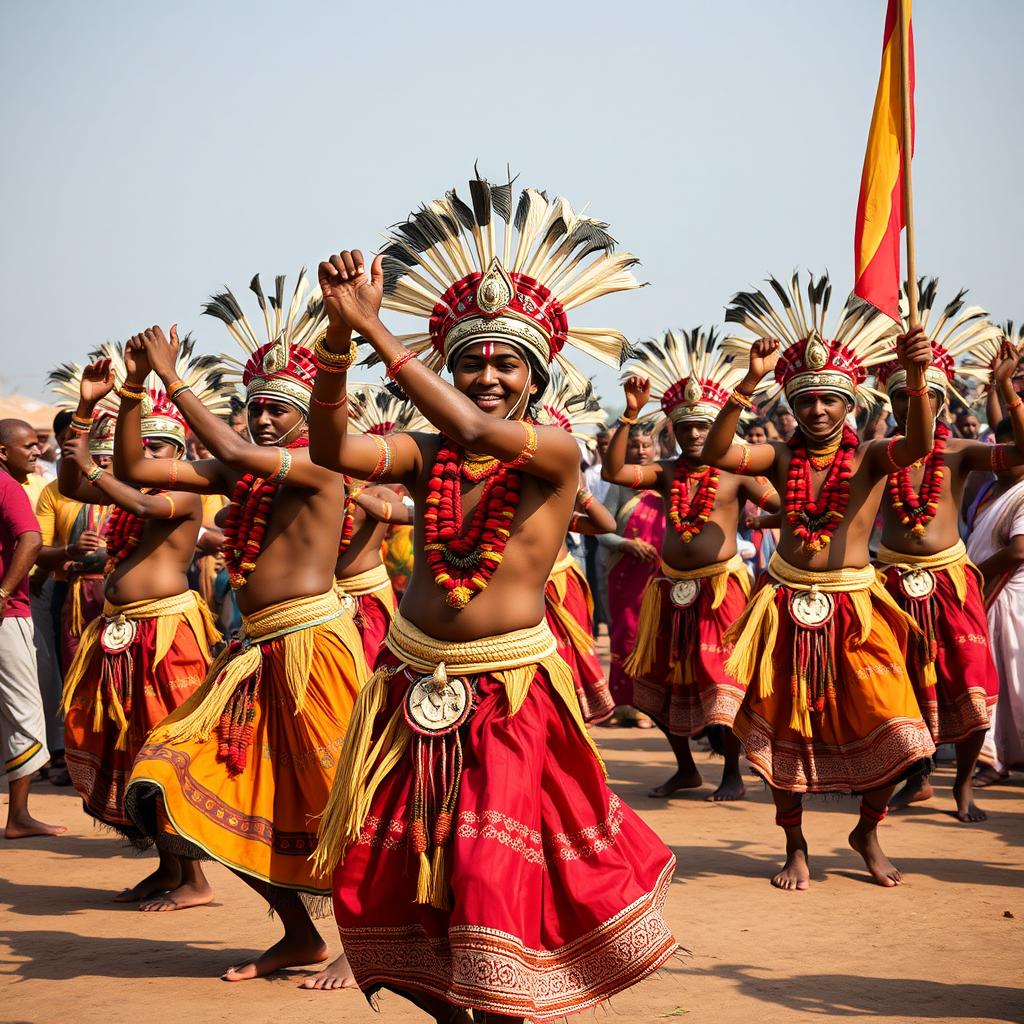
Dance among the tribal communities of Odisha is not merely a form of entertainment but a deeply spiritual practice that connects the community to its ancestors, its deities, and the natural forces that govern its existence. The Dhimsa dance of the Gadaba and Paraja communities, performed during festivals and celebrations, involves intricate footwork and synchronized movements that create a mesmerizing visual spectacle. The Santhal dance traditions include the Sohrai dance, performed during the harvest festival, and the Dasai dance, which has martial overtones reflecting the community’s history of resistance and valor. The Gond tribe performs the Danderi dance, a circular community dance that builds in intensity as the night progresses, accompanied by drumming and singing that creates a trance-like state among the participants. The Koya tribe’s Buda Karma dance is performed to honor the village deity and ensure agricultural prosperity, while the Bonda community’s Rasarkeli dance is a courtship dance that plays a significant role in their social and marital practices. Each of these dance forms is accompanied by specific musical instruments, including various types of drums, flutes, string instruments, and idiophones, creating diverse soundscapes that reflect the unique cultural identity of each community.
Tribal Handicrafts: Mastery Over Natural Materials
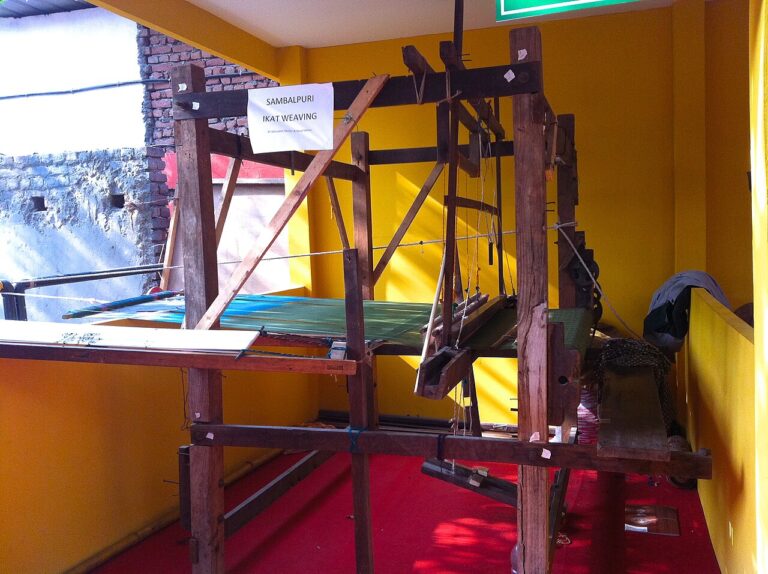
The handicraft traditions of Odisha’s tribal communities demonstrate an extraordinary mastery over natural materials, transforming forest products, metals, and agricultural wastes into objects of remarkable beauty and utility. The Dokra metal craft, practiced primarily by the Gadaba and related communities, uses the ancient lost-wax casting technique to create intricate figurines, jewelry, and ritual objects that have been prized by collectors and connoisseurs worldwide. This technique, which has remained essentially unchanged for over four thousand years, represents one of the oldest continuous craft traditions in human history. The tribal communities of Mayurbhanj and Keonjhar practice sophisticated forms of bamboo and cane work, creating baskets, mats, furniture, and storage containers that combine functionality with aesthetic refinement. The Sabai grass craft, practiced by women in Mayurbhanj, transforms a wild grass into beautiful ropes, mats, and decorative items that provide essential supplementary income to tribal households. The tribal weavers of Koraput and Rayagada create distinctive textiles using simple frame looms, incorporating traditional motifs and color schemes that reflect their cultural identity and spiritual beliefs, with each community maintaining distinct weaving patterns that serve as visual markers of tribal affiliation.
Government Programs for Tribal Welfare and Development
The Government of Odisha has implemented a comprehensive framework of programs and policies aimed at the welfare and development of tribal communities, recognizing both their vulnerability and their cultural significance. The Special Central Assistance for Tribal Sub-Plan provides dedicated funding for tribal-dominated areas, focusing on infrastructure development, education, healthcare, and livelihood enhancement. The Odisha Tribal Empowerment and Livelihoods Programme, implemented with support from international development agencies, has worked to strengthen tribal livelihood systems through improved agricultural practices, market access, and the promotion of tribal handicrafts. The Micro-Projects for Particularly Vulnerable Tribal Groups provide targeted interventions for communities like the Bonda, Dongria Kondh, Hill Kharia, and Juang, addressing their specific needs in terms of food security, health, education, and cultural preservation. The government has also established specialized residential schools for tribal students, including the Scheduled Castes and Scheduled Tribes Development Department schools that provide quality education while being sensitive to tribal cultural contexts. The Primitive Tribal Groups Housing scheme has provided pucca housing to vulnerable tribal families, while various skill development programs have attempted to create alternative livelihood opportunities that can reduce the pressure on traditional forest-based economies.
The Forest Rights Act: Legal Recognition of Indigenous Rights
The implementation of the Scheduled Tribes and Other Traditional Forest Dwellers (Recognition of Forest Rights) Act of 2006 has been a transformative development in the relationship between tribal communities and the state in Odisha. The Act, which recognizes the rights of tribal communities to occupy and use forest land that they have been cultivating or depending upon for generations, has the potential to fundamentally alter the historical injustice that has characterized forest governance in India since the colonial period. Odisha has been among the more proactive states in implementing the Forest Rights Act, with millions of individual and community forest rights titles being distributed to tribal families across the state. The community forest rights provisions of the Act are particularly significant, as they recognize the collective rights of tribal communities over their traditional forest resources, including the right to manage, conserve, and protect these forests according to their traditional knowledge and practices. The implementation of the Act in the Niyamgiri region, where the Dongria Kondh’s community rights over their sacred hills were legally recognized, demonstrated the transformative potential of this legislation when implemented in true partnership with tribal communities. However, challenges remain in terms of the quality of implementation, the adequacy of the rights recognized, the capacity of tribal communities to exercise their rights effectively, and the persistent conflicts between forest conservation objectives and tribal livelihood needs.
Cultural Diversity: The Enduring Legacy of Tribal Odisha
The cultural diversity embodied by the 62 Scheduled Tribes of Odisha represents an irreplaceable component of India’s collective heritage, a living repository of human knowledge, artistic expression, and ecological wisdom that has been accumulated over millennia of continuous habitation in some of the most biologically diverse regions of the Indian subcontinent. This diversity is not merely a matter of linguistic variation or decorative difference but reflects fundamentally different ways of understanding and relating to the natural world, different systems of knowledge that have sustained human communities in challenging environments without degrading the ecological base that supports them. The tribal communities of Odisha have demonstrated that it is possible to maintain sophisticated social, political, and economic systems that are deeply embedded in natural ecosystems, that honor the spiritual dimensions of human existence, and that prioritize community well-being over individual accumulation. As the modern world grapples with the consequences of unsustainable development models, the traditional knowledge systems of Odisha’s tribal communities offer valuable insights into alternative pathways that could help humanity navigate the ecological crises of the twenty-first century. Preserving this cultural diversity is not merely an act of historical conservation but an investment in the future, ensuring that the wisdom embedded in these ancient traditions remains available to inform and enrich the collective human endeavor. The challenge for Odisha, and for India as a whole, is to create frameworks of development that honor and support tribal communities not as relics of a romanticized past but as dynamic, evolving cultures that have much to teach the modern world about sustainability, community, and the meaning of a good life lived in harmony with nature.