ଚନ୍ଦନ ଯାତ୍ରା: ପୁରୀର ଚନ୍ଦନ ଉତ୍ସବ
ଚନ୍ଦନ ଯାତ୍ରା: Chandan Yatra – Puri’s Sacred Sandalwood Festival
ଅକ୍ଷୟ ତୃତୀୟାରୁ ଆରମ୍ଭ ହେଉଥିବା ଚନ୍ଦନ ଯାତ୍ରା (ଅପ୍ରେଲ-ମଇ) ୪୨ ଦିନ ଧରି ଚାଲେ — ପ୍ରଥମ ୨୧ ଦିନ “ବାହାର ଚନ୍ଦନ” (ନିମାଈ ମଠରେ), ପରବର୍ତ୍ତୀ ୨୧ ଦିନ “ଭିତର ଚନ୍ଦନ” (ଶ୍ରୀମନ୍ଦିର ଭିତରେ)। ଗରମରେ ଠାକୁରଙ୍କୁ ଚନ୍ଦନ ଲେପ ଓ ଜଳ ବିହାର — ଶୀତଳତାର ପ୍ରତୀକ।
ମୁଖ୍ୟ ଆକର୍ଷଣ
- ଚାମର-ଚାମର ବିଜେ ପ୍ରତିମାଙ୍କ ନୌକା ବିହାର (ନିମାଈ ମଠ ପୁଷ୍କରିଣୀ)।
- ପାଣି ଅଗି ମିଠା — ଚନ୍ଦନ ଯାତ୍ରାର ବିଶେଷ ଭୋଗ।
- ଏହା ପରେ ଆସେ ସ୍ନାନ ପୂର୍ଣ୍ଣିମା → ରଥଯାତ୍ରା ଚକ୍ର।
ଜଗନ୍ନାଥ ମନ୍ଦିରର ୧୨ ଯାତ୍ରା ପରମ୍ପରା — ଶ୍ରୀକ୍ଷେତ୍ର ଓ ନୀଳାଦ୍ରି ବିଜେ ପ୍ରସଙ୍ଗରେ; ପର୍ବ ସାରଣୀ ଏଠାରେ।
In English
Chandan Yatra Puri: The Sacred Sandalwood Festival of Lord Jagannath
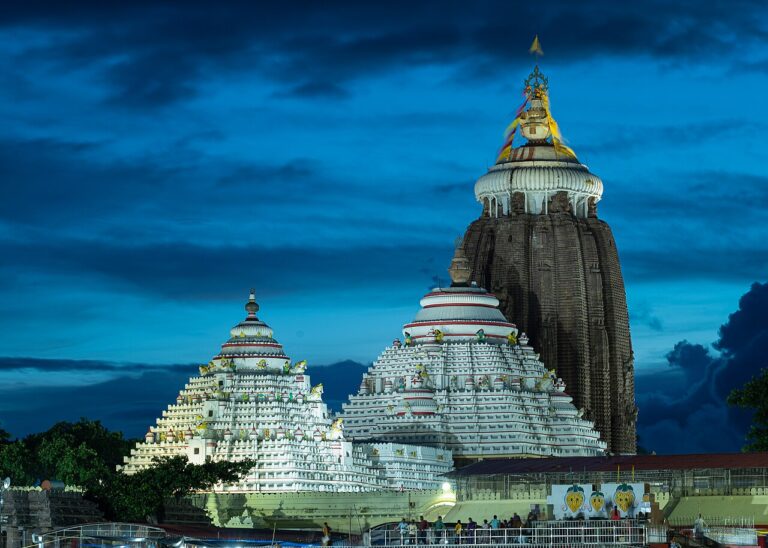
Chandan Yatra stands as one of the most elaborate and visually spectacular festivals in the grand tapestry of Lord Jagannath’s annual ceremonial cycle at the sacred pilgrimage town of Puri in Odisha. This magnificent forty-two-day celebration marks the beginning of the festive season in the Jagannath Temple, preceding the world-famous Rath Yatra by a significant period. The festival derives its name from “Chandan,” meaning sandalwood, which forms the central element of the rituals performed during this period. Unlike many other festivals that are completed within a day or two, Chandan Yatra unfolds over six continuous weeks, making it the longest festival associated with Lord Jagannath Temple. The celebration typically begins on the auspicious day of Akshaya Tritiya, which falls in the Hindu month of Vaishakha, usually corresponding to late April or early May, and continues until the full moon day of Jyeshtha month. This period coincides with the peak summer season in Odisha, and the entire festival is built around the concept of providing relief to the deities from the scorching heat through the cooling properties of sandalwood paste.
Mythological Origins and Historical Significance
The origins of Chandan Yatra are deeply rooted in the rich mythological traditions surrounding Lord Jagannath and the temple rituals that have evolved over centuries. According to local legends and temple scriptures, the practice of applying sandalwood paste to the deities during summer dates back to ancient times when the ritual was established to protect the divine forms from the oppressive heat of the Odisha summer. The Skanda Purana, which contains detailed descriptions of the Jagannath Temple and its rituals, makes references to the application of fragrant pastes to the deities during the summer months. Historical records suggest that the festival in its current form has been celebrated for several centuries, with various medieval kings and rulers of Odisha contributing to its grandeur over time. The Ganga dynasty rulers, who constructed the present Jagannath Temple in the twelfth century, are believed to have formalized many of the rituals associated with Chandan Yatra. The festival also holds significance in the broader context of Vaishnavite traditions, as similar sandalwood festivals are observed in other Vishnu temples across India, though the scale and duration of the Puri celebration remain unmatched anywhere in the country.
The Sacred Chandan Lagi Ritual
At the heart of Chandan Yatra lies the Chandan Lagi ritual, which involves the meticulous preparation and application of sandalwood paste on the divine bodies of Lord Jagannath, Lord Balabhadra, and Goddess Subhadra. Each day during the forty-two-day period, skilled servitors known as Chitrakars prepare fresh sandalwood paste using premium quality sandalwood that is sourced specifically for this festival. The preparation process itself is considered a sacred act, with specific mantras being chanted throughout the grinding and mixing process. The sandalwood paste is then applied to the deities in a prescribed manner, covering their entire divine forms with a thick, fragrant coating. This application serves both a ritualistic and practical purpose. From a ritualistic standpoint, sandalwood is considered one of the most sacred substances in Hindu worship, associated with purity, prosperity, and divine fragrance. From a practical perspective, sandalwood paste has natural cooling properties that provide relief from the summer heat. The Chandan Lagi ritual is performed twice daily in the sanctum sanctorum of the temple, and devotees consider it a special blessing to witness this intimate act of divine service. The paste is removed each evening, and fresh paste is applied the following morning, ensuring that the deities remain continuously protected throughout the festival period.
Narendra Tank and the Spectacular Boat Festival
Perhaps the most visually stunning aspect of Chandan Yatra is the boat festival that takes place at the historic Narendra Tank, located about a kilometer north of the Jagannath Temple. This massive tank, believed to have been constructed during the reign of King Narendra Deva in the tenth or eleventh century, serves as the venue for the Chapa Khela or boat play that forms an integral part of the Chandan Yatra celebrations. On each evening during the first twenty-one days of the festival, representative images of the five principal deities of the Jagannath Temple, namely Lord Jagannath, Lord Balabhadra, Goddess Subhadra, Lord Sudarshan, and Lord Madanmohan, are ceremonially brought in grand processions from the temple to Narendra Tank. The deities are placed on beautifully decorated boats called Chapa, which are designed to resemble swans or other aquatic birds. These boats are elaborately decorated with flowers, colorful fabrics, mirrors, and traditional Odia artistic elements. The boats are then rowed around the tank by skilled oarsmen while thousands of devotees gather along the banks to witness this magnificent spectacle. The atmosphere is filled with the sounds of traditional Odia music, devotional songs, and the chanting of Lord Jagannath’s names. The reflection of the decorated boats and the illuminated surroundings on the calm waters of Narendra Tank creates a mesmerizing visual experience that remains etched in the memory of every witness.
Structure of the Forty-Two-Day Celebration
The forty-two days of Chandan Yatra are divided into two distinct phases, each with its own set of rituals and significance. The first phase, known as Bahara Chandan or outer Chandan, spans the initial twenty-one days and involves the representative deities being taken in procession to Narendra Tank for the boat festival. During this phase, the actual deities inside the temple sanctum receive the Chandan Lagi ritual but do not leave the temple premises. Instead, the representative images, known as Chalanti Pratima or moving deities, participate in the external celebrations. The second phase, called Bhitar Chandan or inner Chandan, comprises the remaining twenty-one days during which the boat festival at Narendra Tank concludes and the focus shifts entirely to rituals within the temple premises. During Bhitar Chandan, the Chandan Lagi ritual continues with greater elaboration, and various other rituals including special offerings, recitations of sacred texts, and cultural performances are organized inside the temple complex. This division between outer and inner celebrations reflects the traditional Hindu philosophical concept of expressing devotion both externally through visible rituals and internally through intimate worship. The transition from Bahara Chandan to Bhitar Chandan is marked by specific ceremonial observances, and the change in the nature of celebrations keeps the devotees engaged throughout the lengthy festival period.
Summer Cooling Tradition: Science Meets Spirituality
The concept of cooling the deities during summer through the application of sandalwood paste represents a beautiful synthesis of scientific understanding and spiritual tradition. Odisha experiences extremely hot and humid summers, with temperatures frequently exceeding forty degrees Celsius during the months when Chandan Yatra is observed. The ancient temple architects and ritual designers were acutely aware of the discomfort that such heat could cause, and they developed the Chandan Yatra traditions as a means of providing natural cooling to the deities. Sandalwood has been recognized in Ayurvedic tradition for its cooling properties, and its application on the stone or wooden deities helps in reducing the surface temperature significantly. The ritual of taking the deities to Narendra Tank for the boat festival also serves the practical purpose of exposing them to the cooler evening breeze near the water body. Furthermore, the water in Narendra Tank itself has cooling properties, and the splashing of water during the boat rides contributes to creating a microclimate of relative coolness around the deities. This blending of practical climate management with devotional expression demonstrates the wisdom of ancient Indian traditions, where science and spirituality were never considered separate domains but were integrated into a holistic approach to life and worship.
Connection to Broader Temple Traditions
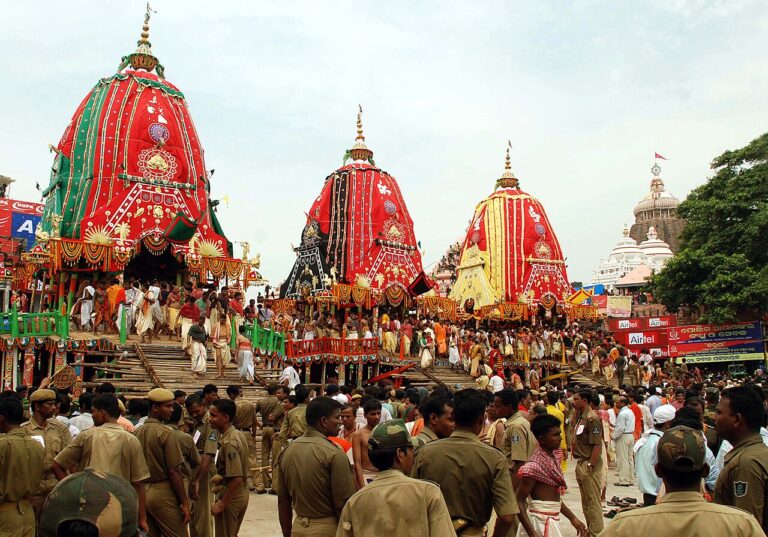
Chandan Yatra occupies a pivotal position in the annual cycle of rituals at the Jagannath Temple, serving as a bridge between the quieter winter months and the intense festive season that culminates in the Rath Yatra. The festival establishes several ritual patterns and preparations that continue through the subsequent festivals. For instance, the preparation of sandalwood paste during Chandan Yatra is considered a precursor to the preparation of various other fragrant substances used in later festivals. The festival also marks the beginning of the construction of the Rathas or chariots for the upcoming Rath Yatra, as the carpenters traditionally begin their work on Akshaya Tritiya, the same day that Chandan Yatra commences. The Chandan Yatra period is also significant for the various categories of temple servitors, as it provides them with specific roles and responsibilities that define their participation in the larger festival calendar. The festival reinforces the hierarchical structure of temple service and the interdependence of various ritual specialist groups. Additionally, Chandan Yatra maintains connections with other Vishnu temples in Puri and across Odisha, as similar though smaller-scale Chandan celebrations are observed in these temples, creating a network of synchronized devotional activities across the region.
Tourism Significance and Visitor Experience
From a tourism perspective, Chandan Yatra offers visitors a unique opportunity to experience the living heritage of one of India’s most ancient temple traditions. The festival attracts thousands of domestic and international tourists each year, contributing significantly to the local economy of Puri. For tourists interested in religious and cultural tourism, Chandan Yatra provides a more intimate and less crowded alternative to the Rath Yatra, allowing closer observation of rituals and greater interaction with the temple traditions. The evening boat festival at Narendra Tank is particularly popular among tourists, as it offers a visually spectacular experience that is accessible without the massive crowds that characterize the Rath Yatra. The Odisha Tourism Department and local authorities make special arrangements during the Chandan Yatra period, including illumination of the routes taken by the processions, deployment of tourist guides knowledgeable about the festival traditions, and organization of cultural programs showcasing Odia music, dance, and handicrafts. The festival period also sees a surge in demand for accommodation in Puri, benefiting hotels, guesthouses, and homestays in the area. Local artisans and vendors find a ready market for their products during the festival, as devotees and tourists purchase religious souvenirs, traditional handicrafts, and prasad offerings. The forty-two-day duration of the festival provides a sustained period of tourism activity, unlike shorter festivals that generate only brief spikes in visitor numbers.
Cultural Impact on Odisha’s Heritage Identity
Chandan Yatra has profoundly influenced the cultural identity of Odisha, extending far beyond the boundaries of the Jagannath Temple. The festival has inspired generations of Odia poets, musicians, and artists who have created works celebrating the beauty and significance of the sandalwood festival. Traditional Odia folk songs describing the boat festival at Narendra Tank and the application of sandalwood paste on the deities are sung during the festival period and have become part of the permanent cultural repertoire of the region. The visual aesthetics of the festival, including the decorated boats, the flower arrangements, and the ritual implements, have influenced Odia decorative arts and crafts. The festival also plays an important role in the transmission of cultural values across generations, as families participate in the celebrations together, with elders explaining the significance of various rituals to younger members. In recent years, Chandan Yatra has gained recognition as a significant cultural tourism product, and efforts are being made to document and preserve the various artistic and craft traditions associated with the festival. The celebration of Chandan Yatra in diaspora communities of Odias living outside the state and country serves as a cultural anchor, maintaining connections with the ancestral homeland and its traditions.
Preservation Challenges and Future Prospects
Despite its enduring popularity, Chandan Yatra faces several challenges related to preservation and continuity in the modern era. The availability of genuine sandalwood has become a concern due to conservation restrictions and rising costs, threatening the traditional purity of the ritual materials. The maintenance of Narendra Tank, which is crucial for the boat festival, requires ongoing attention as urbanization and environmental changes affect water quality and tank infrastructure. The number of trained traditional servitors who possess the specialized knowledge required for various festival rituals has been declining, raising concerns about the future authenticity of the celebrations. However, several positive developments offer hope for the festival’s continued vitality. The Jagannath Temple administration, along with state government agencies, has initiated programs to train young servitors in traditional ritual practices. Conservation efforts for Narendra Tank have been undertaken, and water management systems have been improved. Digital documentation of festival rituals is being carried out to create permanent records for future reference. The growing interest in heritage tourism has created new economic incentives for maintaining traditional practices associated with the festival. As Chandan Yatra moves forward into the future, it carries with it the weight of centuries of devotion and the hope of continued relevance in a changing world, remaining a testament to the enduring power of faith and tradition in Odisha’s cultural landscape.