ଓଡ଼ିଆ ଭାଷାରେ
ଭକ୍ତିରେ ସିକ୍ତ ଏକ ମାଧୁର୍ଯ୍ୟ
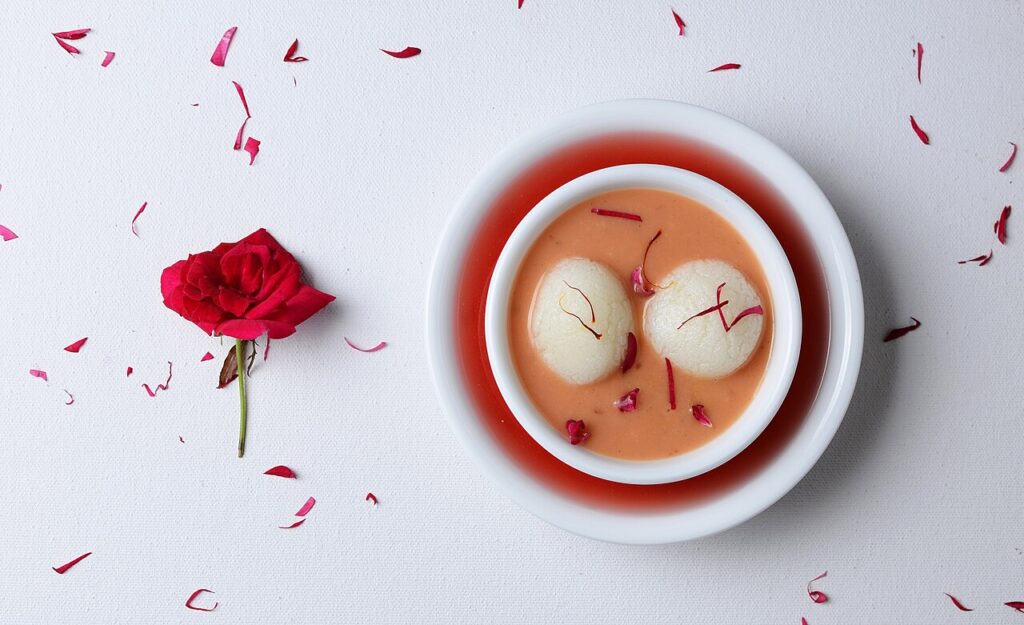
ମେଘ ପରି କୋମଳ, ଫିକା ଓ ଉଜ୍ଜ୍ୱଳ, ଏକ ପତଳା ରସରେ ଏମିତି ଓଦା ଯେ ତାହା ମଣିବନ୍ଧ ତଳକୁ ବୋହିଯାଏ — ରସଗୋଲା ଓଡ଼ିଶାର ସର୍ବାଧିକ ପ୍ରିୟ ମିଠା, ଆଉ ଜଣେ ଓଡ଼ିଆ ପାଇଁ ଏହା କେବଳ ଏକ ମିଷ୍ଟାନ୍ନଠାରୁ ବହୁତ ଅଧିକ। ଏହା ପ୍ରସାଦ ଓ ଉତ୍ସବ, ଘର ଫେରିବାର ଆନନ୍ଦ ଓ ଅତିଥି ସତ୍କାର; ଏହା ସେହି ମିଠା ଯାହା ପ୍ରତ୍ୟେକ ଭୋଜିର ସମାପ୍ତି ଘଟାଏ ଓ ପ୍ରତ୍ୟେକ ଅତିଥିଙ୍କୁ ଅଭ୍ୟର୍ଥନା କରେ। ତାଜା ଛେନାରୁ ତିଆରି — ଫଟା ଦୁଧକୁ ହାତରେ ଚକଟି କୋମଳ ଗୋଲିରେ ଗଢ଼ାଯାଇ, ଚିନି ରସରେ ଧୀରେ ଧୀରେ ସିଝାଯାଏ ଯେ ପର୍ଯ୍ୟନ୍ତ ସେସବୁ ଫୁଲି ନରମ ହୋଇନଯାନ୍ତି — ଓଡ଼ିଶାର ରସଗୋଲା ଆପଣା ଗଠନ ଭିତରେ ସେହି ମାଟିର କୋମଳତାର କିଛି ଅଂଶ ବହନ କରେ, ଯେଉଁ ମାଟି ଏହାକୁ ଜନ୍ମ ଦେଇଛି। ୨୦୧୯ ମସିହାରେ, ଦୀର୍ଘ ବର୍ଷର ଗର୍ବ ଓ ବିବାଦ ପରେ, ଏହା ସ୍ୱତନ୍ତ୍ର ‘ଓଡ଼ିଶା ରସଗୋଲା’ ଭାବେ ନିଜର ଭୌଗୋଳିକ ସୂଚକ ମାନ୍ୟତା ଲାଭ କଲା — ଓଡ଼ିଆମାନେ ସର୍ବଦା ଯାହା ଜାଣିଥିଲେ ତାହା ଉପରେ ଏକ ଆନୁଷ୍ଠାନିକ ମୋହର: ଯେ ଏହି ମିଠା ସେମାନଙ୍କର, ଆଉ ପବିତ୍ର।
ଠାକୁରଙ୍କ ଗୃହରେ ଜନ୍ମିତ
ଓଡ଼ିଶାର ରସଗୋଲା ସର୍ବୋପରି ଏକ ମନ୍ଦିର-ମିଠା, ଶତାବ୍ଦୀ ଶତାବ୍ଦୀର ରୀତିନୀତି ମାଧ୍ୟମରେ ପୁରୀର ଶ୍ରୀଜଗନ୍ନାଥଙ୍କ ସହ ବନ୍ଧା। ପ୍ରତିବର୍ଷ, ମହାନ ରଥଯାତ୍ରାର ସମାପ୍ତିରେ ଆସେ ନୀଳାଦ୍ରି ବିଜେର କୋମଳ ପର୍ବ, ଯେତେବେଳେ ଦେବଦେବୀ ମନ୍ଦିରକୁ ପ୍ରତ୍ୟାବର୍ତ୍ତନ କରନ୍ତି — ଆଉ ରଥଯାତ୍ରା ସମୟରେ ପଛରେ ଛଡ଼ାଯିବାରୁ କ୍ରୋଧିତ ଦେବୀ ଲକ୍ଷ୍ମୀ ଆପଣା ପ୍ରଭୁଙ୍କ ପାଇଁ ଦ୍ୱାର ବନ୍ଦ କରିଦିଅନ୍ତି। ତାଙ୍କୁ ମନାଇବା ପାଇଁ ଜଗନ୍ନାଥ ତାଙ୍କୁ ରସଗୋଲା ଅର୍ପଣ କରନ୍ତି, ଆଉ ସେତେବେଳେ ଯାଇ ତାଙ୍କୁ ଭିତରକୁ ପ୍ରବେଶର ଅନୁମତି ମିଳେ। ଏହି ପ୍ରଥା ଏତେ ପୁରାତନ ଯେ ପଞ୍ଚଦଶ ଶତାବ୍ଦୀର ଓଡ଼ିଆ ମହାକାବ୍ୟ — କବି ବଳରାମ ଦାସଙ୍କ ଜଗମୋହନ ରାମାୟଣରେ ଏହି ମିଠାର ନାମ ଉଲ୍ଲେଖ ରହିଛି; ଏହା ପ୍ରମାଣ କରେ ଯେ ରସଗୋଲା ବିଶ୍ୱର ବ୍ୟାପକ ଆଙ୍ଗନାକୁ ଯିବା ବହୁ ପୂର୍ବରୁ ଓଡ଼ିଆମାନେ ଏହାକୁ ତିଆରି କରି ଅର୍ପଣ କରୁଥିଲେ।
ପହଲ, ରସଗୋଲା ଉପରେ ଗଢ଼ା ଏକ ଜନପଦ
ଯଦି ରସଗୋଲାର କୌଣସି ରାଜଧାନୀ ଅଛି, ତେବେ ତାହା ପହଲ — ଭୁବନେଶ୍ୱର ଓ କଟକ ମଝିରେ ରାଜପଥ କଡ଼େ କଡ଼େ ବିସ୍ତାରିତ ଏକ ଛୋଟ ଜନପଦ, ଯେଉଁଠି ମାଇଲ ପରେ ମାଇଲ ବାଟ କଡ଼ ଦୋକାନରେ ଭରି ରହିଛି, ଆଉ ସେହି ଦୋକାନୀମାନେ ଅନ୍ୟ କିଛି ନ ବିକି କେବଳ ଏହି ମିଠା ବିକନ୍ତି, ଯାହା ମାଟି ହାଣ୍ଡି ଓ କାଚ ପାତ୍ରରେ ଥାକ ଥାକ ସଜାଯାଇଥାଏ। ସ୍ଥାନୀୟ କିମ୍ବଦନ୍ତୀ କୁହେ ଯେ ଦିନେ ପହଲ ନିଜ ଲୋକଙ୍କ ଆବଶ୍ୟକତାଠାରୁ ବହୁ ଅଧିକ ଦୁଧ ଉତ୍ପାଦନ କରୁଥିଲା, ଆଉ ସେହି ଅତିରିକ୍ତ ଦୁଧ ଖଟି ନଷ୍ଟ ହୋଇଯାଉଥିଲା — ଯେ ପର୍ଯ୍ୟନ୍ତ ନା ଜଗନ୍ନାଥ ମନ୍ଦିରର ଜଣେ ପୂଜକ ଗ୍ରାମବାସୀଙ୍କୁ ଦୁଧ ଫଟାଇ ଛେନା କରି ରସଗୋଲାରେ ଗଢ଼ିବାର କଳା ଶିଖାଇ ଦେଲେ। ମିତବ୍ୟୟିତାରୁ ଯାହା ଆରମ୍ଭ ହୋଇଥିଲା, ତାହା ଏକ ଜୀବିକା ଓ ପରେ ଏକ କିମ୍ବଦନ୍ତୀ ପାଲଟିଗଲା; ଆଜି ପହଲର ନାମ ନିଜେ ହିଁ ସର୍ବୋତ୍କୃଷ୍ଟ ମିଠାର ଏକ ପ୍ରତିଶ୍ରୁତି।
ନିଖୁଣ ଗୋଲକର କାରିଗରୀ
ଏକ ପ୍ରକୃତ ରସଗୋଲା ତିଆରି କରିବା ଧୈର୍ଯ୍ୟ ଓ ସ୍ପର୍ଶର ଏକ କଳା। ତାଜା ଦୁଧ ଫଟାଯାଏ ଓ ଛେନା ଏକାଠି କରାଯାଏ, ତା’ପରେ ତାହା ଦୀର୍ଘ ସମୟ ଧରି କୋମଳ ଭାବେ ଚକଟାଯାଏ ଯେ ପର୍ଯ୍ୟନ୍ତ ତାହା ମସୃଣ ଓ ନମନୀୟ ହୋଇନଯାଏ, ଆଉ ତା’ପରେ ତାହାକୁ ଛୋଟ ସମାନ ଗୋଲିରେ ଗଡ଼ାଯାଇ ଫୁଟୁଥିବା ରସ ଭିତରକୁ ଛଡ଼ାଯାଏ। ସେଠାରେ ଗୋଲିଗୁଡ଼ିକ ଧୀରେ ଧୀରେ ଫୁଲି ଫମ୍ଫା ଓ ନରମ ହୁଅନ୍ତି, ମିଠାସ ପିଇ ପିଇ। ଓଡ଼ିଶାର ରସଗୋଲାର ନିଜସ୍ୱ ବୈଶିଷ୍ଟ୍ୟ ଅଛି — ଅନ୍ୟମାନଙ୍କ ତୁଳନାରେ ଅଧିକ କୋମଳ ଓ କମ ଶକ୍ତ, ପାରମ୍ପରିକ ଭାବେ ଈଷତ୍ ଅଧିକ ବାଦାମିଆ ରଙ୍ଗର, ଆଉ ଏକ ସୂକ୍ଷ୍ମ, ପ୍ରାୟ ତରଳି ଯାଉଥିବା ଗଠନ ସହ। ପ୍ରତ୍ୟେକ ମିଠା-କାରିଗର ଉତ୍ତାପ ଓ ସମୟର ସେହି ସୂକ୍ଷ୍ମ ପରିମାପକୁ ଯତ୍ନରେ ରକ୍ଷା କରନ୍ତି, ଯାହା ଅସାଧାରଣକୁ ସାଧାରଣଠାରୁ ଅଲଗା କରେ — ଏକ ନୈପୁଣ୍ୟ ଯାହା ନୀରବରେ ଏକ ପିଢ଼ିରୁ ଆଉ ଏକ ପିଢ଼ିକୁ ହସ୍ତାନ୍ତରିତ ହୋଇଆସୁଛି।
ସଂଗ୍ରାମର ଯୋଗ୍ୟ ଏକ ମିଠା
ବର୍ଷ ବର୍ଷ ଧରି ରସଗୋଲାର ଉତ୍ପତ୍ତି ଓଡ଼ିଶା ଓ ପଡ଼ୋଶୀ ବଙ୍ଗ ମଝିରେ ଏକ ଉଷ୍ମ ଓ ପ୍ରସିଦ୍ଧ ପ୍ରତିଦ୍ୱନ୍ଦ୍ୱିତାର ବିଷୟ ଥିଲା, ଆଉ ଉଭୟେ ଏହି ମିଠାକୁ ନିଜର ବୋଲି ଦାବି କରୁଥିଲେ। ଏହି ବିବାଦ ଜିତା ଓ ହାରାରେ ନୁହେଁ, ବରଂ ପାର୍ଥକ୍ୟର ସ୍ୱୀକୃତିରେ ମୀମାଂସିତ ହେଲା: ୨୦୧୯ ମସିହାରେ ଓଡ଼ିଶା ଆପଣା ସ୍ୱତନ୍ତ୍ର ‘ଓଡ଼ିଶା ରସଗୋଲା’ ପାଇଁ ଏକ ଭୌଗୋଳିକ ସୂଚକ ମାନ୍ୟତା ପାଇଲା — ଏହାର ମନ୍ଦିର-ପରମ୍ପରା, ଅଧିକ କୋମଳ ଗଠନ ଓ ବାଦାମିଆ ରଙ୍ଗର ପାରମ୍ପରା ଏହାକୁ ଅଲଗା ଚିହ୍ନଟ କରୁଥିଲା। ଓଡ଼ିଆଙ୍କ ପାଇଁ ଏହି ମାନ୍ୟତା ପଡ଼ୋଶୀ ଉପରେ ବିଜୟଠାରୁ ଅଧିକ ଥିଲା ନିଜ ଐତିହ୍ୟର ଏକ ଦୃଢ଼ୀକରଣ — ଶତାବ୍ଦୀ ଶତାବ୍ଦୀ ଧରି ସେମାନଙ୍କ ମନ୍ଦିର ଓ ଘରେ ବଞ୍ଚି ରହିଥିବା ଏକ ମାଧୁର୍ଯ୍ୟର ଏକ ସାର୍ବଜନୀନ ସ୍ୱୀକୃତି।
ଆପଣାପଣର ସ୍ୱାଦ
ଶେଷରେ ରସଗୋଲା ହେଉଛି ଏକ ଗ୍ରାସରେ ସମଗ୍ର ଓଡ଼ିଶା — କୋମଳ, ନିରାଡ଼ମ୍ବର ଓ ଗଭୀର ଭାବେ ପ୍ରିୟ। ଏହା ଶିଶୁର ନାମକରଣରେ ଥାଏ, ବିବାହ-ବନ୍ଧନ ଦୃଢ଼ କରିବାରେ ଥାଏ, ଦେବତାଙ୍କୁ ଅର୍ପିତ ହୁଏ ଓ ପ୍ରତ୍ୟେକ ଆଗନ୍ତୁକଙ୍କ ହାତରେ ସ୍ନେହରେ ଥୁଆଯାଏ — ଏକ ମାଧୁର୍ଯ୍ୟ ଯାହା ମନ୍ଦିର ଓ ଘର ମଝିର ଦୂରତ୍ୱକୁ ତରଳାଇ ଦିଏ। ଉଷୁମ, ନରମ ଓ ମୃଦୁ ସୁବାସିତ ଏକ ଉତ୍ତମ ପହଲ ରସଗୋଲାକୁ ଦାନ୍ତରେ କାମୁଡ଼ିବା ମାନେ ଏହାର ଜନ୍ମ ନେଇ ଯେକୌଣସି ବିବାଦଠାରୁ ପୁରୁଣା କିଛିର ସ୍ୱାଦ ନେବା: ସେହି ଲୋକଙ୍କ ନୀରବ, ଉଦାର ହୃଦୟ, ଯେଉଁମାନେ ବିଶ୍ୱାସ କରନ୍ତି ଯେ କିଛି ମିଠା ବିନା କୌଣସି ଅଭ୍ୟର୍ଥନା ସମ୍ପୂର୍ଣ୍ଣ ନୁହେଁ, ଆଉ କୌଣସି ଭକ୍ତି ପୂର୍ଣ୍ଣ ନୁହେଁ।
In English
A Sweetness Steeped in Devotion
Soft as a cloud, pale and glistening, soaked in a thin syrup that runs down the wrist — the rasagola is Odisha’s most beloved sweet, and to an Odia it is far more than a dessert. It is prasad and celebration, homecoming and hospitality, the sweet that ends every feast and greets every guest. Made from fresh chhena, curdled milk kneaded by hand into tender balls and simmered slowly in sugar syrup until they swell and soften, the Odisha rasagola carries in its very texture something of the gentleness of the land that made it. In 2019, after long years of pride and dispute, it was granted its own Geographical Indication as the distinct Odisha Rasagola, a formal seal on what Odias had always known — that this sweet was theirs, and sacred.
Born in the House of the Lord
The rasagola of Odisha is, above all, a temple sweet, bound to Lord Jagannath of Puri by centuries of ritual. Each year, at the close of the great Rath Yatra, comes the tender festival of Niladri Bije, when the deities return to the temple — and the goddess Lakshmi, angered at having been left behind during the chariot journey, bars the door to her lord. To soothe her, Jagannath offers her rasagola, and only then is he allowed within. So old is this custom that the sweet is named in the fifteenth-century Odia epic, the Jagamohana Ramayana of the poet Balaram Das, proof that Odias were making and offering rasagola long before it travelled the wider world.
Pahala, the Town Built on Rasagola
If the rasagola has a capital, it is Pahala — a small town strung along the highway between Bhubaneswar and Cuttack, where for mile after mile the roadside is lined with shops selling nothing else, the sweets stacked in earthen pots and glass jars. Local legend tells that Pahala once produced far more milk than its people could use, the surplus souring and going to waste — until a priest of the Jagannath Temple taught the villagers the art of curdling milk into chhena and shaping it into rasagola. What began as thrift became a livelihood and then a legend, and today the very name of Pahala is a promise of the sweet at its finest.
The Craft of the Perfect Sphere
The making of a true rasagola is an art of patience and touch. Fresh milk is curdled and the chhena gathered, then kneaded long and gently until it is smooth and pliant, before being rolled into small, even balls and lowered into simmering syrup. There the spheres slowly swell and grow spongy, drinking in the sweetness. The Odisha rasagola has its own character — softer and less firm than others, traditionally a shade browner, with a delicate, almost melting texture. Every sweet-maker guards the fine judgement of heat and time that separates the sublime from the ordinary, a skill passed quietly from one generation to the next.
A Sweet Worth Fighting For
For years the origin of the rasagola was the subject of a warm and famous rivalry between Odisha and neighbouring Bengal, each claiming the sweet as its own. The debate was settled not by winners and losers but by recognition of difference: in 2019 Odisha was granted a Geographical Indication for its distinct Odisha Rasagola, its temple lineage, its softer texture and its browned tradition marking it apart. For Odias the tag was less a victory over a neighbour than an affirmation of heritage — a public acknowledgement of a sweetness that had lived in their temples and their homes for centuries.
The Taste of Belonging
In the end the rasagola is Odisha in a single mouthful — gentle, unassuming and deeply loved. It is there at the naming of a child and the sealing of a marriage, offered to the gods and pressed upon every visitor, a sweetness that dissolves the distance between the temple and the home. To bite into a good Pahala rasagola, warm and yielding and faintly fragrant, is to taste something older than any dispute over its birth: the quiet, generous heart of a people who believe that no welcome is complete, and no devotion whole, without something sweet.
References | ଆଧାର
- Archaeological Survey of India — ଭାରତୀୟ ପ୍ରତ୍ନତତ୍ତ୍ୱ ସର୍ବେକ୍ଷଣ — ମନ୍ଦିର ସ୍ଥାପତ୍ୟା
- UNESCO World Heritage — Konark Sun Temple — UNESCO: କୋଣାର୍କ ସୂର୍ଯ୍ୟ ମନ୍ଦିର