ଓଡ଼ିଆ ଭାଷାରେ
ଭୋଜନଠାରୁ ଅଧିକ କିଛି
ଏକ ପାତ୍ର ପଖାଳ ଭଳି ଏତେ ଗଭୀର, ଏତେ ମର୍ମସ୍ପର୍ଶୀ ଭାବେ ଓଡ଼ିଆ ଆଉ କିଛି ନାହିଁ। ଖରାଦିନର ଜଳନ୍ତା ଅପରାହ୍ଣରେ, ଯେତେବେଳେ ସୂର୍ଯ୍ୟ ମାଟିକୁ ପିଟିପିଟି ଝଲସାଇ ଦେଇଥାଏ, ଜଣେ ଓଡ଼ିଆ କୌଣସି ଆଡ଼ମ୍ବରପୂର୍ଣ୍ଣ ଖାଦ୍ୟ ଆଡ଼କୁ ହାତ ବଢ଼ାଏ ନାହିଁ — ବରଂ ଏହାରି ଆଡ଼କୁ: ପାଣିରେ ବତୁରା ହୋଇ, ଥଣ୍ଡା ହୋଇ କୋମଳ ଅମ୍ଳ ଧରିଥିବା ଅନ୍ନ, ଏକ ଚଉଡ଼ା ପାତ୍ର କି ସବୁଜ କଦଳୀ ପତ୍ରରୁ ସିଧା ଆଙ୍ଗୁଠିରେ ଖିଆଯାଏ। ଏହା ଗାଆଁ କୂଅ ଓ ଆଈର ରୋଷେଇ ଘରର ସ୍ୱାଦ, ବର୍ଷାର ଅପରାହ୍ଣ ଓ ମିଳିମିଶି ବସିଥିବା ବାରଣ୍ଡାର ସ୍ୱାଦ। ପଖାଳ ଖାଇବା ମାନେ ଘରକୁ ଫେରିବା। ପ୍ରାୟ ଶୂନ୍ୟତାକୁ ଛୁଇଁବା ଯାଏ ସାଧାରଣ ହୋଇ ମଧ୍ୟ, ଏହା ହିଁ ସେହି ଖାଦ୍ୟ ଯାହା ପାଖକୁ ଓଡ଼ିଆର ହୃଦୟ ଯେକୌଣସି ଭୋଜିର ପୂର୍ବରୁ ଫେରି ଆସେ; ଓଡ଼ିଆ ରୋଷେଇର ସେହି ବିଶାଳ, ମସଲାଭରା ଜଗତ ଯାହା ଚାରିପାଖରେ ନୀରବେ ବୁଲୁଥାଏ, ସେହି ଶାନ୍ତ କେନ୍ଦ୍ର।
ଏ ମାଟି ଭଳି ପୁରାତନ ଏକ ଖାଦ୍ୟ
ପଖାଳ କୌଣସି ଆଧୁନିକ ସୁବିଧା ନୁହେଁ, ବରଂ ଏକ ପ୍ରାଚୀନ ଉତ୍ତରାଧିକାର — ଏକ ଉଷ୍ଣ, ଧାନ ଫଳାଉ ଭୂମିରୁ ଜାତ, ଯେଉଁଠାରେ ପ୍ରତିଟି ଦାନା ମୂଲ୍ୟବାନ ଥିଲା ଆଉ କିଛି ବି ନଷ୍ଟ ହେଉ ନ ଥିଲା। ସକାଳେ ରନ୍ଧା ଅନ୍ନ ଦିନଯାକ ଥଣ୍ଡା ଓ ମିଠା ରହିବା ପାଇଁ ପାଣିରେ ଡୁବାଇ ରଖାଯାଉଥିଲା, ଆଉ ସନ୍ଧ୍ୟା ସୁଦ୍ଧା ଏକ କୋମଳ ଗଜଣ ତାହାକୁ କିଛି ନୂଆ କରିଦେଉଥିଲା — ଅମ୍ଳ, ନରମ ଓ ଜୀବନ୍ତ। ଓଡ଼ିଆ ଜୀବନ ସହ ଏହା ଏମିତି ଓତପ୍ରୋତ ଯେ ପୁରୀର ମହାନ ମନ୍ଦିରରେ ସ୍ୱୟଂ ଭଗବାନ ଜଗନ୍ନାଥଙ୍କୁ ମଧ୍ୟ ଏକ ପ୍ରକାର ପାଣି-ଅନ୍ନ ଅର୍ପିତ ହୁଏ, ଆଉ ଶତ ଶତ ବର୍ଷ ଧରି ଓଡ଼ିଆ କବିତାରେ ଏହାର ପ୍ରସଙ୍ଗ ପ୍ରତିଧ୍ୱନିତ ହୋଇ ଆସିଛି। ପଖାଳରେ ସବୁଠାରୁ ଗରିବ ଶ୍ରମିକ ଓ ରତ୍ନବେଦିରେ ବିରାଜମାନ ଦେବତା — ମୂଳତଃ ସେହି ଏକା ପବିତ୍ର ଖାଦ୍ୟ ଆରୋଗଣ କରନ୍ତି।
ପଖାଳର ନାନା ରୂପ
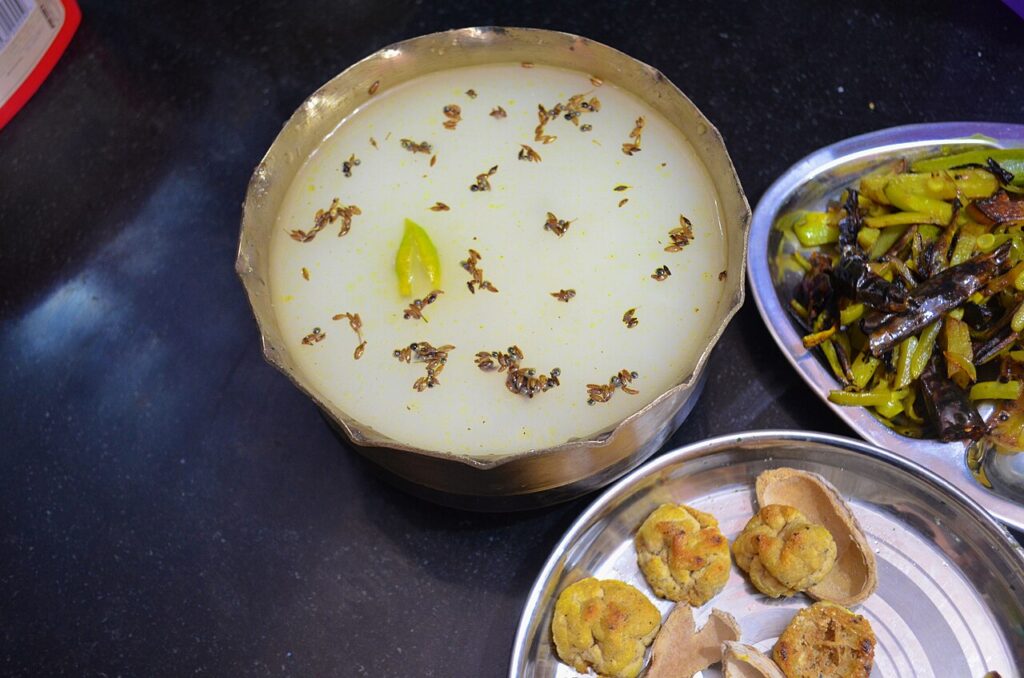
ପଖାଳକୁ କେବଳ ଗୋଟିଏ ଖାଦ୍ୟ ବୋଲି କହିବା ମାନେ ତାହାର ନୀରବ ବୈଚିତ୍ର୍ୟକୁ ନ ଦେଖିବା। ଯେଉଁ ଦିନ ତିଆରି, ସେହି ଦିନ ଖିଆଗଲେ, ହାଲୁକା ଓ ଅଳ୍ପ ଅମ୍ଳ ଥିଲାବେଳେ, ତାହା ସଜ ପଖାଳ। ମାଟି ହାଣ୍ଡିରେ ରାତିଯାକ ଗଜାଇ ରଖିଲେ ତାହା ଆହୁରି ଗଭୀର ହୋଇ ବାସି ପଖାଳରେ ପରିଣତ ହୁଏ — ଏହାର ଥଣ୍ଡା ଅମ୍ଳତା ଓ ଜିଭ ଉପରେ ନାଚୁଥିବା ମୃଦୁ ଝାଇଁ ପାଇଁ ଏହା ସର୍ବାଧିକ ଆଦୃତ। ଜିରା, ମେଠା ନିମ ପତ୍ର, କଞ୍ଚା ଲଙ୍କା ଓ ଏକ ଚିପୁଡ଼ା ଲେମ୍ବୁ ରସରେ ଫୁଟାଣ ଦେଲେ ତାହା ସୁବାସିତ ଜିରା ପଖାଳ ହୋଇଯାଏ; ଦହି ସହ ମିଶାଇ ଦେଲେ ତାହା ଘନ କୋମଳ ଦହି ପଖାଳ। ପ୍ରତି ଘର ନିଜ ନିଜ ଢଙ୍ଗକୁ ଯତ୍ନରେ ଅକ୍ଷୁଣ୍ଣ ରଖେ, ପ୍ରତି ଋତୁ ନିଜ ପାଇଁ ନିଜ ରୂପ ମାଗେ, ଆଉ ପ୍ରତ୍ୟେକ ଓଡ଼ିଆ ପୂର୍ଣ୍ଣ ବିଶ୍ୱାସ ସହ କହିବେ ଯେ ତାଙ୍କ ମାଆର ପଖାଳ ହିଁ ଏ ଯାଏ ତିଆରି ହୋଇଥିବା ସର୍ବଶ୍ରେଷ୍ଠ ପଖାଳ।
ଏହାର ସାଥୀ ସଙ୍ଗାତ
ପଖାଳ କେବେ ଏକୁଟିଆ ଖିଆଯାଏ ନାହିଁ; ଏହାର ବିଶେଷତ୍ୱ ଲୁକ୍କାୟିତ ରହିଛି ଏହାକୁ ଘେରି ରହିଥିବା ସାଧାରଣ ସାଥୀମାନଙ୍କ ସମାରୋହରେ। ସେଠାରେ ଅଛି ବଡ଼ି ଚୁରା — ଖରାରେ ଶୁଖା ଡାଲିର ବଡ଼ି ମୁଚମୁଚିଆ କରି ଭାଜି ଚୂରମାର କରାଯାଇଥାଏ; ସାଗ ଭଜା — ରସୁଣ ସହ ଛୁଙ୍କି ଭଜା ହୋଇଥିବା ସବୁଜ ଶାଗ; ଆଳୁ ଭର୍ତ୍ତା ଓ ବାଇଗଣ ପୋଡ଼ା — ଆଳୁ ଓ ନିଆଁରେ ପୋଡ଼ି କଳା ହୋଇଥିବା ବାଇଗଣ ସୋରିଷ ତେଲ ଓ ପିଆଜ ସହ ଚକଟା। ସେଠାରେ ଅଛି ସୁନାଭଳି ଚକଚକ କରୁଥିବା ଭଜା ମାଛ, ଝାଳଭରା ଆଚାରର ଛୋଟ ଛୋଟ ଢିପ, ସେକା ପାପଡ଼ ଓ ଦୁଇ ଗ୍ରାସ ମଝିରେ କାମୁଡ଼ିବା ପାଇଁ ଏକ କଞ୍ଚା ଲଙ୍କା। ଥଣ୍ଡା କୋମଳ ଅନ୍ନ ବିପକ୍ଷରେ ମୁଚମୁଚିଆ, ଲୁଣିଆ, ଝାଳ ଓ ଅମ୍ଳ — ପଖାଳର ଆନନ୍ଦ ହେଉଛି ବୈପରୀତ୍ୟର ଏକ ଖେଳ, ଏକ ସାଦା ଚିତ୍ରପଟ ଯାହା ପାଖରେ ସଜାଯାଇଥିବା ସବୁ କିଛି ଦ୍ୱାରା ଉଜ୍ଜ୍ୱଳ ହୋଇ ଉଠେ।
ଏକ ପାଣି-ପାତ୍ରେ ଲୁକ୍କାୟିତ ଜ୍ଞାନ
ପିଢ଼ି ପିଢ଼ି ଧରି ଓଡ଼ିଆ ଆଈମାନେ ଯାହା ସହଜାତ ବୋଧରୁ ଜାଣିଥିଲେ, ବିଜ୍ଞାନ ଆଜି ତାହା ପ୍ରମାଣିତ କରୁଛି। ପଖାଳର ରାତିଯାକର ଗଜଣ ହିତକାରୀ ଜୀବାଣୁ ଜନ୍ମାଏ, ଯାହା ଏହାକୁ ଏକ ପ୍ରାକୃତିକ ହିତକାରୀ-ଜୀବାଣୁ ଭରା ଖାଦ୍ୟ କରିଦିଏ, ଯେ ପେଟକୁ ଶାନ୍ତ କରେ ଓ ହଜମରେ ସହାୟକ ହୁଏ। ଏହାର ଅଧିକ ଜଳାଂଶ ଓ ଶୀତଳ ପ୍ରକୃତି ଓଡ଼ିଶାର ଖରାର ନିଷ୍ଠୁର ତାତିଠାରୁ ଶରୀରକୁ ରକ୍ଷା କରେ, ଝାଳରେ ହରାଇଥିବା ଲବଣ ଓ ଜଳକୁ ପୂରଣ କରେ ଏବଂ ତତାଇ ଉଠିଥିବା ରକ୍ତକୁ ସ୍ଥିର କରେ। ଯେଉଁ ଭୂମିରେ ତାପମାତ୍ରା ଦୟାର ସୀମା ଡେଇଁ ଚଢ଼ିଯାଏ, ସେଠାରେ ପଖାଳ କେବଳ ଆରାମ ନୁହେଁ ବରଂ ଏକ ନୀରବ ଔଷଧ — ଯେଉଁ ଜଳବାୟୁ ଏହାକୁ ଗଢ଼ିଛି, ତାହା ପାଇଁ ଏକ ପୂର୍ଣ୍ଣ, ଅନାୟାସ ଉପଯୁକ୍ତ ଖାଦ୍ୟ।
ନିଜର ଏକ ଦିନ
ଏହି ଖାଦ୍ୟ ଏତେ ପ୍ରିୟ ଯେ ଓଡ଼ିଆମାନେ ଏହାକୁ ଏକ ପର୍ବ ଉପହାର ଦେଇଛନ୍ତି: ମାର୍ଚ୍ଚ ମାସର କୋଡ଼ିଏ ତାରିଖ ପଖାଳ ଦିବସ, ବିଶ୍ୱ ପଖାଳ ଦିବସ ରୂପେ ପାଳିତ ହୁଏ, ଯେତେବେଳେ ରାଜ୍ୟ ନିଜର ସବୁଠାରୁ ଗଣତାନ୍ତ୍ରିକ ଖାଦ୍ୟକୁ ସମ୍ମାନ ଜଣାଏ। ଏହା ଏକ ଉପଯୁକ୍ତ ଶ୍ରଦ୍ଧାଞ୍ଜଳି, କାରଣ ପଖାଳ ସମସ୍ତଙ୍କର — ଧାନ କ୍ଷେତର ଛାଇରେ ବିଶ୍ରାମ ନେଉଥିବା ଚାଷୀର, ବିଦ୍ୟାଳୟରୁ ଘରକୁ ଫେରିଥିବା ପିଲାର, ମଧ୍ୟାହ୍ନରେ ଚଟାଣ ଉପରେ ଏକାଠି ବସିଥିବା ପରିବାରର। ଭୋଜନାଳୟ ଓ ପ୍ରସ୍ତୁତ ଖାଦ୍ୟର ଏହି ଯୁଗରେ ମଧ୍ୟ ଏହା ଅବିକୃତ ରହିଛି — ଆଧୁନିକ ଓଡ଼ିଆକୁ ସେହି ପ୍ରତ୍ୟେକ ପୂର୍ବଜଙ୍କ ସହ ବାନ୍ଧି ରଖିଥିବା ଏକ ନିରନ୍ତରତାର ସୂତ୍ର, ଯିଏ କେବେ ନିଜ ଅନ୍ନକୁ ପାଣିରେ ଥଣ୍ଡା କରି ତାହାକୁ ଆପଣା ଘର ବୋଲି ଡାକିଥିଲେ।
ଆପଣାପଣର ସ୍ୱାଦ
ଶେଷରେ, ପଖାଳ ଏକ ରନ୍ଧନ ପ୍ରଣାଳୀଠାରୁ ଅଧିକ ଏକ ଅନୁଭୂତି। ଏହା ଅନ୍ନ ଉପରେ ଢଳାଯାଉଥିବା ପାଣିର ଶବ୍ଦ, ମାଟି ହାଣ୍ଡିର ଶୀତଳତା, ଉତ୍ତପ୍ତ ଦିନେ ପ୍ରଥମ ଅମ୍ଳ ଗ୍ରାସର ତୀକ୍ଷ୍ଣ ଆନନ୍ଦ। ଘରଠାରୁ ବହୁ ଦୂରରେ ବସବାସ କରୁଥିବା ଓଡ଼ିଆମାନେ ଏହା କଥା କଣ୍ଠ ଅବରୁଦ୍ଧ କରି କୁହନ୍ତି, କାରଣ ପଖାଳକୁ ମନେ ପକାଇବା ମାନେ ଓଡ଼ିଶାକୁ ହିଁ ମନେ ପକାଇବା — ତାହାର ଖରା ଓ ନଦୀ, ତାହାର ଧୈର୍ଯ୍ୟ ଓ ପ୍ରାଚୁର୍ଯ୍ୟ। ସରଳ, ପ୍ରାଚୀନ ଓ ଅସୀମ ଭାବେ ଆଦୃତ ଏହି ଏକ ପାତ୍ର ପାଣି-ଅନ୍ନ ନିଜ ଭିତରେ ଏକ ସମଗ୍ର ଜାତିର ପ୍ରାଣ ବହନ କରେ, ଆଉ ମଣିଷ କେଉଁଠି ଆପଣାର, ସେହି ଅଟଳ, କୋମଳ ବୋଧ।
In English
More Than a Meal
There are few things as deeply, achingly Odia as a bowl of pakhala. On a searing summer afternoon, when the sun has hammered the earth to a shimmer, an Odia will reach not for anything elaborate but for this — cooked rice steeped in water, cooled and gently soured, eaten with the fingers straight from a wide bowl or a green plantain leaf. It is the taste of the village well and the grandmother’s kitchen, of monsoon afternoons and shared verandas. To eat pakhala is to come home. Humble almost to the point of nothingness, it is nonetheless the food an Odia heart returns to before any feast, the quiet centre around which the whole vast, spiced world of Odia cooking turns.
A Dish as Old as the Land
Pakhala is not a modern convenience but an ancient inheritance, born of a hot, rice-growing land where every grain was precious and nothing was wasted. Rice cooked in the morning was covered with water to keep it cool and sweet through the day, and by evening a gentle fermentation had transformed it into something new — tangy, soft and alive. So woven is it into Odia life that a form of watered rice is offered even to Lord Jagannath himself at the great temple in Puri, and references to it echo through centuries of Odia verse. In pakhala the poorest labourer and the deity on the ratnabedi eat, in essence, the same sacred food.
The Many Faces of Pakhala
To call pakhala a single dish is to miss its quiet variety. Eaten the same day it is made, light and barely soured, it is saja pakhala. Left to ferment overnight in its earthen pot, it deepens into basi pakhala, prized above all for its cooling tang and the faint effervescence that dances on the tongue. Tempered with cumin, curry leaves, green chilli and a squeeze of lime, it becomes the fragrant jira pakhala; folded with yoghurt, the creamy dahi pakhala. Each household guards its own way, each season calls for its own version, and every Odia will tell you, with utter conviction, that their mother’s pakhala is the finest ever made.
The Company It Keeps
Pakhala is never eaten alone; its genius lies in the spread of humble companions that surround it. There is badi chura, sun-dried lentil dumplings fried crisp and crushed; saga bhaja, greens sauteed with garlic; aloo bharta and baigana poda, potato and smoke-blackened aubergine mashed with mustard oil and onion. There are fried fish glistening gold, small mounds of fiery pickle, roasted papad and a raw green chilli to bite between mouthfuls. Cool, soft rice against crisp, salt, heat and sourness — the pleasure of pakhala is a play of contrasts, a plain canvas made vivid by everything set beside it.
Wisdom in a Water-Bowl
What generations of Odia grandmothers knew by instinct, science now confirms. The overnight fermentation of pakhala breeds beneficial bacteria, making it a natural probiotic that soothes the stomach and aids digestion. Its high water content and cooling nature guard the body against the brutal heat of the Odia summer, replacing salts and fluids lost to sweat and steadying the fevered blood. In a land where temperatures climb past mercy, pakhala is not merely comfort but quiet medicine — a food perfectly, effortlessly suited to the climate that shaped it.
A Day of Its Own
So beloved is this dish that Odias have given it a festival: the twentieth of March is celebrated as Pakhala Dibasa, Universal Pakhala Day, when the state honours its most democratic food. It is a fitting tribute, for pakhala belongs to everyone — to the farmer resting in the paddy shade, to the child home from school, to the family gathered on the floor at midday. In an age of restaurants and ready meals it endures unchanged, a thread of continuity binding the modern Odia to every ancestor who ever cooled their rice in water and called it home.
The Taste of Belonging
In the end, pakhala is less a recipe than a feeling. It is the sound of water poured over rice, the coolness of an earthen pot, the sharp joy of the first sour mouthful on a hot day. Odias who live far from home speak of it with a catch in the throat, for to miss pakhala is to miss Odisha itself — its heat and its rivers, its patience and its plenty. Simple, ancient and endlessly loved, this bowl of watered rice carries within it the whole soul of a people, and the unshakeable, tender knowledge of where one belongs.
References | ଆଧାର
- Odisha Tourism — Cuisine — ଓଡ଼ିଶା ପର୍ଯ୍ୟଟନ — ଖାଦ୍ୟ ସଂସ୍କୃତି
- Ministry of Culture — Culinary Traditions — ସଂସ୍କୃତି ମନ୍ତ୍ରଣାଳୟ — ପାକକଳା ପରମ୍ପରା