ଓଡ଼ିଶାର ଆଦିବାସୀ ସଂସ୍କୃତି
ଓଡ଼ିଶା ଭାରତର ସବୁଠାରୁ ବଡ଼ ଆଦିବାସୀ ଜନସଂଖ୍ୟା ଧାରଣ କରୁଥିବା ରାଜ୍ୟମାନଙ୍କ ମଧ୍ୟରୁ ଅନ୍ୟତମ — ୬୨ ପ୍ରକାର ଆଦିବାସୀ ଜନଜାତି (Scheduled Tribes) ଏଠାରେ ବାସ କରନ୍ତି, ଯାହା ୨୦୧୧ ଜନଗଣନା ଅନୁସାରେ ରାଜ୍ୟ ଜନସଂଖ୍ୟାର ୨୨.୮% — ପ୍ରାୟ ୯୫ ଲକ୍ଷ ଲୋକ। ସାନ୍ତାଳ, ମୁଣ୍ଡା, ଓରାଓଁ, କୁଇ, ଭୁଞ୍ଜିଆ ଏବଂ ଡଙ୍ଗରିଆ କନ୍ଧ ଏହି ମୋଜାଇକର ମୁଖ୍ୟ ସୂତା।
ପ୍ରମୁଖ ଜନଜାତି
- କନ୍ଧ: ସଂଖ୍ୟାରେ ସର୍ବାଧିକ; ନିୟାମଗିରି ପାହାଡ଼ର ଡଙ୍ଗରିଆ କନ୍ଧ ୨୦୧୩ ମସିହାର ଗ୍ରାମସଭା ନିଷ୍ପତ୍ତି ମାଧ୍ୟମରେ ଖଣି ବିରୋଧୀ ଲଢ଼ିରେ ବିଶ୍ୱ ଦୃଷ୍ଟି ଆକର୍ଷଣ କରିଥିଲେ।
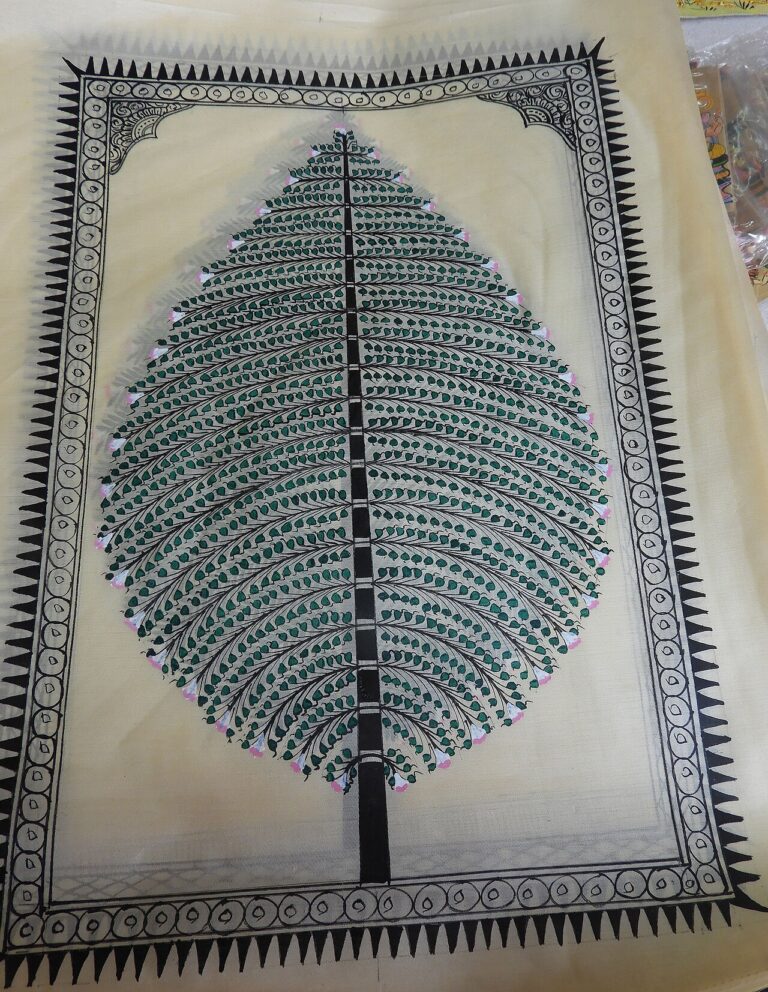
- ସାଉରା: ଗଞ୍ଜାମ-ଗଜପତି ଅଞ୍ଚଳର କାନ୍ଥଚିତ୍ର କଳା ପାଇଁ ପ୍ରସିଦ୍ଧ — ସାଉରା କଳା ପ୍ରସଙ୍ଗ ଦେଖନ୍ତୁ।
- ବଣ୍ଡା (ବୋଣ୍ଡା), ଜୁଆଙ୍ଗ, କୁଟିଆ କନ୍ଧ: ଓଡ଼ିଶାର ୧୩ ପ୍ରଜାତି ବିଶେଷ ନଜରର ଆଦିବାସୀ (PVTG) ତାଲିକାରେ — ଭାରତରେ ସର୍ବାଧିକ।
ଭାଷା, ନୃତ୍ୟ ଓ ଉତ୍ସବ
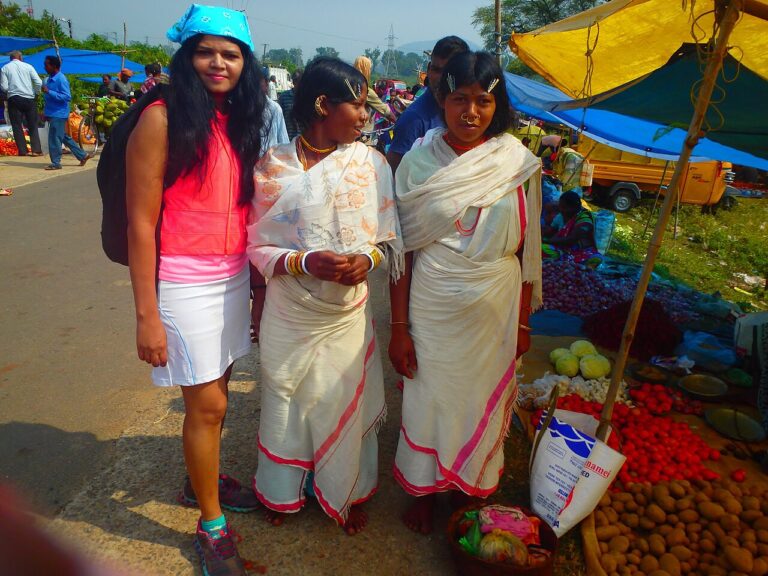
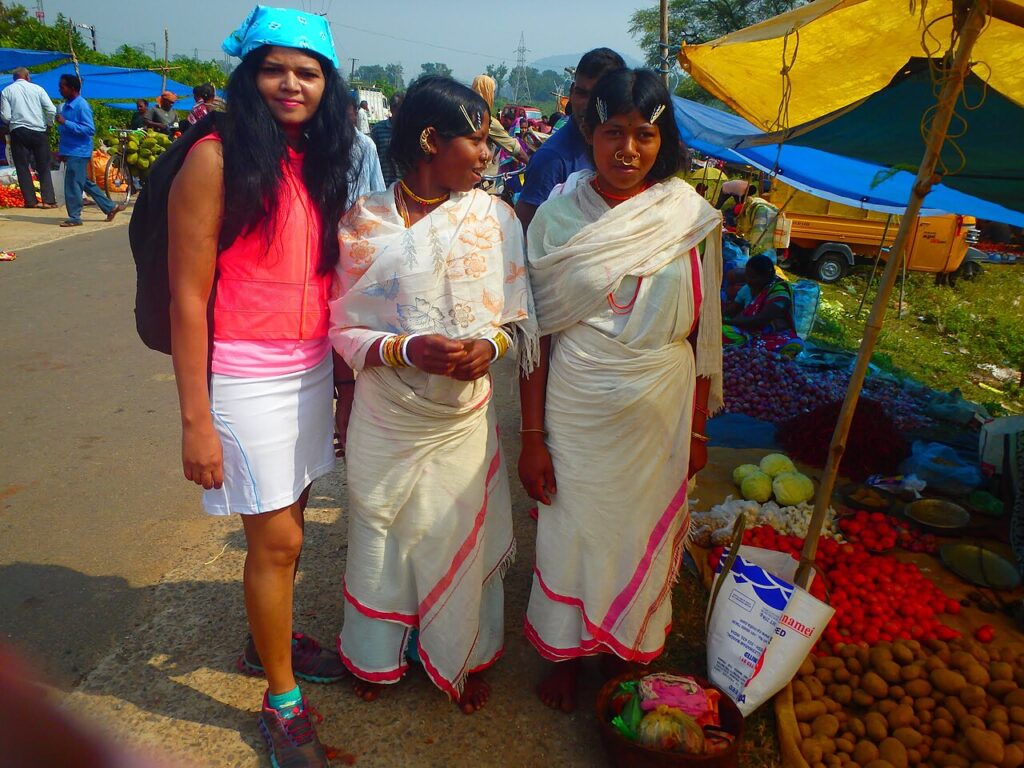
ଅଷ୍ଟ୍ରୋ-ଏସୀୟ (ସାନ୍ତାଳି), ଦ୍ରାବିଡ଼ (କୁଇ, କୁବି) ଓ ମୁଣ୍ଡା ପରିବାରର ଭାଷା ଏଠାରେ ଏକତ୍ର ବାସ କରନ୍ତି — ଏଭଳି ଘନତା ଭାରତରେ ଆଉ କେଉଁଠି ନାହିଁ। ଆଦିବାସୀ ନୃତ୍ୟ (ଧିମସା, ଦଙ୍ଗଡ଼ିଆ), ପର୍ବ ଓ ହାଟ (ସାପ୍ତାହିକ ବଜାର) ଏହି ସଂସ୍କୃତିର ପ୍ରାଣ।
- ନୂଆଖାଇ — ପଶ୍ଚିମ ଓଡ଼ିଶାର ସ୍ୱାଗତ ପର୍ବ — ନୂଆଖାଇ ପ୍ରସଙ୍ଗ।
- ଧନୁ ଯାତ୍ରା — ଆଦିବାସୀ-ଲୋକ ସଂମିଶ୍ରିତ ମହାନାଟ୍ୟ — ଅଲଗା ପ୍ରସଙ୍ଗ।
ଆଦିବାସୀ କଳା ଓ ଜନଜାତିର ବିସ୍ତୃତ ଆଲୋଚନା ଆଦିବାସୀ କଳା ଓ ଜନଜାତି ପ୍ରସଙ୍ଗରେ; ଭୁବନେଶ୍ୱରର SCSTRTI ଅନୁଷ୍ଠାନ ଏହି କ୍ଷେତ୍ରର ମୁଖ୍ୟ ଗବେଷଣା କ���େନ୍ଦ୍ର।
The Tribal Culture of Odisha
Odisha carries one of India’s largest and most diverse tribal populations: 62 Scheduled Tribes form 22.8% of the state’s population per the 2011 Census — over 9.5 million people, concentrated in the southern districts (Koraput, Rayagada, Malkangiri, Nabarangpur) and the central-northern belts (Sundargarh, Mayurbhanj).
The major communities
The Kondh (Kandha) are numerically dominant. Their hill-dwelling subgroup, the Dongria Kondh of the Niyamgiri range, won global attention in 2013 when gram sabhas voted against bauxite mining — a landmark in forest-rights jurisprudence. The Saura (Savara) of Ganjam-Gajapati paint the sacred wall murals known as ittalon; our dedicated piece covers Saura art. Odisha lists 13 Particularly Vulnerable Tribal Groups — the most of any Indian state — including the Bonda of Malkangiri’s highlands, the Juang of Keonjhar and the tattooed Kutia Kondh of Belghar.
Languages, festivals, expressive culture
- Languages: Austroasiatic (Santali), Dravidian (Kui, Kuvi) and Munda-family tongues coexist — a density unmatched in India.
- Dance: Dhemsa, Dangaria and Kedu Kotta ritual dances; Chhau of Mayurbhanj bridges tribal and classical worlds.
- Festivals: Nuakhai harvest festival; Dhanu Yatra open-air theatre.
Where to engage responsibly
Bhubaneswar’s Museum of Tribal Art & Artefacts (run by SCSTRTI) presents material culture with scholarly care, while the weekly village haats of Koraput and Rayagada offer genuine, non-extractive encounters. For the wider canvas of indigenous art, see tribal art and communities and the rock-art record in our ancient rock art essay.