ଓଡ଼ିଆ ଭାଷାରେ
ଗହିରମଣ୍ଡଳ ସମୁଦ୍ର ଅଭୟାରଣ୍ୟ: ଅଲିଭ ରିଡଲେ କଛୁଆଙ୍କ ବିଶ୍ୱର ସବୁଠାରୁ ବଡ଼ ପ୍ରଜନନ କ୍ଷେତ୍ର
ଓଡ଼ିଶାର ଭଦ୍ରକ ଜିଲ୍ଲାର ପୂର୍ବ ତଟରେ ଅବସ୍ଥିତ ଗହିରମଣ୍ଡଳ ସମୁଦ୍ର ଅଭୟାରଣ୍ୟ ବିଶ୍ୱର ସବୁଠାରୁ ବଡ଼ ଅଲିଭ ରିଡଲେ କଛୁଆ ଅଣ୍ଡା ଦେବା ସ୍ଥାନ ଭାବେ ପରିଚିତ। ବଙ୍ଗୋପସାଗରର ଏହି ଅନନ୍ୟ ପ୍ରାକୃତିକ ବାସସ୍ଥାନ ସମୁଦ୍ର ଜୀବଜଗତର ସମୃଦ୍ଧ ବିବିଧତା ପାଇଁ ଏକ ଅମୂଲ୍ୟ ସମ୍ପଦ। ୧୯୯୭ ମସିହାରେ ଏହି ଅଭୟାରଣ୍ୟକୁ ସରକାରୀ ମାନ୍ୟତା ମିଳିଥିଲା ଏବଂ ଏହା ପ୍ରାୟ ୧୪୩୫ ବର୍ଗ କିଲୋମିଟର ଅଞ୍ଚଳକୁ ବ୍ୟାପ୍ତ। ଗହିରମଣ୍ଡଳ ମୁହାଣରୁ ଆରମ୍ଭ କରି ହୁକିଟୋଲା ଦ୍ୱୀପ ପର୍ଯ୍ୟନ୍ତ ବିସ୍ତୃତ ଏହି ଅଭୟାରଣ୍ୟ ସମୁଦ୍ର ଓ ନଦୀମୁହାଣ କୂଳର ଏକ ଅନନ୍ୟ ପରିବେଶ ତନ୍ତ୍ରକୁ ପ୍ରତିନିଧିତ୍ୱ କରେ।
ଆରିବାଡା ଘଟଣା: ପ୍ରକୃତିର ଏକ ଅଦ୍ଭୁତ ନଜୀର
ଗହିରମଣ୍ଡଳର ସବୁଠାରୁ ଆକର୍ଷଣୀୟ ଦୃଶ୍ୟ ହେଉଛି ଆରିବାଡା ବା ମାସ୍ ନେସ୍ଟିଙ୍ଗ। ସ୍ପେନିସ୍ ଭାଷାର “ଆରିବାଡା” ଶବ୍ଦର ଅର୍ଥ ହେଉଛି “ଆଗମନ”। ହଜାର ହଜାର ଅଲିଭ ରିଡଲେ କଛୁଆ ଏକା ସାଥିରେ ସମୁଦ୍ର ପାରି ହୋଇ ବାଲି କୂଳକୁ ଆସନ୍ତି ଏବଂ ଏକା ରାତିରେ ହଜାର ହଜାର ଅଣ୍ଡା ଦେଇଥାନ୍ତି। ଏହି ଦୃଶ୍ୟ ଯେକୌଣସି ପ୍ରକୃତିପ୍ରେମୀଙ୍କ ପାଇଁ ଏକ ଅବିସ୍ମରଣୀୟ ଅନୁଭୂତି। ରାତିର ଅନ୍ଧାରରେ ଚନ୍ଦ୍ରିମାର ଆଲୋକକୁ ନିର୍ଦ୍ଦେଶନା କରି ଏହି କଛୁଆମାନେ ହଜାର କିଲୋମିଟର ଦୂରରୁ ଆସି ଠିକ୍ ସେହି ବାଲିକୂଳକୁ ପହଞ୍ଚନ୍ତି ଯେଉଁଠାରେ ସେମାନେ ଜନ୍ମ ହୋଇଥିଲେ। ପ୍ରତି ବର୍ଷ ଲକ୍ଷ ଲକ୍ଷ କଛୁଆ ଏହି ଅଭୟାରଣ୍ୟର ବାଲିକୂଳରେ ଅଣ୍ଡା ଦେଇଥାନ୍ତି।
ଅଣ୍ଡା ଦେବା ସମୟ: ଜାନୁଆରୀ ରୁ ମାର୍ଚ୍ଚ
ପ୍ରତିବର୍ଷ ଜାନୁଆରୀ ମାସରୁ ମାର୍ଚ୍ଚ ମାସ ମଧ୍ୟରେ ଗହିରମଣ୍ଡଳର ବାଲିକୂଳରେ ଅଲିଭ ରିଡଲେ କଛୁଆମାନେ ଅଣ୍ଡା ଦେବା ଆରମ୍ଭ କରନ୍ତି। ଏହି ସମୟରେ ଶୀତ ଋତୁର ଶେଷ ଆରମ୍ଭ ହୋଇଥାଏ ଏବଂ ସମୁଦ୍ରର ତାପମାତ୍ରା କଛୁଆମାନଙ୍କ ପାଇଁ ଅନୁକୂଳ ରହେ। ଫେବୃଆରୀ ମାସ ହେଉଛି ଏହି ପ୍ରକ୍ରିୟାର ସର୍ବାଧିକ ସମୟ। ଗୋଟିଏ ମାଈ କଛୁଆ ପ୍ରାୟ ୧୦୦ରୁ ୧୨୦ଟି ଅଣ୍ଡା ଦେଇଥାଏ। ସେ ବାଲିରେ ଗର୍ତ୍ତ ଖୋଳି ଅଣ୍ଡା ଦେଇ ବାଲିରେ ଢାଙ୍କି ଦିଏ ଏବଂ ପୁନର୍ବାର ସମୁଦ୍ରକୁ ଫେରିଯାଏ। ୪୫ରୁ ୬୦ ଦିନ ପରେ ଛୁଆ କଛୁଆମାନେ ଅଣ୍ଡା ଫାଟି ବାହାରି ଆସନ୍ତି ଏବଂ ସମୁଦ୍ର ଆଡ଼କୁ ଗତି କରନ୍ତି।
ସଂରକ୍ଷଣ ଇତିହାସ
ଗହିରମଣ୍ଡଳର ସଂରକ୍ଷଣ ଇତିହାସ ବେଶ୍ ପୁରୁଣା। ୧୯୭୦ ଦଶକରେ ଏହି ଅଞ୍ଚଳରେ କଛୁଆ ଅଣ୍ଡା ଦେବାର ତଥ୍ୟ ପ୍ରଥମେ ବୈଜ୍ଞାନିକମାନଙ୍କ ଧ୍ୟାନ ଆକର୍ଷଣ କରିଥିଲା। ୧୯୭୫ ମସିହାରେ ପ୍ରଖ୍ୟାତ ପ୍ରକୃତିବିଦ୍ ଡକ୍ଟର ହୃଷିକେଶ ପଣ୍ଡା ଏହି ଅଞ୍ଚଳର ଗୁରୁତ୍ୱକୁ ବିଶ୍ୱବାସୀଙ୍କ ଦୃଷ୍ଟିଗୋଚର କରାଇଥିଲେ। ତତ୍କାଳୀନ ମୁଖ୍ୟମନ୍ତ୍ରୀ ବିଜୁ ପଟ୍ଟନାୟକଙ୍କ ପ୍ରୟାସରେ ଏହି ଅଞ୍ଚଳର ସୁରକ୍ଷା ପାଇଁ ବ୍ୟବସ୍ଥା ନିଆଯାଇଥିଲା। ୧୯୯୭ ମସିହାରେ ଏହାକୁ ଆନୁଷ୍ଠାନିକ ଭାବେ ସମୁଦ୍ର ଅଭୟାରଣ୍ୟ ଘୋଷଣା କରାଯାଇଥିଲା। ଭାରତ ସରକାରଙ୍କ ବନ୍ୟଜୀବ ସୁରକ୍ଷା ଅଧିନିୟମ ୧୯୭୨ ଅନ୍ତର୍ଗତ ଏହା ସଂରକ୍ଷିତ।
ଭିତରକନିକା ସହିତ ସମ୍ପର୍କ
ଗହିରମଣ୍ଡଳ ସମୁଦ୍ର ଅଭୟାରଣ୍ୟ ଭିତରକନିକା ଜାତୀୟ ଉଦ୍ୟାନ ସହିତ ଓତଃପ୍ରୋତ ଭାବେ ଜଡ଼ିତ। ଭିତରକନିକାର ମାଙ୍ଗ୍ରୋଭ ଅରଣ୍ୟ ଏବଂ ଗହିରମଣ୍ଡଳର ସମୁଦ୍ର ତଟ ମିଳିତ ଭାବେ ଏକ ଅନନ୍ୟ ପରିବେଶ ତନ୍ତ୍ର ସୃଷ୍ଟି କରନ୍ତି। ବ୍ରାହ୍ମଣୀ ଓ ବୈତରଣୀ ନଦୀର ମୁହାଣରେ ଥିବା ଏହି ଅଞ୍ଚଳରେ ମାଙ୍ଗ୍ରୋଭ ଜଙ୍ଗଲ ସମୁଦ୍ରରୁ ଆସୁଥିବା ପ୍ରବାଳ ପ୍ରାଣୀ, ମାଛ ଓ ଅନ୍ୟ ସମୁଦ୍ର ଜୀବମାନଙ୍କ ପାଇଁ ଆଶ୍ରୟ ସ୍ଥଳୀ ସାଜିଥାଏ, ଯାହା ପରବର୍ତ୍ତୀ ସମୟରେ ଅଲିଭ ରିଡଲେ କଛୁଆମାନଙ୍କ ଖାଦ୍ୟ ଭାବେ କାମ କରେ। ୨୦୦୨ ମସିହାରେ ଭିତରକନିକାକୁ ୟୁନେସ୍କୋ ବିଶ୍ୱ ଐତିହ୍ୟ ସ୍ଥଳ ଭାବେ ଘୋଷଣା କରାଯାଇଥିଲା, ଯେଉଁଥିରେ ଗହିରମଣ୍ଡଳର ଭୂମିକା ଅତ୍ୟନ୍ତ ଗୁରୁତ୍ୱପୂର୍ଣ୍ଣ।
ପରିବେଶ ଗୁରୁତ୍ୱ
ଗହିରମଣ୍ଡଳ ସମୁଦ୍ର ଅଭୟାରଣ୍ୟର ପରିବେଶ ଗୁରୁତ୍ୱ ଅପୂର୍ବ। ଅଲିଭ ରିଡଲେ କଛୁଆ ସମୁଦ୍ର ପରିବେଶ ତନ୍ତ୍ରର ସୂଚକ ପ୍ରଜାତି ଭାବେ ପରିଗଣିତ। ସେମାନେ ସମୁଦ୍ରରେ ଥିବା ଜେଲିଫିସ୍, ସିପ୍ ଓ ଅନ୍ୟ ଅମେରୁଦଣ୍ଡୀ ପ୍ରାଣୀଙ୍କୁ ଖାଦ୍ୟ ରୂପେ ଗ୍ରହଣ କରି ସମୁଦ୍ରର ସାମଞ୍ଜସ୍ୟ ବଜାୟ ରଖନ୍ତି। କଛୁଆ ଅଣ୍ଡାରୁ ବାହାରୁଥିବା ପୋଷକ ତତ୍ତ୍ୱ ବାଲିକୂଳର ଉର୍ବରତା ବୃଦ୍ଧି କରେ ଏବଂ ଉଦ୍ଭିଦ ବୃଦ୍ଧିରେ ସାହାଯ୍ୟ କରେ। ଏହି ଅଭୟାରଣ୍ୟରେ ଡଲ୍ଫିନ୍, ହ୍ୱେଲ୍, ବିଭି�
In English
Introduction to Gahirmatha Marine Sanctuary
Gahirmatha Marine Sanctuary, nestled along the coastline of Bhadrak district in Odisha, India, stands as one of the most remarkable natural heritage sites on the planet. Stretching across approximately 1,435 square kilometers of mangrove-adjacent coastal waters, this protected marine area holds a singular and extraordinary distinction: it is the world’s largest known nesting ground for the Olive Ridley sea turtle (Lepidochelys olivacea). Every year, hundreds of thousands of these gentle marine reptiles emerge from the depths of the Bay of Bengal to converge upon the sandy beaches of Gahirmatha in a spectacle that has captivated scientists, conservationists, and nature enthusiasts for decades. The sanctuary derives its name from the Gahirmatha river mouth, where the mass nesting events primarily unfold across several key beach stretches including the Nasi Islands, Wheeler Island, and the mainland beach near the mouth of the Dhamra River. Recognized under the Wildlife Protection Act of 1972, Gahirmatha represents not just an Indian conservation success story but a globally significant ecological stronghold for a species classified as Vulnerable on the IUCN Red List.
The Arribada Phenomenon: Nature’s Greatest Gathering
The defining characteristic of Gahirmatha is the arribada, a Spanish word meaning “arrival” that describes the synchronized mass nesting behavior unique to Olive Ridley and Kemp’s Ridley sea turtles. During an arribada event, tens of thousands to hundreds of thousands of female Olive Ridleys arrive simultaneously on the beach over a period of several days to a week. This phenomenon is one of the most awe-inspiring natural spectacles on Earth, comparable only to the great wildebeest migration of Africa or the spawning runs of Pacific salmon. The precise triggers for the arribada remain a subject of ongoing scientific inquiry, but researchers believe it is influenced by a combination of environmental cues including offshore winds, lunar cycles, tidal patterns, and perhaps most intriguingly, pheromonal signaling among females gathered in the waters just offshore. What makes the arribada truly extraordinary is the precision of its timing. Female turtles, which have spent the intervening months foraging across vast stretches of the Indian Ocean, somehow coordinate their return to nest within a remarkably narrow window of time. This synchronized strategy is believed to have evolved as a predator-swamping mechanism. By overwhelming potential predators such as jackals, wild dogs, birds of prey, and ghost crabs with an impossibly large number of eggs and hatchlings in a brief period, the species ensures that at least some offspring survive to adulthood. At Gahirmatha, arribada events have been documented involving upwards of 500,000 nesting females in a single season, with peak nights seeing an estimated 100,000 or more turtles coming ashore simultaneously.
Nesting Season: January Through March
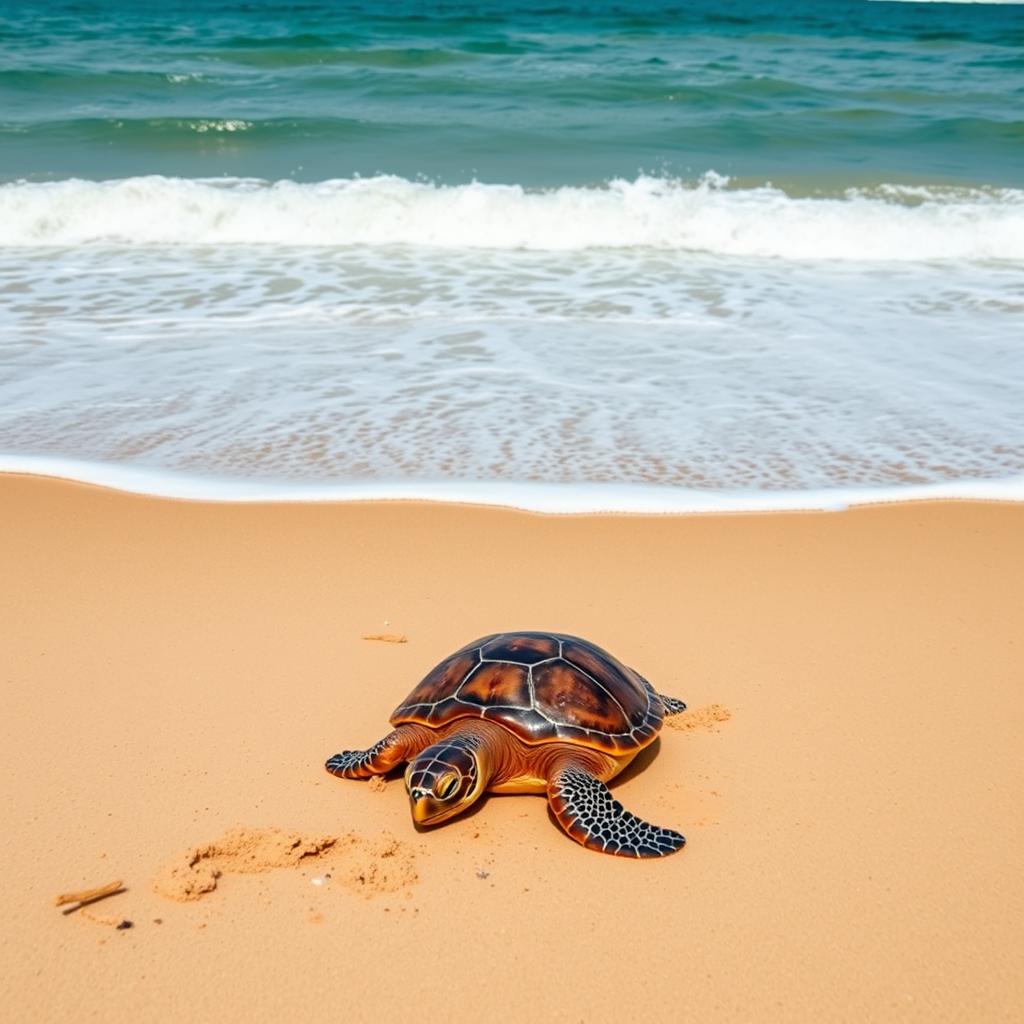
The nesting season at Gahirmatha typically begins in January and extends through March, with peak activity usually concentrated in February. The female Olive Ridleys, each measuring between 60 and 75 centimeters in carapace length and weighing 30 to 50 kilograms, begin arriving in the shallow coastal waters off Gahirmatha weeks before the actual nesting begins. During this pre-nesting phase, large congregations, known as “rafts,” can be observed floating just beyond the surf zone. When the moment arrives, typically under the cover of darkness and often coinciding with high tide, the females haul themselves onto the beach. Each female uses her hind flippers to excavate a flask-shaped nest chamber approximately 40 to 50 centimeters deep. Into this carefully constructed cavity, she deposits a clutch of 100 to 180 soft-shelled eggs before meticulously covering and camouflaging the nest with sand. The entire nesting process, from emerging from the sea to returning to the water, takes roughly 45 minutes to an hour. After completing her nesting duty, the female returns to the ocean, never to see her offspring. The eggs incubate in the warm sand for approximately 45 to 60 days, with the temperature of the nest determining the sex ratio of the hatchlings, a fascinating phenomenon known as temperature-dependent sex determination. Higher temperatures produce predominantly female hatchlings, while cooler temperatures yield more males. When the time comes, usually in April and May, the tiny hatchlings emerge en masse and instinctively orient themselves toward the moonlit horizon and the sea, beginning a perilous journey that will take them into the open ocean.
The Bhitarkanika Connection
Gahirmatha Marine Sanctuary cannot be fully understood without appreciating its intimate ecological and geographical connection to the Bhitarkanika Mangrove ecosystem. Bhitarkanika, located in the neighboring Kendrapara district, is one of India’s finest and most extensive mangrove forests, spread across approximately 672 square kilometers and designated as a Ramsar Wetland of International Importance. The Gahirmatha beach essentially forms the seaward boundary of this vast mangrove complex. The Brahmani, Baitarani, and Dhamra rivers, which sustain the Bhitarkanika mangroves, also deposit nutrient-rich sediments along the Gahirmatha coastline, creating and maintaining the sandy beach conditions essential for turtle nesting. The mangroves themselves play a crucial role in the broader marine food web that supports Olive Ridley populations. The dense root systems of the mangrove forests serve as nursery grounds for a vast array of marine organisms including shrimp, crabs, and small fish, which form the base of the food chain that ultimately sustains the turtles during their non-nesting foraging phase. Furthermore, the mangroves provide critical coastal protection, stabilizing the shoreline and preventing erosion that could otherwise degrade nesting beaches. The Bhitarkanika National Park, which encompasses the core mangrove area, and Gahirmatha Marine Sanctuary together form an interconnected protected area network that is essential for the long-term survival of the Olive Ridley population in this region.
Conservation History and Ecological Importance
The conservation history of Gahirmatha is a narrative of growing awareness, scientific discovery, and institutional action. While local fishing communities had long known about the mass nesting events, the site first came to widespread scientific attention in the 1970s. Pioneering research by herpetologists and marine biologists revealed the staggering scale of the nesting aggregations and highlighted the global significance of the site. In 1975, a portion of the Gahirmatha coastline was afforded legal protection, and in 1997, the area was formally declared a Marine Sanctuary under the provisions of the Wildlife Protection Act. The ecological importance of Gahirmatha extends far beyond the Olive Ridley turtles themselves. The sanctuary supports a rich marine biodiversity including dolphins, several species of sea snakes, commercially important fish and crustacean populations, and a diverse assemblage of seabirds. The mass nesting events also have profound ecological cascading effects. The thousands of unhatched eggs and the nutrient-rich remains of hatchlings that fail to reach the sea contribute significant organic matter to the beach and nearshore ecosystem, fertilizing dune vegetation and supporting scavenger populations. From a global conservation perspective, Gahirmatha is irreplaceable. While Olive Ridleys also nest at other sites along the Odisha coast, including the Rushikulya river mouth and the Devi river mouth, as well as in Costa Rica and Mexico, Gahirmatha consistently accounts for the largest number of nesting turtles, often hosting more than half of the global Olive Ridley nesting population in a given year. The loss of this site would represent a catastrophic blow to the species’ global prospects.
Threats: Fishing Nets and Coastal Development
Despite its protected status, Gahirmatha faces an array of persistent and emerging threats that continue to challenge conservation efforts. The single most significant threat to Olive Ridleys at Gahirmatha is accidental capture and drowning in commercial fishing gear, particularly trawl nets and gill nets. As the turtles migrate through nearshore waters toward the nesting beaches, they frequently become entangled in fishing nets deployed by mechanized and motorized fishing vessels operating in the vicinity. Unable to surface to breathe, the trapped turtles drown within minutes. It is estimated that thousands of Olive Ridleys die in fishing net entanglement each year along the Odisha coast, making bycatch mortality the leading cause of adult turtle deaths. Coastal development poses another serious and growing threat. The construction of ports, harbors, and industrial facilities along the Odisha coastline has accelerated in recent years. The Dhamra Port, located near the northern boundary of the sanctuary, has been a particular source of conservation concern. Port construction and associated activities, including dredging, increased shipping traffic, artificial lighting, and shoreline modification, can disrupt turtle migration routes, degrade nesting habitats, and disorient both nesting females and hatchlings. Artificial light pollution from coastal infrastructure is especially problematic, as hatchlings rely on natural light cues from the horizon over the ocean to find their way to the sea. Bright artificial lights can cause hatchlings to move inland, where they succumb to dehydration, predation, or exhaustion. Climate change and its associated impacts, including sea-level rise, increased storm intensity, and rising sand temperatures, represent a longer-term existential threat that could fundamentally alter the suitability of Gahirmatha’s nesting beaches.
Government Protection Measures
The Government of Odisha, in collaboration with the Ministry of Environment, Forest and Climate Change and the Forest Department, has implemented a comprehensive suite of protection measures to safeguard the Olive Ridley turtles at Gahirmatha. The most critical regulation is the seasonal prohibition on mechanized fishing within a designated zone extending up to 20 kilometers from the coastline along the entire stretch of the Gahirmatha sanctuary and adjacent turtle nesting areas. This fishing ban, typically enforced from November through May, is designed to create a safe corridor for migrating and nesting turtles. Enforcement is carried out by the Coast Guard, the State Marine Police, and the Forest Department, with regular patrols to intercept and deter fishing vessels from entering the prohibited zone. Violators face significant penalties including fines, vessel seizure, and imprisonment under the Wildlife Protection Act. The Forest Department also maintains turtle protection camps along the nesting beaches, staffed by forest guards and local community members who monitor nesting activity, protect nests from predators and human disturbance, and assist in the safe release of hatchlings. In recent years, the government has promoted the use of Turtle Excluder Devices (TEDs) in trawl nets operating in areas adjacent to the sanctuary. TEDs are specialized grid fittings that allow trapped turtles to escape through an opening in the net while retaining the targeted catch. Conservation awareness programs targeting local fishing communities have also been intensified, emphasizing the ecological and economic value of healthy turtle populations and seeking to foster community-based conservation stewardship.
How to Visit and Best Time to Go
Visiting Gahirmatha Marine Sanctuary to witness the Olive Ridley arribada is a deeply rewarding but logistically challenging experience that requires careful planning and realistic expectations. The sanctuary is located approximately 150 kilometers from Bhubaneswar, the state capital, and the journey typically involves traveling to Bhadrak town by road or rail, followed by a drive to the coastal areas near Dhamra or Chandbali, the primary access points for the sanctuary. From these points, visitors must arrange boat transport to reach the nesting beaches, particularly the Nasi Islands, where the most spectacular arribada events occur. It is important to understand that access to the nesting beaches is strictly regulated by the Forest Department, and entry is not guaranteed. Permission must be obtained in advance from the Divisional Forest Officer of the Rajnagar Mangrove (Wildlife) Forest Division, which has jurisdiction over the sanctuary. Visitors are typically accompanied by forest department personnel and are required to adhere to strict guidelines including maintaining silence, avoiding flash photography, staying at a designated distance from nesting turtles, and not disturbing nests or hatchlings. The best time to visit is during the peak nesting period, which generally falls between the last week of January and the second week of March, though the exact timing varies from year to year and is impossible to predict with certainty. February is traditionally considered the most reliable month. Visitors should be prepared for basic accommodation options in the nearby towns of Dhamra, Chandbali, or Rajnagar, as there are no luxury facilities within or immediately adjacent to the sanctuary. Early morning and nighttime visits offer the best chances of witnessing nesting activity, as turtles predominantly come ashore after dark and before dawn. Patience is essential, as the arribada may begin suddenly and the intensity of nesting can vary dramatically from night to night. For those who time their visit correctly, however, the experience of standing on a dark beach while thousands of ancient marine reptiles emerge from the surf under a canopy of stars is nothing short of transformative.