ମାଛ ବେସରା: ଉପକୂଳ ଓଡ଼ିଶାର ସ୍ୱାଦ
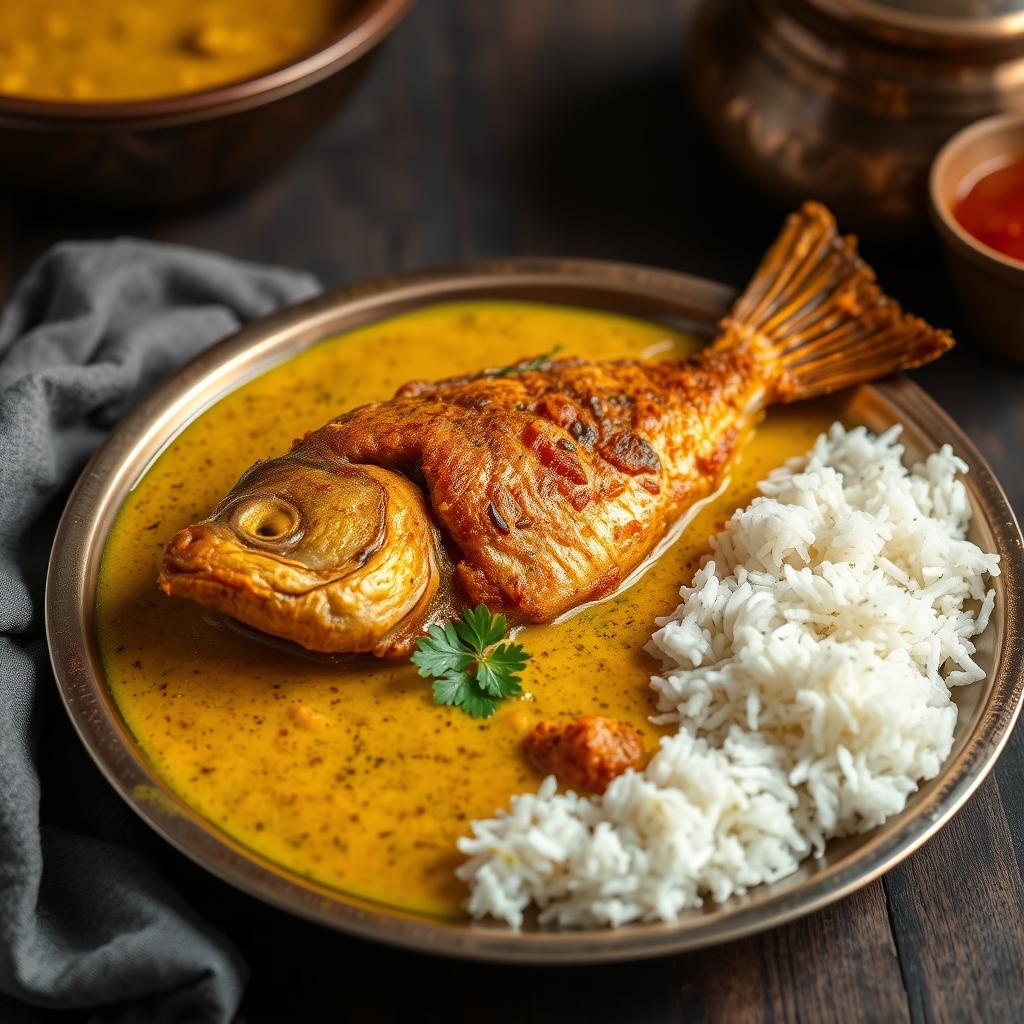
ଓଡ଼ିଶାର ୪୮୦ କିଲୋମିଟର ଉପକୂଳରେ ମାଛ କେବଳ ଖାଦ୍ୟ ନୁହେଁ — ସଂସ୍କୃତି। ଏହି ପରିପ୍ରେକ୍ଷୀରେ ଜନ୍ମ ନେଇଛି ମାଛ ବେସରା: ସୋରିଷ ବାଟରେ ରାନ୍ଧା ମାଛ, ଯାହା ଓଡ଼ିଆ ଘରର ସ୍ୱାଦର ଏକ ସ୍ତମ୍ଭ।
ବେସରା ଶୈଳୀ କ’ଣ
“ବେସରା” ମାନେ ସୋରିଷ ମସଲାରେ ପ୍ରସ୍ତୁତ ଯେକୌଣସି ତରକାରୀ। କଞ୍ଚା ସୋରିଷ, ରସୁଣ ଓ ଶୁଣ୍ଠି ବାଟି ଏକ ଘନ ପେଷ୍ଟ ତିଆରି ହୁଏ; ଏଥିରେ ହଳଦୀ, ଜିରା ଓ ଲୁଣ ମିଶାଯାଏ ଏବଂ ଏହି ମିଶ୍ରଣରେ ମାଛ (ସାଧାରଣତଃ ରୁହି ବା ଭେକୁରା) ମାରିନେଟ ହୋଇ ତେଲରେ କଷାଯାଏ, ପରେ ପାଣି ଦେଇ ସିଝାଯାଏ। ଶେଷରେ କଡ଼ପତ୍ର ଓ କାଳିମେଥି ଛାଙ୍କରେ ସୁଗନ୍ଧ ଆସେ। କିଛି ଅঞ୍ଚଳରେ ଅମ୍ବିଳା ସ୍ୱାଦ ପାଇଁ କଞ୍ଚା କଦଳୀ ମଧ୍ୟ ପକାଯାଏ।
ଖାଦ୍ୟସଂସ୍କୃତି ପ୍ରସଙ୍ଗ
- ମାଛ ବେସରା ସାଧାରଣତଃ ଭାତ ସହ ଖାଆନ୍ତି; ଶୁଖିଲା ମାଛର (ସୁଖୁଆ) ବେସରା ମଧ୍ୟ ପ୍ରସିଦ୍ଧ।
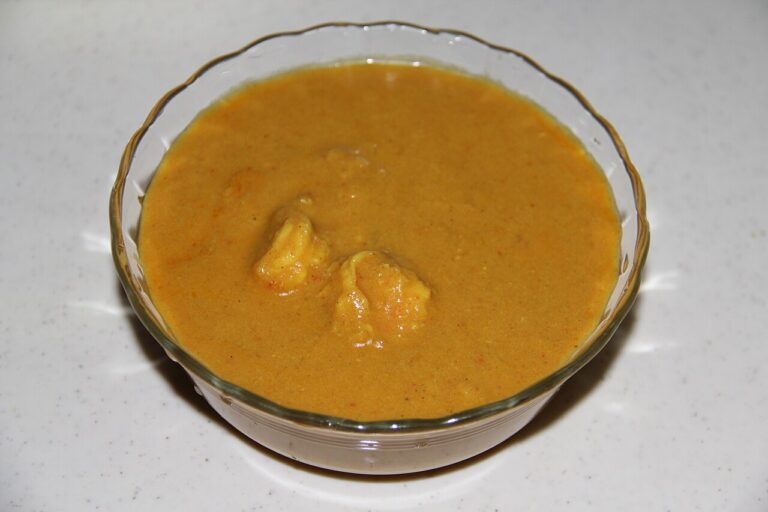
- ଚିଙ୍ଗୁଡ଼ି ପ୍ରେମୀଙ୍କ ପାଇଁ ଚିଙ୍ଗୁଡ଼ି ତରକାରୀର ଅଲଗା ପ୍ରସଙ୍ଗ ଅଛି.
- ମାଛମାନଙ୍କର ଉତ୍ସ — ଚିଲିକା ଓ ବଙ୍ଗୋପସାଗର.
ମାଛ ଛଡ଼ା ବେସରା ଢଙ୍ଗରେ ପରିବା ବେସରା, ଝୁଡ଼ୁଙ୍ଗ ବେସରା ମଧ୍ୟ ଲୋକପ୍ରିୟ — ଆମ ଖାଦ୍ୟ-ବିଭାଗରେ ଡାଲମା ପ୍ରସଙ୍ଗରୁ ଆରମ୍ଭ କରି ଅନ୍ୟାନ୍ୟ ଓଡ଼ିଆ ରୋଷେଇ ଲେଖା ମିଳିଯିବ।
Machha Besara: Mustard-Curried Fish from Coastal Odisha
Along Odisha’s 480-km coastline, fish is identity. Machha Besara — fish simmered in a pounded mustard gravy — is the definitive everyday expression of that identity, served in homes from Balasore to Gopalpur.
The technique
Besara denotes anything cooked in mustard paste: raw mustard seeds are ground with garlic and ginger into a pungent, golden base, seasoned with turmeric, cumin and salt. Fish — most often rohu or vetki — is marinated in this paste, lightly fried, then simmered with water or tomato to a thick curry, finished with curry leaves and nigella seeds. In some districts raw banana goes in for gentle sourness. A variation with prawns is beloved enough to deserve its own piece on chingudi curry; the same besara method with vegetables or bamboo shoot keeps the tradition going on meatless days.
Context on the Odia plate
| Element | Role |
|---|---|
| Rice | The centre of every meal |
| Machha besara | Main side — fish in mustard |
| Bhaja / sukua | Fried side; dried fish variant of besara |
The catch itself comes from the Bay of Bengal and Chilika lagoon — Asia’s largest brackish water lake, which we cover in its own Chilika guide. For the temple-cooking parallel (no onion, no garlic), see dalma and the mahaprasad tradition; for monsoon’s fermented-rice counterpart, our pakhala essay.