ଓଡ଼ିଆ ସାହିତ୍ୟ: କବି ଏବଂ ଲେଖକOdia Literature: Poets and Writers
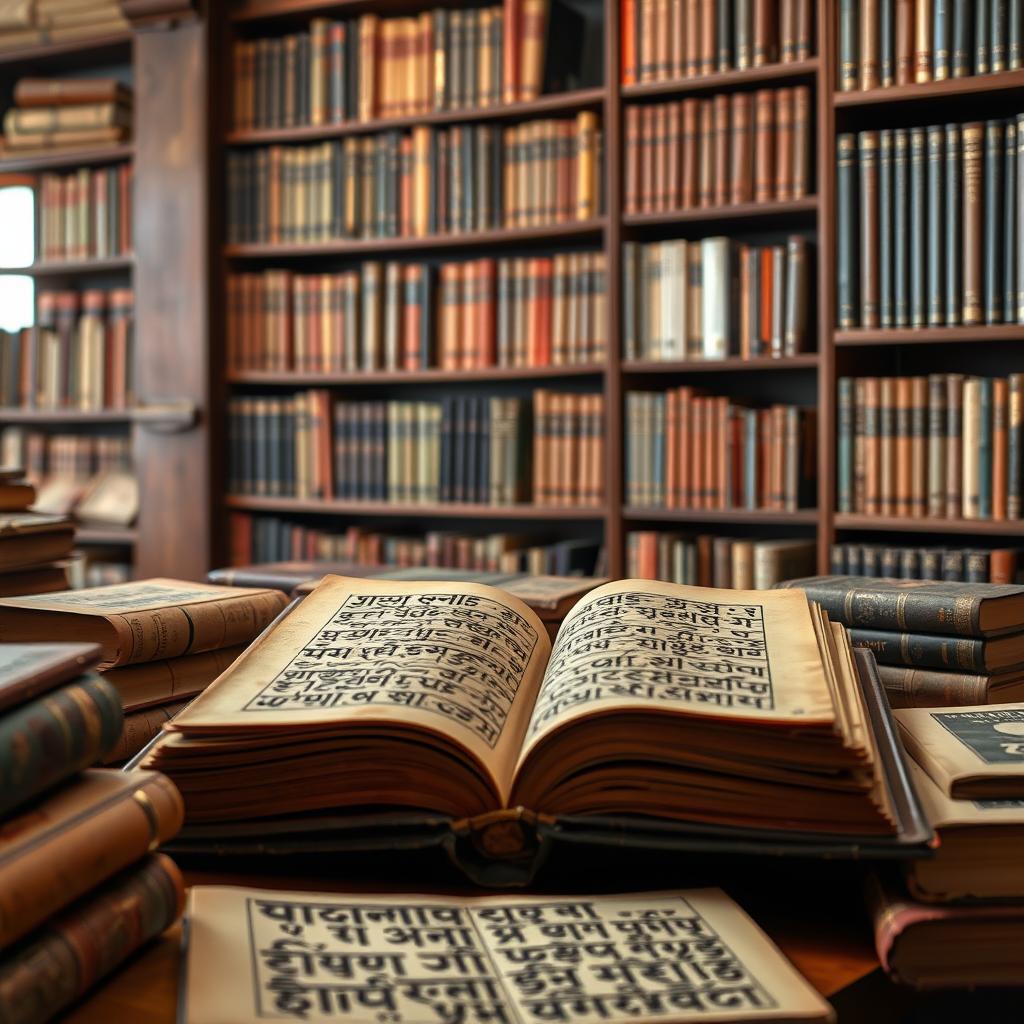
ଓଡ଼ିଆ ସାହିତ୍ୟ ଭାରତର ସବୁଠାରୁ ପ୍ରାଚୀନ ଏବଂ ସମୃଦ୍ଧ ସାହିତ୍ୟିକ ପରମ୍ପରାମାନଙ୍କ ମଧ୍ୟରୁ ଅନ୍ୟତମ। ଏହା ପ୍ରାୟ ଏକ ସହସ୍ରାବ୍ଦୀରୁ ଅଧିକ ସମୟର ଏକ ଅବିଚ୍ଛିନ୍ନ ସାହିତ୍ୟିକ ଯାତ୍ରାକୁ ନିଜ ଭିତରେ ସମେତ କରିଛି। ସଂସ୍କୃତ ମହାକାବ୍ୟରୁ ଆରମ୍ଭ କରି ଆଧୁନିକ ଗଦ୍ୟ ସାହିତ୍ୟ ପର୍ଯ୍ୟନ୍ତ ଓଡ଼ିଆ ସାହିତ୍ୟ ବିଭିନ୍ନ ସ୍ତରରେ ନିଜର ବିକାଶ ଅଭିଭୂତ କରିଛି। ଏହି ସାହିତ୍ୟିକ ଐତିହ୍ୟ ଓଡ଼ିଆ ଭାଷାକୁ ଭାରତ ସରକାରଙ୍କଦ୍ୱାରା ୨୦୧୪ ମସିହାରେ ଶାସ୍ତ୍ରୀୟ ଭାଷାର ମାନ୍ୟତା ପାଇବାରେ ମୁଖ୍ୟ ଭୂମିକା ନିଭାଇଥିଲା।Odia literature is one of the oldest and richest literary traditions in India, encompassing an unbroken literary journey spanning over a millennium. From Sanskrit-inspired epics to modern prose, Odia literature has evolved through diverse phases, producing masterpieces that reflect the cultural, spiritual, and social fabric of Odisha. This literary heritage played a pivotal role in the Government of India conferring classical language status upon Odia in 2014, making it the first language from the Odia family to receive this prestigious recognition.
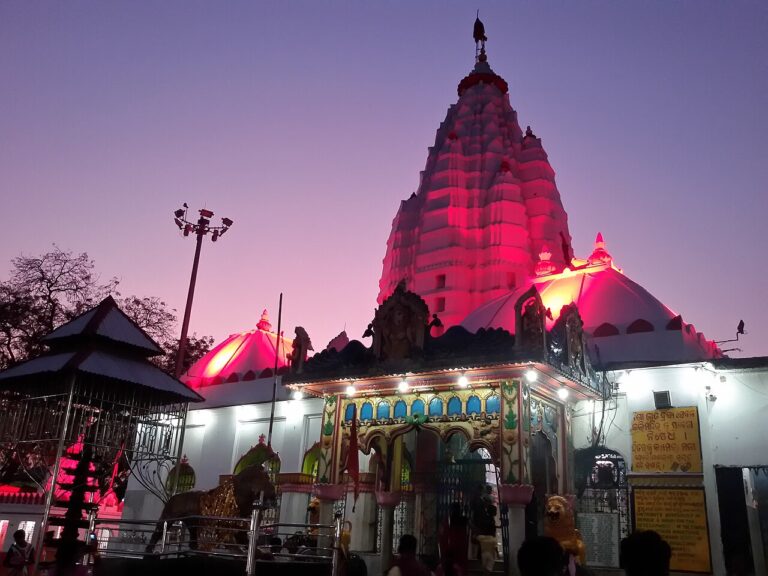
ସାଳେଶ୍ୱରୀ ମନ୍ଦିର: ସମ୍ବଲପୁରର ଆଦିଶକ୍ତିSamaleswari Temple: The Presiding Goddess of Sambalpur
ଐତିହାସିକ ପୃଷ୍ଠଭୂମି ଏବଂ ଉତ୍ପତ୍ତିHistorical Background and Origins
ଓଡ଼ିଆ ସାହିତ୍ୟର ଆଦି ରୂପ ବୌଦ୍ଧ ସିଦ୍ଧ ସାହିତ୍ୟର ଚର୍ୟାଗୀତିରେ ଦେଖାଯାଏ, ଯାହା ଅଷ୍ଟମରୁ ଦଶମ ଶତାବ୍ଦୀ ସମୟର। ଏହି ଚର୍ୟାଗୀତିମାନଙ୍କରେ ଓଡ଼ିଆ, ବଙ୍ଗଳା ଏବଂ ଅସମୀୟା ଭାଷାର ପ୍ରାରମ୍ଭିକ ରୂପର ପ୍ରମାଣ ମିଳେ। ଯଦିଓ ଏହି ଚର୍ୟାଗୀତିମାନଙ୍କ ଭାଷାଗତ ସମ୍ବନ୍ଧ ନେଇ ପଣ୍ଡିତମାନଙ୍କ ମଧ୍ୟରେ ମତଭେଦ ରହିଛି, ତଥାପି ଏଗୁଡ଼ିକ ପୂର୍ବ ଭାରତୀୟ ଆର୍ଯ୍ୟ ଭାଷାର ପ୍ରାଚୀନତାକୁ ପ୍ରମାଣିତ କରନ୍ତି। ଏହାପରେ ଦଶମ ଶତାବ୍ଦୀର ଅନେକ ଶିଳାଲେଖ ଏବଂ ତାମ୍ରଫଳକରେ ଓଡ଼ିଆ ଭାଷାର ବିକାଶର ସ୍ପଷ୍ଟ ପ୍ରମାଣ ମିଳେ। କଳିଙ୍ଗର ରାଜା ଯଯାତି କେଶରୀଙ୍କ ସମୟର ଶିଳାଲେଖଗୁଡ଼ିକ ଓଡ଼ିଆ ଲିପି ଏବଂ ଭାଷାର ପ୍ରାଚୀନତାର ଦୃଢ଼ ପ୍ରମାଣ ସ୍ୱରୂପ ବିବେଚିତ।The earliest traces of Odia literature can be found in the Charya Padas of Buddhist Siddha literature, dating approximately from the eighth to the tenth century. These mystic verses, composed by Buddhist tantric practitioners, contain linguistic elements that scholars associate with the early forms of Odia, Bengali, and Assamese. While there remains scholarly debate regarding the exact linguistic attribution of these compositions, they undeniably establish the antiquity of eastern Indian Aryan languages. Subsequently, numerous stone inscriptions and copperplate grants from the tenth century onward provide concrete evidence of the development of the Odia language and script. The inscriptions from the reign of the Kalinga kings, particularly those from the time of Yayati Kesari, serve as firm proof of the antiquity of the Odia script, which evolved from the Kalinga script that itself descended from the Brahmi script.
ଓଡ଼ିଆ ସାହିତ୍ୟର ପ୍ରକୃତ ଆରମ୍ଭ ପଞ୍ଚଦଶ ଶତାବ୍ଦୀରେ ଆଦିକବି ସାରଳା ଦାସଙ୍କ ରଚନା ସହିତ ଜଡ଼ିତ। ସାରଳା ଦାସ ଓଡ଼ିଆ ଭାଷାରେ ମହାଭାରତ, ବିଲଙ୍କ ରାମାୟଣ ଏବଂ ଚଣ୍ଡୀ ପୁରାଣର ରଚନା କରିଥିଲେ। ତାଙ୍କର ଓଡ଼ିଆ ମହାଭାରତ ସଂସ୍କୃତ ମୂଳ ଗ୍ରନ୍ଥର ସରଳ ଅନୁବାଦ ନୁହେଁ, ବରଂ ଏକ ସ୍ୱତନ୍ତ୍ର ସୃଷ୍ଟି ଯେଉଁଥିରେ ଓଡ଼ିଶାର ଲୋକଜୀବନ, ଆଚାର ଏବଂ ବିଶ୍ୱାସର ସୁନ୍ଦର ମିଶ୍ରଣ ରହିଛି। ସାରଳା ଦାସ ସଂସ୍କୃତ ଶିକ୍ଷା ନ ପାଇଥିବା ଜଣେ କବି ଥିଲେ, ତଥାପି ତାଙ୍କ ରଚନାରେ ଅଦ୍ଭୁତ ରଚନାତ୍ମକତା ଏବଂ ଭାଷାଗତ ଦକ୍ଷତା ପରିଲକ୍ଷିତ ହୁଏ। ତାଙ୍କୁ ଓଡ଼ିଆ ସାହିତ୍ୟର “ଆଦିକବି” ବୋଲି ସମ୍ମାନିତ କରାଯାଏ। ଗଜପତି କପିଳେନ୍ଦ୍ର ଦେବଙ୍କ ରାଜ୍ୟ ସମୟରେ ସାରଳା ଦାସ ତାଙ୍କର ରଚନା କରିଥିବା ଜଣାଯାଏ।The true foundation of Odia literature was laid in the fifteenth century by Adikabi Sarala Das, who composed the Mahabharata, Vilanka Ramayana, and Chandi Purana in Odia. His Odia Mahabharata was not a mere translation of the Sanskrit original but a profoundly creative reinterpretation infused with the folk life, customs, and beliefs of Odisha. Sarala Das, who was not formally educated in Sanskrit, displayed remarkable imaginative power and linguistic mastery in his compositions. He is reverentially called the “Adikabi” or the first poet of Odia literature. Historical evidence suggests that he composed his works during the reign of Gajapati Kapilendra Deva, one of the greatest rulers of the Suryavamsi Gajapati dynasty, who unified Odisha into a vast empire. Sarala Das introduced a literary tradition that was accessible to common people, breaking the monopoly of Sanskrit over scholarly and religious literature.
ଷୋଡଶ ଶତାବ୍ଦୀରେ ଓଡ଼ିଆ ସାହିତ୍ୟରେ ପଞ୍ଚସଖା କବିମାନଙ୍କର ଆବିର୍ଭାବ ଏକ ମହତ୍ତ୍ୱପୂର୍ଣ୍ଣ ଘଟଣା ଥିଲା। ବଳରାମ ଦାସ, ଜଗନ୍ନାଥ ଦାସ, ଅଚ୍ୟୁତାନନ୍ଦ ଦାସ, ଅନନ୍ତ ଦାସ ଏବଂ ଯଶୋବନ୍ତ ଦାସ ଏହି ପଞ୍ଚସଖାଙ୍କ ମଧ୍ୟରେ ଅନ୍ତର୍ଭୁକ୍ତ। ଗଜପତି ପ୍ରତାପରୁଦ୍ର ଦେବଙ୍କ ରାଜସଭାରେ ଏମାନେ ପ୍ରମୁଖ ଭୂମିକା ନିଭାଇଥିଲେ। ଜଗନ୍ନାଥ ଦାସଙ୍କର “ଭାଗବତ” ଓଡ଼ିଆ ସାହିତ୍ୟର ଏକ ଅମୂଲ୍ୟ ନିଧି ଅଟେ ଏବଂ ଏହା ଆଜି ମଧ୍ୟ ଓଡ଼ିଶାର ଘରେ ଘରେ ପଠିତ ହୁଏ। ବଳରାମ ଦାସ “ଲକ୍ଷ୍ମୀ ପୁରାଣ” ରଚନା କରି ସମାଜରେ ବ୍ରାହ୍ମଣବାଦ ବିରୁଦ୍ଧରେ ଏକ ସାହସିକ ସ୍ୱର ଉଠାଇଥିଲେ। ଅଚ୍ୟୁତାନନ୍ଦ ଦାସ ଓଡ଼ିଆ ଭକ୍ତି ଆନ୍ଦୋଳନର ମୁଖ୍ୟ ସୂତ୍ରଧାର ଥିଲେ ଏବଂ ମହିମା ଧର୍ମର ପ୍ରଚାରରେ ମୁଖ୍ୟ ଭୂମିକା ନିଭାଇଥିଲେ।The sixteenth century witnessed the emergence of the Panchasakha poets, a landmark development in Odia literature. Balaram Das, Jagannath Das, Achyutananda Das, Ananta Das, and Yasovanta Das constituted this celebrated group of five friends who were deeply influenced by the Bhakti movement. They flourished during the reign of Gajapati Prataparudra Deva and played a significant role in the royal court as well as in the spiritual life of Odisha. Jagannath Das composed the Odia Bhagavata, which remains an invaluable treasure of Odia literature and is still read in households across Odisha. Balaram Das authored the Lakshmi Purana, a revolutionary text that challenged Brahminical orthodoxy and advocated for social equality, particularly regarding the rights of women and lower castes in spiritual practices. Achyutananda Das was a prominent figure in the Odia Bhakti movement and is also associated with the propagation of the Mahima Dharma, a monotheistic spiritual tradition that rejected caste distinctions and idol worship.
ସାଂସ୍କୃତିକ ମହତ୍ତ୍ୱCultural Significance
ସପ୍ତଦଶ ଏବଂ ଅଷ୍ଟାଦଶ ଶତାବ୍ଦୀରେ ଓଡ଼ିଆ ସାହିତ୍ୟରେ ରୀତି ଯୁଗର ଆରମ୍ଭ ହେଲା। ଏହି ଯୁଗର ସବୁଠାରୁ ଆଲୋକିତ କବି ଥିଲେ ଉପେନ୍ଦ୍ର ଭଞ୍ଜ, ଯାଙ୍କୁ “କବିସମ୍ରାଟ” ବୋଲି କୁହାଯାଏ। ଉପେନ୍ଦ୍ର ଭଞ୍ଜ ଗଜପତି ଦିବ୍ୟସିଂହ ଦେବଙ୍କ ରାଜସଭାର କବି ଥିଲେ। ତାଙ୍କର ପ୍ରମୁଖ ରଚନାମାନଙ୍କ ମଧ୍ୟରେ “ବୈଦେହୀଶ ବିଳାସ”, “କୋଟି ବ୍ରହ୍ମାଣ୍ଡ ସୁନ୍ଦରୀ” ଏବଂ “ଲାବଣ୍ୟବତୀ” ଅନ୍ତର୍ଭୁକ୍ତ। ରୀତି ସାହିତ୍ୟରେ ଶୃଙ୍ଗାର ରସକୁ ପ୍ରାଧାନ୍ୟ ଦିଆଯାଏ ଏବଂ ଅଳଙ୍କାର ଶାସ୍ତ୍ରର ପ୍ରୟୋଗରେ ଏହି କବିମାନେ ଅତ୍ୟନ୍ତ ଦକ୍ଷ ଥିଲେ। ଉପେନ୍ଦ୍ର ଭଞ୍ଜଙ୍କ ଭାଷା ଅତ୍ୟନ୍ତ ପ୍ରାଞ୍ଜଳ ଏବଂ ଅଲଙ୍କାରିକ ଥିଲା। ତାଙ୍କ ରଚନାରେ ଶବ୍ଦ ଚୟନ ଏବଂ ବାକ୍ୟ ଗଠନର ଏକ ଅଦ୍ଭୁତ ପ୍ରଦର୍ଶନ ଦେଖାଯାଏ, ଯାହା ଓଡ଼ିଆ ଭାଷାର ସମ୍ଭାବନାକୁ ନୂଆ ଉଚ୍ଚତାରେ ପହଞ୍ଚାଇଥିଲା।The seventeenth and eighteenth centuries marked the beginning of the Riti Yuga, the ornamental period of Odia literature. The most illustrious poet of this era was Upendra Bhanja, who is honored with the title “Kavisamrata” or Emperor of Poets. Upendra Bhanja was a court poet in the kingdom of Gajapati Divyasingha Deva. His major works include “Baidehisha Bilasa,” “Koti Brahmanda Sundari,” and “Lavanyavati.” Riti literature primarily celebrated Shringara Rasa, the romantic sentiment, and these poets were exceptionally skilled in the application of Alankara Shastra, the classical Sanskrit science of poetics and figures of speech. Upendra Bhanja’s language was extraordinarily ornate and complex, featuring intricate wordplay, compound formations, and elaborate metaphors that pushed the boundaries of what the Odia language could express. His works, while sometimes criticized for their excessive ornamentation, demonstrated an unprecedented mastery over vocabulary and poetic craft that remains unmatched in Odia literature.
ଊନବିଂଶ ଶତାବ୍ଦୀର ଉତ୍ତରାର୍ଧରେ ଓଡ଼ିଆ ସାହିତ୍ୟରେ ଏକ ନୂତନ ଯୁଗର ସୂଚନା ହେଲା, ଯାହା ଆଧୁନିକ ଓଡ଼ିଆ ସାହିତ୍ୟର ନୀଢ଼ ଭିତ୍ତି ସ୍ୱରୂପ। ଏହି ଯୁଗର ମୁଖ୍ୟ ପ୍ରବର୍ତ୍ତକ ଥିଲେ ଫକୀର ମୋହନ ସେନାପତି, ଯାଙ୍କୁ “ଆଧୁନିକ ଓଡ଼ିଆ ସାହିତ୍ୟର ଜନକ” ବୋଲି କୁହାଯାଏ। ୧୮୪୩ରୁ ୧୯୧୮ ମଧ୍ୟରେ ଜୀବିତ ଥିବା ଫକୀର ମୋହନ ସେନାପତି ଓଡ଼ିଆ ଗଦ୍ୟ ସାହିତ୍ୟକୁ ଏକ ନୂତନ ଦିଗ ପ୍ରଦାନ କରିଥିଲେ। ତାଙ୍କର ପ୍ରସିଦ୍ଧ ଉପନ୍ୟାସ “ଛ ମାଣ ଆଠ ଗୁଣ୍ଠ” ୧୯୦୨ ମସିହାରେ ପ୍ରକାଶିତ ହୋଇଥିଲା ଏବଂ ଏହା ଭାରତୀୟ ଭାଷାରେ ରଚିତ ପ୍ରଥମ ପ୍ରମୁଖ ବାସ୍ତବବାଦୀ ଉପନ୍ୟାସମାନଙ୍କ ମଧ୍ୟରୁ ଅନ୍ୟତମ ବୋଲି ବିବେଚିତ। ଏହି ଉପନ୍ୟାସରେ ସେ ଓଡ଼ିଶାର ଗ୍ରାମୀଣ ସମାଜରେ ଜମିଦାରୀ ଶୋଷଣର ବାସ୍ତବ ଚିତ୍ର ଉପସ୍ଥାପନ କରିଥିଲେ। ତାଙ୍କର ଆଉ ଏକ ପ୍ରସିଦ୍ଧ ଗଳ୍ପ “ରେବତୀ” ୧୮୯୮ ମସିହାରେ ପ୍ରକାଶିତ ହୋଇଥିଲା, ଯାହା ଓଡ଼ିଆ ଗଳ୍ପ ସାହିତ୍ୟର ଏକ ମାଇଲୁଖ ଅଟେ।The latter half of the nineteenth century heralded a new era in Odia literature, laying the firm foundation of modern Odia literary tradition. The chief architect of this transformation was Fakir Mohan Senapati, universally acknowledged as the father of modern Odia literature. Living from 1843 to 1918, Senapati revolutionized Odia prose literature and steered it toward realism and social consciousness. His celebrated novel “Chha Mana Atha Guntha,” published in 1902, is regarded as one of the earliest significant realistic novels in any Indian language. The novel powerfully depicted the exploitation of landless peasants by zamindars in rural Odisha, addressing themes of agrarian distress, feudal oppression, and social injustice with remarkable literary sophistication. His famous short story “Rebati,” published in 1898, is considered a milestone in Odia short fiction, exploring themes of women’s education, widows’ plight, and orthodoxy in a deeply conservative rural society. Senapati also played a crucial role in the Odia language movement, fighting to preserve the identity of the Odia language during a period when it faced threats from neighboring linguistic influences.
ଫକୀର ମୋହନ ସେନାପତିଙ୍କ ସମସାମୟିକ ଏବଂ ପରବର୍ତ୍ତୀ କାଳର ଦୁଇଜଣ ମହାନ କବି ଥିଲେ ରାଧାନାଥ ରାୟ ଏବଂ ଗଙ୍ଗାଧର ମେହେର। ରାଧାନାଥ ରାୟ (୧୮୪୮-୧୯୦୮) ଓଡ଼ିଆ କବିତାରେ ଆଧୁନିକତା ଆଣିଥିଲେ। ତାଙ୍କର ପ୍ରସିଦ୍ଧ କବିତା “ଚନ୍ଦ୍ରମାୟା” ଏବଂ “ମହାଯାତ୍ରା” ଓଡ଼ିଆ କାବ୍ୟ ସାହିତ୍ୟର ଉତ୍କର୍ଷର ପ୍ରତୀକ ଅଟେ। ସେ ପ୍ରକୃତି ବର୍ଣ୍ଣନା, ଦେଶପ୍ରେମ ଏବଂ ଭାଷା ପ୍ରେମକୁ ନେଇ ତାଙ୍କ କବିତାରେ ଏକ ନୂତନ ଶୈଳୀ ବିକଶିତ କରିଥିଲେ। ଗଙ୍ଗାଧର ମେହେରଙ୍କୁ (୧୮୬୨-୧୯୨୪) “ସ୍ୱଭାବ କବି” ବୋଲି ସମ୍ବୋଧିତ କରାଯାଏ, କାରଣ ତାଙ୍କ କବିତାରେ କୌଣସି କୃତ୍ରିମତା ନ ଥିଲା। ତାଙ୍କର ପ୍ରସିଦ୍ଧ ରଚନା “ତପସ୍ୱିନୀ” ଓଡ଼ିଆ କବିତାର ଏକ ଅମୂଲ୍ୟ ରତ୍ନ ଅଟେ। ଗଙ୍ଗାଧର ମେହେର ସରଳ ଓ ସ୍ୱାଭାବିକ ଭାଷାରେ ଗଭୀର ଭାବନାର ପ୍ରକାଶ କରିବାରେ ଅତୁଳନୀୟ ଥିଲେ।Two other towering literary figures of the late nineteenth and early twentieth centuries were Radhanath Ray and Gangadhar Meher, who, along with Fakir Mohan Senapati, are often regarded as the trinity of modern Odia literature. Radhanath Ray (1848–1908) introduced modern sensibilities to Odia poetry, drawing inspiration from English Romantic poets while maintaining deep roots in Indian literary traditions. His celebrated poems “Chhandamaya” and “Mahayatra” represent the pinnacle of Odia Kavya literature. Ray excelled in nature description, patriotism, and an ardent love for the Odia language, developing a distinctive poetic style that bridged classical and modern sensibilities. Gangadhar Meher (1862–1924) was affectionately called “Swabhab Kavi,” the poet of natural genius, because his poetry flowed with an effortless grace devoid of artificial ornamentation. His masterwork “Tapaswini” is considered a gem of Odia poetry. Meher composed in a simple yet profoundly evocative language, drawing upon mythological themes while infusing them with human sensitivity and philosophical depth. His ability to express complex emotions through accessible language made his poetry beloved across all sections of Odia society.
ମୁଖ୍ୟ ବିଶେଷତା ଏବଂ ବିବରଣKey Features and Details
ଓଡ଼ିଆ ସାହିତ୍ୟର ସବୁଠାରୁ ବିଶିଷ୍ଟ ବିଶେଷତା ହେଉଛି ଏହାର ବିଷୟବସ୍ତୁଗତ ବିବିଧତା। ଭକ୍ତିମୂଳକ ସାହିତ୍ୟରୁ ଆରମ୍ଭ କରି ବାସ୍ତବବାଦୀ ଗଦ୍ୟ, ପ୍ରଗତିବାଦୀ କବିତା, ନବୀନ କବିତା ଏବଂ ଦଳିତ ସାହିତ୍ୟ ପର୍ଯ୍ୟନ୍ତ ଓଡ଼ିଆ ସାହିତ୍ୟ ବିଭିନ୍ନ ଧାରାରେ ବିକଶିତ ହୋଇଛି। ବିଂଶ ଶତାବ୍ଦୀର ପ୍ରଥମାର୍ଧରେ “ସବୁଜ ଯୁଗ” ନାମରେ ଏକ ନୂତନ ସାହିତ୍ୟିକ ଆନ୍ଦୋଳନ ଆରମ୍ଭ ହୋଇଥିଲା, ଯେଉଁଥିରେ କବିମାନେ ପ୍ରକୃତି, ପ୍ରେମ ଏବଂ ରୋମାନ୍ଟିସିଜମକୁ ନେଇ କବିତା ରଚନା କରିଥିଲେ। ଏହି ଯୁଗର ପ୍ରମୁଖ କବିମାନଙ୍କ ମଧ୍ୟରେ କାଳିନ୍ଦୀ ଚରଣ ପାଣିଗ୍ରାହୀ, ବାଳକୃଷ୍ଣ ଦାସ, ଗୋଦାବରୀଶ ମିଶ୍ର ଏବଂ ମାୟାଧର ମାନସିଂହ ଅନ୍ତର୍ଭୁକ୍ତ।One of the most distinctive features of Odia literature is its remarkable thematic diversity. From devotional literature rooted in the Bhakti movement to realistic prose, progressive poetry, modernist verse, and Dalit literature, Odia literary tradition has branched into numerous streams. The first half of the twentieth century witnessed the “Sabuja Yuga” or Green Age, a romantic literary movement in which poets focused on nature, love, and beauty, drawing inspiration from English Romanticism while maintaining their Odia identity. Prominent poets of this era included Kalindi Charan Panigrahi, Baikunthanath Das, Godabarish Mishra, and Mayadhar Mansingh. This period brought a freshness to Odia poetry, moving away from the classical constraints of the Riti tradition and embracing more personal, emotional, and nature-centered expression. The Sabuja Yuga was followed by the Progressive Writers’ Movement, which brought social and political consciousness to the forefront of literary creation.
ଓଡ଼ିଆ ସାହିତ୍ୟର ସମୃଦ୍ଧିକୁ ଜ୍ଞାନପୀଠ ପୁରସ୍କାର ପ୍ରାପ୍ତ ତିନିଜଣ ଓଡ଼ିଆ ସାହିତ୍ୟିକଙ୍କ ରଚନା ପ୍ରମାଣିତ କରେ। ଗୋପୀନାଥ ମହାନ୍ତି (୧୯୧୪-୧୯୯୧) ୧୯୭୩ ମସିହାରେ ଜ୍ଞାନପୀଠ ପୁରସ୍କାର ପାଇଥିଲେ। ତାଙ୍କର ପ୍ରସିଦ୍ଧ ଉପନ୍ୟାସ “ମାଟିମଟାଳ” ଓଡ଼ିଶାର ଆଦିବାସୀ ଜୀବନର ଏକ ଅତ୍ୟନ୍ତ ସ୍ପର୍ଶକାତର ଚିତ୍ର ପ୍ରଦାନ କରେ। ଗୋପୀନାଥ ମହାନ୍ତି ଓଡ଼ିଆ ଉପନ୍ୟାସର ପରିଧିକୁ ବହୁ ବିସ୍ତାର କରିଥିଲେ। ସୀତାକାନ୍ତ ମହାପାତ୍ର ୧୯୯୩ ମସିହାରେ ଜ୍ଞାନପୀଠ ପୁରସ୍କାର ପାଇଥିଲେ। ତାଙ୍କର କବିତାରେ ଓଡ଼ିଶାର ଆଦିବାସୀ ସଂସ୍କୃତି, ଲୋକଜୀବନ ଏବଂ ଆଧ୍ୟାତ୍ମିକତାର ଗଭୀର ପ୍ରତିଫଳନ ଦେଖାଯାଏ। ପ୍ରତିଭା ରାୟ ୨୦୧୧ ମସିହାରେ ଜ୍ଞାନପୀଠ ପୁରସ୍କାର ଲାଭ କରିଥିଲେ ଏବଂ ଏହି ସମ୍ମାନ ପାଇବାରେ ସେ ପ୍ରଥମ ଓଡ଼ିଆ ମହିଳା ସାହିତ୍ୟିକ ଅଟନ୍ତି। ତାଙ୍କର ଉପନ୍ୟା