ଧୋକରା ଶିଳ୍ପ: ଆଦିବାସୀ ଧାତୁ କଳା
ଧୋକରା (ଢେଙ୍କି/ଧୋକରା) — ୪୦୦୦ ବର୍ଷ ପୁରୁଣା ଲଷ୍ଟ ୱାକ୍ସ କାଷ୍ଟିଂ ପଦ୍ଧତିରେ ସାନ୍ଧ ପିତ୍ତଳ/କଂସାଳ ଧାତୁରେ ମୂର୍ତ୍ତି ନିର୍ମାଣ। ମୋହନପୁର ହାଣ୍ଡି, ଉତ୍କଳ ଆଦିବାସୀ ଅଞ୍ଚଳ — ଛତିଶଗଡ଼-ଓଡ଼ିଶା-ଝାଡ଼ଖଣ୍ଡ-ପଶ୍ଚିମବଙ୍ଗ ସୀମାରେ ଏହି କଳା ପ୍ରସାରିତ।
ପଦ୍ଧତି ଓ ବିଷୟ
- ମହମ୍ ମିଶ୍ରିତ ମାଟି ସାଚା → ଧାତୁ ଢାଳି → ଭାଙ୍ଗି ଫିଟା ମୂର୍ତ୍ତି — ପ୍ରତ୍ୟେକ ନିର୍ମାଣ ଅନନ୍ୟ।
- ହାତୀ, ଘୋଡ଼ା, ଦେବଦେବୀ, ଗୃହ ସଜାଣି — ଆଦିବାସୀ ଜୀବନର ଅନୁକରଣ।
- ଆଦିବାସୀ କଳା ପରମ୍ପରା — ଆଦିବାସୀ କଳା ଓ ସାଉରା ଚିତ୍ର ସହ ମିଶି ପଢ଼ନ୍ତୁ।
ଓଡ଼ିଶାର ଅନ୍ୟ କାରିଗରୀ — ପିପିଲି ଆପ୍ଲିକ୍ ଓ ତାରକାସି — ସହ ଧୋକରା ରାଜ୍ୟର କାରିଗରୀ ଗର୍ବ।
In English
The Ancient Legacy of Dhokra Metal Craft in Odisha
Dhokra metal craft stands as one of the most ancient and continuously practiced art forms in the Indian subcontinent, with its roots deeply embedded in the cultural soil of Odisha. This extraordinary tradition of bell metal casting traces its lineage back over four thousand years, making it a living testament to the artistic ingenuity of India’s earliest civilizations. The very name Dhokra is believed to have derived from the Dhokra Damar tribe, one of the principal communities that has preserved and propagated this craft through countless generations. In Odisha, this art form is not merely a decorative tradition but a sacred dialogue between the artisan and the elemental forces of earth, fire, and metal. The craft represents an unbroken chain of knowledge transmission, where every hammer strike and every molten pour carries the weight of millennia. The antiquity of Dhokra can be gauged from the discovery of the famous dancing girl figurine at Mohenjo-daro, which was created using a remarkably similar lost-wax casting technique, suggesting that the primal impulse behind this craft has been flowing through the veins of this land since the dawn of urban civilization in India.
The Lost-Wax Casting Technique: An Engineering Marvel of Antiquity
At the heart of Dhokra craft lies the lost-wax casting technique, known locally as cire perdue, a method that stands as a remarkable achievement of pre-scientific metallurgical understanding. The process begins with the creation of a core model using fine clay, typically a mixture of termite mound earth and cow dung, which is then allowed to dry thoroughly in the sun. Over this core, the artisan meticulously applies layers of pure beeswax mixed with resin from the damar tree, sculpting it into the desired form with extraordinary precision using simple tools crafted from bamboo, twigs, and even thorns. Every detail, from the gentle curve of an elephant’s trunk to the fierce expression of a tribal deity, is rendered in this pliable wax medium. Once the wax model is complete, it is covered with another layer of clay, creating a mold that encases the wax sculpture entirely. Small channels or runners are created in this outer clay layer to facilitate the flow of molten metal and the escape of heated gases. The entire assembly is then heated in a traditional furnace, during which the wax melts and flows out through the channels, being lost forever, hence the name lost-wax. What remains is a hollow clay mold bearing the negative impression of the original wax sculpture. Molten bell metal, an alloy of copper and tin typically in the ratio of approximately four to one, is then poured into this cavity, filling the space vacated by the wax. After cooling, the outer clay mold is broken away with careful strikes, revealing the metal sculpture underneath. The final piece is then cleaned, filed, and polished to achieve its distinctive golden-brown finish. What makes this technique truly remarkable is that it allows for the creation of intricate, seamless, one-of-a-kind pieces without any joints or seams, a feat that would challenge even modern machining capabilities.
The Adivasi Communities: Guardians of an Ancestral Heritage
The preservation and practice of Dhokra craft in Odisha are primarily attributed to the Adivasi communities, particularly the Situlias, Ghadwas, and the Dhokra Damars, who reside predominantly in the tribal heartlands of the state. These communities view their craft not as a mere livelihood but as a sacred inheritance entrusted to them by their ancestors and the spirits of the forest. The knowledge of Dhokra casting is traditionally passed down through generations within families, with children beginning to assist in the workshop from a very young age, absorbing the techniques, proportions, and aesthetic sensibilities through observation and practice rather than formal instruction. Among these communities, the craftsperson holds a revered position, often serving simultaneously as an artisan, a ritual specialist, and a keeper of tribal cosmology. The creation of certain Dhokra objects, particularly those intended for ritual use, is accompanied by specific taboos, prayers, and ceremonial observances that connect the act of creation to the spiritual dimension of tribal life. The Situlia community, found predominantly in the Rayagada, Koraput, and Nabarangpur districts of southern Odisha, is perhaps the most celebrated practitioner of this art form in the state. Their name itself is derived from the word sita, meaning thin wire, referencing the distinctive wire-like decorative elements that characterize their Dhokra creations. The socio-economic conditions of these communities have historically been challenging, with many artisans living in remote forested areas with limited access to markets, raw materials, and institutional support, yet they have tenaciously preserved their artistic heritage against formidable odds.
Motifs and Iconography: A Visual Language of Nature and Divinity
The motifs employed in Odisha’s Dhokra craft constitute a rich visual vocabulary that draws deeply from the natural environment, tribal mythology, and Hindu pantheon, creating a fascinating synthesis of animistic and classical traditions. Animal motifs dominate the Dhokra repertoire, with elephants being perhaps the most iconic and frequently depicted creature. The Dhokra elephant, rendered in various postures from majestic standing figures to playful running forms, has become virtually synonymous with the craft itself. Other animals commonly featured include horses, bulls, peacocks, owls, turtles, frogs, and a variety of birds and reptiles, each carrying specific symbolic associations within tribal cosmology. The tree of life, depicting a stylized tree with animals perched on its branches and roots, is another quintessential Dhokra motif that represents the interconnectedness of all living beings and the cosmic order. Deity figures form another significant category, ranging from stylized tribal gods and goddesses to more recognizable Hindu divinities like Durga, Lakshmi, Ganesha, and Shiva in his various forms. These divine figures are often depicted with elaborate headdresses, multiple arms holding symbolic attributes, and distinctive postures that blend tribal aesthetic sensibilities with classical iconographic conventions. Human figures engaged in everyday activities such as farming, dancing, playing musical instruments, or riding animals provide a vivid window into the social life and cultural practices of the tribal communities. Ritual objects such as lamps, incense burners, ceremonial vessels, and offering bowls are crafted with elaborate decorative elements that elevate their functional purpose to the realm of sacred art. The aesthetic quality that unites all these diverse motifs is a characteristic linear quality, a sense of dynamic movement, and an organic rawness that gives Dhokra pieces their unmistakable identity.
The Bastar Connection: Shared Roots and Divergent Expressions
The Dhokra tradition of Odisha shares a deep historical and technological kinship with the more widely recognized Dhokra craft of Bastar in neighboring Chhattisgarh, a connection that reflects the shared cultural landscape of the central Indian tribal belt. Both traditions employ the same fundamental lost-wax casting technique and draw from similar pools of motifs drawn from nature and tribal mythology. However, over centuries of parallel development, each tradition has evolved distinctive stylistic characteristics that allow connoisseurs to distinguish between Odisha Dhokra and Bastar Dhokra. Bastar Dhokra tends to be characterized by larger, more monumental forms, heavier gauge metalwork, and a certain boldness of execution that reflects the distinct cultural ethos of the Bastar region. Odisha Dhokra, in contrast, is often noted for its greater delicacy, finer wire work, more intricate surface detailing, and a certain lyrical elegance in its compositional arrangements. The Situlia artisans of Odisha, in particular, have developed an exceptionally refined technique of creating elaborate filigree-like patterns using thin wax wires, a level of intricacy that is less commonly seen in Bastar work. The communities practicing these crafts in both regions share ethnic and linguistic affinities, and historical trade and migration patterns have ensured a continuous cross-pollination of ideas and techniques. Understanding this connection enriches our appreciation of Dhokra not as a static regional craft but as a dynamic, evolving tradition that transcends modern political boundaries while maintaining strong local identities.
Geographical Indication Tag: Recognition and Protection
The granting of the Geographical Indication tag to Odisha Dhokra craft marked a significant milestone in the formal recognition and protection of this ancient art form. The GI tag, awarded under the Geographical Indications of Goods Act, serves as a certification that a product possesses certain qualities, enjoys a certain reputation, and is essentially attributable to its geographical origin. For Dhokra craft, this recognition was crucial because it provided legal protection against the proliferation of imitation products, often machine-made and produced using entirely different techniques, that were being marketed as genuine Dhokra in domestic and international markets. The GI tag for Odisha Dhokra specifically identifies the unique characteristics of the craft as practiced by the traditional artisan communities of the state, including the specific alloy composition, the distinctive lost-wax technique, the characteristic motifs, and the finishing methods that set it apart from similar crafts produced elsewhere. This certification has helped establish Odisha Dhokra as a premium product in the marketplace, enabling artisans to command better prices and protecting their intellectual property rights. The GI tag has also facilitated the entry of Odisha Dhokra into specialized craft exhibitions and international trade fairs, where the authenticated provenance of the product adds significantly to its commercial value and collector appeal.
Government Initiatives and Institutional Support
Recognizing the cultural significance and economic potential of Dhokra craft, both the state and central governments have implemented a range of initiatives aimed at supporting and promoting this traditional art form. The Odisha Rural Development and Marketing Society, commonly known as Utkalika, has been instrumental in providing marketing platforms for Dhokra artisans, organizing exhibitions, and facilitating participation in national and international craft melas. The Handicrafts and Handlooms Export Corporation of India has extended its export promotion infrastructure to include Dhokra products, helping artisans access overseas markets. The Development Commissioner for Handicrafts under the Union Ministry of Textiles has implemented several specific schemes for Dhokra artisans, including the Ambedkar Hastshilp Vikas Yojana, which provides design intervention, technology upgradation, and market exposure support. Skill development programs conducted through institutions like the State Institute of Rural Development and various craft training centers have focused on training the next generation of Dhokra artisans while also introducing them to contemporary design sensibilities and market trends. The formation of artisan cooperatives and self-help groups has been actively encouraged, with these collective bodies receiving financial assistance for raw material procurement, workshop infrastructure, and working capital. Several clusters of Dhokra artisans in districts like Rayagada, Koraput, and Mayurbhanj have been identified for focused cluster development interventions, which include the establishment of common facility centers equipped with improved furnaces, wax preparation units, and finishing tools. The government has also initiated programs to ensure a steady supply of raw materials, particularly beeswax and bell metal, which are often scarce and subject to price fluctuations in remote tribal areas.
Modern Demand and Contemporary Relevance
In recent years, Dhokra craft has experienced a remarkable resurgence in demand, driven by a growing appreciation for handmade, sustainable, and culturally authentic products among urban consumers in India and abroad. The contemporary market for Dhokra has expanded far beyond its traditional boundaries, with the craft finding new expressions in interior decor, lifestyle accessories, corporate gifting, and even fashion. Interior designers and architects have discovered the unique aesthetic potential of Dhokra pieces, using them as statement objects in living rooms, lobbies, and curated spaces where their organic textures and earthy tones provide a striking counterpoint to modern materials like glass, steel, and concrete. Dhokra figurines, wall hangings, lamp bases, and table accessories have become sought-after items in boutique homeware stores and online craft marketplaces. The corporate sector has emerged as a significant buyer of Dhokra products, particularly for eco-friendly and culturally distinctive gift items that convey a sense of Indian heritage and artisanal excellence. Fashion designers have collaborated with Dhokra artisans to create jewelry collections that blend traditional tribal aesthetics with contemporary styling, resulting in pieces that appeal to young, fashion-conscious consumers while remaining rooted in ancestral craft traditions. This expanding market has brought tangible economic benefits to artisan communities, with many families reporting significant improvements in income, housing, and access to education and healthcare. However, this modern demand also presents challenges, including the pressure to mass-produce at the cost of quality and authenticity, the risk of design dilution to suit popular tastes, and the continuing vulnerability of artisans to exploitation by middlemen and commercial agents who often capture the bulk of the retail value. Navigating these challenges while preserving the soul of this ancient craft remains the central imperative for all stakeholders in the Dhokra ecosystem.
Markets and Economic Ecosystem of Dhokra Craft
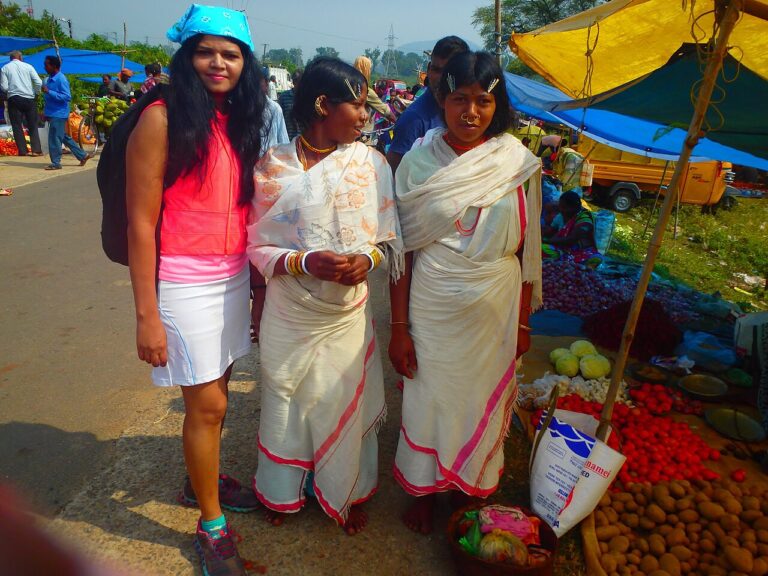
The market landscape for Odisha Dhokra craft encompasses a complex ecosystem that ranges from village-level weekly markets to high-end international retail platforms. At the grassroots level, local haats and tribal markets serve as the primary point of sale for many artisans, where they sell directly to local customers, tourists, and small traders. The urban market within Odisha is anchored by government emporiums like Utkalika and Boyanika, private craft boutiques in Bhubaneswar, Cuttack, and Puri, and the annual Bali Jatra fair, which provides a massive platform for artisan sales. At the national level, Dhokra products reach consumers through major craft exhibitions such as the Surajkund International Crafts Mela, the Saras Mela, and various state-level handicraft expos organized across the country. The advent of e-commerce has opened up entirely new market channels, with platforms dedicated to handmade products listing extensive collections of Odisha Dhokra items, reaching customers in metropolitan cities and smaller towns that previously had no access to such products. The international market, though still relatively small compared to the domestic segment, is growing steadily, with Dhokra pieces being exported to countries in Europe, North America, and Southeast Asia, where they are valued as collectible art objects and exotic home decor items. Despite this expanding market reach, the economic realities for most Dhokra artisans remain challenging, with the majority of the final retail price being absorbed by intermediaries including raw material suppliers, master craftsmen who coordinate production, wholesalers, and retailers. Efforts to establish direct producer-to-consumer linkages through farmer and artisan markets, online platforms, and institutional bulk purchase programs are gradually improving the value realization for individual artisans, but creating a truly equitable market ecosystem remains an ongoing endeavor.
Preserving the Soul of Dhokra for Future Generations
The future of Odisha’s Dhokra metal craft stands at a critical juncture where the forces of modernization, marketization, and cultural change present both unprecedented opportunities and existential challenges. While the growing market demand and government support have created a more favorable environment for the craft’s survival than at any point in recent history, the fundamental question remains whether this ancient tradition can retain its essential character and spiritual depth while adapting to the imperatives of contemporary commerce. The most pressing concern is the retention of the younger generation within the craft, as education, urban migration, and the lure of alternative employment increasingly draw the children of artisan families away from their ancestral vocation. Innovative approaches to making the craft economically viable and socially prestigious for the youth, including integration with design education, digital documentation and storytelling, and the creation of artisan-led brands, are being explored by various organizations and individuals. The involvement of contemporary designers in collaborative projects with traditional artisans has yielded promising results, creating hybrid products that respect traditional techniques while addressing modern aesthetic preferences and functional requirements. Equally important is the documentation and preservation of the traditional knowledge systems underlying Dhokra craft, including the specialized metallurgical knowledge, the repertoire of traditional motifs and their symbolic meanings, and the ritual practices associated with the craft. Ultimately, the survival of Dhokra as a living tradition rather than a museum relic depends on the ability of artisan communities, policymakers, designers, and consumers to work together in creating an ecosystem that values not just the finished product but the entire cultural, spiritual, and ecological framework within which this extraordinary craft has flourished for over four millennia.