ଓଡ଼ିଶୀ ନୃତ୍ୟ: ଭାରତର ଅଷ୍ଟମ ଶାସ୍ତ୍ରୀୟ ନୃତ୍ୟକଳା
ମନ୍ଦିର କାନ୍ଥରୁ ବିଶ୍ୱର ମଞ୍ଚକୁ — ଓଡ଼ିଶୀର ଯାତ୍ରା ଏହି। ଭାରତର ଆଠଟି ଶାସ୍ତ୍ରୀୟ ନୃତ୍ୟକଳା ମଧ୍ୟରେ ଓଡ଼ିଶୀ ଅନ୍ୟତମ, ଏବଂ ଏହାର ମୂଳ ଖୋଜିଲେ ମିଳେ ଉତ୍କଳର ମନ୍ଦିର ଭାସ୍କର୍ଷୀ, ଦେବଦାସୀ ମାହାରୀ ପରମ୍ପରା ଓ ଗୋଟିପୁଆ ନୃତ୍ୟ ପର୍ଯ୍ୟନ୍ତ।
ଇତିହାସର ସ୍ତର
ଓଡ଼ିଶୀର ପ୍ରାଚୀନତମ ପ୍ରମାଣ ମିଳେ ଖ୍ରୀଷ୍ଟପୂର୍ବ ଦ୍ୱିତୀୟ ଶତାବ୍ଦୀର ଭୁବନେଶ୍ୱର ନିକଟସ୍ଥ ଉଦୟଗିରି ଗୁମ୍ଫାର ନାଟ୍ୟମୁଦ୍ରା ଖୋଦେଇରୁ। ବାରବଂଶ ଶତାବ୍ଦୀରେ ଜୟଦେବଙ୍କ ଗୀତ ଗୋବିନ୍ଦ କାବ୍ୟ ଏହି ନୃତ୍ୟର ଆତ୍ମା ହୋଇ ରହିଲା — ଆଜି ମଧ୍ୟ ଓଡ଼ିଶୀ ପରିବେଷଣରେ ଅଷ୍ଟପଦୀ ଅଗ୍ରଗାନ୍ଥ୍ୟ। ଜଗନ୍ନାଥ ମନ୍ଦିରରେ ମାହାରୀ (ଦେବଦାସୀ) ମାନେ ସେବାର୍ଥେ ନୃତ୍ୟ କରନ୍ତିଥିଲେ; ମାହାରୀ ପରମ୍ପରା ଦୁର୍ବଳ ହେବା ପରେ ଗୋଟିପୁଆ — ପୋଷାକ ପିନ୍ଧିଥିବା ବାଳକ ନର୍ତ୍ତକ — ଏହି କଳାକୁ ଜୀବିତ ରଖିଲେ। ଗୋଟିପୁଆର ଆଜିର ରୂପ ଜାଣିବାକୁ ଲୋକନୃତ୍ୟ ପ୍ରସଙ୍ଗ ଦେଖନ୍ତୁ।
ପୁନରୁତ୍ଥାନ ଓ ଗୁରୁମାନେ
ସ୍ୱାଧୀନତା ପରବର୍ତ୍ତୀ କାଳରେ ତିନି ଗୁରୁ ଓଡ଼ିଶୀକୁ ପୁନର୍ଜୀବିତ କଲେ — ଗୁରୁ ପଙ୍କଜ ଚରଣ ଦାସ, ଗୁରୁ ଦେବପ୍ରସାଦ ଦାସ ଓ ଗୁରୁ କେଳୁଚରଣ ମହାପାତ୍ର। କେଳୁଚରଣ ମହାପାତ୍ରଙ୍କୁ ୨୦୦୩ ମସିହାରେ ପଦ୍ମ ବିଭୂଷଣ ସମ୍ମାନ ମିଳିଲା — ଏହା ଓଡ଼ିଶୀର ଜାତୀୟ ସ୍ୱୀକୃତିର ପ୍ରତୀକ। ସଙ୍ଗୀତ ନାଟକ ଏକାଡେମୀ ଓଡ଼ିଶୀକୁ ଶାସ୍ତ୍ରୀୟ ମାନ୍ୟତା ଦେଇଛି ଏବଂ ଏହା ଭାରତର ପ୍ରାଚୀନତମ ପ୍ରଦର୍ଶିତ ଶାସ୍ତ୍ରୀୟ ପରମ୍ପରାମାନଙ୍କ ଭିତରେ ଗଣା।
ଶୈଳୀର ବିଶେଷତ୍ୱ
- ତ୍ରିଭଙ୍ଗୀ: ଶିର, ବକ୍ଷ ଓ କଟିର ତିନି ସ୍ୱତନ୍ତ୍ର ବଙ୍କିମତା — ହିନ୍ଦୁ ମନ୍ଦିର ଭାସ୍କର୍ଷୀରୁ ଆସିଥିବା ଏହି ଭଙ୍ଗୀ ଓଡ଼ିଶୀର ପ୍ରାଣ।
- ଛୌକ ଓ ଚାଳି: ଯୁଦ୍ଧଭୂମି-ପ୍ରକୃତି ଦୁଇ ଢଙ୍ଗର ଅଭିନୟ।
- ପାଦରେ ଚଉକଡ଼ି: ମହାରୀ ପରମ୍ପରାର ଛନ୍ଦୋବଦ୍ଧ ପଦଚାଳନା।
ଓଡ଼ିଶୀର ଅନୁଷଙ୍ଗରେ ଓଡ଼ିଆ ସଙ୍ଗୀତ, ଓଡ଼ିଆ ସାହିତ୍ୟ ଓ ମନ୍ଦିର-ସ୍ଥାପତ୍ୟ — ଏହି ବଡ଼ ଚିତ୍ର ପାଇଁ ଓଡ଼ିଆ ସାହିତ୍ୟର ଓ କଳିଙ୍ଗ ସ୍ଥାପତ୍ୟର ଆମ ଲେଖା ପଢ଼ନ୍ତୁ।
Odissi: India’s Classical Dance of the Temples
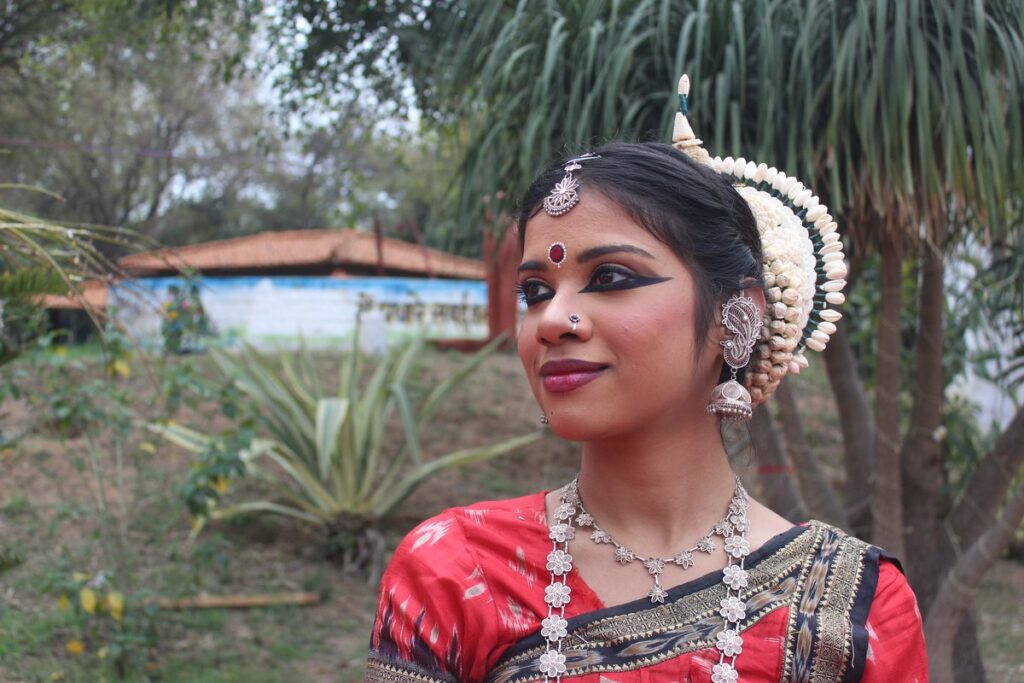
From temple sculptures to global stages, Odissi’s journey spans two millennia. It is one of India’s eight recognised classical dance forms, and among the oldest continuously evidenced — its earliest poses carved into the Udayagiri caves near Bhubaneswar in the 2nd century BCE.
Layers of history
The dance evolved through three guardians. First, the Maharis — devadasis of the Jagannath temple in Puri — danced as seva (service) to the deity. When that institution declined, troupes of young boys in feminine costume, the Gotipuas, carried the art through the 19th century; their Living tradition continues in villages today — see our guide to Gotipua, Ranapa and Sambalpuri folk forms. Second, Jayadeva’s 12th-century Gita Govinda became the emotional core of the repertoire; the ashtapadis remain its most loved items, and the poem’s influence runs deep through Odia literature.
Third, the modern revival. After independence, gurus Pankaj Charan Das, Debaprasad Das and Kelucharan Mohapatra reconstructed a stage codification from mahari memories, gotipua practice and the evidence of temple sculpture. Kelucharan Mohapatra was awarded the Padma Vibhushan, India’s second-highest civilian honour, in 2003. The Sangeet Natak Akademi recognises Odissi among India’s classical forms, making it the first classical dance from eastern India to gain that status.
What the form looks like
- Tribhangi: the signature three-bend stance of head, chest and pelvis, mirrored from Odisha’s temple iconography — see our survey of Kalinga temple architecture.
- Chauka: the square, balanced posture representing Lord Jagannath.
- Abhinaya: expressive interpretation, especially of the Gita Govinda’s radha-krishna lyrics.
Where to see Odissi
The December Konark Dance Festival stages Odissi against the floodlit Sun Temple; Bhubaneswar’s Doordarshan archives and Delhi’s cultural academies host year-round performances, and disciples of the three gurus now teach on every continent.