ଓଡ଼ିଶାର ଲୋକନୃତ୍ୟ: ଗୋଟିପୁଆ, ରଣପା ଓ ସମ୍ବଲପୁରୀ
ଓଡ଼ିଶାର ଶାସ୍ତ୍ରୀୟ ଓଡ଼ିଶୀ ଯେଭଳି ମନ୍ଦିରରୁ ଆସିଛି, ସେହିପରି ଏହାର ଲୋକନୃତ୍ୟ ଗାଁ ଚକ ଓ ଛକରୁ ଆସିଛି — ଏବଂ ଏମାନେ ଓଡ଼ିଶୀର ମୂଳ ମଧ୍ୟ।
ଗୋଟିପୁଆ
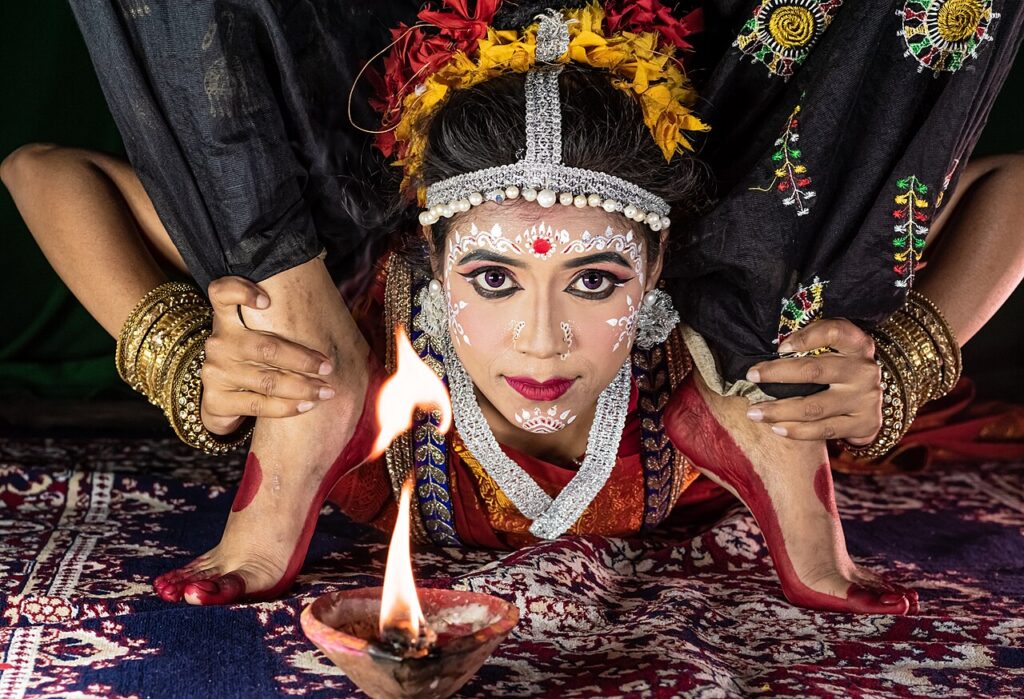
ମାହାରୀ (ଦେବଦାସୀ) ପରମ୍ପରା ଦୁର୍ବଳ ହେବା ପରେ ଷୋହଳ ଶତାବ୍ଦୀରୁ ବାଳକମାନେ ନାରୀ ବେଶରେ ଜଗନ୍ନାଥଙ୍କ ସେବାରେ ନାଚି ଆସିଛନ୍ତି — ଏହା ହେଉଛି ଗୋଟିପୁଆ। ରଘୁରାଜପୁର ଗାଁ (ପୁରୀ ନିକଟ) ଏହି ପରମ୍ପରାର ସବୁଠାରୁ ପ୍ରସିଦ୍ଧ କେନ୍ଦ୍ର। ଗୋଟିପୁଆର ବିଶେଷ ଆକର୍ଷଣ — ବନ୍ଧନର କସରତି ଭଙ୍ଗୀ ଓ କେଶରେ ଝୁଲି ପକ୍ଷୀ-ପର ସଦୃଶ ବନ୍ଧନ।
ରଣପା
ଓଡ଼ିଶାର ଅନନ୍ୟ ଲୋକନୃତ୍ୟ ରଣପା: ନର୍ତ୍ତକ ହାତରେ ଓ ପାଦରେ ହାଲୁକା ମିନଖା ଖୁଣ୍ଟରେ ଠିଆ ହୋଇ ନାଚନ୍ତି — ଏହା ବାଲେଶ୍ୱର ଅଞ୍ଚଳର ବିଶେଷତା।
ସମ୍ବଲପୁରୀ ଲୋକନୃତ୍ୟ
ପଶ୍ଚିମ ଓଡ଼ିଶାର ଧିମସା ଓ ଦଙ୍ଗଡ଼ିଆ ନୃତ୍ୟ ଗୋଳାକା ଗଠନରେ ଯୁଗଳ ନର୍ତ୍ତକଙ୍କ ଦ୍ୱାରା ପରିବେଷିତ ହୁଏ — ଏହା ଆଦିବାସୀ ତଥା ଗ୍ରାମୀଣ ସଂସ୍କୃତିର ମିଶ୍ରଣ (ଆଦିବାସୀ ସଂସ୍କୃତି ପ୍ରସଙ୍ଗ)।
ଏହା ଛଡ଼ା ଘୁମୁରା ନୃତ୍ୟ (କଳାହାଣ୍ଡି-ବଲାଙ୍ଗୀର ଅଞ୍ଚଳର ଯୁଦ୍ଧ-ନୃତ୍ୟ), ପାଇକା ନୃତ୍ୟ (ମାର୍ଶାଲ ଧର୍ମୀ), ଝୁମର ଓ କେଳା କେଳୁଣୀ ନୃତ୍ୟ ମଧ୍ୟ ଓଡ଼ିଶାର ଲୋକ-ନୃତ୍ୟ ଭଣ୍ଡାରର ଅଂଶ।
Folk Dances of Odisha: Gotipua, Ranapa and Sambalpuri Forms
Where Odissi carries Odisha’s classical inheritance, the state’s folk dances keep its village squares alive — and, in the case of Gotipua, actually seeded the classical revival.
Gotipua: the boy dancers
When the mahari (devadasi) tradition weakened around the 16th century, troupes of boys dressed as women took up temple dance as service to Jagannath — the gotipua. They train from age six in bandha (acrobatic poses), sing in the Odissi vocal style, and wear the distinctive tied-topknot headdress. Raghurajpur heritage village near Puri remains the form’s flagship; the late Guru Kelucharan Mohapatra, architect of modern Odissi, began as a gotipua.
Ranapa: the stilt dance
In coastal Balasore, dancers perform on light bamboo stilts (ranapa = stick), balancing while executing spins and squats to dhol and mahuri — a feat of stamina as much as grace.
Sambalpuri and western forms
| Dance | Region | Character |
|---|---|---|
| Dhemsa | Koraput-Nabarangpur | Circle dance of tribal communities |
| Ghumura | Kalahandi-Balangir | War-drum dance with a giant percussion ensemble |
| Paika | Khurda-Nayagarh | Martial dance with sword and shield — see our Paika rebellion history |
| Jhumar | Sundargarh | Couple dance to mandar drums |
Together they show the continuum from tribal culture through village Hinduism to the classical stage — one ecosystem, many rhythms.