ଛେନା ପୋଡ଼ା: ଓଡ଼ିଶାର ପ୍ରସିଦ୍ଧ ମିଠା
ଛେନା ପୋଡ଼ା — “ପୋଡ଼ା” ଅର୍ଥାତ୍ ପୋଡ଼ା ହୋଇଥିବା ଛେନା — ଓଡ଼ିଆ ମିଠାର ଗର୍ବ। ଏକାଧିକ ଶତାବ୍ଦୀ ପୁରୁଣା ଏହି ବ୍ୟଞ୍ଜନର ଜନ୍ମ ନୟାଗଡ଼ ଅଞ୍ଚଳରେ ବୋଲି ପ୍ରବାଦ — ଡାକ୍ତର ମାଧବ ରାଉତ ନାମରେ ଜଣେ ବ୍ୟକ୍ତିଙ୍କ ହାତରେ ଏହାର ସୃଷ୍ଟି।
ପ୍ରସ୍ତୁତି
ତାଜା ଛେନା + ଚିନି + ଏଲାଚ + ଘିଅ + ଅଟା (ବାଇଣ୍ଡିଂ ପାଇଁ) — ସବୁ ମିଶାଇ ଲୁଣ୍ଡା ମିଶ୍ରଣ କାଠ ଅାଉଁଠିରେ ଘଣ୍ଟା ଘଣ୍ଟା ବାଣି ପୋଡ଼ା ହୁଏ। ଉପର-ତଳ ଦୁଇ ପାଖ ବାଦାମି, ଭିତର ନରମ — ଏହି ବିପରୀତ ଗଠନ ଏହାର ମୁଖ୍ୟ ଆକର୍ଷଣ।
ଜଗନ୍ନାଥ ମନ୍ଦିରର ଭୋଗରେ ମଧ୍ୟ ଛେନା ପୋଡ଼ା ନିୟମିତ (ମହାପ୍ରସାଦ); ଆଉ ଓଡ଼ିଆ ଘରେ ଏହା ସହ ଆରିସା ଓ ଅନ୍ୟ ପିଠା ମିଳିତ ଭାବେ ପର୍ବର ମିଠା।
In English
The Legend of Chena Poda: Odisha’s Beloved Burnt Cheese Dessert
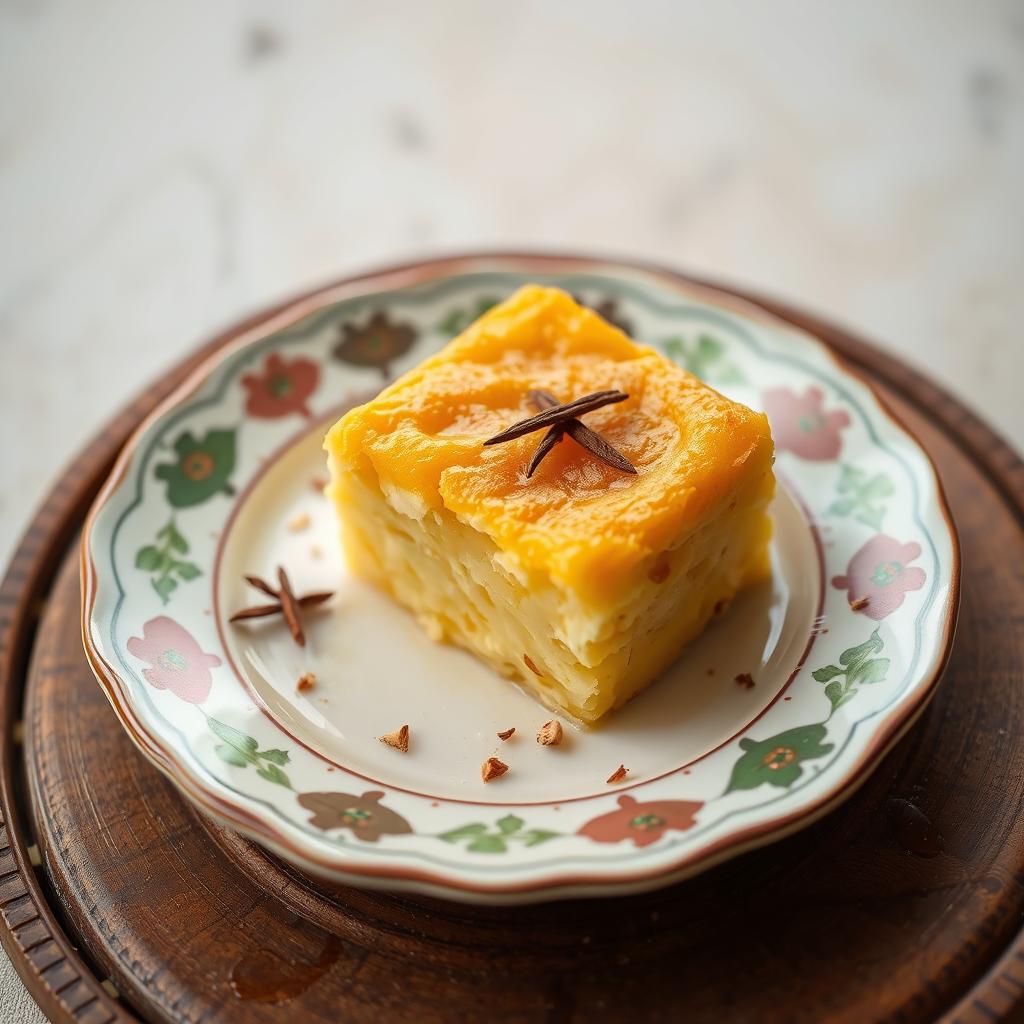
Chena Poda, literally translating to “burnt cheese” in Odia, stands as one of the most extraordinary desserts to emerge from the eastern coast of India. This traditional baked cheesecake from the heartland of Odisha, particularly associated with the town of Nayagarh, is a culinary marvel that transforms simple ingredients into something deeply complex and deeply satisfying. Unlike Western cheesecakes that rely on cream cheese, heavy cream, and elaborate crusts, Chena Poda achieves its remarkable texture and flavor profile through the humble combination of fresh chena (cottage cheese), sugar, and cardamom, baked slowly until the exterior develops a distinctive caramelized, almost charred crust that gives the dessert its iconic name and character.
The Sacred Origin Story of Nayagarh’s Signature Sweet
The most widely accepted origin story of Chena Poda traces its birth to the town of Nayagarh in the early twentieth century. According to local lore, a certain Sudhir Das, a confectioner or sweet maker in Nayagarh, accidentally discovered this dessert when he left a mixture of chena, sugar, and cardamom inside an earthen oven overnight. The residual heat of the oven slowly baked the mixture, and by morning, what emerged was a beautifully caramelized, golden-brown dessert with an aroma that filled the entire neighborhood. This serendipitous discovery in the lanes of Nayagarh gave Odisha its most iconic baked sweet, and the town has since worn the crown of being the birthplace and custodian of the authentic Chena Poda tradition. The story itself mirrors countless culinary inventions across the world where accident and patience combined to create something timeless.
Connection to Temple Traditions and Ritual Offerings
Odia culture and cuisine are inextricably linked to temple traditions, and Chena Poda occupies a special place in this sacred culinary landscape. While it may not have the ancient ritual status of offerings like Mahaprasad at the Jagannath Temple in Puri, Chena Poda has gradually found its way into the prasad offerings of smaller temples across Odisha, particularly in the Nayagarh and surrounding districts. The process of making Chena Poda itself reflects the temple kitchen philosophy of transforming simple, pure ingredients through patient cooking into something divine. The use of chena, which is considered sattvic and pure in Hindu dietary traditions, makes it an appropriate offering. During festivals like Makar Sankranti, Dussehra, and local jatras, Chena Poda is prepared in large quantities and distributed as prasad. The act of slow baking, which requires faith that the heat will do its work over hours rather than minutes, mirrors the devotional patience that defines Odia temple culture. Many traditional sweet makers in temple towns still prepare Chena Poda using earthen ovens fired with cow dung cakes, maintaining a connection to the most ancient methods of cooking in this region.
The Art of Chena Preparation: Foundation of the Dessert
The quality of Chena Poda is entirely dependent on the quality of the chena from which it is made. The process begins with fresh cow’s milk, which is curdled using a natural acidic agent. Traditional makers prefer whey water from a previous batch of chena making, known as chhena water, as the curdling agent, believing it produces a superior texture. Lemon juice or vinegar, while commonly used in commercial preparations, is considered inferior by purists. The curdled milk is carefully drained in a muslin cloth, but unlike paneer, the chena for Chena Poda is not pressed too hard. It needs to retain some moisture while being firm enough to crumble. The chena is then kneaded gently on a wooden board or stone surface until it becomes smooth and pliable. Over-kneading makes it rubbery, while under-kneading leaves it grainy. This precise balance in chena preparation is what separates an ordinary Chena Poda from an exceptional one, and it is a skill that takes years of practice to perfect.
The Traditional Preparation Method and Baking Technique
Once the chena is prepared to the correct consistency, it is combined with sugar in a ratio that typically ranges from one part sugar to two or three parts chena, depending on the desired sweetness level. Granulated sugar is most commonly used, though some traditional makers prefer khandsari or unrefined sugar for its deeper caramel notes. Ground cardamom is added for its warm, aromatic fragrance, and some recipes include a pinch of camphor for an additional layer of temple-like sacredness. Raisins and cashew nuts are often folded into the mixture as well. The entire preparation is then placed in an earthen vessel or a metal tray lined with sal leaves, which impart a subtle earthy fragrance. The baking process is what truly defines Chena Poda. Traditionally, the vessel is placed in an earthen oven that has been preheated with wood or cow dung cakes. The oven is then sealed, and the dessert bakes slowly in the residual heat for anywhere from four to six hours, sometimes even overnight. This extended slow baking is what allows the sugars to caramelize deeply, the exterior to develop its characteristic dark brown to almost black crust, and the interior to set into a firm yet slightly moist, cake-like texture.
The Caramelized Crust: The Soul of Chena Poda
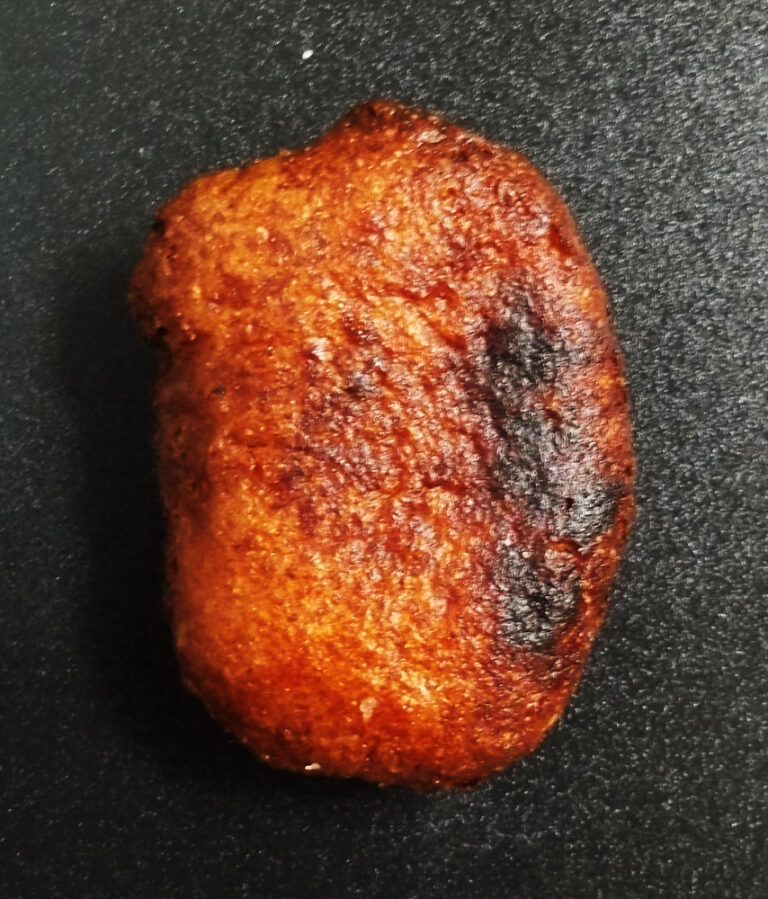
What truly distinguishes Chena Poda from every other Indian sweet is its crust. The slow baking process causes the sugar and the natural lactose in the chena to undergo Maillard reactions and caramelization, creating a dark, sometimes nearly blackened exterior that might look burnt to the uninitiated but is precisely what devotees of this dessert crave. This crust is intensely flavored, with notes of toffee, bitter caramel, and toasted milk solids that provide a beautiful counterpoint to the relatively mild, sweet, and cardamom-scented interior. The contrast between the almost bitter, crunchy exterior and the soft, sweet interior is the defining sensory experience of eating Chena Poda. It is this characteristic that earned it the name “burnt cheese,” and it is this quality that makes it impossible to replicate with any shortcut in the baking process. A Chena Poda with a pale or only lightly browned surface is considered a failed attempt by Odia standards.
Regional and Modern Variations of the Classic Recipe
While the classic Chena Poda from Nayagarh remains the gold standard, several regional and modern variations have emerged over the decades. In the Puri and Bhubaneswar regions, some makers add a layer of khoya or reduced milk to the mixture, resulting in a denser, richer version. In western Odisha, particularly in Sambalpur and Bolangir, a variation sometimes includes grated coconut, which adds chewiness and a tropical sweetness. The use of jaggery instead of sugar creates a version with deeper, more molasses-like flavors and a darker crumb. Modern adaptations have seen the inclusion of semolina or sooji to give the dessert a more cake-like crumb structure, making it slice more cleanly. Some contemporary sweet shops even offer chocolate Chena Poda or versions flavored with saffron and rose water, though purists view these with skepticism. Baking methods have also evolved, with many commercial producers now using modern ovens at controlled temperatures, though they still aim to replicate the slow baking effect. The earthen vessel, however, remains irreplaceable for the most authentic version, as it contributes to both the flavor and the texture in ways that metal baking pans cannot replicate.
Popularity Across Odisha and Beyond
Chena Poda has transcended its origins in Nayagarh to become one of the most recognized and beloved sweets across all of Odisha. No Odia celebration, whether a wedding, a birthday, a housewarming, or a festival, is considered complete without Chena Poda on the dessert table. It is sold in virtually every sweet shop in the state, from the smallest village stall to the most upscale confectionery in Bhubaneswar, Cuttack, and Sambalpur. The dessert has also gained recognition outside Odisha’s borders, featured in food festivals, culinary documentaries, and national food publications as a unique example of India’s regional dessert traditions. The Odia diaspora, settled in cities like Delhi, Mumbai, Bangalore, and even abroad, craves Chena Poda intensely, and several entrepreneurial Odia sweet makers have established businesses in these cities specifically to cater to this demand. Online delivery has further expanded its reach, with Chena Poda now being shipped across India in specialized packaging that preserves its texture and flavor during transit.
Nayagarh: The Undisputed Capital of Chena Poda
The town of Nayagarh takes immense pride in its status as the birthplace of Chena Poda, and this pride is visible in every corner of the town. The main market area has dozens of sweet shops, each claiming to make the most authentic version. During the annual Chena Poda festival organized in the town, makers compete to showcase their finest creations, and thousands of visitors flock to taste and judge. The local economy of Nayagarh is significantly supported by the Chena Poda industry, with hundreds of families involved in its production, from milk collection and chena making to baking and distribution. The clay pot makers of the region also benefit, as the demand for the specific earthen vessels used for baking remains consistently high. For the people of Nayagarh, Chena Poda is not merely a dessert; it is an identity, a heritage, and a source of livelihood that connects generations of families to a single accidental invention that put their town on the culinary map of India.
Nutritional Profile and the Philosophy of Moderation
From a nutritional standpoint, Chena Poda is a protein-rich dessert owing to its chena base, which is essentially fresh cottage cheese. It provides calcium, phosphorus, and other minerals derived from milk. The sugar content is undoubtedly high, as is the case with most traditional Indian sweets, but the slow baking process does break down some of the complex sugars into simpler forms, and the absence of any added fat or oil in the traditional recipe makes it relatively lighter than fried sweets like rasgulla or gulab jamun in terms of fat content. The cardamom adds digestive properties according to Ayurvedic principles. Of course, like any sweet, Chena Poda is meant to be enjoyed in moderation, and the traditional Odia approach to eating sweets has always been one of mindful consumption, where a small piece is savored slowly rather than consumed in large quantities.
Chena Poda as a Symbol of Odia Culinary Pride
In the broader context of Indian cuisine, Odia food has often been overshadowed by the more aggressively marketed culinary traditions of neighboring Bengal and South India. Chena Poda stands as a powerful symbol of Odia culinary pride precisely because it is entirely unique to the region, with no direct equivalent anywhere else in India or the world. It represents the Odia philosophy of cooking, which values patience, simplicity, and the ability to create extraordinary flavors from ordinary ingredients. The fact that it is a baked dessert is particularly significant in a region where most sweets are either boiled, fried, or steamed. The baking tradition in Chena Poda hints at historical connections to ancient baking techniques that may have existed in the region long before the advent of modern ovens, possibly influenced by temple kitchen practices where large quantities of food were cooked in massive earthen ovens. For Odias, defending and promoting Chena Poda is not just about food; it is about asserting their cultural identity and demanding recognition for a cuisine that has long been underrated and underappreciated on the national stage.
The Future of Chena Poda in a Changing Culinary Landscape
As Odisha modernizes and its food culture encounters global influences, Chena Poda faces both challenges and opportunities. The challenge lies in maintaining authenticity as commercial pressures push producers toward faster, cheaper methods that compromise the slow baking process that defines the dessert. The mass production versions found in some supermarkets, with their uniform appearance and pale crusts, represent a genuine threat to the traditional craft. However, there is also a growing movement of conscious consumers and artisanal producers who are working to preserve and elevate Chena Poda. Young Odia entrepreneurs are experimenting with packaging, branding, and marketing while staying true to traditional recipes and methods. Food bloggers and culinary influencers have played a significant role in bringing Chena Poda to a wider audience, creating appreciation for its unique burnt caramel flavor profile among a generation that might otherwise have dismissed it as just another regional sweet. The Geographical Indication tag movement for Chena Poda, seeking to protect the Nayagarh origin, represents another important step in securing the future of this dessert. As long as there are artisans willing to tend their ovens through the night and consumers willing to appreciate the magic of a perfectly caramelized crust, Chena Poda will continue to burn bright as the crown jewel of Odia desserts.