ଓଡ଼ିଆ ପିଠା: ଉତ୍ସବ ପାରମ୍ପରିକ ଅତିଥି ସତ୍କାରର ମୁଖ୍ୟ ଅଙ୍ଗOdia Pitha: The Heart of Festival Celebrations and Traditional Hospitality
ଓଡ଼ିଶାର ସଂସ୍କୃତି, ପରମ୍ପରା ଏବଂ ଭୌଗୋଳିକ ପରିସ୍ଥିତି ଏହାର ଖାଦ୍ୟପ୍ରଣାଳୀ ସହିତ ଗଭୀର ଭାବରେ ଜଡ଼ିତ। ଧାନ ଓଡ଼ିଶାର ପ୍ରମୁଖ ଫସଲ ହୋଇଥିବାରୁ, ଚାଉଳରୁ ପ୍ରସ୍ତୁତ ହେଉଥିବା ପିଠା ଓଡ଼ିଆ ଖାଦ୍ୟପ୍ରଣାଳୀର ଏକ ଅବିଭାଜ୍ୟ ଅଙ୍ଗ ଭାବରେ ଶତାବ୍ଦୀ ଧରି ପରମ୍ପରା ଚଳାଇ ଆସିଛି। ଉତ୍ସବ, ପୂଜା ଏବଂ ଅତିଥି ସତ୍କାର ବିନା ଓଡ଼ିଆ ପିଠାର କଳ୍ପନା କରିବା କଷ୍ଟ। ଗୁଡ଼, ନଡ଼ିଆ ଏବଂ ଚାଉଳ ଚୂନାରୁ ତିଆରି ଏହି ପିଠାମାନ କେବଳ ସ୍ୱାଦରେ ସୁମଧୁର ନୁହଁନ୍ତି, ପୋଷକ ତତ୍ତ୍ୱରେ ମଧ୍ୟ ଧନୀ। ଓଡ଼ିଶାର ପ୍ରତ୍ୟେକ ଘରେ ଶୀତ ଋତୁ ଆସିଲେ ପିଠା ପ୍ରସ୍ତୁତିର ବ୍ୟସ୍ତତା ଆରମ୍ଭ ହୁଏ ଏବଂ ଏହା ଏକ ପାରିବାରିକ ଅନୁଷ୍ଠାନର ରୂପ ନିଏ।Odisha’s culture, traditions, and geographical conditions are deeply intertwined with its cuisine. Since rice is the primary crop of Odisha, pitha made from rice flour has been an integral part of Odia cuisine for centuries, passed down through generations as a living tradition. It is nearly impossible to imagine Odia festivals, rituals, and hospitality without pitha. Prepared primarily from rice flour, jaggery, and coconut, these rice cakes are not only delicious but also nutritionally rich. As winter approaches, every household in Odisha begins the busy preparation of pitha, transforming it into a cherished family ritual that brings together multiple generations.
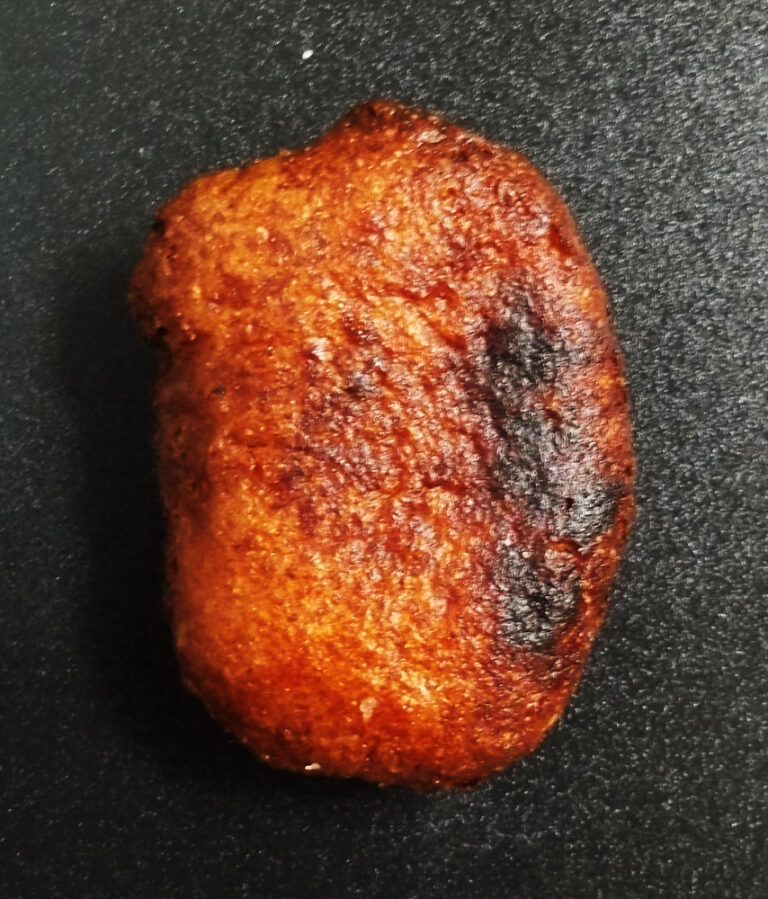
ଛେନା ପୋଡ଼: ଓଡ଼ିଶାର ପ୍ରସିଦ୍ଧ ପିଠାChhena Poda: Odisha Famous Cake
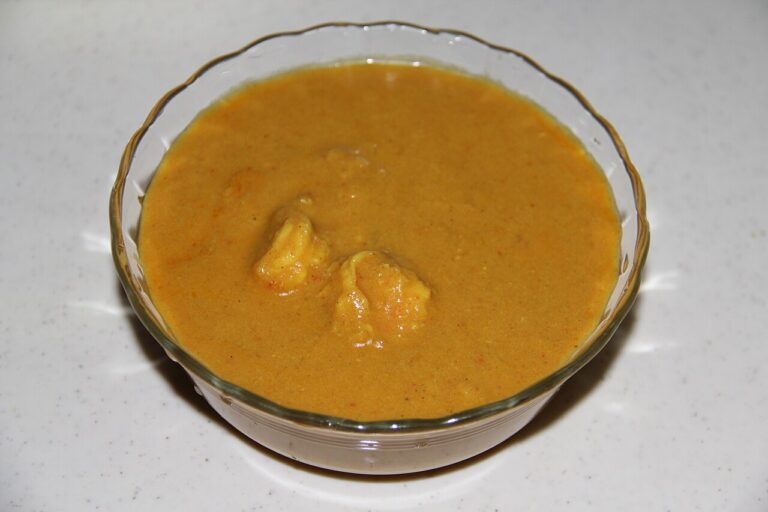
ମାଛ ବେସର: ଓଡ଼ିଆ ମାଛ ରାନ୍ଧଣାMachha Besara: Odia Fish Curry
ଐତିହାସିକ ପୃଷ୍ଠଭୂମି ଏବଂ ଉତ୍ପତ୍ତିHistorical Background and Origins
ଓଡ଼ିଆ ପିଠାର ଇତିହାସ ଓଡ଼ିଶାର କୃଷି ଭିତ୍ତିକ ସଭ୍ୟତା ସହିତ ଓତଃପ୍ରୋତ। ପ୍ରାଚୀନ କାଳରୁ ଓଡ଼ିଶା ଧାନ ଉତ୍ପାଦନରେ ସମୃଦ୍ଧ ଥିଲା ଏବଂ ଏହାର ପ୍ରମାଣ ଐତିହାସିକ ଗ୍ରନ୍ଥ ଓ ଶିଳାଲେଖରୁ ମିଳେ। ଚାଉଳକୁ ବିଭିନ୍ନ ରୂପରେ ପ୍ରକ୍ରିୟାକରଣ କରି ଖାଦ୍ୟ ପ୍ରସ୍ତୁତ କରିବାର ପରମ୍ପରା ଓଡ଼ିଶାରେ ଅତି ପ୍ରାଚୀନ। ପିଠା ଶବ୍ଦଟି ସଂସ୍କୃତ “ପିଷ୍ଟ” କିମ୍ବା “ପିଠ” ଶବ୍ଦରୁ ଆସିଥିବା ଅନୁମାନ କରାଯାଏ, ଯାହାର ଅର୍ଥ ହେଉଛି ଚୂନା ବା ଗୁଣ୍ଡିଆ ଚାଉଳରୁ ତିଆରି ବସ୍ତୁ। କୋଣାର୍କ ମନ୍ଦିରର ଶିଳ୍ପରେ ମଧ୍ୟ ରାନ୍ଧଣୀ ଓ ଖାଦ୍ୟ ପ୍ରସ୍ତୁତି ସମ୍ବନ୍ଧୀୟ ଭାସ୍କର୍ଯ୍ୟ ଦେଖିବାକୁ ମିଳେ, ଯାହା ସେହି ସମୟରେ ଖାଦ୍ୟ ସଂସ୍କୃତିର ବିକାଶକୁ ଦର୍ଶାଏ।The history of Odia pitha is deeply rooted in Odisha’s agrarian civilization. Since ancient times, Odisha has been prosperous in rice production, as evidenced by historical texts and inscriptions. The tradition of processing rice into various food forms is extremely ancient in this region. The word “pitha” is believed to have originated from the Sanskrit words “pishta” or “pitha,” meaning something made from ground or pounded rice. The sculptures at the Konark Sun Temple, built in the thirteenth century, include carvings depicting kitchen activities and food preparation, reflecting the developed food culture of that era. These artistic representations suggest that elaborate culinary traditions, including rice-based preparations, were well-established in medieval Odisha.
ଜଗନ୍ନାଥ ମନ୍ଦିରର ମହାପ୍ରସାଦ ପରମ୍ପରାରେ ମଧ୍ୟ ପିଠାର ଏକ ବିଶେଷ ସ୍ଥାନ ରହିଛି। ପୋଡ଼ା ପିଠା ଜଗନ୍ନାଥ ମନ୍ଦିରର ଏକ ମୁଖ୍ୟ ଅର୍ପଣ ଭାବରେ ପରିଚିତ। ପୁରୀର ଜଗନ୍ନାଥ ମନ୍ଦିରରେ ପ୍ରତିଦିନ ଭଗବାନଙ୍କୁ ଯେଉଁ ବିଭିନ୍ନ ପ୍ରକାର ଭୋଗ ଲାଗେ, ତାହା ମଧ୍ୟରେ ପିଠା ଜାତୀୟ ଖାଦ୍ୟର ବହୁଳ ବ୍ୟବହାର ହୁଏ। ଏହି ମନ୍ଦିର ପରମ୍ପରା ପିଠାର ଧାର୍ମିକ ଏବଂ ଆଧ୍ୟାତ୍ମିକ ମହତ୍ତ୍ୱକୁ ପ୍ରତିଷ୍ଠିତ କରେ। ଶ୍ରୀମନ୍ଦିରର ସୁପକାର ସେବକମାନେ ପିଢ଼ି ପରେ ପିଢ଼ି ଏହି ପିଠା ପ୍ରସ୍ତୁତ କରିବାର କୌଶଳ ସଂରକ୍ଷଣ କରି ଆସୁଛନ୍ତି। ମନ୍ଦିରର ଭୋଗ ପରମ୍ପରା ଓଡ଼ିଆ ପିଠାର ଐତିହାସିକ ପ୍ରାଚୀନତାର ଏକ ଜୀବନ୍ତ ପ୍ରମାଣ ଅଟେ।Pitha also holds a special place in the Mahaprasad tradition of the Jagannath Temple. Poda Pitha, in particular, is recognized as a significant offering at the Jagannath Temple in Puri. Among the various offerings made to the deities daily at this twelfth-century temple, pitha-type preparations feature prominently. This temple tradition establishes the religious and spiritual significance of pitha in Odia culture. The Supakara sevaks (temple cooks) of Sri Mandir have preserved the techniques of preparing these pithas for generations, passing down the knowledge as a family and hereditary duty. The continuous offering of pitha in one of Hinduism’s most important temples serves as living proof of the historical antiquity of these rice cake traditions in Odisha.
ଓଡ଼ିଆ ସାହିତ୍ୟରେ ମଧ୍ୟ ପିଠାର ଉଲ୍ଲେଖ ମିଳେ। ପଞ୍ଚଦଶ ଶତାବ୍ଦୀର ଓଡ଼ିଆ ମହାକାବ୍ୟ “କପିଳାସ ସଂହିତା” ଏବଂ ଅନ୍ୟାନ୍ୟ ପ୍ରାଚୀନ ଗ୍ରନ୍ଥମାନଙ୍କରେ ବିଭିନ୍ନ ପ୍ରକାର ଖାଦ୍ୟ ପ୍ରସ୍ତୁତି ବିଧିର ବର୍ଣ୍ଣନା ରହିଛି। ଲୋକ ଗୀତ ଏବଂ ଲୋକ କଥାରେ ମଧ୍ୟ ପିଠାର ଉଲ୍ଲେଖ ସାଧାରଣ। ବିଶେଷକରି କୁମାର ପୂର୍ଣ୍ଣିମା ସମ୍ବନ୍ଧୀୟ ଲୋକଗୀତମାନଙ୍କରେ ଚକୁଳି ଓ ଅରିସା ପିଠାର ବର୍ଣ୍ଣନା ଦେଖିବାକୁ ମିଳେ। ଏହି ସାହିତ୍ୟିକ ଉଲ୍ଲେଖମାନ ପ୍ରମାଣ କରନ୍ତି ଯେ ପିଠା ଓଡ଼ିଆ ସମାଜରେ କେବଳ ଖାଦ୍ୟ ଭାବରେ ନୁହେଁ, ବରଂ ଏକ ସାଂସ୍କୃତିକ ପରିଚୟ ଭାବରେ ଗଢ଼ି ଉଠିଛି। ଓଡ଼ିଆ ମହିଳାମାନଙ୍କର ରୋଷଶାଳାର ଦକ୍ଷତା ପିଠା ପ୍ରସ୍ତୁତିରେ ସ୍ପଷ୍ଟ ପ୍ରତିଫଳିତ ହୁଏ।References to pitha can also be found in Odia literature. Classical Odia texts and medieval compositions describe various methods of food preparation, including rice-based items. Folk songs and oral traditions commonly mention pitha, particularly the Kumar Purnima songs that describe Chakuli and Arisa pitha. These literary references prove that pitha evolved beyond mere food in Odia society to become a cultural identifier. The skill of Odia women in the kitchen is most vividly reflected in the art of pitha-making, which has historically been considered a measure of culinary expertise in the community. The oral traditions surrounding pitha recipes and their associated rituals have been carefully preserved through generations, largely through women’s knowledge networks.
ସାଂସ୍କୃତିକ ମହତ୍ତ୍ୱCultural Significance
ଓଡ଼ିଆ ପିଠା କେବଳ ଏକ ଖାଦ୍ୟ ନୁହେଁ, ଏହା ଓଡ଼ିଶାର ଉତ୍ସବ, ପୂଜା ଏବଂ ସାମାଜିକ ଜୀବନର ଅଙ୍ଗାଙ୍ଗୀ ଅଟେ। କୁମାର ପୂର୍ଣ୍ଣିମା ହେଉଛି ଓଡ଼ିଶାର ସବୁଠାରୁ ପ୍ରମୁଖ ପିଠା ଉତ୍ସବ। ଏହି ଦିନ ଅବିବାହିତା ଝିଅମାନେ ସୂର୍ଯ୍ୟ ଓ ଚନ୍ଦ୍ରଙ୍କୁ ପୂଜା କରି ଚକୁଳି ପିଠା ଏବଂ ଅରିସା ପିଠା ଭୋଗ ଲଗାନ୍ତି। ଏହି ପରମ୍ପରାରେ ଝିଅମାନେ ଉତ୍ତମ ବର ପାଇବାର କାମନା କରନ୍ତି। କୁମାର ପୂର୍ଣ୍ଣିମାର ଲୋକଗୀତମାନଙ୍କରେ ପିଠାର ବର୍ଣ୍ଣନା ଅତି ସୁନ୍ଦର ଭାବରେ କରାଯାଇଛି। “କା ମଣ୍ଡା କା ଅରିସା, କା ଜୀଉଡ଼ା କା ଅନ୍ଧାସା” ଭଳି ଲୋକଗୀତ ଓଡ଼ିଆ ଘରେ ଏହି ଦିନ ଗୁଞ୍ଜି ଉଠେ।Odia pitha is far more than a food item; it is woven into the very fabric of Odisha’s festivals, rituals, and social life. Kumar Purnima, celebrated on the full moon day of the Odia month of Ashwina, is the most prominent pitha festival in Odisha. On this day, unmarried girls worship the sun and moon, offering Chakuli Pitha and Arisa Pitha as sacred food. This tradition carries the prayer for a worthy husband. The folk songs of Kumar Purnima beautifully describe the art of pitha-making. Songs like “Ka Manda Ka Arisa” echo through Odia households on this occasion, linking the preparation of pitha with deep cultural aspirations and seasonal celebrations.
ମକର ସଂକ୍ରାନ୍ତି ବା ମକର ମେଳା ସମୟରେ ମଧ୍ୟ ପିଠାର ବହୁଳ ବ୍ୟବହାର ହୁଏ। ଏହି ସମୟରେ ଘରେ ଅନ୍ଦାସା ପିଠା, ମଣ୍ଡା ପିଠା ଏବଂ ଅନ୍ୟାନ୍ୟ ପ୍ରକାର ପିଠା ତିଆରି କରାଯାଏ। ମକର ସଂକ୍ରାନ୍ତି ଦିନ ନୂଆ ଧାନରୁ ପ୍ରସ୍ତୁତ “ମକର ଚାଉଳ” ଏବଂ ବିଭିନ୍ନ ପିଠା ପ୍ରସ୍ତୁତ କରି ଦେବତାଙ୍କୁ ଅର୍ପଣ କରାଯାଏ। ପ୍ରଥମାଷ୍ଟମୀ ଉତ୍ସବରେ ଏଣ୍ଡୁରି ପିଠା ବା ହଳଦୀ ପତ୍ର ପିଠାର ବିଶେଷ ମହତ୍ତ୍ୱ ରହିଛି। ଏହି ଦିନ ଘରର କନିଷ୍ଠ ସନ୍ତାନକୁ ବସ୍ତ୍ର ଓ ଏଣ୍ଡୁରି ପିଠା ଦେଇ ସମ୍ମାନିତ କରାଯାଏ। ଛତର ଯାତ୍ରା ସମୟରେ ଛତିଆ ବାବାଙ୍କ ମନ୍ଦିରରେ ପୋଡ଼ା ପିଠାର ଭଗବାନଙ୍କୁ ବିଶେଷ ଭୋଗ ଲଗାଯାଏ।During Makar Sankranti, pitha is extensively prepared and shared. Varieties like Andasa Pitha, Manda Pitha, and others are made in households across the state. On this day, “Makara Chaula” prepared from newly harvested rice, along with various pithas, is offered to deities. The Prathamastami festival holds special significance for Enduri Pitha, also called Haldi Patra Pitha. On this occasion, the youngest child in the family is honored with new clothes and Enduri Pitha. During the Chhatar Jatra at Chhatia in Cuttack district, Poda Pitha is offered as a special bhog to Chhatia Baba, highlighting the connection between specific pitha varieties and specific regional deities and festivals across Odisha.
ଓଡ଼ିଆ ଅତିଥି ସତ୍କାରରେ ପିଠାର ଭୂମିକା ଅତ୍ୟନ୍ତ ଗୁରୁତ୍ୱପୂର୍ଣ୍ଣ। ଅତିଥି ଆସିଲେ ପିଠା ସହିତ ଚା’ ବା ଦୁଧ ପରିବେଷଣ କରାଯାଏ। ବିବାହ, ବ୍ରତ ଓ ଅନ୍ୟାନ୍ୟ ସାମାଜିକ ଅନୁଷ୍ଠାନରେ ପିଠା ଏକ ଅପରିହାର୍ୟ ଅଙ୍ଗ। ବିଶେଷକରି ବିବାହ ଉତ୍ସବରେ ମଣ୍ଡା ପିଠା ଏବଂ କାକରା ପିଠାର ବ୍ୟବହାର ପରମ୍ପରାଗତ। ପିଠା ବିନା ଓଡ଼ିଆ ବିବାହ ଅସମ୍ପୂର୍ଣ୍ଣ ବୋଲି ବିବେଚନା କରାଯାଏ। ଗ୍ରାମୀଣ ଓଡ଼ିଶାରେ ଶୀତ ଋତୁରେ ପ୍ରତି ଘରେ ପିଠା ପ୍ରସ୍ତୁତି ଏକ ସାମୂହିକ ଉତ୍ସବର ରୂପ ନେଇଥାଏ, ଯେଉଁଥିରେ ପଡୋଶୀ ଓ ଆତ୍ମୀୟମାନେ ମିଳିତ ଭାବରେ ଯୋଗ ଦିଅନ୍ତି। ଏହି ପରମ୍ପରା ସାମାଜିକ ବନ୍ଧନକୁ ଦୃଢ଼ କରେ।The role of pitha in Odia hospitality is extremely significant. When guests arrive, it is customary to serve them pitha along with tea or milk. Pitha is an indispensable part of weddings, sacred vows, and other social ceremonies. In particular, Manda Pitha and Kakara Pitha are traditionally served at wedding celebrations. An Odia wedding is considered incomplete without the presence of pitha on the menu. In rural Odisha, winter pitha-making becomes a communal celebration where neighbors and relatives participate together. Women gather in groups, often sharing the labor of grinding soaked rice, preparing fillings, and cooking large batches of pitha. This collective activity strengthens social bonds and reinforces community ties, making pitha-making a social equalizer that transcends economic barriers.
ପ୍ରମୁଖ ପ୍ରକାରଭେଦ ଏବଂ ବିଶେଷତାKey Varieties and Their Distinctive Features
ଅରିସା ପିଠା ଓଡ଼ିଆ ପିଠା ଜଗତର ଏକ ଅନନ୍ୟ ସୃଷ୍ଟି। ଏହା ଚାଉଳ ଚୂନା ଓ ଗୁଡ଼ରୁ ପ୍ରସ୍ତୁତ ହୋଇ ତେଲରେ ଭଜା ଯାଏ। ଅରିସା ପିଠା ତିଆରି କରିବାରେ ବିଶେଷ ଦକ୍ଷତା ଆବଶ୍ୟକ, କାରଣ ଏହା ଅତି ପତଳା ହୋଇଥାଏ ଏବଂ ଏହାର କ୍ରିସ୍ପ ଟେକ୍ସଚର ରହିବା ଆବଶ୍ୟକ। ଗୁଡ଼ର ଗୁଣାତ୍ମକତା ଅରିସା ପିଠାର ସ୍ୱାଦ ଓ ରଙ୍ଗ ଉପରେ ପ୍ରଭାବ ପକାଏ। ପାରମ୍ପରିକ ଭାବେ ଅରିସା ପିଠାକୁ ହାତରେ ବେଲାଯାଏ ଏବଂ ଏହାର ଗୋଲାକାର ଆକୃତି ଏକ ନିର୍ଦ୍ଦିଷ୍ଟ କୌଶଳର ପରିଚାୟକ। ଅରିସା ପିଠାର ସଂରକ୍ଷଣ କରିବା ସହଜ, ତେଣୁ ଏହା ଦୂରରୁ ଆସୁଥିବା ଅତିଥିମାନଙ୍କୁ ଉପହାର ରୂପେ ମଧ୍ୟ ଦିଆଯାଏ।Arisa Pitha is a unique creation in the world of Odia pitha. Made from rice flour and jaggery, it is deep-fried to achieve a crisp texture. Preparing Arisa Pitha requires special skill because the dough must be rolled extremely thin and fried carefully to achieve the right crispness without burning. The quality of jaggery directly affects the taste, color, and texture of Arisa Pitha. Traditionally, the dough is pressed by hand into thin discs, and achieving the perfect round shape requires practiced technique. Arisa Pitha has good shelf life compared to other varieties, making it suitable for gifting to guests arriving from distant places. It remains one of the most sought-after pithas during Kumar Purnima and other winter festivals.
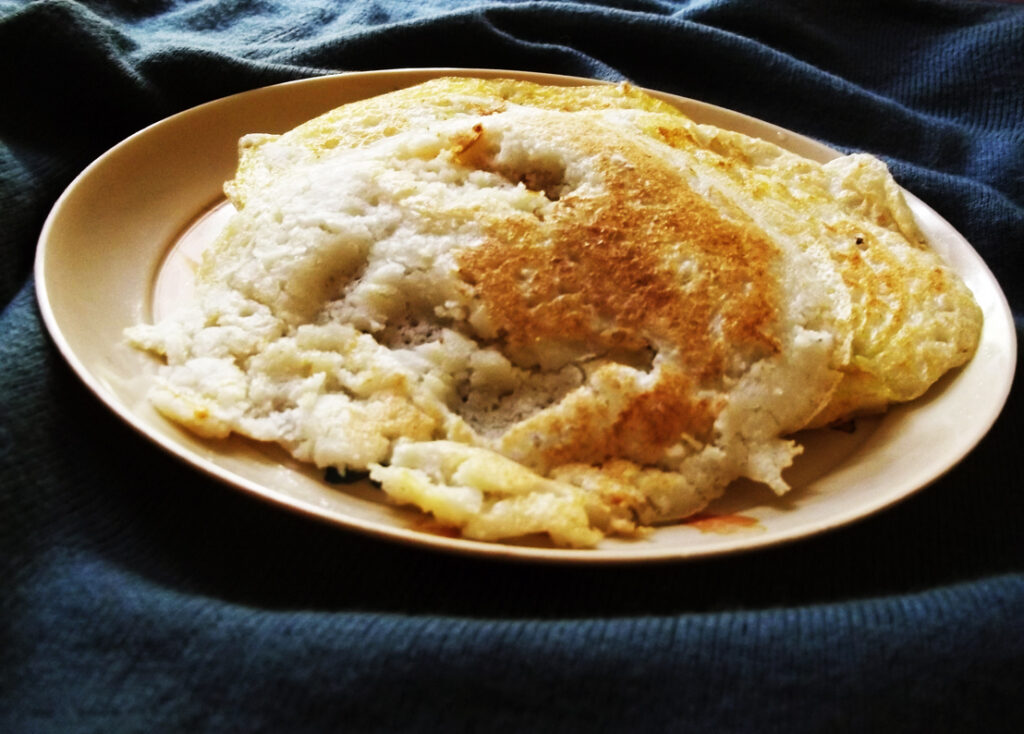
କାକରା ପିଠା ଏକ ଭରା ପିଠା, ଯେଉଁଥିରେ ନଡ଼ିଆ, ଗୁଡ଼ କିମ୍ବା ଚିନି ଏବଂ ଗୁଆ ମିଶାଇ ପୁର ପ୍ରସ୍ତୁତ କରାଯାଏ। ଏହାର ଆଉଟର କଭରିଂ ମଇଦା ଏବଂ ଚିନିର ମିଶ୍ରଣରୁ ତିଆରି ହୋଇ ତେଲରେ ଭଜା ଯାଏ। କାକରା ପିଠାର ଆକାର ଅର୍ଦ୍ଧ ଗୋଲାକାର ହୋଇଥାଏ ଏବଂ ଏହାର ପ୍ରସ୍ତୁତି ପ୍ରକ୍ରିୟା ଜଟିଳ। ମଣ୍ଡା ପିଠା ଏକ ପ୍ରକାର ମୋଡ଼କ ପିଠା, ଯେଉଁଥିରେ ଚାଉଳ ଚୂନାର ପତଳା ଆଟା ମଧ୍ୟରେ ନଡ଼ିଆ ଓ ଗୁଡ଼ର ପୁର ରଖି ଭାପରେ ବାମ୍ଫ କରାଯାଏ। ଏହା ଅତି ନରମ ଏବଂ ସୁମଧୁର ହୋଇଥାଏ। ଚକୁଳି ପିଠା ଦେଖିବାକୁ ଦକ୍ଷିଣ ଭାରତୀୟ ଦୋସା ଭଳି ଲାଗିଲେ ମଧ୍ୟ ଏହାର ସ୍ୱାଦ ଏବଂ ପ୍ରସ୍ତୁତି ପ୍ରଣାଳୀ ସମ୍ପୂର୍ଣ୍ଣ ଭିନ୍ନ। ଚକୁଳି ପିଠା ଚାଉଳ ଓ ବିରି ମିଶ୍ରଣରୁ ତିଆରି ହୋଇ ତବାରେ ବନ୍ଧା ଯାଏ।Kakara Pitha is a stuffed pitha where a filling of coconut, jaggery or sugar, and black sesame seeds is enclosed within an outer covering made from refined flour and sugar, then deep-fried. Kakara Pitha has a distinctive half-moon shape and its preparation process is quite elaborate. Manda Pitha is a dumpling-style pitha where a thin wrapper of rice flour encloses a sweet filling of coconut and jaggery, and it is steamed. Manda Pitha is soft, delicate, and subtly sweet. Chakuli Pitha may resemble the South Indian dosa in appearance, but its taste and preparation method are entirely different. Chakuli Pitha is made from a batter of rice and black gram, similar to the base used for idli but prepared as a thicker, softer flat cake on a griddle. It is a staple breakfast item during festival seasons and is commonly served with ghuguni or dalma.
ଏଣ୍ଡୁରି ପିଠା ଓଡ଼ିଆ ପିଠାର ସବୁଠାରୁ ସ୍ୱତନ୍ତ୍ର ପ୍ରକାର। ଏହା ହଳଦୀ ପତ୍ରରେ ଗୁଡ଼ିଆ ଚାଉଳ ଓ ନଡ଼ିଆ ପୁର ଭର୍ତ୍ତି କରି ଭାପରେ ପ୍ରସ୍ତୁତ କରାଯାଏ। ହଳଦୀ ପତ୍ରର ସୁଗନ୍ଧ ଏବଂ ଔଷଧୀୟ ଗୁଣ ଏଣ୍ଡୁରି ପିଠାକୁ ଏକ ସ୍ୱାସ୍ଥ୍ୟକର ବିକଳ୍ପ ବନାଏ। ପ୍ରଥମାଷ୍ଟମୀ ବ୍ୟତୀତ ଏଣ୍ଡୁରି ପିଠା ଅନ୍ୟ ସମୟରେ ମଧ୍ୟ ପ୍ରସ୍ତୁତ କରାଯାଏ। ପୋଡ଼ା ପିଠା ଆଉ ଏକ ବିଶେଷ ପ୍ରକାର, ଯାହା ଓଭେନ୍ କିମ୍ବା ପରମ୍ପରାଗତ ଭାବେ ଅଗ୍ନିରେ ପୋଡ଼ାଯାଏ। ଏଥିରେ ଚାଉଳ ଚୂନା, ଗୁଡ଼, ନଡ଼ିଆ ଏବଂ କଳା ତିଳ ବ୍ୟବହୃତ ହୁଏ। ପୋଡ଼ା ପିଠାର ଉପର ଭାଗ ସାମାନ୍ୟ କରିଚା ରଙ୍ଗର ହୋଇଥାଏ, ଯାହା ଏହାକୁ ଏକ ସ୍ୱତନ୍ତ୍ର ସ୍ୱାଦ ଦିଏ। ପୁରୀର ଜଗନ୍ନାଥ ମନ୍ଦିର ଏବଂ ଛତିଆ ବାବାଙ୍କ ମନ୍ଦିରରେ ପୋଡ଼ା ପିଠାର ଭଗବାନଙ୍କୁ ବିଶେଷ ଭୋଗ ଲାଗେ।Enduri Pitha is perhaps the most distinctive variety of Odia pitha. It is prepared by filling a batter of fermented rice and black gram with a coconut and jaggery mixture, then wrapping it in turmeric leaves and steaming. The aroma and medicinal properties of turmeric leaves make Enduri Pitha a healthy food choice. Beyond Prathamastami, Enduri Pitha is prepared on other occasions as well, particularly during the Kartika month. Poda Pitha is another special variety, which is baked in an oven or traditionally over an open fire. It contains rice flour, jaggery, coconut, and black sesame seeds. The top layer of Poda Pitha develops a slightly caramelized, brown crust that gives it a unique smoky flavor. Poda Pitha is offered as special bhog at the Jagannath Temple in Puri and at the Chhatia Baba temple near Cuttack, establishing its deep religious significance in Odia tradition.
ଆଧୁନିକ ପ୍ରାସଙ୍ଗିକତା ଏବଂ ପର୍ଯ୍ୟଟନModern Relevance and Tourism
ଆଧୁନିକ ଯୁଗରେ ଓଡ଼ିଆ ପିଠା କେବଳ ଘରୋଇ ପ୍ରସ୍ତୁତି ସୀମିତ ରହିନାହିଁ। ବିଭିନ୍ନ ରାଜ୍ୟ ଏବଂ ରାଷ୍ଟ୍ରୀୟ ସ୍ତରରେ ଓଡ଼ିଆ ପିଠା ତାର ପରିଚିତି ପାଇବାରେ ସଫଳ ହୋଇଛି। ଭୁବନେଶ୍ୱର, କଟକ, ଏବଂ ସମ୍ବଲପୁର ଭଳି ବଡ଼ ରାଜ୍ୟମାନଙ୍କରେ ପିଠା ବିଶେଷ ଦୋକାନ ଏବଂ ରେସ୍ତୋରାଁ ଖୋଲାଯାଇଛି। ବାଲି ଯାତ୍ରା ସମୟରେ କଟକର ବାଲିଘାଟ ପିଠା ବିକ୍ରେତାମାନଙ୍କ ପାଇଁ ଏକ ବିଶାଳ ମଞ୍ଚ ପାଲଟି ଥାଏ,