ନନ୍ଦଙ୍କନ: ଜୀବ ଉଦ୍ୟାନ ଏବଂ ବ୍ୟାଘ୍ର ଅଭୟାରଣ୍ୟ
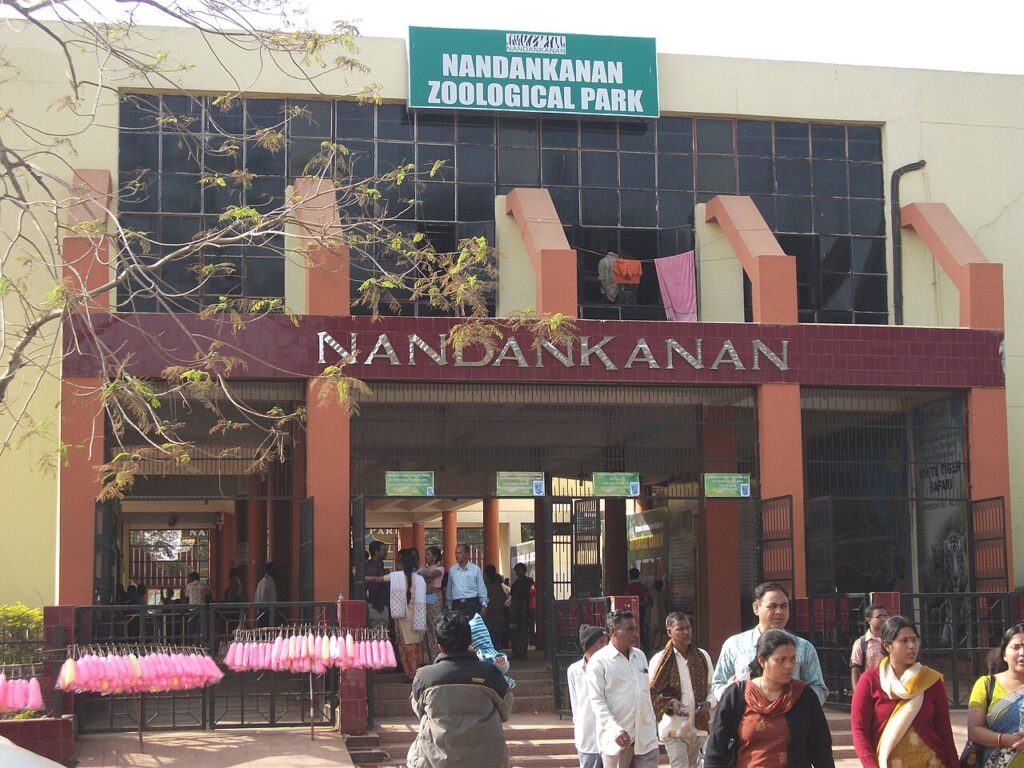
ଭୁବନେଶ୍ୱର ନିକଟରେ ୧୯୬୦ ମସିହାରେ ପ୍ରତିଷ୍ଠିତ ନନ୍ଦଙ୍କନ ପ୍ରାଣୀ ଉଦ୍ୟାନ — ଭାରତର ପ୍ରଥମ ଚିଡ଼ିଆଖାନା ଯାହା ବିଶ୍ୱ ପ୍ରସିଦ୍ଧ ଧଳିଆ ବାଘ ପ୍ରଜନନରେ ସଫଳ ହେଲା (୧୯୮୦)। କାଞ୍ଜିଆ ହ୍ରଦ ପାଖରେ ୪୦୦ ହେକ୍ଟର ଅରଣ୍ୟରେ ପ୍ରାଣୀ ଓ ଉଦ୍ଭିଦ ଉଦ୍ୟାନ ମିଶି ଅଛି।
ମୁଖ୍ୟ ଆକର୍ଷଣ
- ଧଳିଆ ବାଘ, ପାଣିବାଘ ଓ ସିଂହ ସଫାରି।
- ଘଡ଼ିଆଳ ପ୍ରଜନନ କେନ୍ଦ୍ର — ରୋପାରୀ ଘଡ଼ିଆଳ ପାଇଁ ଭାରତର ପ୍ରମୁଖ ସ୍ଥାନ।
- ଭୋଗାଇଁ ବାନର, ୧୬୦+ ପ୍ରଜାତିର ପକ୍ଷୀ ଓ ସରୀସୃପ।
ଓଡ଼ିଶାର ଅନ୍ୟ ବନ୍ୟପ୍ରାଣୀ କେନ୍ଦ୍ର — ସିମିଳିପାଳ ଓ ଭିତରକଣିକା; ଭୁବନେଶ୍ୱର ଭ୍ରମଣ — ଲିଙ୍ଗରାଜ ମନ୍ଦିର ସହ ମିଶାନ୍ତୁ।
In English
The Genesis of Nandankanan: A Vision Born in 1960
The story of Nandankanan Zoological Park begins in the year 1960, when the Government of Odisha conceived an ambitious plan to establish a modern zoological garden that would serve both recreational and educational purposes for the people of the state and beyond. The name “Nandankanan” translates to “The Garden of Heaven” in Odia, a title that truly befits this extraordinary sanctuary nestled along the banks of the picturesque Kanjia Lake, just a short distance from the temple city of Bhubaneswar. Initially, the facility started as a small botanical garden, but its potential was immediately recognized by visionary administrators and wildlife enthusiasts who understood that the lush green surroundings and the natural topography of the area could support a world-class zoological facility. The zoo was formally opened to the public on December 29, 1960, and over the decades, it has transformed from a modest collection of animals into one of India’s most prestigious and internationally recognized zoological parks, earning the distinction of being a leading institution for wildlife conservation, education, and research in the eastern region of the country.
The Historic Discovery of White Tigers in the Wild
Perhaps the most defining moment in the history of Nandankanan came in 1980, when a white tiger cub was discovered in the wild forests of Odisha, specifically in the Similipal Tiger Reserve region. This discovery was nothing short of miraculous, as white tigers are extremely rare genetic variants of the Bengal tiger, and finding one in the wild was considered an almost impossible occurrence at that time. The cub was brought to Nandankanan, where it received dedicated care and attention from the zoo’s veterinary team. This landmark event changed the trajectory of Nandankanan forever, placing it on the global map of wildlife conservation. The white tiger became the symbol of the zoo, and its successful breeding program that followed ensured that future generations could witness the breathtaking beauty of these magnificent creatures. The genetic lineage of white tigers at Nandankanan has been carefully preserved and studied, contributing significantly to the scientific understanding of leucism in big cats and the broader field of wildlife genetics.
India’s First White Tiger Safari: A Pioneering Achievement
Nandankanan holds the unparalleled distinction of being the first zoo in India to establish a dedicated white tiger safari, a facility that was inaugurated on October 1, 1991. This pioneering initiative allowed visitors to observe white tigers in a near-natural habitat rather than through the confines of traditional enclosures. The safari spans a substantial area of forested land within the zoo premises, where white tigers roam freely in an environment that closely mimics their natural surroundings, complete with water bodies, dense vegetation, and open grasslands. Visitors are taken through the safari area in specially designed vehicles that provide a safe yet thrilling vantage point to watch these majestic animals up close. The experience of seeing a white tiger emerging from the tall grass or lounging near a water body within the safari is both awe-inspiring and humbling, offering a glimpse into the wild that few other facilities in the country can match. The white tiger safari has become the crown jewel of Nandankanan, attracting wildlife enthusiasts, photographers, and families from across India and around the world.
The Lion Safari: Witnessing the King of the Jungle
In addition to the white tiger safari, Nandankanan features a spectacular lion safari that offers visitors an equally exhilarating wildlife experience. The lion safari was established to provide African and Asiatic lions with a spacious and naturalistic environment where they could exhibit their natural behaviors, including stalking, resting under trees, and patrolling their territory. The safari area is meticulously designed with appropriate vegetation, water sources, and topographical features that simulate the savanna-like conditions these magnificent predators inhabit. As the safari vehicle navigates through the designated route, visitors can observe lions at remarkably close quarters, often just a few meters away, separated only by the safety of the vehicle. The lion safari at Nandankanan has been instrumental in educating the public about the conservation challenges facing lion populations globally, including habitat loss, human-wildlife conflict, and the need for robust breeding programs to maintain genetic diversity among captive populations.
The Reptile Park: A World of Scaled Wonders
Nandankanan’s reptile park is one of the most comprehensive and well-maintained facilities of its kind in India, housing an impressive collection of reptiles that includes crocodiles, snakes, turtles, and lizards from various parts of the country and beyond. The reptile park was established with the dual objective of conserving endangered reptilian species and dispelling the myths and fears that surround these often-misunderstood creatures. Among the most notable residents are the mugger crocodile and the gharial, both of which are critically endangered species that have been the focus of intensive conservation breeding programs at Nandankanan. The park also houses a diverse array of snake species, including the Indian python, king cobra, and various species of non-venomous snakes, all displayed in specially designed enclosures that replicate their natural habitats. Educational signage and guided tours help visitors understand the ecological importance of reptiles in maintaining balanced ecosystems and the threats these species face due to habitat destruction, pollution, and illegal wildlife trade.
The Nocturnal Animal House: Revealing the Secrets of the Night
One of the most unique and fascinating attractions at Nandankanan is the Nocturnal Animal House, a specially constructed facility that reverses the natural light cycle to simulate nighttime conditions during visiting hours. This ingenious design allows visitors to observe nocturnal animals when they are most active, a behavior pattern that would otherwise remain hidden from public view. The facility houses a variety of nocturnal species including owls, porcupines, civets, jungle cats, and several species of bats. The interior is maintained in near-darkness, with subtle red lighting that does not disturb the animals but enables visitors to see them clearly. The Nocturnal Animal House serves an important educational purpose by highlighting the existence and ecological significance of creatures that are rarely seen in the wild, fostering a deeper appreciation for the biodiversity that thrives under the cover of darkness. It is particularly popular among children and students, as it provides a rare opportunity to witness behaviors such as hunting, foraging, and social interactions that are characteristic of nocturnal species.
Conservation Breeding Programs: Protecting Endangered Species
Nandankanan Zoological Park has earned widespread acclaim for its exemplary conservation breeding programs, which have been instrumental in saving several endangered species from the brink of extinction. The zoo has successfully bred the Indian pangolin, the white tiger, the gharial, the mouse deer, the Indian wolf, and several species of pheasants and partridges, among others. These programs are conducted under strict scientific protocols, with careful attention to maintaining genetic diversity, preventing inbreeding, and ensuring that captive-bred animals retain their natural behaviors to the greatest extent possible. The zoo collaborates with national and international conservation organizations, including the Central Zoo Authority of India, the Wildlife Institute of India, and various universities and research institutions, to develop and implement breeding strategies that are grounded in the latest scientific knowledge. Nandankanan has also participated in animal exchange programs with zoos across India and abroad, further contributing to the genetic health of captive populations globally. The success of these conservation breeding programs underscores Nandankanan’s commitment to its role as a modern, science-driven zoological institution that goes far beyond mere exhibition of animals.
The Botanical Garden: A Green Paradise Within the Zoo
An integral and often underappreciated component of Nandankanan is its sprawling botanical garden, which spans a vast area and houses an extraordinary collection of plant species from Odisha, other parts of India, and several foreign countries. The botanical garden was established concurrently with the zoo and has grown over the decades into a repository of immense botanical wealth, featuring over 500 species of plants including flowering trees, ornamental plants, medicinal herbs, bamboos, palms, and succulents. The garden is particularly renowned for its collection of orchids, cacti, and aquatic plants, which are displayed in specially designed sections that showcase their beauty and diversity. The lush green canopy of the botanical garden not only enhances the aesthetic appeal of Nandankanan but also serves critical ecological functions, providing shade, improving air quality, supporting pollinator populations, and creating microhabitats for a variety of birds, butterflies, and insects. For nature lovers, botany enthusiasts, and those seeking tranquility away from the bustling city, the botanical garden at Nandankanan offers a serene and rejuvenating experience that complements the wildlife attractions of the zoo.
Natural Habitat Design: Where Animals Thrive
What sets Nandankanan apart from many older zoological facilities in India is its unwavering commitment to providing animals with enclosures and habitats that closely replicate their natural environments. The zoo has moved away from the traditional concept of barren cages and concrete enclosures, replacing them with spacious, landscaped exhibits that incorporate natural substrates, vegetation, water features, topographical variations, and enrichment structures that encourage natural behaviors such as climbing, swimming, digging, and foraging. The open moat system, where animals are separated from visitors by wet or dry moats rather than iron bars, has been widely adopted at Nandankanan, creating a sense of openness and immersion that benefits both the animals and the visitors. Each enclosure is designed with input from wildlife biologists, veterinarians, and habitat specialists, ensuring that the physical and psychological needs of the animals are met to the highest possible standards. This approach to habitat design reflects a modern understanding of animal welfare and has earned Nandankanan recognition as one of the most progressive zoological parks in the country.
Tourism and Economic Impact on Odisha
Nandankanan Zoological Park is one of the most visited tourist destinations in Odisha, attracting millions of domestic and international visitors each year. The park has become a cornerstone of the state’s tourism industry, drawing families, school groups, wildlife photographers, researchers, and pilgrims who combine their visit to the famous temples of Bhubaneswar, Puri, and Konark with a day at the zoo. The economic impact of Nandankanan extends far beyond the revenue generated from ticket sales, as the influx of visitors supports a wide ecosystem of hotels, restaurants, transport services, souvenir shops, and local handicraft vendors in and around Bhubaneswar. The zoo also serves as a powerful ambassador for Odisha’s rich natural heritage, introducing visitors to the state’s diverse wildlife, forest ecosystems, and conservation efforts. Special events, wildlife week celebrations, educational workshops, and seasonal exhibitions organized at Nandankanan further enhance its appeal as a dynamic and engaging tourist destination. For many visitors from other states and countries, Nandankanan provides their first meaningful encounter with the natural wealth of Odisha, leaving a lasting impression that often inspires return visits and recommendations to others.
How to Visit Nandankanan: Practical Information for Travelers
Nandankanan Zoological Park is located approximately 15 kilometers from the center of Bhubaneswar and is easily accessible by road, rail, and air. The nearest airport is Biju Patnaik International Airport in Bhubaneswar, which is well-connected to major cities across India. From the airport, visitors can hire taxis, auto-rickshaws, or use ride-hailing services to reach the zoo in about 30 to 40 minutes. The nearest railway station is Bhubaneswar Railway Station, one of the major junctions on the East Coast Railway network, from where local transport options are readily available. The zoo is open to visitors throughout the year, except on Mondays, with operating hours typically from 7:30 AM to 5:30 PM during summer and 8:00 AM to 5:00 PM during winter. It is advisable to arrive early in the morning, as animals are most active during the cooler hours and the crowds are thinner, allowing for a more enjoyable experience. Entry tickets can be purchased at the gate or through online booking platforms, and separate tickets are required for the white tiger safari, lion safari, and boating on Kanjia Lake. The zoo offers battery-operated vehicles for visitors who prefer not to walk the extensive grounds, and food stalls and drinking water facilities are available at various points within the premises.
Best Time to Visit and Essential Tips
The ideal time to visit Nandankanan is during the winter months from October to February, when the weather in Bhubaneswar is pleasant and comfortable, with temperatures ranging from 15 to 30 degrees Celsius. During this period, animals are more active and visible compared to the scorching summer months when they tend to retreat to shaded areas to escape the heat. The monsoon season from July to September also offers a unique experience, as the entire zoo and botanical garden come alive with lush greenery, though heavy rainfall may occasionally disrupt outdoor activities. Visitors are advised to wear comfortable walking shoes, carry sufficient drinking water, apply sunscreen, and wear hats or caps to protect themselves from the sun. Photography is permitted and encouraged, but the use of flash inside the Nocturnal Animal House is strictly prohibited. Families with young children should plan for at least four to five hours to explore the zoo adequately, while wildlife enthusiasts and photographers may wish to spend an entire day to fully appreciate the diversity of species and habitats that Nandankanan has to offer.
A Living Legacy of Odisha’s Natural Heritage
Nandankanan Zoological Park stands as a testament to Odisha’s deep reverence for nature and its unwavering commitment to wildlife conservation. From its humble beginnings in 1960 to its current status as one of India’s premier zoological institutions, Nandankanan has consistently evolved and expanded its vision, embracing modern principles of animal welfare, habitat design, and conservation science. The park is not merely a place for entertainment but a living classroom where generations of Odias and visitors from beyond the state have learned about the fragile beauty of the natural world and the urgent need to protect it. As Nandankanan continues to advance its conservation breeding programs, enhance its visitor facilities, and expand its educational outreach, it remains a source of immense pride for the people of Odisha and a beacon of hope for the future of wildlife conservation in India. A visit to Nandankanan is, in essence, a journey into the heart of nature itself, an experience that leaves an indelible mark on the mind and soul of every traveler who walks through its verdant gates.