ନୂଆଖାଇ: ପଶ୍ଚିମ ଓଡ଼ିଶାର ଫସଲ ପର୍ବ
ଭାଦ୍ର ଶୁକ୍ଳ ପଞ୍ଚମୀ (ଅଗଷ୍ଟ-ସେପ୍ଟେମ୍ବର) ତିଥିରେ ପଶ୍ଚିମ ଓଡ଼ିଶାରେ ପାଳିତ ନୂଆଖାଇ — ନୂଆ ଧାନ କାଟି ପ୍ରଥମେ ଦେବତାଙ୍କୁ ଅର୍ପଣ କରିବାର କୃଷକ ପର୍ବ। “ନୂଆ” = ନୂଆ, “ଖାଇ” = ଧାନ। ଏହା କେବଳ ସମ୍ବଲପୁର ନୁହେଁ — ବଲାଙ୍ଗିର, ବରଗଡ଼, ଦେଓଗଡ଼, ସୁନ୍ଦରଗଡ଼, ଝାରସୁଗୁଡ଼ା ସମଗ୍ର ଅଞ୍ଚଳର ସାଂସ୍କୃତିକ ଏକତାର ପ୍ରତୀକ।
ପରମ୍ପରା
- ନୂଆଖାଇ ଭେଟ — ପରିବାର ଓ ଗାଁର ମିଳନ; ବଡ଼ବଡ଼ ହସ୍ତଧୂଳି।
- ଅରୁଆ ପ୍ରସାଦ ଲଡ୍ଡୁ, ଖିରି ଆଦି ନୂଆ ଧାନର ପ୍ରସାଦ।
- “ନୂଆଖାଇ ଜୁହାର” — ପିତାମାତାଙ୍କ ଆଶୀର୍ବାଦ ଗ୍ରହଣ।
ପର୍ବ ପରମ୍ପରା — ସାଂସ୍କୃତିକ ଐତିହ୍ୟ; ପଶ୍ଚିମ ଓଡ଼ିଶା ବସ୍ତ୍ର ଐତିହ୍ୟ ସହ ମଧ୍ୟ ଜଡ଼ିତ।
In English
The Living Heritage of Western Odisha: Understanding Nuakhai
Nuakhai stands as one of the most vibrant and deeply rooted agrarian festivals celebrated across the western region of Odisha, embodying the spiritual and cultural ethos of a land where agriculture is not merely an occupation but a way of life. The word “Nuakhai” is derived from two Odia words — “Nua” meaning new and “Khai” meaning food — and together they signify the act of consuming newly harvested rice for the first time in the season. This festival is not a single-day affair in the truest cultural sense; it is a culmination of months of toil, hope, and reverence that farmers and their families invest in their fields from the moment the first seed is sown to the moment the golden paddy is cut and brought home. Unlike many festivals that are rooted in mythology or religious texts, Nuakhai is fundamentally an earth-centered celebration, born from the rhythms of nature and the inseparable bond between the farmer and the soil. It is this authenticity that gives Nuakhai its enduring power and its capacity to bring together communities across caste, class, and geographical boundaries in Western Odisha.
The Agricultural Heartbeat: Harvest and Gratitude
At its core, Nuakhai is an agricultural harvest festival that marks the ceremonial consumption of the first harvest of the season. Western Odisha, comprising districts such as Sambalpur, Bolangir, Sonepur, Kalahandi, Nuapada, Bargarh, Jharsuguda, Sundargarh, and Deogarh, has a predominantly agrarian economy where paddy cultivation forms the backbone of rural livelihood. The festival typically falls on the day after Ganesh Chaturthi, a timing carefully chosen to align with the completion of the early paddy harvest. By this time, the fields have yielded their golden grain, and the farmer’s granary is ready to receive the season’s first offering. The agricultural significance of Nuakhai cannot be overstated — it is the moment when the anxiety of an uncertain monsoon gives way to the relief and joy of a confirmed harvest. The festival is, in essence, a grand expression of gratitude to Mother Earth, to the sun and rain that nourished the crop, and to the cattle and farmhands whose labor made the harvest possible. Every ritual associated with Nuakhai reflects this deep agricultural consciousness, making it a festival that is lived rather than merely celebrated.
The Sacred Ritual of Eating New Rice
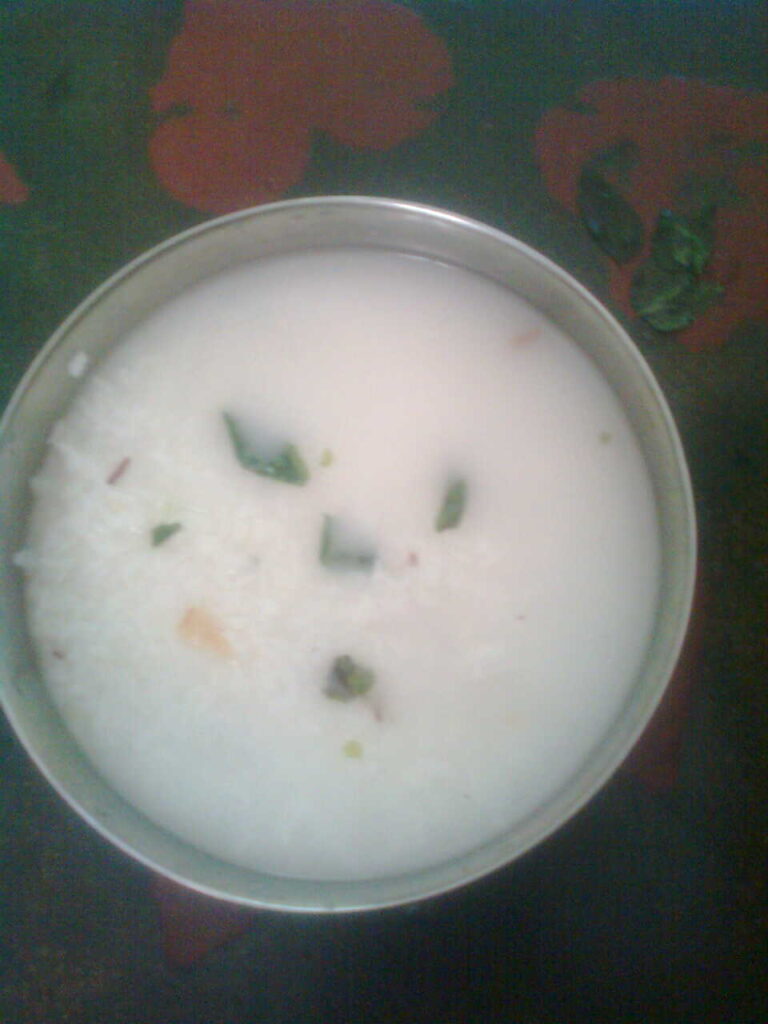
The most defining element of Nuakhai is the ritual consumption of the new rice, known as “Nua Bhaja” or “Nua Anna.” Before the new grain can be eaten by the family, it must first be offered to the presiding deity of the household or village. The eldest member of the family, or in many cases the family priest, performs the offering ceremony early in the morning on the designated day. The newly harvested paddy is cleaned, husked, and cooked into a simple preparation, often without salt or elaborate spices, to preserve the purity and essence of the first grain. This cooked rice is then placed before the family deity — which could be Maa Samaleswari, Maa Pataneswari, or a local gramadevati depending on the region — along with other offerings such as flowers, fruits, and sometimes a preparation of new sesame or lentils. Once the deity has been worshipped and the offering accepted, the new rice is distributed among family members as a sacred prasad. The act of eating this first handful of new rice is considered deeply auspicious, believed to bring health, prosperity, and spiritual merit. It is a moment of quiet reverence before the day gives way to celebration, a reminder that the grain on the plate is a gift from forces far greater than human effort alone.
Celebration Timing: The Precision of Tradition
The timing of Nuakhai is governed not by the Gregorian calendar but by the Hindu lunar almanac, specifically the fifth day of the lunar fortnight of Bhadrava, known as Panchami Tithi. This day invariably falls one day after Ganesh Chaturthi, usually in the months of August or September. However, the exact moment of celebration — known as “Lagna” — is determined with great precision by astrologers and priests, and this lagna can vary from village to village and even from household to household based on their specific traditional calculations. The Nuakhai rituals must be performed within this auspicious window, which could fall in the morning or early afternoon depending on the astrological configuration of the year. This precision in timing underscores the seriousness with which the festival is treated. It is not a casual celebration but a precisely timed sacrament where the alignment of celestial bodies is believed to influence the spiritual efficacy of the offering. In recent years, the “Nuakhai Bhetghat” — a formal gathering organized on the following Sunday or a convenient day after the actual festival — has become an important supplementary event, particularly in urban centers and among the diaspora, allowing people who could not be present on the actual lagna day to come together and celebrate collectively.
Nuakhai Bhetghat: The Festival of Reunion
The concept of “Nuakhai Bhetghat” has evolved into one of the most cherished social dimensions of the festival. “Bhetghat” literally means a meeting or gathering, and in the context of Nuakhai, it refers to the tradition of coming together — with family, friends, neighbors, and community members — to exchange greetings, share meals, and reaffirm social bonds. In the rural heartland of Western Odisha, bhetghat happens organically as people visit each other’s homes, carrying gifts of new rice, vegetables, and sweets. In urban areas, however, and particularly among the large migrant population from Western Odisha living in cities like Bhubaneswar, Cuttack, Delhi, Mumbai, and Bangalore, the Nuakhai Bhetghat has taken on an organized form. Cultural associations and community groups book halls, organize cultural programs featuring Sambalpuri dance and music, and serve traditional feasts where Nuakhai-special dishes are the centerpiece. The bhetghat serves a vital social function — it ensures that the festival remains a living tradition even for those who are geographically separated from their ancestral villages. It is during these gatherings that the Sambalpuri identity is most visibly expressed and celebrated, with people dressing in traditional Sambalpuri sarees and turbans, singing folk songs, and speaking in Sambalpuri dialect with a pride that transcends the boundaries of the gathering hall.
Sambalpuri Culture: The Soul of Nuakhai
Nuakhai is inseparable from the broader tapestry of Sambalpuri culture, which encompasses a rich tradition of music, dance, textile art, folklore, and culinary heritage unique to Western Odisha. The festival provides the grandest stage for this culture to express itself in its full glory. Sambalpuri sarees, with their iconic ikat weaves, bandha patterns, and motifs drawn from nature and mythology, are worn with particular pride during Nuakhai. Women drape themselves in these handloom masterpieces, while men often wear the traditional Sambalpuri cap or turban known as the “Pheta.” The air during Nuakhai is filled with the sounds of traditional Sambalpuri folk music — the rhythmic beats of the dhol, nisan, and mahuri accompanying soulful renditions of “Rasia,” “Dalkhai,” and other folk forms that speak of love, labor, and the beauty of the Kosali landscape. Sambalpuri dance performances, with their distinctive footwork and graceful movements, are organized in villages and towns alike. The language of celebration is unapologetically Sambalpuri — the local dialect that carries within it centuries of cultural memory and identity. In many ways, Nuakhai functions as an annual renewal of Sambalpuri cultural pride, a declaration that the traditions of Western Odisha are not backward or peripheral but are a complete and sophisticated civilization in their own right.
Tribal Traditions: The Indigenous Roots of Nuakhai
While Nuakhai is celebrated across communities in Western Odisha, its deepest and most ancient roots lie in the tribal traditions of the region. The Adivasi communities of Western Odisha — including the Kondh, Gond, Binjhal, Munda, Oraon, and Santhal tribes — have practiced versions of the new harvest festival for centuries, long before the festival acquired its current Sanskritic and caste-Hindu overlays. Among many tribal communities, the festival is known by different names and involves rituals that are distinctly animistic in character. The new grain is offered not to a temple deity but to the spirits of the ancestors, the village guardian spirits, and the elements of nature — the hill, the stream, the forest, and the field itself. In several tribal traditions, the first sheaf of paddy is ceremonially brought from the field in a procession accompanied by drumming and singing, and the grain is offered at a sacred grove or a village shrine. The tribal version of Nuakhai often includes the sacrifice of a fowl or goat, the brewing of traditional rice beer called “handia” or “mahuli,” and community feasting where the entire village eats together regardless of social hierarchy. These tribal traditions remind us that Nuakhai, at its most fundamental level, is a pre-agrarian, earth-worshipping practice that has been gracefully absorbed into a wider cultural framework without losing its essential connection to the land and its original custodians.
Sonepur and Patnagarh: Historical Capitals of the Festival
The historical and cultural geography of Nuakhai cannot be discussed without special reference to Sonepur and Patnagarh, two ancient centers of power and culture in Western Odisha that have played a foundational role in shaping the festival as it is known today. Sonepur, historically known as Subarnapur or the “City of Gold,” was the seat of the Chauhan dynasty and a major center of tantric Shaivism and Shakta worship. The royal family of Sonepur traditionally played a central role in the Nuakhai celebrations of the region, with the king himself performing the first offering of new rice to the presiding deity before the common people could follow suit. This royal patronage gave the festival a formal structure and a sense of pan-regional unity. Patnagarh, the ancient capital of the Patna kingdom in present-day Bolangir district, holds an equally significant place in the Nuakhai tradition. The Chauhan rulers of Patnagarh were known for their patronage of local culture, and the festival in this region developed its own distinctive regional flavor, closely linked to the worship of Maa Pataneswari, the presiding goddess whose temple in Patnagarh remains a major Nuakhai pilgrimage site. The rituals, the songs, and even the specific preparations associated with Nuakhai in the Sonepur-Patnagarh belt carry the imprint of centuries of royal and temple traditions, making this sub-region the cultural heartland of the festival. Even today, the Nuakhai celebrated in these areas is considered the most authentic and elaborate, attracting cultural enthusiasts and researchers who wish to witness the festival in its most traditional form.
The Cultural Significance: Beyond a Harvest Festival
The cultural significance of Nuakhai extends far beyond its immediate identity as a harvest festival. In a rapidly modernizing world where traditional agrarian societies are under immense pressure from urbanization, migration, and the erosion of local identities, Nuakhai serves as a powerful mechanism of cultural preservation and community cohesion. It is a day when the hierarchies of everyday life are softened — landlords and laborers, employers and employees, educated professionals and subsistence farmers all participate in the same fundamental act of offering and eating new rice. The festival reinforces the value of sharing, as it is customary to send portions of the new rice and prepared dishes to neighbors and relatives, ensuring that no household is left without a taste of the harvest. Nuakhai also plays a critical role in preserving the culinary heritage of Western Odisha, with each family preparing a specific array of traditional dishes — “Arua Chaula Bhaja,” “Muga Chaula,” “Laddu,” “Pitha,” and various preparations from newly harvested lentils and vegetables — that would otherwise be forgotten in an age of processed food and restaurant dining. For the Kosali-speaking people of Western Odisha, Nuakhai is the most important annual assertion of their distinct cultural identity within the larger framework of Odia and Indian civilization. It is a reminder that their language, their music, their textiles, their food, and their relationship with the land constitute a cultural heritage that is worthy of documentation, celebration, and transmission to future generations.
Conclusion: The Enduring Relevance of Nuakhai
In contemporary times, Nuakhai has demonstrated a remarkable ability to adapt and remain relevant. While the core rituals remain unchanged, the festival has expanded its embrace to include the vast Western Odia diaspora, digital celebrations through social media, academic discussions on agrarian culture, and even commercial promotions of Sambalpuri handloom products timed with the festival. Yet, despite these modern accretions, the soul of Nuakhai remains intact — it is still fundamentally about a farmer kneeling before his field with folded hands, still about a mother cooking the first rice of the season with tears of relief in her eyes, still about a community gathering under the open sky to sing the old songs that their ancestors sang. As long as paddy grows in the fields of Western Odisha, and as long as there are hearts that remember what it means to be grateful for the grain, Nuakhai will endure — not as a relic of the past, but as a living, breathing testament to the wisdom and beauty of a civilization that learned long ago that the greatest celebration is the one that begins with a handful of new rice and a prayer of thanksgiving.