କୋରାପୁଟ: ଦକ୍ଷିଣ ଓଡ଼ିଶାର ସୌନ୍ଦର୍ଯ୍ୟ
ଓଡ଼ିଶାର ଦକ୍ଷିଣରେ ପାହାଡ଼ମାଳା ଘେରା କୋରାପୁଟ ଜିଲ୍ଲା — ପ୍ରକୃତି, ଆଦିବାସୀ ସଂସ୍କୃତି ଓ କଫି ଚାଷର ଭୂମି। ଏଠାକାର ଦେଓମାଳି (୧୬୭୨ ମିଟର) ଓଡ଼ିଶାର ସର୍ବୋଚ୍ଚ ଶିଖର।
ମୁଖ୍ୟ ଆକର୍ଷଣ
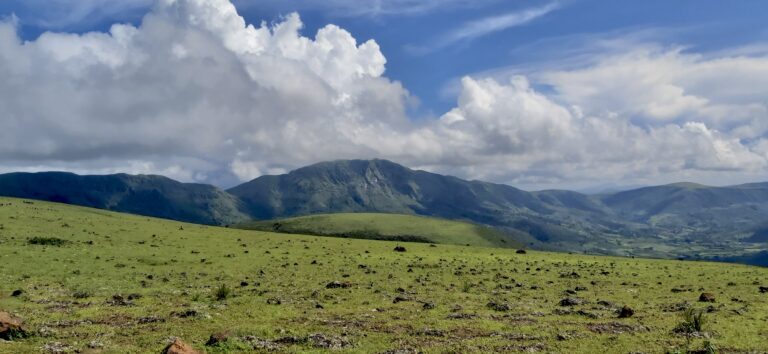
- ଦେଓମାଳି ଶିଖର ଓ ପାହାଡ଼ି ଦୃଶ୍ୟ।
- ଲମତପୁଟ କଫି ବଗିଚା ଓ ଆଦିବାସୀ କଫି ପରମ୍ପରା।
- ଡଙ୍ଗରିଆ କନ୍ଧଙ୍କ ନିୟାମଗିରି ଅଞ୍ଚଳ — ଆଦିବାସୀ ସଂସ୍କୃତି।
ଆହ୍ୱାନ: ଉତ୍ତରରେ ଉପକୂଳ, ଦକ୍ଷିଣରେ ପାହାଡ଼ — ଓଡ଼ିଶା ପର୍ଯ୍ୟଟନର ଦୁଇ ମୁହଁ। ଯାତ୍ରା: ଭିଶାଖାପାଟନମ୍ କିମ୍ବା ଭୁବନେଶ୍ୱରରୁ ରେଳ/ସଡ଼କ।
In English
The Tribal Heartland of Odisha
Koraput district, nestled in the southern reaches of Odisha, stands as one of the most culturally vibrant and geographically spectacular regions in eastern India. Spread across an area of approximately 8,379 square kilometers, this district forms the very backbone of what is often referred to as the tribal heartland of Odisha. Home to over 62 distinct tribal communities, including the Kondh, Paraja, Bhumia, Gadaba, Mali, and Didayi, Koraput represents a living repository of indigenous traditions that have survived centuries of external influence. The tribal populations here constitute more than 50 percent of the total demographic, making it one of the most concentrated tribal districts in the entire country. Each community carries its own distinct language, folklore, dance forms, and spiritual practices that are intricately woven into the landscape they inhabit. The weekly tribal markets, known locally as haats, serve as vibrant social hubs where one can witness the exchange of forest produce, handicrafts, and traditional agricultural products while experiencing the raw cultural energy that defines this extraordinary region.
The Eastern Ghats and Deomali Peak
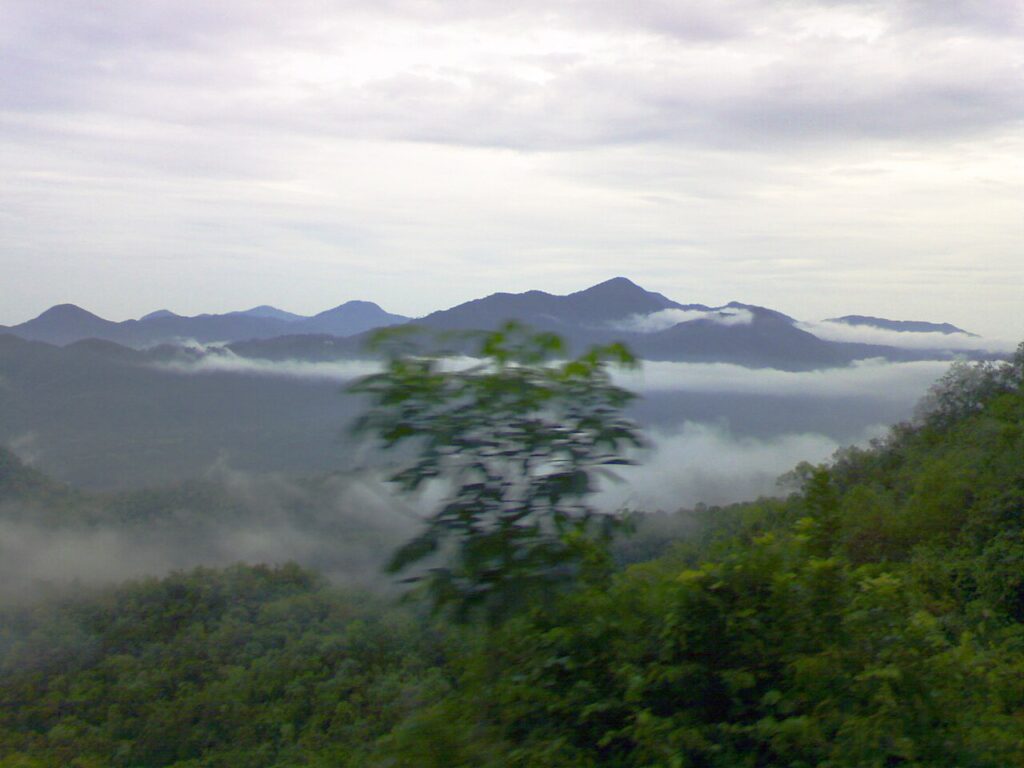
The geographical identity of Koraput is inseparable from the Eastern Ghats, a ancient mountain range that runs parallel to the eastern coast of India. In Koraput, these mountains achieve their most dramatic expression, creating a landscape of deep valleys, towering ridges, and plateaus that seem to touch the sky. The crown jewel of this mountainous terrain is Deomali, which at an elevation of 1,672 meters above sea level stands as the highest peak in Odisha. Located near Semiliguda in the Koraput district, Deomali offers breathtaking panoramic views of the surrounding hills, dense forests, and scattered tribal hamlets. The name Deomali is derived from the local language, where “Deo” means God and “Mali” means hill, literally translating to the Abode of Gods. The peak is characterized by its flat summit, which is dotted with grasslands and offers a stark contrast to the thick tropical forests that cover its lower slopes. During the winter months, the temperature at the summit can drop significantly, and occasional mist and fog create an ethereal atmosphere that has made Deomali an increasingly popular destination for trekkers, nature photographers, and adventure enthusiasts. The biodiversity surrounding the peak is remarkable, hosting numerous endemic species of flora and fauna that have adapted to this unique high-altitude ecosystem within a tropical region.
The Tribal Museum of Koraput
For visitors seeking to understand the rich cultural tapestry of Koraput, the Tribal Museum in the district headquarters serves as an essential starting point. Established to document, preserve, and showcase the diverse heritage of the region’s indigenous communities, this museum houses an impressive collection of artifacts that span the entire spectrum of tribal life. The exhibits include traditional weapons like bows, arrows, and axes crafted from locally sourced materials; an array of musical instruments such as the dumduma, changu, and kirkitti that accompany tribal dances and rituals; and an extensive collection of ornaments made from brass, silver, bell metal, and natural materials like seeds, feathers, and animal bones. The museum also features detailed displays of tribal textiles, particularly the intricate weaving patterns of the Gadaba and Mirgan communities, along with terracotta figurines, wooden carvings, and ceremonial objects used in various rites of passage. Life-size dioramas recreate typical tribal dwelling structures, giving visitors an immersive sense of how these communities have historically organized their domestic spaces. The museum plays a crucial educational role, helping both researchers and casual visitors appreciate the sophistication and depth of tribal cultures that are often misunderstood or romanticized in mainstream narratives.
The Dongria Kondh and Their Sacred Landscape
Among the many tribal communities that call Koraput and its neighboring districts home, the Dongria Kondh occupy a particularly significant place in both cultural and contemporary discourse. The Dongria Kondh are a particularly vulnerable tribal group who have made the Niyamgiri hills their home for generations, developing a deeply intimate relationship with the land that sustains them. Their name itself derives from “dongar,” meaning hill, reflecting their identity as people of the mountains. The Dongria Kondh practice a form of shifting cultivation known as dongar chasa on the hill slopes, growing millets, pulses, and vegetables in a system that demonstrates remarkable ecological understanding. They are distinguished by their unique personal adornment, with women wearing multiple necklaces, nose rings, and elaborate hair arrangements, while their homes feature distinctive decorative patterns. Central to Dongria Kondh cosmology is Niyam Raja, the supreme deity who is believed to reside in the Niyamgiri hills, and the community’s entire spiritual and social framework revolves around the protection and reverence of this sacred landscape. Their resistance to bauxite mining in the Niyamgiri hills became a landmark environmental and human rights struggle that drew international attention to the question of indigenous land rights versus industrial development.
Mining Controversies and the Battle for Niyamgiri
The intersection of Koraput’s mineral wealth and its tribal heritage has created one of the most contentious development debates in contemporary India. The district sits atop substantial reserves of bauxite, iron ore, manganese, and other minerals, making it a target for major mining corporations. The most prominent controversy centered on the proposed bauxite mining in the Niyamgiri hills by Vedanta Resources in collaboration with the Odisha Mining Corporation. The project threatened to displace Dongria Kondh communities and destroy the ecologically sensitive mountain ecosystem that serves as the catchment for numerous rivers and streams. What followed was a protracted legal and grassroots battle that ultimately reached the Supreme Court of India. In a historic 2013 decision, the court referred the matter to gram sabhas, or village councils, of the affected communities to determine whether the mining project would infringe upon their religious and cultural rights. All twelve gram sabhas unanimously rejected the mining proposal, asserting that the Niyamgiri hills were sacred and essential to their survival. This verdict was celebrated globally as a victory for indigenous rights and environmental justice, though it also highlighted the ongoing tension between extraction-based development models and the preservation of traditional livelihoods and ecological integrity in resource-rich tribal regions.
Coffee Plantations of Koraput
In a pleasant contrast to the mining controversies, Koraput has emerged as a success story in sustainable agriculture through its thriving coffee plantations. The district’s unique combination of high altitude, tropical climate, adequate rainfall, and well-drained laterite soils creates ideal conditions for coffee cultivation, particularly Arabica varieties. Coffee was first introduced to the region in the 1930s by British planters, and the tradition was subsequently expanded and refined by the state-run Odisha State Cooperative Coffee Producers Federation, commonly known as Nandan Kanan. Today, Koraput produces some of the finest specialty coffees in India, with plantations spread across Semiliguda, Koraput, and Narayanpatna blocks. The coffee is grown under the shade of towering sal, simul, and karanj trees, creating an agroforestry system that supports biodiversity while providing income to tribal farmers. Many tribal families have been integrated into the coffee economy as smallholder growers, and the organic certification of much of Koraput’s coffee has opened premium markets in India and abroad. The annual Coffee Festival held in Koraput has become a cultural event that celebrates this agricultural heritage, drawing connoisseurs and tourists who come to sample freshly brewed local coffee while enjoying the misty mountain ambience of the plantations.
Tourism Potential and Emerging Destinations
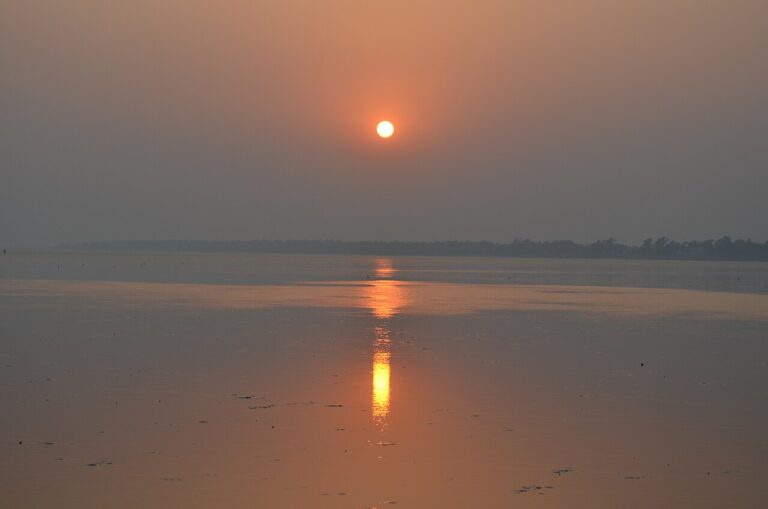
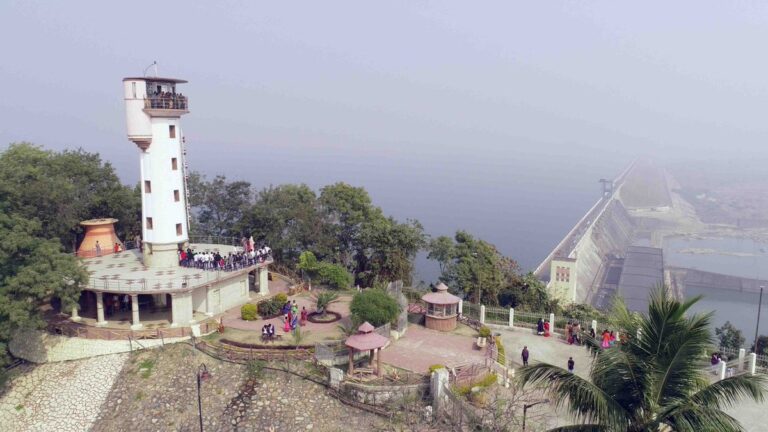
Koraput is gradually establishing itself as a destination for experiential and eco-tourism, attracting travelers who seek authentic cultural encounters and pristine natural environments. Beyond Deomali and the coffee estates, the district offers several attractions that reward the intrepid visitor. The Duduma Waterfall, also known as Matsya Tirtha, cascades from a height of 175 meters on the Machkund River, creating a spectacular sight especially during the monsoon months. The Gupteswar Cave, located about 55 kilometers from Koraput town, houses a naturally formed lingam of Lord Shiva and draws pilgrims and tourists alike. The Balimela Reservoir, created by damming the Sileru River, offers serene boating opportunities against a backdrop of forested hills. The tribal villages themselves, particularly those of the Paraja and Bhumia communities, welcome culturally sensitive visitors who wish to observe traditional architecture, participate in local festivals like Chaiti Parab and Push Parab, and purchase handcrafted items directly from artisans. The Odisha Tourism Department has been developing infrastructure including eco-cottages, nature trails, and guided village tours, though the region still retains an off-the-beaten-path character that appeals to those who prefer authentic experiences over commercialized tourist circuits.
Jagannath Temple Koraput in Sabara Style
One of the most culturally significant landmarks in Koraput town is the Jagannath Temple, which represents a fascinating synthesis of mainstream Hindu theology and local tribal traditions. Unlike the majestic Jagannath Temple in Puri with its towering spire and elaborate pantheon, the Koraput Jagannath Temple is built in the distinctive Sabara style of architecture, reflecting the deep influence of the region’s tribal communities on religious expression. The temple structure is relatively modest, featuring a simple yet elegant design that incorporates tribal architectural elements and decorative motifs. The most remarkable aspect of this temple is its inclusive spiritual framework. Here, Lord Jagannath is worshipped not merely as a Hindu deity but is integrated into the tribal cosmological worldview alongside local deities and ancestral spirits. During the annual Rath Yatra, the chariot pulling ceremony incorporates tribal musical traditions and dance forms, creating a unique celebration that differs markedly from the Puri experience. The temple also serves as a site where tribal and non-tribal communities come together in shared devotion, exemplifying the syncretic religious culture that characterizes much of Odisha’s hinterland. This temple stands as a powerful symbol of how universal religious traditions can be localized and reinterpreted through the lens of indigenous cultures without losing their essential spiritual essence.
How to Reach Koraput
Reaching Koraput has become considerably easier in recent years, though the journey itself remains part of the adventure, offering glimpses of the region’s scenic beauty. By air, the nearest airport is Visakhapatnam in Andhra Pradesh, approximately 200 kilometers from Koraput town. From Visakhapatnam, regular bus services and private taxis are available, and the drive through the Eastern Ghats takes roughly five to six hours. The Jeypore Airport, located about 22 kilometers from Koraput, has recently been upgraded and now operates limited commercial flights, providing a more convenient option for air travelers. By rail, Koraput is connected to the Indian railway network through the Koraput Junction railway station, which falls under the East Coast Railway zone. Direct trains are available from major cities including Bhubaneswar, Visakhapatnam, and Howrah. The Jagdalpur-Koraput and the Hirakhand Express are popular train options. For those who prefer road travel, Koraput is well connected by National Highway 26, which links it to Bhubaneswar (approximately 500 kilometers), Visakhapatnam, and Raipur. State-run and private buses operate regular services on these routes. Within the district, having a private vehicle or hiring a local taxi is advisable for visiting scattered attractions like Deomali, the coffee plantations, and tribal villages, as public transport to these locations can be infrequent. The best time to visit Koraput is between October and March when the weather is pleasant, though the monsoon months from July to September offer the most dramatic views of waterfalls and lush green landscapes.