କୋଣାର୍କ ସୂର୍ଯ୍ୟ ମନ୍ଦିର: ପଥରରେ ଖୋଦିତ କଳା
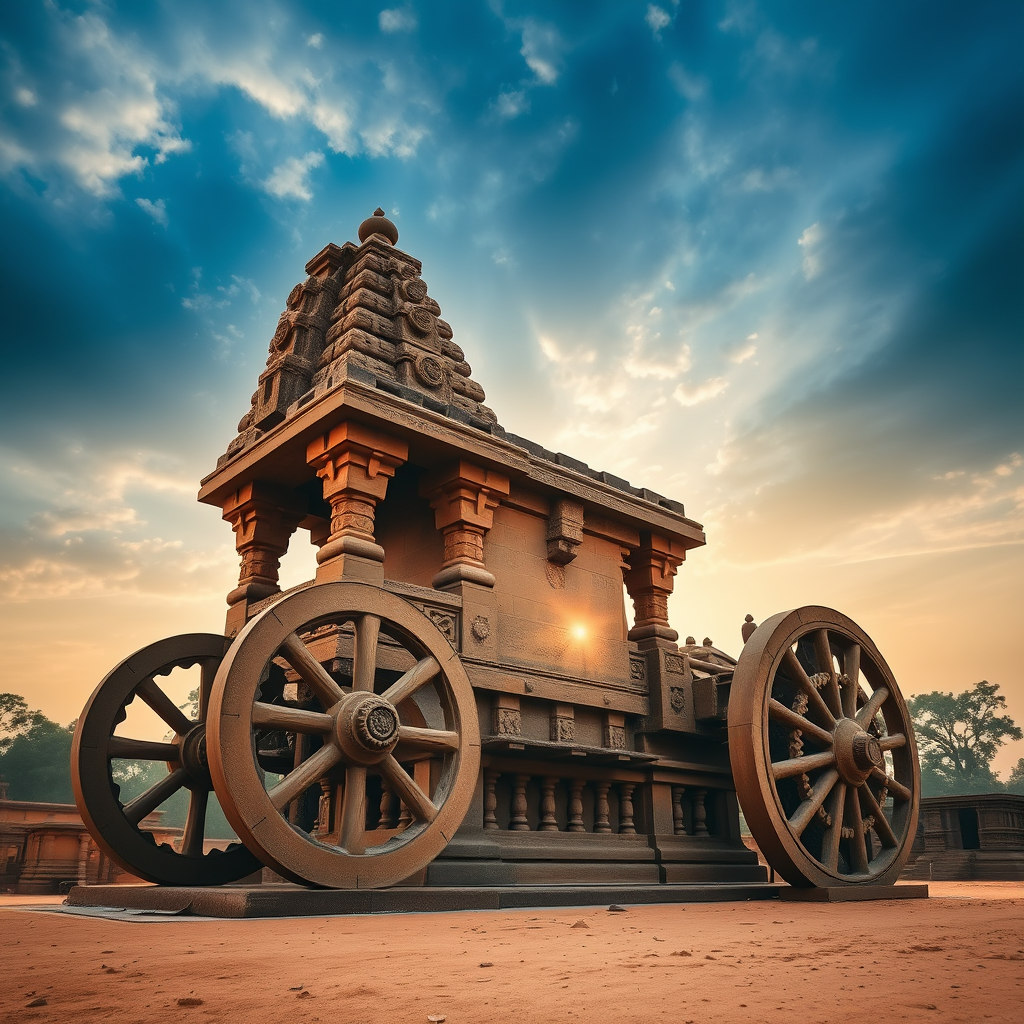
ତ୍ରୟୋଦଶ ଶତାବ୍ଦୀରେ (ଆନୁମାନିକ ୧୨୫୦ ଖ୍ରୀଷ୍ଟାବ୍ଦ) ଗଙ୍ଗ ରାଜା ନରସିଂହଦେବ ପ୍ରଥମ ଏହି ମନ୍ଦିର ନିର୍ମାଣ କରିଥିଲେ — ସୂର୍ଯ୍ୟଙ୍କ ପାଇଁ ଏକ ବିରାଟ ପଥର ରଥ। ସାତ ଘୋଡ଼ାର ରଥ, ୨୪ଟି ଚକ୍ର (ଦୁଇ ଚକ୍ର = ଏକ ପ୍ରହର, ମୋଟ ଦିନର ୨୪ ଘଣ୍ଟା), ୧୨ ଯୁଗ୍ମ ଚକ୍ର (ବର୍ଷର ୧୨ ମାସ) — ସମଗ୍ର ମନ୍ଦିର ଏକ ଖଗୋଳ ବିଜ୍ଞାନ ପୁସ୍ତକ।
ଅଦ୍ଭୁତ ନିର୍ମାଣ
- ମୁଖ୍ୟ ବିଗ୍ରହ ସୂର୍ଯ୍ୟ ପଥର (ମାଗ୍ନେଟାଇଟ୍ ଯୁକ୍ତ) ଉପରେ ଝୁଲି ଥିବାର କିମ୍ବଦନ୍ତୀ।
- ପ୍ରତ୍ୟେକ ସକାଳେ ସୂର୍ଯ୍ୟର ପ୍ରଥମ କିରଣ ଅଲଗା ଅଲଗା ମୂର୍ତ୍ତି ଉପରକୁ ପଡ଼ୁଥିଲା।
- ଗୋପାଳୀ-କନ୍ୟା ମୂର୍ତ୍ତି, ରତି-କଳା ଖୋଦେଇ — ଜୀବନର ସମ୍ପୂର୍ଣ୍ଣ ଚିତ୍ର।
୧୯୮୪ ମସିହାରେ ୟୁନେସ୍କୋ ବିଶ୍ୱ ଐତିହ୍ୟ ସ୍ଥାନ ମାନ୍ୟତା; କଳିଙ୍ଗ ସ୍ଥାପତ୍ୟର ଚୂଡ଼ାନ୍ତ ଉଦାହରଣ — ସ୍ଥାପତ୍ୟ ପ୍ରସଙ୍ଗ; ପାଖର ଡିସେମ୍ବର ନୃତ୍ୟ ମହୋତ୍ସବ ଓ ଚନ୍ଦ୍ରାଭାଗା ତୀର ମଧ୍ୟ ଦେଖନ୍ତୁ।
In English
The Eternal Chariot of the Sun God: Understanding Konark’s Monumental Vision
The Konark Sun Temple stands as the most magnificent testament to the artistic and architectural genius of medieval Odisha. Dedicated to Surya, the Hindu deity representing the sun, this thirteenth-century marvel was conceived not merely as a place of worship but as a cosmic representation of the celestial chariot that carries the sun across the sky. The very name Konark derives from two Sanskrit words, Kona meaning corner or angle, and Arka meaning the sun, together signifying the corner of the sun or the sun of the corner. This nomenclature itself reflects the deep astronomical awareness that guided the temple’s orientation and design. Built on the shores of the Bay of Bengal, the temple was positioned so that the first rays of the rising sun would strike the main entrance, a detail that demonstrates how closely its builders integrated scientific knowledge with sacred architecture.
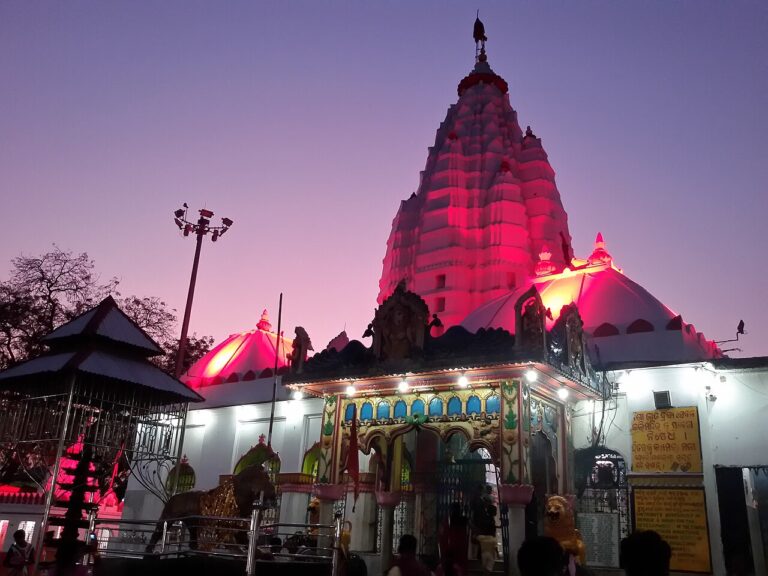
ସାଳେଶ୍ୱରୀ ମନ୍ଦିର: ସମ୍ବଲପୁରର ଆଦିଶକ୍ତିSamaleswari Temple: The Presiding Goddess of Sambalpur
King Narasimhadeva I and the Political Context of Construction
The construction of the Konark Sun Temple was commissioned by King Narasimhadeva I of the Eastern Ganga dynasty, who ruled from 1238 to 1264 CE. Narasimhadeva was a powerful monarch who consolidated the Ganga Empire after the challenges posed by Muslim invasions from Bengal. Having defeated the forces of the Delhi Sultanate and secured his western frontiers, the king sought to express his imperial grandeur through an architectural project of unprecedented scale. The Eastern Ganga dynasty had already established a rich tradition of temple building in Odisha, with the Lingaraja Temple at Bhubaneswar and the Jagannath Temple at Puri representing earlier phases of this architectural evolution. However, Narasimhadeva envisioned something that would surpass all previous achievements. He chose Konark, a site already associated with sun worship since ancient times, as the location for his magnum opus. Historical records suggest that the construction employed thousands of artisans, architects, and laborers over approximately twelve years, drawing upon resources from across his vast kingdom.
The Chariot Architecture: Wheels, Horses, and Cosmic Symbolism
The most distinctive feature of the Konark Sun Temple is its conception as a colossal stone chariot for Surya. The entire temple structure is designed to replicate a wheeled vehicle, with twenty-four exquisitely carved wheels arranged around the base of the main temple tower. Each wheel measures approximately three meters in diameter and is decorated with intricate geometric patterns, floral motifs, and figurative carvings that reveal an astonishing depth of artistic skill. These wheels are not merely decorative elements but function as sundials, with their spokes casting shadows that can be used to calculate the precise time of day. The chariot is drawn by seven magnificent horses, representing the seven days of the week according to Hindu cosmology, though only one horse remains intact today. The remaining portions of the other horses still convey the power and dynamism that the original design intended. The twenty-four wheels have been interpreted variously as representing the twenty-four hours of the day, the twenty-four fortnights of the Hindu lunar calendar, or the twenty-four great elements of Hindu philosophy. This layered symbolism transforms the temple from a static structure into a dynamic cosmic instrument.
Structural Layout and Architectural Innovation
The original temple complex followed the traditional Odishan temple plan comprising four main components: the vimana or deul, which was the main sanctum housing the deity; the jagamohana or pidha deul, which served as the assembly hall; the natamandira or dancing hall; and the bhogamandapa or hall of offerings. Of these, the jagamohana survives largely intact, while the vimana, which once rose to an estimated height of seventy meters, has collapsed. The natamandira stands separately to the east, and the bhogamandapa is positioned at a distance. The jagamohana itself is a pyramidal structure built without mortar, using a technique where precisely shaped stones are interlocked through their own weight and gravity. The interior of the jagamohana was originally illuminated by strategically placed openings that allowed sunlight to penetrate at specific angles during different times of the year, creating an interplay of light and shadow that enhanced the spiritual atmosphere. The exterior walls are covered with sculptures arranged in multiple horizontal registers, creating a visual narrative that wraps around the entire structure like a stone tapestry.
The Erotic Sculptures: Beyond Sensuality to Spiritual Metaphor
Among the most discussed aspects of Konark are its erotic sculptures, which adorn the walls of the jagamohana and the natamandira. These depictions of amorous couples in various postures have often been misunderstood or sensationalized by colonial and subsequent commentators. Within the context of medieval Hindu temple architecture, such sculptures served multiple purposes. According to the tantric philosophical traditions that influenced temple design in Odisha, the union of male and female principles represented the cosmic creation itself, with physical intimacy serving as a metaphor for the soul’s union with the divine. Additionally, these sculptures were positioned on the outer walls rather than within the sanctum, symbolizing that worldly desires must be left behind before entering the sacred inner space. Some scholars have also suggested that these carvings served an educational purpose, illustrating the Kama Shastra, the ancient Indian treatise on love and pleasure. The artistic treatment of these figures reveals a sophisticated understanding of human anatomy, emotional expression, and compositional balance that elevates them beyond mere pornography into the realm of serious artistic achievement.
Other Sculptural Programs: Mythology, Daily Life, and Nature
The erotic sculptures constitute only a fraction of the vast sculptural program at Konark. The temple walls also depict scenes from Hindu mythology, including episodes from the Ramayana, the Mahabharata, and various Puranas. There are elaborate carvings of deities such as Vishnu in his various incarnations, Shiva in his different forms, and goddesses in graceful postures. Equally significant are the representations of contemporary life, showing musicians, dancers, warriors, priests, and ordinary people engaged in their daily activities. These secular carvings provide invaluable documentation of thirteenth-century Odishan society, revealing details about clothing, jewelry, musical instruments, weapons, and social customs. Animal figures, including elephants, lions, horses, and birds, are rendered with remarkable naturalism and artistic flair. Floral and geometric patterns fill the spaces between figurative carvings, creating a dense visual field that leaves no surface unadorned. The quality of carving varies across the temple, suggesting the involvement of multiple workshops and master artisans, each contributing their distinctive style to the overall composition.
The Mystery of the Collapsed Vimana
The most pressing question surrounding Konark is why the main sanctum tower, the vimana, collapsed. Various theories have been proposed over the centuries. The most widely accepted explanation is structural failure, possibly due to the enormous weight of the tower combined with the softness of the local khondalite stone used in construction. The magnetic lodestone placed at the top of the vimana, mentioned in some historical accounts, is said to have disrupted the structural integrity by causing the iron components to weaken over time, though this theory has been disputed by modern engineers. Environmental factors, including salt-laden winds from the nearby sea, monsoon rains, and possibly earthquakes, may have accelerated the deterioration. Some historians have suggested that the temple was never fully completed, which might have left the structure vulnerable. The collapse likely occurred gradually over centuries rather than in a single catastrophic event, with the process possibly beginning as early as the fifteenth century. By the time European travelers began visiting Konark in the seventeenth and eighteenth centuries, the vimana was already a mound of rubble.
Chandrabhaga Beach: Sacred Shore and Tourist Destination
The Konark Sun Temple is inseparable from its coastal setting, and the nearby Chandrabhaga Beach adds another dimension to the visitor experience. According to local tradition, the Chandrabhaga River, now dried up, once flowed into the sea near this spot, creating a sacred confluence where pilgrims would bathe before visiting the temple. The beach takes its name from this legendary river, which is associated with a mythological tale of divine love and sacrifice. Today, Chandrabhaga Beach has developed as a significant tourist destination, offering visitors the opportunity to witness spectacular sunrises and sunsets over the Bay of Bengal. The annual Chandrabhaga Mela, held in the lunar month of Magha, draws thousands of pilgrims who take a ritual dip in the sea and pay homage to the sun god. The beach also serves as a venue for the Konark Dance Festival, where classical dancers perform against the backdrop of the illuminated temple, creating a magical fusion of ancient architecture and living artistic tradition. The interplay between the natural beauty of the coastline and the man-made grandeur of the temple makes Konark a unique destination where heritage and landscape complement each other perfectly.
Conservation Efforts and Challenges
The preservation of the Konark Sun Temple has been a continuing challenge for over a century. The Archaeological Survey of India took charge of the site in the early twentieth century and has implemented various conservation measures over the decades. In the early years, fallen stones were collected and sorted, and the most important sculptural fragments were moved to a sculpture shed for protection. The jagamohana was filled with sand to stabilize its structure and prevent further collapse, a controversial decision that some critics argue has altered the spatial experience of the interior. Chemical treatments have been applied to the stone surfaces to slow weathering, and protective canopies have been installed over particularly vulnerable carvings. The surrounding area has been landscaped, and a green buffer zone created to reduce the impact of windblown sand. Despite these efforts, conservation remains an ongoing struggle. The khondalite stone continues to deteriorate due to environmental exposure, biological growth, and pollution. The ASI has experimented with various conservation techniques, including the application of consolidants and the use of shelter coatings, but finding a permanent solution to the weathering problem remains elusive. International collaboration and advanced scientific analysis are now being employed to develop more effective preservation strategies.
Tourism and Cultural Significance in Modern Odisha
Konark has emerged as one of the most important tourist destinations in eastern India, attracting visitors from across the country and around the world. The temple is a centerpiece of the Golden Triangle of Odisha tourism, along with the Jagannath Temple at Puri and the Lingaraja Temple at Bhubaneswar. The Konark Dance Festival, organized annually by the Odisha government, has become a prestigious cultural event that showcases classical Indian dance forms including Odissi, Bharatanatyam, Kathak, and Manipuri. The Sun Temple also features prominently in Odisha’s cultural branding and identity, appearing on state government publications, promotional materials, and commemorative items. Tourism infrastructure around Konark has expanded significantly, with hotels, guest houses, restaurants, and transport facilities catering to varying budgets and preferences. The local economy benefits substantially from visitor spending, with handicraft vendors, guides, photographers, and hospitality workers all depending on temple tourism for their livelihoods. However, the challenge remains to balance the economic benefits of tourism with the imperative of heritage conservation, ensuring that increased footfall does not accelerate the deterioration of this irreplaceable monument.
Konark as India’s Cultural Ambassador to the World
The recognition of Konark as a UNESCO World Heritage Site in 1984 confirmed its status as a monument of universal significance. The temple represents a pinnacle of human creative achievement, demonstrating how artistic excellence, scientific knowledge, and spiritual aspiration can converge in a single architectural project. For India, Konark serves as a powerful ambassador of its ancient cultural heritage, challenging reductive narratives that associate medieval Indian civilization primarily with decline and destruction. The temple reminds the world that thirteenth-century India was capable of producing works that rivaled the greatest achievements of any contemporary civilization. For the people of Odisha specifically, Konark is a source of enduring pride, connecting them to a golden age of artistic achievement and asserting their distinct cultural identity within the broader Indian mosaic. As conservation efforts continue and new generations of visitors discover its wonders, the Sun Temple of Konark will continue to inspire awe and admiration, fulfilling the intention of King Narasimhadeva I who, eight centuries ago, sought to create a monument that would endure for all time.