ପାରାଦ୍ୱୀପ ବନ୍ଦର: ଓଡ଼ିଶାର ପ୍ରମୁଖ ସମୁଦ୍ର ବନ୍ଦର
Paradip Port: Odisha’s Major Seaport Driving India’s Maritime Trade
ଜଗତସିଂହପୁର ଜିଲ୍ଲାର ପାରାଦ୍ୱୀପ — ୧୯୬୬ ମସିହା ଜୁନ୍ ୧୨ରେ ଉଦ୍ଘାଟିତ ଓଡ଼ିଶାର ଏକମାତ୍ର ପ୍ରମୁଖ (major) ସମୁଦ୍ର ବନ୍ଦର। କୋଇଲା, ଲୌହ ଅଏସ୍କ ଓ ପେଟ୍ରୋଲିୟମ ପରିବହନରେ ଏହା ଭାରତର ଶ୍ରେଷ୍ଠ ବନ୍ଦରମାନଙ୍କ ମଧ୍ୟରେ — ବାର୍ଷିକ ୧୦୦+ ମିଲିୟନ ଟନ୍ କ୍ଷମତା ଲକ୍ଷ୍ୟ।
ଅର୍ଥନୈତିକ ଭୂମିକା
- ଓଡ଼ିଶାର ଶିଳ୍ପ ବିକାଶର ପ୍ରବେଶ ଦ୍ୱାର — ଇସ୍ପାତ ଓ ଶକ୍ତି ପ୍ରକଳ୍ପର ମେରୁଦଣ୍ଡ।
- ମହାନଦୀ ମୁହାଣ + ଭିତରକଣିକା ନିକଟରେ — ବନ୍ଦର ସହ ପରିବେଶର ସହଅବସ୍ଥାନ।
- ପାରାଦ୍ୱୀପ ମାଛଚାଷ ଓ ସମୁଦ୍ର ଖାଦ୍ୟ ଶିଳ୍ପରେ ମଧ୍ୟ ଆଗୁଆ।
ଓଡ଼ିଶାର ଅର୍ଥନୀତି ଓ ଭୂଗୋଳ — ପର୍ଯ୍ୟଟନ ଗାଇଡ୍ ସହ ମିଶି; ପାଖ ଉପକୂଳ ଭ୍ରମଣ ପାଇଁ ଆଧାର।
In English
Paradip Port: The Maritime Gateway of Odisha
Paradip Port stands as Odisha’s most significant deep-water seaport, strategically located at the confluence of the Mahanadi River and the Bay of Bengal in Jagatsinghpur district. As one of the premier ports on India’s eastern coastline, Paradip has transformed from a modest riverine outlet into a bustling maritime hub that handles millions of tonnes of cargo annually. The port’s geographical position, approximately 210 nautical miles southwest of Kolkata and 260 nautical miles northeast of Visakhapatnam, makes it an ideal anchor point for maritime trade across the Bay of Bengal region. The deep natural channel and protective geographical features have allowed Paradip to emerge as the crown jewel of Odisha’s maritime infrastructure, serving as the primary gateway for the mineral-rich hinterland of the state and neighboring regions.
Historical Evolution Since 1966
The story of Paradip Port begins in the early 1960s when the Government of India recognized the urgent need for a major port on the eastern coast to facilitate the export of iron ore from the newly discovered deposits in the Barbil region of Odisha. The foundation stone for the port was laid by Prime Minister Jawaharlal Nehru on January 3, 1962, marking the beginning of an ambitious engineering endeavor. After four years of intensive construction work involving dredging, breakwater construction, and wharf development, the port was formally declared open for operations on March 12, 1966. The initial phase featured a single berth and limited cargo handling capacity, but the vision was always expansive. Over the decades, the port witnessed systematic expansion with the addition of multiple berths, mechanized handling systems, and improved navigation channels. The Paradip Port Trust, established under the Major Port Trusts Act of 1963, governed the port’s operations until 2021 when it was reconstituted as Paradip Port Authority under the Major Port Authorities Act, signaling a new era of governance and operational flexibility.
The Engineering Marvel of an Artificial Harbor
What makes Paradip Port particularly remarkable is its status as an artificial harbor, carved out through extraordinary engineering efforts in a challenging coastal environment. The natural coastline at Paradip consisted of shifting sandbars and tidal mudflats that were unsuitable for large vessel navigation. Engineers constructed two massive breakwaters extending into the sea to create a protected basin where ships could anchor safely. The northern breakwater stretches approximately 1,200 meters while the southern breakwater extends about 1,500 meters, together forming a shield against the turbulent waves and cyclonic storms that frequently visit the Bay of Bengal. The approach channel was dredged to maintain a depth that allows Capesize vessels, some of the largest bulk carriers in the world, to enter and berth comfortably. This artificial harbor design has proven remarkably resilient, withstanding several devastating cyclones including the super cyclone of 1999 that caused widespread destruction across coastal Odisha but left the port’s basic structure largely intact.
Cargo Handling Capabilities and Infrastructure
Paradip Port has evolved into a cargo handling powerhouse with a current capacity exceeding 140 million tonnes per annum, making it one of the highest-capacity ports in India. The port features multiple specialized berths including mechanized iron ore handling berths, coal berths, POL berths for liquid cargo, and general cargo berths. The mechanized iron ore loading facility is among the most sophisticated in the country, featuring conveyor systems, stackers, reclaimers, and ship loaders that can load vessels at rates exceeding 8,000 tonnes per hour. The coal handling plant processes both imported and domestic coal with equal efficiency, serving the numerous thermal power plants in the region. Liquid cargo terminals handle petroleum products, chemicals, and liquefied gases through a network of pipelines connected directly to nearby refineries and storage facilities. Container handling, though still developing, has been gaining momentum with dedicated container freight stations and plans for a full-fledged container terminal. The port operates round the clock throughout the year, with modern vessel traffic management systems ensuring safe and efficient movement of ships in the channel and harbor.
Iron Ore Export: The Foundation of Prosperity
Iron ore export has been the cornerstone of Paradip Port’s commercial success since its inception. Odisha possesses approximately 35 percent of India’s total iron ore reserves, with major deposits concentrated in the Keonjhar, Sundargarh, and Jajpur districts. Paradip serves as the nearest deep-water port for these mining regions, connected by an extensive rail network operated by the East Coast Railway. During peak years, the port handled over 30 million tonnes of iron ore exports annually, making it the single largest iron ore exporting port in India. The ore travels from mines to the port in dedicated trains called rakes, each carrying thousands of tonnes of high-grade hematite and magnetite ore. At the port, sophisticated sampling and quality assessment facilities ensure that the exported ore meets international specifications demanded by steel mills in China, Japan, South Korea, and Southeast Asian nations. While fluctuations in global demand and changes in export policies have affected volumes in recent years, iron ore remains a vital component of Paradip’s cargo profile, and the port continues to invest in upgrading its ore handling infrastructure to remain competitive in the global market.
Petrochemical Zone and Industrial Ecosystem
The establishment of the Indian Oil Corporation’s Paradip Refinery has fundamentally transformed the port’s industrial landscape and cargo profile. Commissioned in 2016, this massive refinery with a capacity of 15 million tonnes per annum processes crude oil imported through the port’s liquid cargo berths. The refinery has catalyzed the development of a comprehensive petrochemical zone in the vicinity, attracting downstream industries that produce polymers, specialty chemicals, and other petroleum-based products. The port and refinery operate in symbiotic relationship, with the port receiving crude oil tankers from the Middle East, West Africa, and other sourcing regions, while the refinery’s finished products are partly exported through the same maritime channel. This petrochemical ecosystem has diversified Paradip’s economic base beyond traditional bulk cargo handling, adding value to the regional economy through manufacturing and industrial processing. Several other industrial units including a fertiliser plant, thermal power stations, and steel processing facilities have established operations in the port’s proximity, creating an integrated industrial corridor that leverages the port’s logistical advantages.
Economic Importance for Odisha and Eastern India
The economic significance of Paradip Port extends far beyond its physical boundaries, serving as the primary economic engine for Odisha and a crucial logistics hub for the entire eastern Indian region. The port contributes substantially to both state and central revenues through customs duties, port charges, and related levies. By providing efficient maritime connectivity, Paradip enables Odisha’s mineral resources to reach global markets competitively, directly supporting the state’s mining sector that employs hundreds of thousands of workers. The port’s operations generate substantial indirect employment across multiple sectors including transportation, warehousing, shipping, banking, insurance, and hospitality. For landlocked states like Chhattisgarh, Jharkhand, and parts of Madhya Pradesh, Paradip serves as the nearest gateway for international trade, reducing transportation costs and improving market access for their industrial products. The port has been instrumental in attracting industrial investments to Odisha, as investors consider port proximity a critical factor when establishing manufacturing facilities. The cumulative economic impact of Paradip Port on the regional economy is estimated to be several times the port’s direct revenue, making it perhaps the single most important economic asset in Odisha’s infrastructure portfolio.
Employment Generation and Socioeconomic Impact
Paradip Port directly employs over 3,000 personnel across various categories including administrative, technical, operational, and support staff. However, the total employment impact is exponentially larger when indirect and induced employment are considered. The port’s operations support an estimated 50,000 to 75,000 jobs in allied sectors including truck transportation, railway operations, stevedoring, ship chandling, customs broking, and cargo handling services. The fishing community in and around Paradip has also benefited from the port’s infrastructure, with improved boat landing facilities and better market access for their catch. The port township has developed into a thriving urban center with schools, hospitals, residential colonies, and commercial establishments that provide additional employment opportunities. Several training institutions and industrial training centers have been established in the region to develop skilled manpower for port and maritime operations. The socioeconomic transformation of the Paradip region from a remote coastal settlement to a major industrial township represents one of the most dramatic development stories in Odisha’s post-independence history, though challenges related to displacement of traditional fishing communities and environmental concerns continue to require sensitive management.
Future Expansion Plans and Modernization
Paradip Port is embarked on an ambitious expansion program aimed at enhancing its capacity to over 300 million tonnes per annum in the coming decades, which would make it one of the largest ports in the world by cargo volume. The master plan includes construction of new deep-draft berths capable of handling the latest generation of ultra-large cargo vessels, reducing per-unit transportation costs and improving competitiveness. A dedicated container terminal is being developed to capture the growing containerized trade from eastern India, which currently diverts to ports in other regions due to inadequate local facilities. The port is investing in dredging projects to deepen the channel further, enabling even larger vessels to access the harbor. Modernization of cargo handling equipment with automated and digitally integrated systems is underway to improve operational efficiency and reduce turnaround time for vessels. The development of a satellite port at nearby Astarang and enhancement of logistics infrastructure including dedicated freight corridors and inland waterway connections are part of the long-term vision. These expansion initiatives are expected to attract massive private investment through the public-private partnership model, bringing global port operators and logistics companies to Paradip.
Marine Drive Tourism and Coastal Attractions
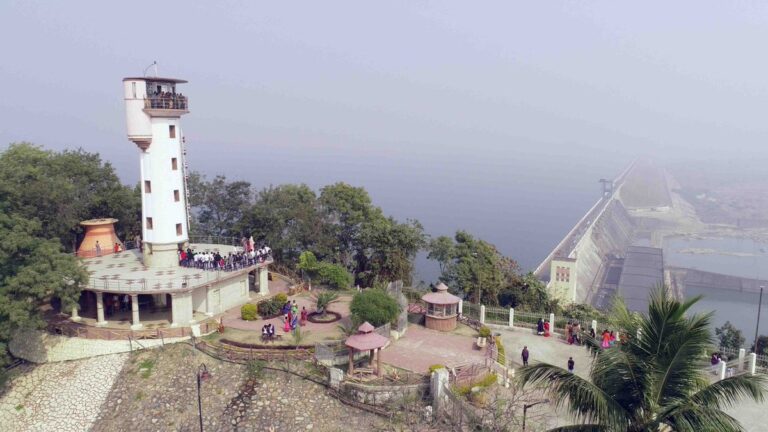
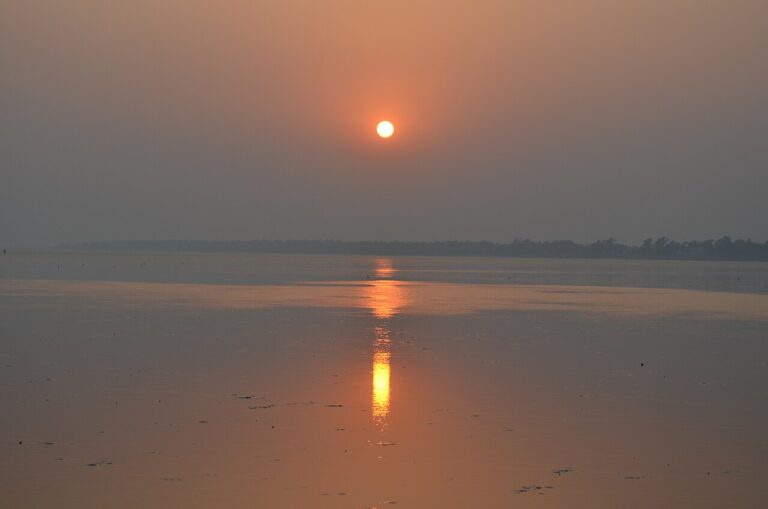
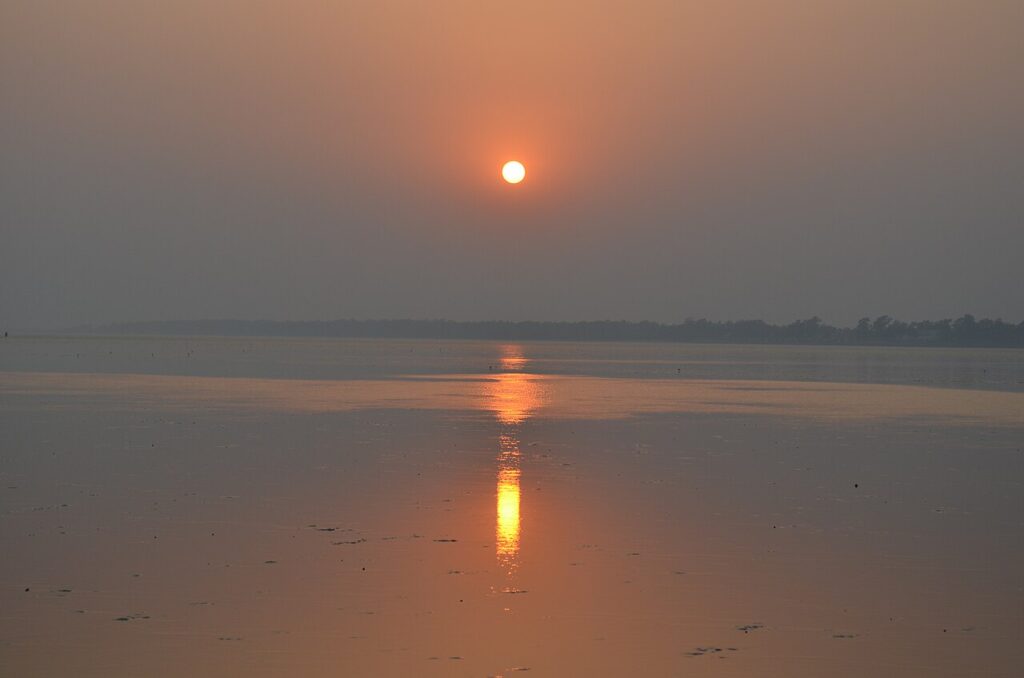
Beyond its industrial significance, Paradip has emerged as an unexpected tourism destination, with the Marine Drive being its most celebrated attraction. This scenic coastal road stretches along the shoreline, offering breathtaking views of the Bay of Bengal, with the massive port infrastructure visible in the distance creating a unique industrial-natural landscape. The Marine Drive has become a popular weekend getaway destination for residents of Cuttack, Bhubaneswar, and other Odisha cities, with visitors flocking to enjoy the sea breeze, spectacular sunrises and sunsets, and fresh seafood available at numerous beachside eateries. The nearby beaches of Sagarika and Nehru Banzar offer safe swimming areas and picnic spots. The lighthouse at Paradip, though not open for regular public climbing, adds to the coastal charm and serves as a photographic landmark. The confluence point where the Mahanadi River meets the sea, visible from certain vantage points, presents a mesmerizing natural spectacle. The port authorities have developed parks, viewing galleries, and recreational facilities along the Marine Drive to enhance the visitor experience. During winter months, the area hosts migratory birds, adding another dimension to its ecological appeal. This tourism potential is increasingly being recognized in Odisha’s tourism promotion strategies, with plans to develop more organized tourism infrastructure including hotels, water sports facilities, and heritage interpretation centers that can showcase the port’s remarkable story to visitors.