ଓଡ଼ିଆ ଭାଷାରେ
ସହସ୍ର ଶିଖରର ସହର
Bhubaneswar Temple City: A Complete Travel Guide
ଭୁବନେଶ୍ୱରର ପୁରାତନ ମହଲ୍ଲାର ଗଳିପଥରେ ପାଦ ଥାପିବା ଅର୍ଥ ସମୟର ମଧ୍ୟ ଦେଇ ଚାଲିବା। ଏଠାରେ ପୋଖରୀ ଓ ତେନ୍ତୁଳି ବୃକ୍ଷମାନଙ୍କ ଉପରେ ମୁଣ୍ଡ ଟେକି ଠିଆ ହୋଇଛି ଏକ ହଜାର ବର୍ଷରୁ ଅଧିକ କାଳ ମଧ୍ୟରେ ନିର୍ମିତ ମନ୍ଦିରମାନଙ୍କର ବଙ୍କାଚୁଡ଼ା ବାଲୁକାପଥରର ଶିଖର — ଏତେ ଅଧିକ ଯେ ବହୁ କାଳରୁ ଏହି ସହରକୁ ଭାରତର ମନ୍ଦିର-ସହର ବୋଲି କୁହାଯାଇ ଆସିଅଛି। କିମ୍ବଦନ୍ତୀ କହେ, ଦିନେ ଏକ ପବିତ୍ର ପୋଖରୀକୁ ଘେରି ସାତ ଶହ ଦେବାଳୟ ଠିଆ ହୋଇଥିଲେ, ଆଉ ଶତାବ୍ଦୀର ପ୍ରବାହ ସେମାନଙ୍କ ସଂଖ୍ୟାକୁ କ୍ଷୀଣ କରିଦେଇଥିଲେ ମଧ୍ୟ ଆଜି ବି କେତେକ ଶହ ଅବଶିଷ୍ଟ ରହିଛନ୍ତି, ଯାହାଙ୍କ କାଳ-ଝାଉଁଳା ପଥର ସନ୍ଧ୍ୟାର ଆଲୋକରେ ପିଙ୍ଗଳ ବର୍ଣ୍ଣରେ ଝଲସି ଉଠେ। ସହରର ନାମ ଆସିଛି ତ୍ରିଭୁବନେଶ୍ୱରଙ୍କଠାରୁ — ତିନି ଲୋକର ଅଧିପତି, ଶିବଙ୍କର ଏକ ରୂପ — ଆଉ ଆଜି ପର୍ଯ୍ୟନ୍ତ ଭୁବନେଶ୍ୱର ଆପଣା ପ୍ରାଚୀନ ପବିତ୍ରତାକୁ ଏକ ନୀରବ ମୁକୁଟ ପରି ଧାରଣ କରି ରହିଛି।
ଏକାମ୍ର କ୍ଷେତ୍ର: ପବିତ୍ର ପୁଣ୍ୟଭୂମି
ପୁରାତନ ଶାସ୍ତ୍ରମାନଙ୍କରେ ଏହି ପୁଣ୍ୟଭୂମିକୁ ଏକାମ୍ର କ୍ଷେତ୍ର — ଏକମାତ୍ର ଆମ୍ବ ବୃକ୍ଷର କ୍ଷେତ୍ର — ବୋଲି କୁହାଯାଇଛି, ଯାହାର ପବିତ୍ରତା ତ୍ରୟୋଦଶ ଶତାବ୍ଦୀର ଏକାମ୍ର ପୁରାଣରେ ବର୍ଣ୍ଣିତ। ଏହାର ହୃଦୟସ୍ଥଳରେ ଠିଆ ହୋଇଛି ମହାନ ଲିଙ୍ଗରାଜ ମନ୍ଦିର, ଆଉ ତାହାକୁ ଘେରି ପବିତ୍ର ଭୌଗୋଳିକ ବିନ୍ୟାସ ଏକ ସୁଚିନ୍ତିତ ଶୃଙ୍ଖଳାରେ ଉନ୍ମୋଚିତ ହୁଏ — କୁହାଯାଏ, ମଣ୍ଡଳର ପ୍ରାଚୀନ ନୀତି ଅନୁସାରେ ସଜ୍ଜିତ ଦେବାଳୟ ଓ ପୁଣ୍ୟପୋଖରୀର ଏକ ବଳୟ, ଯହିଁରେ ବିଶାଳ ବିନ୍ଦୁସାଗର ପୋଖରୀ ବିଷୟରେ ବିଶ୍ୱାସ ରହିଛି ଯେ ଏଥିରେ ଭାରତର ପ୍ରତ୍ୟେକ ପବିତ୍ର ନଦୀର ଜଳ ସଞ୍ଚିତ। ଅଶୋକଙ୍କ ଯୁଗଠାରୁ ମଧ୍ୟଯୁଗୀୟ ରାଜାମାନଙ୍କ ପର୍ଯ୍ୟନ୍ତ, ଦୁଇ ହଜାର ବର୍ଷରୁ ଅଧିକ କାଳ ଧରି ତୀର୍ଥଯାତ୍ରୀମାନେ ଏହି ଜଳରେ ଅବଗାହନ କରିବାକୁ ଓ ଏହି ଶିଖରମାନଙ୍କ ମଝିରେ ଉପାସନା କରିବାକୁ ଆସିଆସିଛନ୍ତି। ଆଜି ସମଗ୍ର ଏହି ସମାହାର ୟୁନେସ୍କୋ ବିଶ୍ୱ ଐତିହ୍ୟ ସ୍ଥଳର ପ୍ରାଥମିକ ତାଲିକାରେ ସ୍ଥାନ ପାଇଛି, ଦେଶର ସର୍ବାଧିକ ସମ୍ପୂର୍ଣ୍ଣ ପବିତ୍ର ନଗର-ଦୃଶ୍ୟମାନଙ୍କ ମଧ୍ୟରୁ ଗୋଟିଏ ରୂପେ ସମ୍ମାନିତ।
କଳିଙ୍ଗ କଳାର ଏକ ଜୀବନ୍ତ ସଂଗ୍ରହାଳୟ
ଭୁବନେଶ୍ୱର ଭଳି ଆଉ କେଉଁଠି କଳିଙ୍ଗ ମନ୍ଦିର-ସ୍ଥାପତ୍ୟର କାହାଣୀ ଏତେ ସମ୍ପୂର୍ଣ୍ଣ ଭାବେ ପଢ଼ି ହୁଏ ନାହିଁ, ଯେଉଁଠି ଏହି ଶୈଳୀ ପ୍ରାୟ ଆପଣା ଜନ୍ମରୁ ପୂର୍ଣ୍ଣ ପ୍ରସ୍ଫୁଟନ ପର୍ଯ୍ୟନ୍ତ ସଂରକ୍ଷିତ ହୋଇ ରହିଛି। ସପ୍ତମ ଶତାବ୍ଦୀର ସୂକ୍ଷ୍ମ ପରଶୁରାମେଶ୍ୱର ମନ୍ଦିର ଏହି ପରମ୍ପରାର ଶୈଶବକୁ ଦେଖାଏ; ଆପଣା ପ୍ରସିଦ୍ଧ ପଥର-ତୋରଣ ସହ ଅତୁଳନୀୟ ଖୋଦେଇର ମୁକ୍ତେଶ୍ୱର ତାହାର ମନୋହର ପରିପକ୍ୱତାର ଚିହ୍ନ; ଇନ୍ଦ୍ରିୟଗ୍ରାହୀ ଭାସ୍କର୍ଯ୍ୟରେ ଅଳଙ୍କୃତ କାବ୍ୟିକ ରାଜାରାଣୀ ତାହାର ଆତ୍ମବିଶ୍ୱାସକୁ ଉନ୍ମୋଚିତ କରେ; ଆଉ ଗଗନଚୁମ୍ବୀ ଲିଙ୍ଗରାଜ ତାହାର ଚରମ ଉତ୍କର୍ଷକୁ ମୁକୁଟିତ କରେ। ସେମାନଙ୍କ ମଝିରେ ବିଚରଣ କରିବା ଅର୍ଥ ଶତାବ୍ଦୀ ଧରି ଏକ କଳାରୂପକୁ ବଢ଼ି ଉଠୁଥିବାର ନିରୀକ୍ଷଣ କରିବା — ଶିଖର କ୍ରମେ ଆହୁରି ଉଚ୍ଚ, ଖୋଦେଇ କ୍ରମେ ଆହୁରି ସମୃଦ୍ଧ — ଶବ୍ଦରେ ନୁହେଁ ବରଂ ପଥରରେ ଲିଖିତ ଏକ ଜୀବନ୍ତ ସଂଗ୍ରହାଳୟ।
ଲିଙ୍ଗରାଜ: ସାର୍ବଭୌମ ମନ୍ଦିର
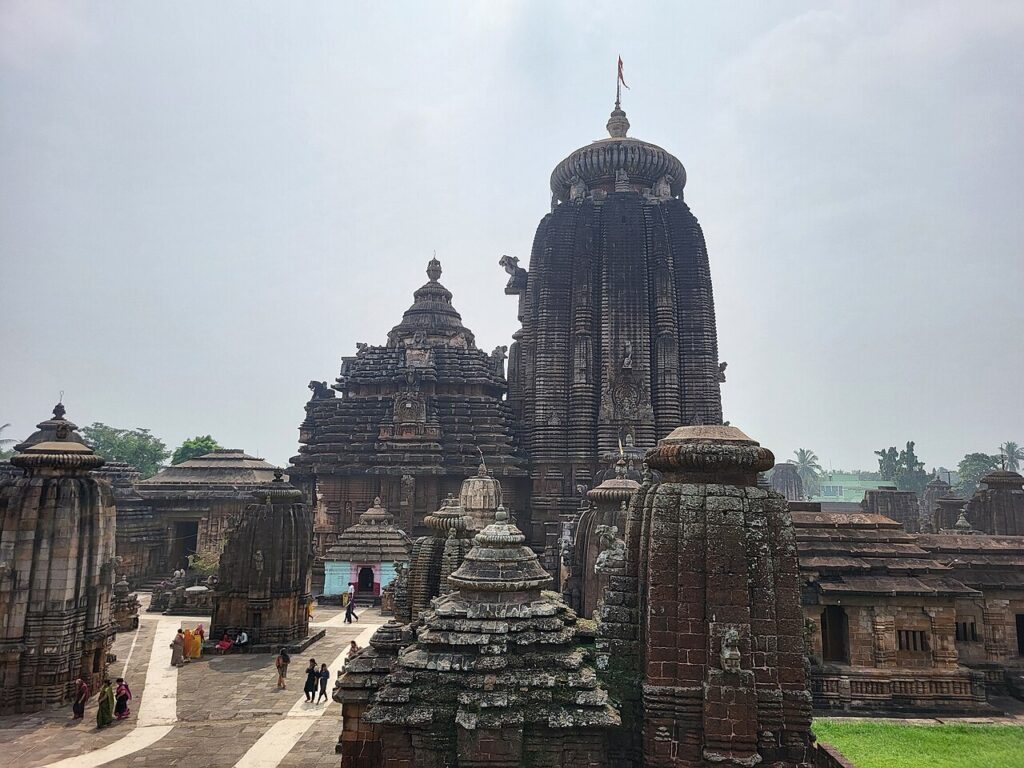
ଏହି ସବୁର କେନ୍ଦ୍ରରେ ମୁଣ୍ଡ ଟେକିଛି ଲିଙ୍ଗରାଜ, ଭୁବନେଶ୍ୱରର ମନ୍ଦିରମାନଙ୍କ ମଧ୍ୟରେ ମହାନତମ ଓ କୌଣସି ସ୍ଥାନରେ କଳିଙ୍ଗ ଶୈଳୀର ଶ୍ରେଷ୍ଠ ଅଭିବ୍ୟକ୍ତିମାନଙ୍କ ମଧ୍ୟରୁ ଅନ୍ୟତମ। ମୁଖ୍ୟତଃ ଏକାଦଶ ଶତାବ୍ଦୀ ବେଳେ ସୋମବଂଶୀ ରାଜବଂଶର ରାଜାମାନଙ୍କ ଦ୍ୱାରା ନିର୍ମିତ, ପରେ ଗଙ୍ଗ ଶାସକମାନଙ୍କ ଦ୍ୱାରା ସଂଯୋଜିତ, ଏହାର କେନ୍ଦ୍ରୀୟ ଶିଖର ଗର୍ଭଗୃହଠାରୁ ପ୍ରାୟ ପଞ୍ଚାବନ ମିଟର ଉଚ୍ଚକୁ ଉଠିଯାଇଛି। ଏଠାକାର ଆରାଧ୍ୟ ଦେବତା ହେଉଛନ୍ତି ହରିହର, ଶିବ ଓ ବିଷ୍ଣୁଙ୍କର ଏକ ମିଳନ, ଯାହାଙ୍କୁ ତ୍ରିଭୁବନେଶ୍ୱର ରୂପେ ଉପାସନା କରାଯାଏ। ନୀରବ ହୋଇଯାଇଥିବା ବହୁ ପ୍ରାଚୀନ ମନ୍ଦିରଠାରୁ ଭିନ୍ନ, ଲିଙ୍ଗରାଜ ପ୍ରବଳ ଭାବେ ଜୀବନ୍ତ ରହିଛି — ଏହାର ଅନୁଷ୍ଠାନ ଅବିଚ୍ଛିନ୍ନ, ଏହାର ପ୍ରାଙ୍ଗଣ ଭକ୍ତମାନଙ୍କ ଭିଡ଼ରେ ପରିପୂର୍ଣ୍ଣ, ଏହାର ମହାନ ଶିଖର ସହରର ଆକାଶରେଖାରେ ଓ ତାହାର ଲୋକଙ୍କ ଭକ୍ତିରେ ଏକ ଅଚଳ ବିନ୍ଦୁ।
ଅଧିକ ଗଭୀର ଅତୀତ: ଶିଶୁପାଳଗଡ଼ ଓ ଧଉଳି
ତଥାପି ଭୁବନେଶ୍ୱରର କାହାଣୀ ତାହାର ମନ୍ଦିରମାନଙ୍କଠାରୁ ବହୁ ଦୂର ଅତୀତ ପର୍ଯ୍ୟନ୍ତ ପହଞ୍ଚିଯାଏ। ସହରର ପ୍ରାନ୍ତରେ ଶୋଭା ପାଉଛି ଶିଶୁପାଳଗଡ଼ର ପ୍ରାଚୀର, ସମଗ୍ର ଭାରତର ସର୍ବବୃହତ ଓ ସର୍ବୋତ୍ତମ-ସଂରକ୍ଷିତ ପ୍ରାରମ୍ଭିକ ଦୁର୍ଗ-ନଗରମାନଙ୍କ ମଧ୍ୟରୁ ଅନ୍ୟତମ, ଯାହା ଦୁଇ ହଜାର ବର୍ଷରୁ ଅଧିକ ପୂର୍ବେ ପ୍ରାଚୀନ କଳିଙ୍ଗର ରାଜଧାନୀ ରୂପେ ସମୃଦ୍ଧ ହୋଇଥିଲା। ଏହାର ପ୍ରଶସ୍ତ ପରିକଳ୍ପିତ ରାଜପଥ, ବିଶାଳ ତୋରଣ ଓ ପ୍ରହରୀଗୃହ ଏକ ପରିଣତ ନଗର-ସଭ୍ୟତାର କଥା କହନ୍ତି, ଯାହା ପ୍ରଥମ ମନ୍ଦିର ଉଠିବାର ଶତାବ୍ଦୀ ପୂର୍ବରୁ ଏଠାରେ ବିକଶିତ ହୋଇଥିଲା। ଅଳ୍ପ ଦୂରରେ ଠିଆ ହୋଇଛି ଧଉଳିର ଶିଳାଲେଖ, ଯେଉଁଠାରେ ସମ୍ରାଟ ଅଶୋକ, କଳିଙ୍ଗ ଯୁଦ୍ଧର ରକ୍ତପାତରେ ବ୍ୟଥିତ ହୋଇ, ବିଜୟରୁ ମୁହଁ ଫେରାଇ କରୁଣା ଆଡ଼କୁ ଢଳିଲେ — ପଥରରେ ଖୋଦିତ ଏକ ଅନ୍ତରାତ୍ମାର କ୍ଷଣ, ଯାହା ଭାରତୀୟ ଇତିହାସର ଗତିପଥକୁ ବଦଳାଇ ଦେଲା।
ଏକ ପୁନର୍ଜନ୍ମିତ ସହର
ଆପଣା ସମସ୍ତ ପ୍ରାଚୀନତା ସତ୍ତ୍ୱେ, ଆଜିର ଭୁବନେଶ୍ୱର ଏକ ବିସ୍ମୟଜନକ ଭାବେ ଆଧୁନିକ ସୃଷ୍ଟି ମଧ୍ୟ। ୧୯୪୬ ମସିହାରେ ଜର୍ମାନ ସ୍ଥପତି ଅଟୋ କୋନିଗ୍ସବର୍ଗର୍ ଏକ ନୂତନ ରାଜଧାନୀ ପାଇଁ ଏକ ମହାଯୋଜନା ପ୍ରସ୍ତୁତ କଲେ, ଜାମସେଦପୁର ଓ ଚଣ୍ଡୀଗଡ଼ ସହିତ ସ୍ୱାଧୀନ ଭାରତର ପ୍ରଥମ ପରିକଳ୍ପିତ ସହରମାନଙ୍କ ମଧ୍ୟରୁ ଏକ ଗଢ଼ି, ଯାହା ଏକ କେନ୍ଦ୍ରୀୟ ମେରୁଦଣ୍ଡ ଧରି ଶୃଙ୍ଖଳିତ ସ୍ୱୟଂସମ୍ପୂର୍ଣ୍ଣ ପଡ଼ୋଶୀ-ଏକକର ଚିନ୍ତାଧାରା ଚତୁର୍ଦିଗରେ ସଂଗଠିତ। ଦୁଇ ବର୍ଷ ପରେ ଓଡ଼ିଶାର ରାଜଧାନୀ କଟକରୁ ଏଠାକୁ ସ୍ଥାନାନ୍ତରିତ ହେଲା, ଆଉ ସେହି ନିଦ୍ରାଳୁ ମନ୍ଦିର-ନଗରୀ ଏକ ଆଧୁନିକ ପ୍ରଶାସନିକ ଓ ସାଂସ୍କୃତିକ କେନ୍ଦ୍ରରେ ରୂପାନ୍ତରିତ ହେବା ଆରମ୍ଭ କଲା — ଏକ ବିରଳ ସ୍ଥାନ, ଯେଉଁଠି ଏକ ପ୍ରାଚୀନ ପବିତ୍ର ନଗରୀ ଓ ଏକ ପରିକଳ୍ପିତ ଆଧୁନିକ ନଗରୀ ସେହି ଅଭିନ୍ନ ଭୂମି ଉପରେ ଅବସ୍ଥାନ କରନ୍ତି।
ଯୁଗମାନେ ଯେଉଁଠି ମିଳନ୍ତି
ଆଜି ଭୁବନେଶ୍ୱର ପଡ଼ୋଶୀ କଟକ ସହିତ ମିଶି ଏକ ସମୃଦ୍ଧ ଯମଜ-ନଗରୀ ଗଠନ କରିଛି ଓ ଶିକ୍ଷା, ପ୍ରଯୁକ୍ତିବିଦ୍ୟା ଓ ଶିଳ୍ପର ଏକ କେନ୍ଦ୍ର ରୂପେ ବଢ଼ି ଉଠିଛି, ଯାହାର ନୂଆ ରାଜପଥ ଏକ ତରୁଣ, ଉଚ୍ଚାକାଂକ୍ଷୀ ଭାରତର ଜୀବନରେ ମୁଖରିତ। ତଥାପି, ପୁରୁଣା ସହରର କୌଣସି ଏକ ମୋଡ଼ ବୁଲିଗଲେ ଶତାବ୍ଦୀସବୁ ଝଡ଼ି ପଡ଼େ — ବାଲୁକାପଥରର ଶିଖର ଆଜି ବି ପୋଖରୀ ଉପରେ ମୁଣ୍ଡ ଟେକନ୍ତି, ମନ୍ଦିରର ଘଣ୍ଟି ସନ୍ଧ୍ୟାରେ ଏବେ ବି ବାଜେ, ଆଉ ତିନି ଲୋକର ଅଧିପତି ସହରର ହୃଦୟରେ ଆଜି ବି ଅଧିଷ୍ଠିତ। ଭୁବନେଶ୍ୱରରେ ପ୍ରାଚୀନ ଓ ନୂତନ ପରସ୍ପର ସହ ସଂଘର୍ଷ କରିବା ଅପେକ୍ଷା ଆଲିଙ୍ଗନ କରନ୍ତି, ପ୍ରତ୍ୟେକ ଅନ୍ୟକୁ ଅର୍ଥ ଦେଇ, ଆଉ ମିଳିମିଶି ସେମାନେ ଏହାକୁ ଭାରତର ସର୍ବାଧିକ ଉଲ୍ଲେଖନୀୟ ସହରମାନଙ୍କ ମଧ୍ୟରୁ ଅନ୍ୟତମ କରି ତୋଳନ୍ତି — ଏକ ସ୍ଥାନ, ଯେଉଁଠି ପ୍ରତ୍ୟେକ ପଥର ସ୍ମରଣ ରଖେ, ଆଉ ପ୍ରତ୍ୟେକ ଶିଖର ଏବେ ବି ଆକାଶ ଆଡ଼କୁ ଅଙ୍ଗୁଳି ନିର୍ଦେଶ କରେ।
In English
The City of a Thousand Spires
To walk through the old quarter of Bhubaneswar is to walk through time itself. Here, above the tanks and the tamarind trees, rise the curving sandstone towers of temples raised across more than a thousand years — so many that the city has long been called the Temple City of India. Legend holds that seven hundred shrines once stood clustered around a single sacred tank, and though the centuries have thinned their number, several hundred survive still, their weathered stone glowing amber in the evening light. The very name of the city comes from Tribhubaneswara, the Lord of the Three Worlds — a form of Shiva — and to this day Bhubaneswar wears its ancient sanctity like a quiet crown.
Ekamra Kshetra: The Sacred Ground
In the old texts this holy landscape is called Ekamra Kshetra, the field of the single mango tree, its sanctity described in the thirteenth-century Ekamra Purana. At its heart stands the great Lingaraj Temple, and around it the sacred geography unfolds in careful order — a ring of shrines and holy tanks laid out, it is said, according to the ancient principles of the mandala, with the vast Bindusagar tank believed to hold water from every sacred river of India. For over two thousand years, from the age of Ashoka to the medieval kings, pilgrims have come to bathe in these waters and worship among these spires. Today the whole ensemble stands on the tentative list of UNESCO World Heritage sites, honoured as one of the most complete sacred townscapes in the country.
A Living Museum of Kalinga Art
Nowhere else can the story of Kalinga temple architecture be read so completely as in Bhubaneswar, where the style is preserved almost from its birth to its full flowering. The delicate seventh-century Parasurameswar temple shows the tradition in its youth; the exquisitely carved Mukteswar, with its famous stone archway, marks its graceful maturity; the poetic Rajarani, adorned with sensuous sculpture, reveals its confidence; and the towering Lingaraj crowns its culmination. To move among them is to watch an art form grow across the centuries — the towers rising ever higher, the carving ever richer — a living museum written not in words but in stone.
Lingaraj: The Sovereign Temple
At the centre of it all rises the Lingaraj, the greatest of Bhubaneswar’s temples and among the finest expressions of the Kalinga style anywhere. Built chiefly by the kings of the Somavamsi dynasty around the eleventh century, with later additions by the Ganga rulers, its central tower soars to some fifty-five metres above the sanctum. The deity here is Harihara, a union of Shiva and Vishnu, worshipped as Tribhubaneswara. Unlike so many ancient temples that have fallen silent, the Lingaraj remains fiercely alive — its rituals unbroken, its courtyards thronged with devotees, its great tower a fixed point on the city’s skyline and in the devotion of its people.
The Deeper Past: Sisupalgarh and Dhauli
Yet Bhubaneswar’s story reaches back far beyond its temples. On the city’s edge lie the ramparts of Sisupalgarh, one of the largest and best-preserved early fortified cities in all of India, which flourished as a capital of ancient Kalinga more than two thousand years ago. Its wide planned roads, grand gateways and guard-houses speak of a sophisticated urban civilization that thrived here centuries before the first temple rose. A little further stand the rock edicts of Dhauli, where the emperor Ashoka, sickened by the carnage of the Kalinga War, turned from conquest to compassion — a moment of conscience carved into stone that changed the course of Indian history.
A City Reborn
For all its antiquity, the Bhubaneswar of today is also a strikingly modern creation. In 1946 the German architect Otto Königsberger drew up a masterplan for a new capital, laying out one of independent India’s first planned cities alongside Jamshedpur and Chandigarh, organised around the idea of self-contained neighbourhood units strung along a central spine. Two years later the capital of Odisha was shifted here from Cuttack, and the sleepy temple town began its transformation into a modern administrative and cultural centre — a rare place where an ancient sacred city and a planned modern one occupy the same ground.
Where Ages Meet
Today Bhubaneswar forms a thriving twin city with neighbouring Cuttack and has grown into a hub of learning, technology and industry, its new avenues busy with the life of a young, ambitious India. And yet, turn a corner in the old town and the centuries fall away — the sandstone towers still rise above the tanks, the temple bells still ring at dusk, and the Lord of the Three Worlds still holds court at the city’s heart. In Bhubaneswar the ancient and the new do not so much collide as embrace, each giving the other meaning, and together they make it one of the most remarkable cities in India — a place where every stone remembers, and every spire still points to the sky.
References | ଆଧାର
- Odisha Tourism — Bhubaneswar Circuit — ଓଡ଼ିଶା ପର୍ଯ୍ୟଟନ — ଭୁବନେଶ୍ୱର
- Archaeological Survey of India — Lingaraj Temple — ASI — ଲିଙ୍ଗରାଜ ମନ୍ଦିର
- Smart Cities Mission — Bhubaneswar — ସ୍ମାର୍ଟ ସିଟି ମିଶନ୍