ନୀଳାଦ୍ରୀ ବିଜେ: ଶ୍ରୀ ଜଗନ୍ନାଥଙ୍କର ଘରକୁ ପ୍ରତ୍ୟାବର୍ତ୍ତନNiladri Bije: Lord Jagannath’s Return Home
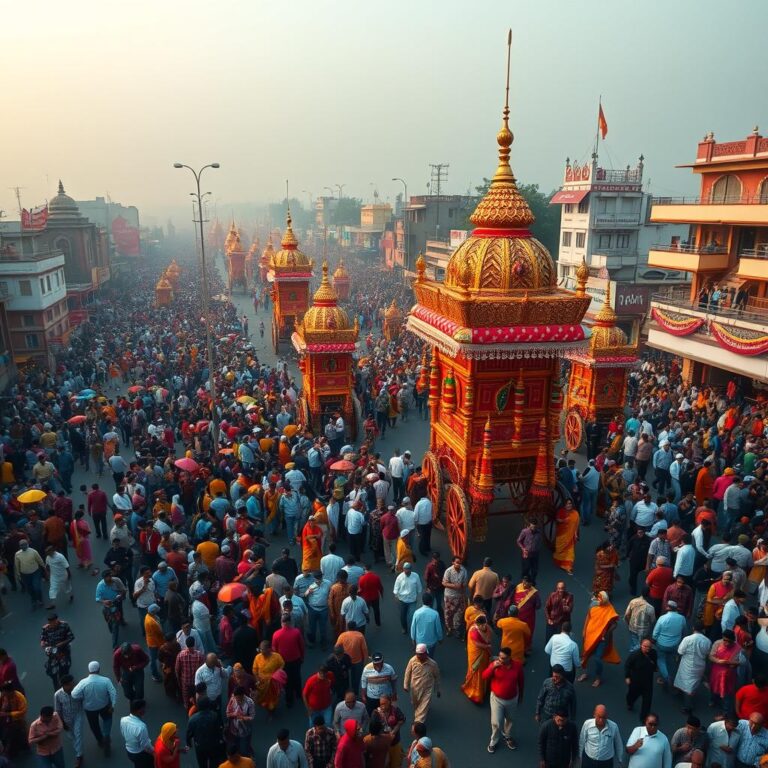
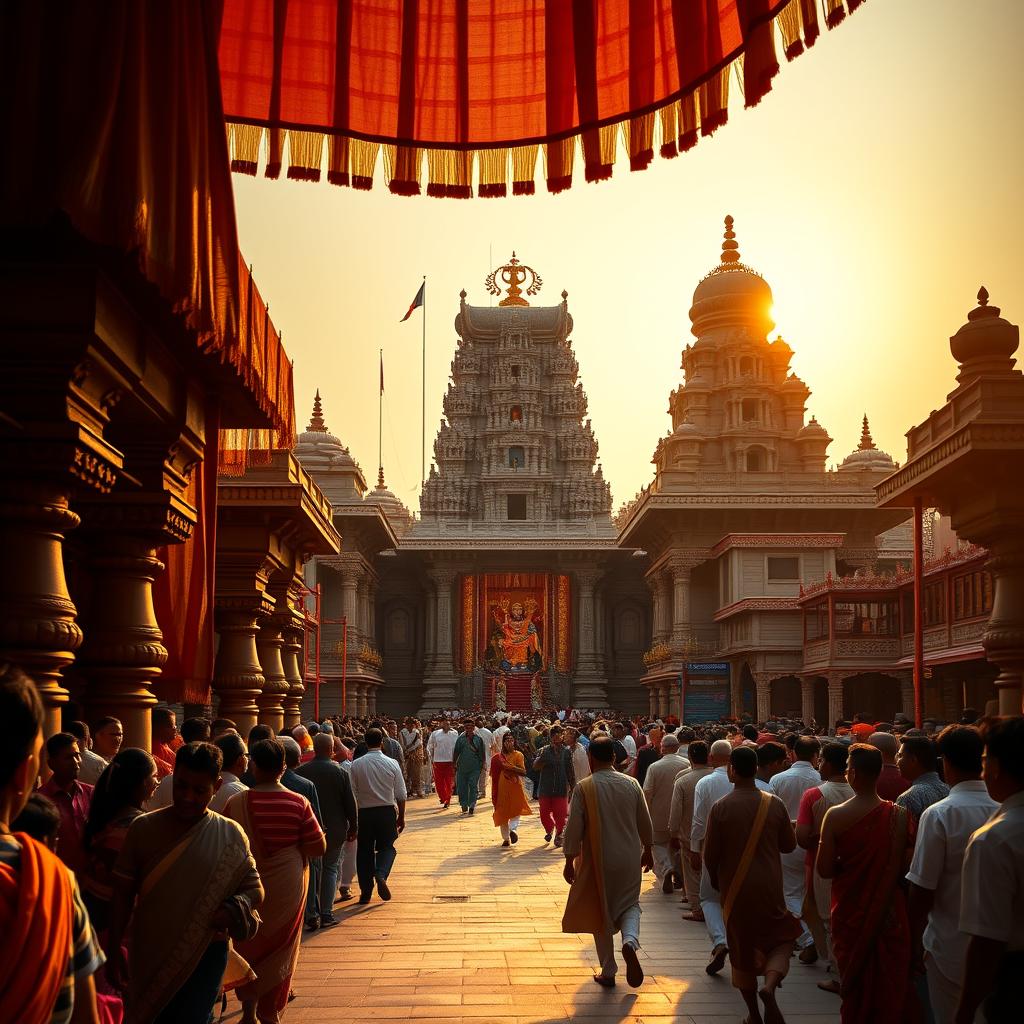
ଶ୍ରୀ ଜଗନ୍ନାଥ ମନ୍ଦିର, ପୁରୀର ପ୍ରସିଦ୍ଧ ରଥଯାତ୍ରା ଉତ୍ସବର ଶେଷ ଦିନଟି ହେଉଛି ନୀଳାଦ୍ରୀ ବିଜେ। ଏହି ଅନୂଦିଷ୍ଟ ରୀତିନୀତିରେ ଶ୍ରୀ ଜଗନ୍ନାଥ, ବଳଭଦ୍ର ଓ ସୁଭଦ୍ରା ଗୁଣ୍ଡିଚା ମନ୍ଦିରରୁ ବାହୁଡ଼ା ଯାତ୍ରା ମାଧ୍ୟମରେ ଶ୍ରୀ ମନ୍ଦିରକୁ ଫେରି ଆସିବା ପରେ ରତ୍ନ ସିଂହାସନକୁ ବିଜେ କରନ୍ତି। ଏହା ବାର ଦିନିଆ ରଥଯାତ୍ରା ଉତ୍ସବର ଚୂଡ଼ାନ୍ତ ଏବଂ ସବୁଠାରୁ ଆକର୍ଷଣୀୟ ଅଧ୍ୟାୟ ଅଟେ, ଯେଉଁଥିରେ ଭଗବାନ ଜଗନ୍ନାଥ ମାଳିନୀ ବା ଦେବୀ ଲକ୍ଷ୍ମୀଙ୍କୁ ରସଗୋଲା ଭୋଗ ଦେଇ ତାଙ୍କର କ୍ରୋଧ ଶାନ୍ତ କରିଥାନ୍ତି।Niladri Bije is the final and most enchanting day of the grand Rath Yatra festival at the Shree Jagannath Temple in Puri. During this unique ritual, Lord Jagannath, Balabhadra, and Subhadra return from the Gundicha Temple via the Bahuda Yatra and subsequently ascend to the Ratna Singhasana, the sacred throne inside the main sanctum. This marks the conclusion of the twelve-day chariot festival and features the famous tradition where Lord Jagannath offers Rasagola to Goddess Lakshmi, also known as Mahalaxmi or Malini, to pacify her anger and seek her forgiveness.
ଚନ୍ଦନ ଯାତ୍ରା: ପୁରୀର ଚନ୍ଦନ ଉତ୍ସବChandan Yatra: The Sandalwood Festival of Puri
ଐତିହାସିକ ପୃଷ୍ଠଭୂମି ଏବଂ ଉତ୍ପତ୍ତିHistorical Background and Origins
ନୀଳାଦ୍ରୀ ବିଜେର ଐତିହାସିକ ଉତ୍ପତ୍ତି ଶ୍ରୀ ଜଗନ୍ନାଥ ସଂସ୍କୃତିର ଗଭୀର ଭେଟରେ ନିହିତ। ରଥଯାତ୍ରା ଉତ୍ସବ ଭାରତୀୟ ଉପମହାଦେଶର ସବୁଠାରୁ ପ୍ରାଚୀନ ଚଳନ୍ତି ଉତ୍ସବମାନଙ୍କ ମଧ୍ୟରୁ ଅନ୍ୟତମ ଅଟେ। ସ୍କନ୍ଧ ପୁରାଣ, ବ୍ରହ୍ମ ପୁରାଣ ଏବଂ କପିଳ ସଂହିତା ପରି ପ୍ରାଚୀନ ଗ୍ରନ୍ଥରେ ରଥଯାତ୍ରା ଓ ଏହା ସହିତ ସମ୍ବନ୍ଧିତ ବିଭିନ୍ନ ରୀତିନୀତିର ବର୍ଣ୍ଣନା ରହିଛି। ଗଙ୍ଗ ବଂଶର ରାଜା ଅନଙ୍ଗଭୀମ ଦେବ ଏବଂ ପରବର୍ତ୍ତୀ ରାଜାମାନଙ୍କ ସମୟରେ ଏହି ଉତ୍ସବର ସଂସ୍ଥାପନା ଓ ପ୍ରସାର ହୋଇଥିଲା ବୋଲି ଐତିହାସିକ ପ୍ରମାଣ ମିଳେ। ଦ୍ୱାଦଶ ଶତାବ୍ଦୀରୁ ଏହି ଅନୁଷ୍ଠାନର ନିରବଚ୍ଛିନ୍ନ ପାଳନ ହୋଇ ଆସୁଛି।The historical origins of Niladri Bije are deeply embedded in the cultural heritage of Shree Jagannath. The Rath Yatra festival is one of the oldest continuing religious processions in the Indian subcontinent. Ancient texts such as the Skanda Purana, Brahma Purana, and Kapila Samhita contain detailed descriptions of the Rath Yatra and its associated rituals. Historical evidence suggests that this festival was formally established and flourished during the reign of the Ganga dynasty kings, particularly Anangabhima Deva and his successors. The uninterrupted observance of this sacred ritual can be traced back to at least the twelfth century, making it a living tradition of immense historical significance.
ନୀଳାଦ୍ରୀ ଶବ୍ଦର ଅର୍ଥ ହେଉଛି ନୀଳ ପର୍ବତ ବା ଶ୍ରୀ କ୍ଷେତ୍ର ପୁରୀର ଶ୍ରୀ ମନ୍ଦିର ଏବଂ ବିଜେ ଶବ୍ଦର ଅର୍ଥ ହେଉଛି ପ୍ରବେଶ କରିବା। ଅର୍ଥାତ୍ ନୀଳାଦ୍ରୀ ବିଜେ ହେଉଛି ଭଗବାନ ଜଗନ୍ନାଥଙ୍କର ନିଜ ମୂଳ ମନ୍ଦିରର ଗର୍ଭଗୃହକୁ ପ୍ରବେଶ। ବାହୁଡ଼ା ଯାତ୍ରାରେ ଠାକୁରମାନେ ଗୁଣ୍ଡିଚା ମନ୍ଦିରରୁ ଶ୍ରୀ ମନ୍ଦିର ବେଢ଼ା ପର୍ଯ୍ୟନ୍ତ ଆସିବା ପରେ ରଥାରୂଢ଼ ଅବସ୍ଥାରେ ସୂର୍ଯ୍ୟ ପୂଜା, ସ୍ନାନ ଏବଂ ଅନ୍ୟାନ୍ୟ ଅନୁଷ୍ଠାନ ସମ୍ପନ୍ନ ହୁଏ। ସେହି ଦିନ ସନ୍ଧ୍ୟାରେ ହୋଇଥିବା ସୁନା ବେଶ ପରେ ପର ଦିନ ନୀଳାଦ୍ରୀ ବିଜେ ଅନୁଷ୍ଠିତ ହୁଏ।The term Niladri literally means the blue mountain, referring to the sacred Shree Jagannath Temple at Puri, and Bije means entrance or entry. Therefore, Niladri Bije signifies the ceremonial entry of Lord Jagannath into the sanctum sanctorum of his principal temple. After the Bahuda Yatra, when the deities arrive at the Lion’s Gate of the main temple complex, several rituals including Surya Puja and ceremonial bathing are performed while the deities remain on their chariots. The grand Suna Besha, where the deities are adorned with gold ornaments, takes place on the evening of the Bahuda Yatra day, and Niladri Bije is observed on the following day.
ମଧ୍ୟଯୁଗରେ ଓଡ଼ିଶା ଉପରେ ମୁସଲମାନ ଆକ୍ରମଣ ସମୟରେ ମଧ୍ୟ ଏହି ଅନୁଷ୍ଠାନର ପାଳନ ବିରାମ ପାଇନଥିଲା। ଗଜପତି ମହାରାଜାମାନେ ଏହି ଅନୁଷ୍ଠାନର ସଂରକ୍ଷଣ ପାଇଁ ସର୍ବଦା ଚେଷ୍ଟା କରିଛନ୍ତି। ପଞ୍ଚଦଶ ଶତାବ୍ଦୀରେ ଗଜପତି କପିଳେନ୍ଦ୍ର ଦେବଙ୍କ ସମୟରେ ଜଗନ୍ନାଥ ସଂସ୍କୃତିର ପୁନରୁଜ୍ଜୀବନ ହୋଇଥିଲା ଏବଂ ରଥଯାତ୍ରା ସହିତ ସମ୍ବନ୍ଧିତ ସମସ୍ତ ଅନୁଷ୍ଠାନର ପୁନଃପ୍ରତିଷ୍ଠା କରାଯାଇଥିଲା। ଏହି ଐତିହାସିକ ଧାରାବାହିକତା ନୀଳାଦ୍ରୀ ବିଜେକୁ ଓଡ଼ିଆ ସଂସ୍କୃତିର ଏକ ଅବିଚ୍ଛିନ୍ନ ଅଙ୍ଗ ଭାବରେ ପରିଗଣିତ କରେ।Even during the medieval period, when Odisha faced repeated invasions, the observance of this sacred ritual was never permanently discontinued. The Gajapati Maharajas consistently endeavored to protect and preserve this tradition. In the fifteenth century, during the reign of Gajapati Kapilendra Deva, Jagannath culture experienced a significant revival, and all rituals associated with the Rath Yatra, including Niladri Bije, were formally reestablished and systematically documented. This historical continuity elevates Niladri Bije beyond a mere ritual, establishing it as an integral and inseparable component of Odia cultural identity that has withstood the test of centuries.
ସାଂସ୍କୃତିକ ମହତ୍ତ୍ଵCultural Significance
ନୀଳାଦ୍ରୀ ବିଜେର ସାଂସ୍କୃତିକ ମହତ୍ତ୍ଵ ଅତ୍ୟନ୍ତ ଗଭୀର ଏବଂ ବହୁମୁଖୀ। ଏହି ଅନୁଷ୍ଠାନ ଦୈବିକ ଦମ୍ପତୀ ଅର୍ଥାତ୍ ଜଗନ୍ନାଥ ଓ ଲକ୍ଷ୍ମୀଙ୍କ ମଧ୍ୟରେ ଥିବା ଗାର୍ହସ୍ଥ୍ୟ ଜୀବନର ଏକ ସୁନ୍ଦର ପ୍ରତିଫଳନ। ଶ୍ରୀ ଜଗନ୍ନାଥ ସଂସ୍କୃତିରେ ଭଗବାନଙ୍କୁ ସର୍ବସାଧାରଣ ମାନବର ମତେ ଦେଖାଯାଏ – ତାଙ୍କର ଆନନ୍ଦ, ରୋଷ, ପ୍ରେମ ଏବଂ ଦାମ୍ପତ୍ୟ କଳହ ସବୁ ମାନବିକ। ରଥଯାତ୍ରା ସମୟରେ ଭଗବାନ ଜଗନ୍ନାଥ ତାଙ୍କ ଭାଇ ବଳଭଦ୍ର ଓ ଭଉଣୀ ସୁଭଦ୍ରାଙ୍କ ସହିତ ଗୁଣ୍ଡିଚା ମନ୍ଦିର ଯାଆନ୍ତି, କିନ୍ତୁ ଦେବୀ ଲକ୍ଷ୍ମୀଙ୍କୁ ସେଠାକୁ ନେଇଯିବା ହୁଏ ନାହିଁ। ଏହି ଘଟଣା ଦେବୀ ଲକ୍ଷ୍ମୀଙ୍କ ମନରେ କ୍ରୋଧ ସୃଷ୍ଟି କରେ।The cultural significance of Niladri Bije is profound and multifaceted. This ritual beautifully reflects the domestic life of the divine couple, Lord Jagannath and Goddess Lakshmi. In the Jagannath tradition, the Supreme Lord is perceived with remarkably human qualities – experiencing joy, anger, love, and marital disagreements just like ordinary mortals. During the Rath Yatra, Lord Jagannath visits the Gundicha Temple with his brother Balabhadra and sister Subhadra, but Goddess Lakshmi is not taken along on this journey. This exclusion naturally evokes a sense of hurt and anger in the Goddess, establishing the dramatic premise for the Niladri Bije ceremony.
ଏହି ପରମ୍ପରା ଓଡ଼ିଆ ସମାଜରେ ସ୍ତ୍ରୀମାନଙ୍କର ସମ୍ମାନ ଓ ସ୍ଥାନକୁ ଦର୍ଶାଏ। ପରମେଶ୍ୱର ବୋଲି କଥିତ ଜଗନ୍ନାଥଙ୍କୁ ମଧ୍ୟ ତାଙ୍କ ପତ୍ନୀଙ୍କ ରୋଷ ଭଙ୍ଗ କରିବା ପାଇଁ ଅପେକ୍ଷା କରିବାକୁ ପଡ଼େ ଏବଂ ମୂଳ ଦ୍ୱାର ବନ୍ଦ ହେବା ପରେ ମଧ୍ୟ ଭିତରକୁ ପ୍ରବେଶ କରିପାରନ୍ତି ନାହିଁ। ଏହା ଭାରତୀୟ ଦର୍ଶନରେ ନାରୀର ଶକ୍ତି ଓ ଗରିମାକୁ ପ୍ରତିଷ୍ଠିତ କରେ। ଜଗନ୍ନାଥ ବିନା ଲକ୍ଷ୍ମୀ ଅସମ୍ପୂର୍ଣ୍ଣ ଏବଂ ଲକ୍ଷ୍ମୀ ବିନା ଜଗନ୍ନାଥଙ୍କ ବିଜେ ଅସମ୍ଭବ – ଏହି ତତ୍ତ୍ୱ ନୀଳାଦ୍ରୀ ବିଜେରେ ସ୍ପଷ୍ଟ ଭାବରେ ପ୍ରକାଶ ପାଏ।This tradition holds a profound message about the respect and地位 of women in Odia society. Even Lord Jagannath, considered the Supreme Being, must wait to appease his consort’s anger and cannot enter his own sanctum when the main doors are closed by the Goddess. This beautifully illustrates the power and dignity of womanhood in Indian philosophy. The principle that Jagannath is incomplete without Lakshmi, and that his ceremonial entry is impossible without her consent, is vividly demonstrated through Niladri Bije. It conveys that divine grace flows through harmony between the masculine and feminine principles.
ଓଡ଼ିଆ ସାହିତ୍ୟରେ ନୀଳାଦ୍ରୀ ବିଜେର ବର୍ଣ୍ଣନା ଅତ୍ୟନ୍ତ ରୋଚକ। ପଣ୍ଡିତ ବିଶ୍ୱନାଥ ଖୁଣ୍ଟିଆଙ୍କ “ଚତୁର୍ଭିନ୍ନ” ଏବଂ ଅନ୍ୟାନ୍ୟ ଓଡ଼ିଆ ରଚନାରେ ଏହି ଅନୁଷ୍ଠାନର ବିସ୍ତୃତ ବିବରଣୀ ମିଳେ। ଲକ୍ଷ୍ମୀଙ୍କ ରୋଷ, ଜଗନ୍ନାଥଙ୍କ ଅନୁନୟ, ରସଗୋଲା ଭୋଗ ଏବଂ ଶେଷରେ ମିଳନ – ଏହି ସମଗ୍ର ପ୍ରକ୍ରିୟା ଓଡ଼ିଆ ସାହିତ୍ୟ ଓ ଲୋକ ସଂସ୍କୃତିର ଏକ ଅମୂଲ୍ୟ ଅଧ୍ୟାୟ ଅଟେ। ଏହି ଅନୁଷ୍ଠାନ ଓଡ଼ିଆ ଜାତିର ଆବେଗମୟ ଏକତା ଓ ସାଂସ୍କୃତିକ ପରିଚୟର ପ୍ରତୀକ ଭାବରେ ଦଣ୍ଡାୟମାନ।The depiction of Niladri Bije in Odia literature is exceptionally rich and vivid. Classical Odia texts, including works by Pandit Biswanath Khuntia and other medieval poets, contain elaborate descriptions of this ceremony. The sequence of Lakshmi’s anger, Jagannath’s persuasion, the offering of Rasagola, and the final reconciliation constitutes an invaluable chapter in Odia literary and folk tradition. This ritual stands as a powerful symbol of the emotional unity and cultural identity of the Odia people, reflecting their deep-rooted spiritual values through a uniquely human narrative of divine love and conjugal harmony.
ମୁଖ୍ୟ ବିଶେଷତା ଏବଂ ଅନୁଷ୍ଠାନ ପ୍ରକ୍ରିୟାKey Features and Ritual Process
ନୀଳାଦ୍ରୀ ବିଜେର ଅନୁଷ୍ଠାନ ପ୍ରକ୍ରିୟା ଅତ୍ୟନ୍ତ ବିସ୍ତୃତ ଏବଂ ନିର୍ଦ୍ଦିଷ୍ଟ ନିୟମରେ ପରିଚାଳିତ। ବାହୁଡ଼ା ଯାତ୍ରା ଦିନ ରାତିରେ ଠାକୁରମାନଙ୍କୁ ରଥରୁ ଅବତରଣ କରାଯାଏ ଏବଂ ସ୍ନାନ ମଣ୍ଡପଠାରେ ପହଁରା ବିଜେ ହୁଏ। ଏହା ପରେ ଠାକୁରମାନେ ରଥରେ ସୂର୍ଯ୍ୟ ପୂଜା ଗ୍ରହଣ କରନ୍ତି ଏବଂ ସୁନା ବେଶରେ ସଜ୍ଜିତ ହୁଅନ୍ତି। ପର ଦିନ ନୀଳାଦ୍ରୀ ବିଜେ ଦିନ ପ୍ରଥମେ ବଳଭଦ୍ର, ତା’ ପରେ ସୁଭଦ୍ରା ଏବଂ ଶେଷରେ ଜଗନ୍ନାଥ ଗର୍ଭଗୃହକୁ ବିଜେ କରନ୍ତି।The ritual process of Niladri Bije is elaborate and governed by strict traditional protocols. On the evening of Bahuda Yatra, the deities are ceremonially brought down from their chariots in a ritual called Dahuka Bije, followed by the Pahandi procession. After the grand Suna Besha adornment on the chariots, the deities are brought to the sanctum area the following day during Niladri Bije. The entry follows a specific order: first Lord Balabhadra, then Goddess Subhadra, and finally Lord Jagannath enters the sanctum sanctorum. Each deity is carried in the traditional Pahandi style by specific categories of servitors.
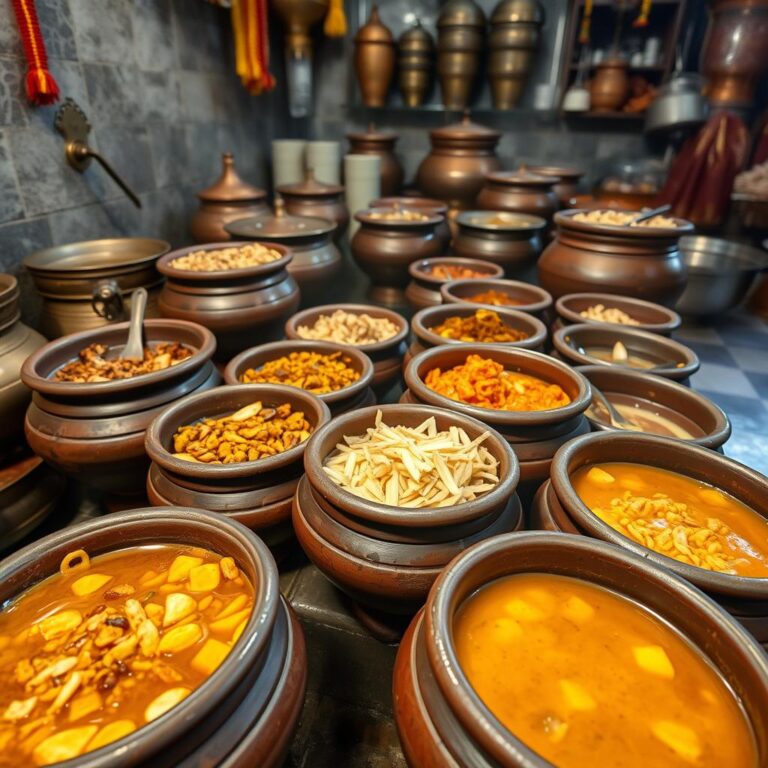
ନୀଳାଦ୍ରୀ ବିଜେର ସବୁଠାରୁ ଆକର୍ଷଣୀୟ ଏବଂ ଅନୂଦିଷ୍ଟ ପରମ୍ପରା ହେଉଛି ରସଗୋଲା ଭୋଗ। ଶ୍ରୀ ଜଗନ୍ନାଥ ମନ୍ଦିରରେ ବର୍ଷସାରା ବିଭିନ୍ନ ପ୍ରକାରର ମିଠା ଭୋଗ ହୁଏ, କିନ୍ତୁ ରସଗୋଲା କେବଳ ନୀଳାଦ୍ରୀ ବିଜେ ଦିନ ଭୋଗ ହୋଇଥାଏ। ଏହି ରସଗୋଲା ଜଗନ୍ନାଥଙ୍କ ପକ୍ଷରୁ ଦେବୀ ଲକ୍ଷ୍ମୀଙ୍କୁ ଏକ ପ୍ରକାର ଶାନ୍ତି ଭେଟି ଭାବରେ ପ୍ରଦାନ କରାଯାଏ। ଜୟ ବିଜୟ ଦ୍ୱାର ବନ୍ଦ ହେବା ପରେ ଭିତରୁ ଦେବୀ ଲକ୍ଷ୍ମୀଙ୍କ ପ୍ରତିନିଧିମାନେ ଏବଂ ବାହାରୁ ଜଗନ୍ନାଥଙ୍କ ପ୍ରତିନିଧିମାନଙ୍କ ମଧ୍ୟରେ ପାରମ্পରିକ ସଂଳାପ ଓ ତର୍କ ହୁଏ।The most captivating and unique tradition of Niladri Bije is the offering of Rasagola. Throughout the year, various types of sweet offerings are made at the Shree Jagannath Temple, but Rasagola is offered exclusively on the day of Niladri Bije. This Rasagola serves as a peace offering from Lord Jagannath to Goddess Lakshmi. After the main Jaya Bijay gate of the sanctum is closed by Goddess Lakshmi’s attendants, a traditional verbal exchange and debate take place between representatives of Goddess Lakshmi from inside and representatives of Lord Jagannath from outside. This dramatic dialogue, conducted according to ancient scriptural guidelines, is a remarkable feature unseen in any other temple tradition in India.
ଏହି ଅନୁଷ୍ଠାନରେ ବିଭିନ୍ନ ଶ୍ରେଣୀର ସେବକମାନଙ୍କର ନିର୍ଦ୍ଦିଷ୍ଟ ଭୂମିକା ରହିଛି। ଦଇତାପତି ସେବକମାନେ ଠାକୁରମାନଙ୍କୁ ବହନ କରିବାରେ ମୁଖ୍ୟ ଭୂମିକା ଗ୍ରହଣ କରନ୍ତି। ପୂଜାପଣ୍ଡା ସେବକମାନେ ଅନୁଷ୍ଠାନର ବୈଦିକ କର୍ମକାଣ୍ଡ ସମ୍ପାଦନ କରନ୍ତି। ମହାଜନ ସେବକମାନେ ରସଗୋଲା ଭୋଗ ପ୍ରସ୍ତୁତ କରିଥାନ୍ତି। ଦେବୀ ଲକ୍ଷ୍ମୀଙ୍କ ପକ୍ଷରୁ ପୁଷ୍ପାଲକ ସେବକମାନେ ମୁଖ୍ୟ ଭୂମିକା ନିର୍ବାହ କରନ୍ତି। ରସଗୋଲା ଭୋଗ ପରେ ଦ୍ୱାର ଖୋଲାଯାଏ ଏବଂ ଠାକୁରମାନେ ରତ୍ନ ସିଂହାସନରେ ବିରାଜମାନ ହୁଅନ୍ତି। ଏହା ପରେ ପରମ୍ପରାଗତ ଭୋଗ ଏବଂ ଧୂପ ଆରତି ଅନୁଷ୍ଠିତ ହୁଏ।Various categories of traditional servitors have specific roles in this ceremony. The Daitapati servitors play the primary role in carrying the deities during the Pahandi procession. The Pujapanda servitors conduct the Vedic rituals associated with the ceremony. The Mahajan servitors are traditionally responsible for preparing the Rasagola offering. On Goddess Lakshmi’s side, the Puspalak servitors play a significant role in representing the Goddess during the ceremonial dialogue. After the Rasagola is accepted by the Goddess’s representatives, the doors are opened and the deities are ceremonially placed on the Ratna Singhasana. Following this, the traditional Bhoga and Dhupa Arati rituals are performed, marking the formal resumption of regular temple worship after the nine-day hiatus of the Rath Yatra festival.
ଲକ୍ଷ୍ମୀ-ଜଗନ୍ନାଥ ସଂଳାପThe Lakshmi-Jagannath Dialogue
ନୀଳାଦ୍ରୀ ବିଜେର ଅନ୍ୟତମ ମୁଖ୍ୟ ଆକର୍ଷଣ ହେଉଛି ଦେବୀ ଲକ୍ଷ୍ମୀ ଏବଂ ଭଗବାନ ଜଗନ୍ନାଥଙ୍କ ପ୍ରତିନିଧିମାନଙ୍କ ମଧ୍ୟରେ ହେଉଥିବା ପାରମ୍ପରିକ ସଂଳାପ। ଦେବୀ ଲକ୍ଷ୍ମୀ ତାଙ୍କୁ ଗୁଣ୍ଡିଚା ଯାତ୍ରାରେ ନନେବାକୁ କହନ୍ତି, ଜଗନ୍ନାଥ ତାଙ୍କ ଭାଇ-ଭଉଣୀଙ୍କ ସହ ଯିବାକୁ ଥିଲା ବୋଲି ପ୍ରତିବାଦ କରନ୍ତି। ଏହି ତର୍କ ଓ ତାଡ଼ନା ଓଡ଼ିଆ ଲୋକ ପରମ୍ପରାର ଏକ ଅନନ୍ୟ ଉଦାହରଣ। ଏହି ସଂଳାପ ସମୟରେ ଦୁଇ ପକ୍ଷର ସେବକମାନେ ପରମ୍ପରାଗତ ଓଡ଼ିଆ ଛନ୍ଦ ଓ ଶ୍ଲୋକରେ କଥା କହନ୍ତି। ଶେଷରେ ରସଗୋଲା ଭୋଗ ଦେବା ପରେ ଦେବୀ କ୍ରୋଧ ଶାନ୍ତ ହୁଅନ୍ତି ଏବଂ ଜଗନ୍ନାଥଙ୍କୁ ଭିତରକୁ ପ୍ରବେଶ କରିବାକୁ ଅନୁମତି ଦିଅନ୍ତି।One of the primary attractions of Niladri Bije is the traditional dialogue between representatives of Goddess Lakshmi and Lord Jagannath. The Goddess expresses her grievance about being left behind during the Gundicha Yatra journey, while Jagannath’s representatives offer explanations and justifications, stating that he had to accompany his siblings. This argumentative exchange is an extraordinary example of Odia folk tradition, where the human emotions of a divine couple are dramatized with remarkable authenticity. During this dialogue, servitors from both sides recite verses in traditional Odia meter and Sanskrit shlokas. Ultimately, after the offering of Rasagola is accepted, the Goddess relents and grants permission for Jagannath to enter the sanctum, bringing the dramatic episode to a joyful conclusion.
ଆଧୁନିକ ପ୍ରାସଙ୍ଗିକତା ଏବଂ ପର୍ଯ୍ୟଟନModern Relevance and Tourism
ଆଧୁନିକ ସମୟରେ ନୀଳାଦ୍ରୀ ବିଜେର ପ୍ରାସଙ୍ଗିକତା ବହୁଗୁଣରେ ବୃଦ୍ଧି ପାଇଛି। ଏହି ଅନୁଷ୍ଠାନ ଓଡ଼ିଶାର ରସଗୋଲା ପରମ୍ପରା ସହିତ ସିଧାସଳଖ ସମ୍ପର୍କ ରଖେ, ଯାହା ବର୍ତ୍ତମାନ ଭୌଗଳିକ ସୂଚକ (GI) ଟ୍ୟାଗ ପାଇଁ ଓଡ଼ିଶାର ଦାବିର ଏକ ଐତିହାସିକ ପ୍ରମାଣ ଭାବରେ ବ୍ୟବହୃତ ହୁଏ। ନୀଳାଦ୍ରୀ ବିଜେରେ କେବଳ ଓଡ଼ିଆ ରସଗୋଲା ଭୋଗ ହେବା ଏହି ମିଠାର ଓଡ଼ିଶା ସହିତ ଥିବା ପ୍ରାଚୀନ ସମ୍ପର୍କକୁ ପ୍ରମାଣିତ କରେ। ପ୍ରତିବର୍ଷ ଲକ୍ଷ ଲକ୍ଷ ଭକ୍�