ପାଇକ ବିଦ୍ରୋହ: ଓଡ଼ିଶାର ପ୍ରଥମ ସ୍ୱାଧୀନତା ସଂଗ୍ରାମPaika Rebellion: Odisha’s First Freedom Struggle
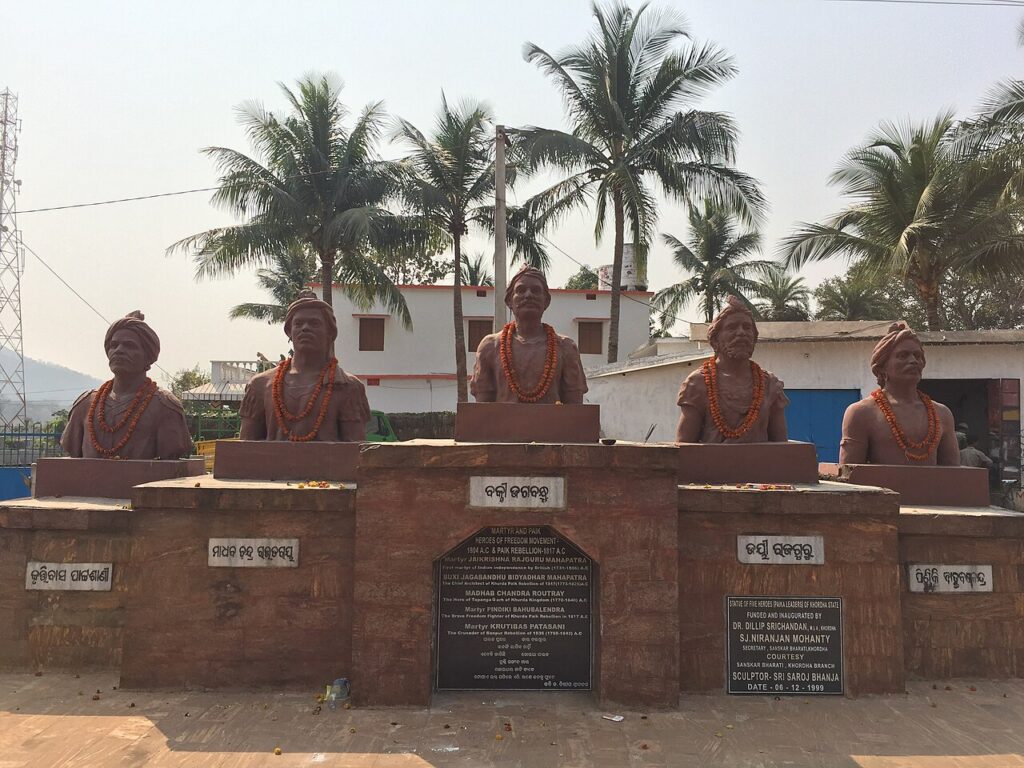
ଓଡ଼ିଶାର ଇତିହାସରେ ପାଇକ ବିଦ୍ରୋହ ଏକ ଅତ୍ୟନ୍ତ ଗୁରୁତ୍ୱପୂର୍ଣ୍ଣ ଅଧ୍ୟାୟ ଅଟେ। ୧୮୧୭ ମସିହାରେ ସଂଘଟିତ ଏହି ବିଦ୍ରୋହ ବ୍ରିଟିଶ ଇଷ୍ଟ ଇଣ୍ଡିଆ କମ୍ପାନୀ ବିରୁଦ୍ଧରେ ଓଡ଼ିଶାର ପ୍ରଥମ ସଶସ୍ତ୍ର ବିଦ୍ରୋହ ଭାବରେ ପରିଚିତ। ୧୮୫୭ ମସିହାର ସିପାହୀ ବିଦ୍ରୋହଠାରୁ ପ୍ରାୟ ଚାଳିଶ ବର୍ଷ ପୂର୍ବେ ଏହି ବିଦ୍ରୋହ ହୋଇଥିଲା। ବକ୍ସି ଜଗବନ୍ଧୁ ବିଦ୍ୟାଧର ମହାପାତ୍ର ଭ୍ରମରବର ରାୟଙ୍କ ନେତୃତ୍ବରେ ହୋଇଥିବା ଏହି ବିଦ୍ରୋହ କେବଳ ଓଡ଼ିଶା ନୁହେଁ, ଭାରତର ସ୍ୱାଧୀନତା ସଂଗ୍ରାମର ଇତିହାସରେ ମଧ୍ୟ ଏକ ମହତ୍ତ୍ୱପୂର୍ଣ୍ଣ ସ୍ଥାନ ଅଧିକାର କରିଛି। ୨୦୧୭ ମସିହାରେ ଭାରତ ସରକାର ଏହାକୁ ଭାରତର ପ୍ରଥମ ସ୍ୱାଧୀନତା ସଂଗ୍ରାମ ଭାବରେ ସ୍ୱୀକୃତି ଦେଇଛନ୍ତି।The Paika Rebellion is an extremely significant chapter in the history of Odisha. This rebellion, which took place in 1817, is recognized as the first armed uprising in Odisha against the British East India Company. It occurred nearly forty years before the Sepoy Mutiny of 1857. Led by Bakshi Jagabandhu Bidyadhar Mohapatra Bhramarabar Ray, this rebellion holds an important place not only in Odisha’s history but also in the broader history of India’s freedom struggle. In 2017, the Government of India officially recognized it as the First War of Independence of India.
ଐତିହାସିକ ପୃଷ୍ଠଭୂମିHistorical Background
ପାଇକ ବିଦ୍ରୋହର ବୀଜ ଓଡ଼ିଶାର ସାମାଜିକ ଓ ରାଜନୈତିକ ଇତିହାସରେ ନିହିତ ଅଛି। ଗଜପତି ରାଜାମାନଙ୍କ ସମୟରୁ ପାଇକମାନେ ଓଡ଼ିଶାର ଏକ ବିଶେଷ ସାମରିକ ବର୍ଗ ଥିଲେ। ଏମାନେ ରାଜ୍ୟର ସୁରକ୍ଷା ଦାୟିତ୍ୱରେ ନିୟୋଜିତ ଥିଲେ ଏବଂ ଏମାନଙ୍କୁ ସେବା ବିନିମୟରେ ଜମି ପ୍ରଦାନ କରାଯାଉଥିଲା, ଯାହାକୁ ପାଇକାଲି ବା ସୈନ୍ୟ ଜାଗା କୁହାଯାଉଥିଲା। ଏହି ଜମିରୁ ଏମାନେ କୃଷିକାର୍ଯ୍ୟ କରି ନିଜ ପରିବାରର ପ୍ରତିପୋଷଣ କରୁଥିଲେ। ପାଇକମାନଙ୍କୁ ମୁଖ୍ୟତଃ ତିନି ଶ୍ରେଣୀରେ ବିଭକ୍ତ କରାଯାଉଥିଲା: ପ୍ରତିହାରୀ, ବାହୁବଳୀ ଏବଂ ଦଣ୍ଡପାଟ। ପ୍ରତିହାରୀମାନେ ଅଶ୍ୱାରୋହୀ ସୈନିକ ଥିଲେ, ବାହୁବଳୀମାନେ ପଦାତିକ ସୈନିକ ଥିଲେ ଏବଂ ଦଣ୍ଡପାଟମାନେ ପ୍ରଶାସନିକ ଦାୟିତ୍ୱ ତୁଲାଉଥିଲେ।The seeds of the Paika Rebellion are embedded in the social and political history of Odisha. Since the time of the Gajapati kings, the Paikas were a special military class in Odisha. They were entrusted with the responsibility of protecting the kingdom and were granted land in return for their service, known as Paikali or Sainya Jagha. From this land, they cultivated crops and sustained their families. The Paikas were mainly divided into three categories: Pratihari, Bahubali, and Dandapat. The Pratiharis were cavalry soldiers, the Bahubalis were infantry soldiers, and the Dandapats handled administrative responsibilities.
୧୮୦୩ ମସିହାରେ ଦ୍ୱିତୀୟ ଇଂରେଜ-ମରାଠା ଯୁଦ୍ଧ ପରେ ବ୍ରିଟିଶ ଇଷ୍ଟ ଇଣ୍ଡିଆ କମ୍ପାନୀ ଓଡ଼ିଶାକୁ ଅଧିକାର କଲା। ୧୮୦୪ ମସିହାରେ ଖୁର୍ଦ୍ଧା ରାଜ୍ୟକୁ ବ୍ରିଟିଶମାନେ ବିଲୀନ କରିଦେଲେ। ଏହା ପରେ ବ୍ରିଟିଶ ସରକାର ନୂତନ ଭୂରାଜସ୍ୱ ନୀତି ପ୍ରବର୍ତ୍ତନ କଲେ, ଯାହା ପାଇକମାନଙ୍କ ପାଇଁ ବିପର୍ଯ୍ୟୟସ୍ୱରୂପ ପ୍ରମାଣିତ ହେଲା। ବ୍ରିଟିଶ ପ୍ରଶାସନ ପାଇକମାନଙ୍କର ପାରମ্পରିକ ଜମି ଅଧିକାର ହରାଇବାକୁ ଆରମ୍ଭ କଲେ ଏବଂ ସେମାନଙ୍କୁ ଉଚ୍ଚ ହାରରେ କର ଦେବାକୁ ବାଧ୍ୟ କଲେ। ଏହା ବ୍ୟତୀତ ଲବଣ ଉପରେ ବ୍ରିଟିଶମାନଙ୍କର ଏକଚାଟିଆ ନୀତି ଏବଂ ଲବଣ କର ବୃଦ୍ଧି ସାଧାରଣ ଜନତାଙ୍କୁ ମଧ୍ୟ ପ୍ରବଳ ଅସନ୍ତୋଷ ମଧ୍ୟରେ ଠେଲିଦେଲା।In 1803, after the Second Anglo-Maratha War, the British East India Company took control of Odisha. In 1804, the British annexed the Khurda kingdom. Following this, the British government introduced a new land revenue policy, which proved disastrous for the Paikas. The British administration began stripping the Paikas of their traditional land rights and forced them to pay taxes at high rates. Additionally, the British monopoly policy on salt and the increase in salt tax pushed the common people into deep discontent.
ଖୁର୍ଦ୍ଧାର ରାଜା ମୁକୁନ୍ଦ ଦେବ ଦ୍ୱିତୀୟଙ୍କୁ ବ୍ରିଟିଶମାନେ ଗଦାଚ୍ୟୁତ କରି ପୁରୀକୁ ନିର୍ବାସିତ କରିଦେଇଥିଲେ। ଏହି ଘଟଣା ପାଇକମାନଙ୍କ ମଧ୍ୟରେ ଗଭୀର କ୍ରୋଧ ସୃଷ୍ଟି କଲା। ପାଇକମାନେ କେବଳ ଜମି ଓ ସମ୍ମାନ ହରାଇନଥିଲେ, ସେମାନଙ୍କର ପାରମ୍ପରିକ ଜୀବନଶୈଳୀ ଏବଂ ସାମାଜିକ ମର୍ଯ୍ୟାଦା ମଧ୍ୟ ନଷ୍ଟ ହୋଇଥିଲା। ଏହି ବହୁମୁଖୀ ଶୋଷଣ ଓ ଅତ୍ୟାଚାର ପାଇକ ବିଦ୍ରୋହର ମୂଳ କାରଣ ସ୍ୱରୂପ କାର୍ଯ୍ୟ କଲା।The British deposed the king of Khurda, Mukunda Deva II, and exiled him to Puri. This incident created deep anger among the Paikas. The Paikas had not only lost their land and honor, but their traditional way of life and social status had also been destroyed. This multi-faceted exploitation and oppression acted as the root cause of the Paika Rebellion.
ସାଂସ୍କୃତିକ ମହତ୍ତ୍ୱCultural Significance
ପାଇକ ବିଦ୍ରୋହ କେବଳ ଏକ ସାମରିକ ବିଦ୍ରୋହ ନୁହେଁ, ଏହା ଓଡ଼ିଶାର ସାଂସ୍କୃତିକ ପରିଚୟ ଓ ସ୍ୱାଭିମାନର ପ୍ରତୀକ ଅଟେ। ପାଇକ ପରମ୍ପରା ଓଡ଼ିଶାର ସାମରିକ ଗୌରବର ପ୍ରତିବିମ୍ବ ଅଟେ। ଗଜପତି ସାମ୍ରାଜ୍ୟର ସମୟରୁ ଓଡ଼ିଶା ତାର ସାମରିକ ଶକ୍ତି ପାଇଁ ସମଗ୍ର ଭାରତବର୍ଷରେ ପରିଚିତ ଥିଲା। ପାଇକମାନେ ଏହି ଶକ୍ତିର ଆଧାର ଥିଲେ। ଯୁଦ୍ଧ କଳା, ଶସ୍ତ୍ରାସ୍ତ୍ର ଚାଳନା ଏବଂ ଶାରୀରିକ ଶକ୍ତିର ପ୍ରଶିକ୍ଷଣ ପାଇକ ପରମ୍ପରାର ଏକ ଅବିଚ୍ଛେଦ୍ୟ ଅଙ୍ଗ ଥିଲା। ଏହି ବିଦ୍ରୋହ ଓଡ଼ିଆ ଜାତିର ସାହସ, ବୀରତ୍ୱ ଏବଂ ସ୍ୱାଧୀନତା ପ୍ରତି ଥିବା ଗଭୀର ଆଗ୍ରହକୁ ବିଶ୍ୱରେ ପ୍ରଦର୍ଶିତ କଲା।The Paika Rebellion is not merely a military uprising; it is a symbol of Odisha’s cultural identity and pride. The Paika tradition reflects the martial glory of Odisha. Since the time of the Gajapati empire, Odisha was known throughout India for its military strength. The Paikas were the foundation of this power. Training in the art of war, handling of weapons, and physical strength were integral parts of the Paika tradition. This rebellion showcased to the world the courage, valor, and deep desire for freedom of the Odia people.
ଓଡ଼ିଶାର ଲୋକସଂସ୍କୃତିରେ ପାଇକ ବିଦ୍ରୋହ ଏକ ଗଭୀର ପ୍ରଭାବ ପକେଇଛି। ଲୋକଗୀତ, ପାଲା ଏବଂ ଜନଶ୍ରୁତିରେ ବକ୍ସି ଜଗବନ୍ଧୁ ଏବଂ ପାଇକ ବିଦ୍ରୋହର କାହାଣୀ ଆଜି ମଧ୍ୟ ଜୀବିତ ଅଛି। “ଏ ମୋ ଉତ୍କଳ ଜନନୀ, ଏ ମୋ ମାଁ” ଭଳି ଦେଶଭକ୍ତିପୂର୍ଣ୍ଣ ଭାବନା ପାଇକ ବିଦ୍ରୋହର ପ୍ରେରଣାରୁ ଉଦ୍ଭବ ହୋଇଥିଲା ବୋଲି କୁହାଯାଏ। ଏହି ବିଦ୍ରୋହ ଓଡ଼ିଆ ଜାତିର ସଂହତି ଓ ଜାତୀୟତା ଚେତନାର ବିକାଶରେ ଏକ ମହତ୍ତ୍ୱପୂର୍ଣ୍ଣ ଭୂମିକା ଗ୍ରହଣ କରିଥିଲା। ବିଭିନ୍ନ ଜାତି ଓ ବର୍ଗର ଲୋକ ଏହି ବିଦ୍ରୋହରେ ଏକଜୁଟ ହୋଇ ଭାଗ ନେଇଥିଲେ, ଯାହା ଓଡ଼ିଆ ସମାଜର ଏକତାର ପ୍ରମାଣ ଅଟେ।The Paika Rebellion has left a deep impact on Odisha’s folk culture. In folk songs, Pala performances, and oral traditions, the story of Bakshi Jagabandhu and the Paika Rebellion still lives on today. Patriotic sentiments like the love for the motherland are said to have drawn inspiration from the Paika Rebellion. This rebellion played a significant role in the development of unity and national consciousness among the Odia people. People from various castes and classes participated unitedly in this rebellion, which stands as proof of the unity of Odia society.
ପାଇକ ଅକାଡାମୀ ଭାବରେ ଆଜି ମଧ୍ୟ ଓଡ଼ିଶାର ବିଭିନ୍ନ ସ୍ଥାନରେ ପାଇକ ନୃତ୍ୟ ଓ ପାଇକ ଅଭ୍ୟାସ ପ୍ରଚଳିତ ଅଛି। ଏହି ପରମ୍ପରାଗତ ଯୁଦ୍ଧ କଳାକୁ ଓଡ଼ିଶା ସରକାର ସଂରକ୍ଷଣ କରିବା ପାଇଁ ବିଭିନ୍ନ ପଦକ୍ଷେପ ନେଉଛନ୍ତି। ଖୁର୍ଦ୍ଧା ଅଞ୍ଚଳରେ ଆଜି ମଧ୍ୟ ଅନେକ ପରିବାର ନିଜକୁ ପାଇକ ବଂଶଜ ଭାବରେ ପରିଚିତ କରନ୍ତି ଏବଂ ସେମାନଙ୍କର ପୂର୍ବପୁରୁଷଙ୍କ ବୀରତ୍ୱ ଗୌରବରେ କହିଥାନ୍ତି। ପାଇକ ବିଦ୍ରୋହ ଓଡ଼ିଆ ସାହିତ୍ୟରେ ମଧ୍ୟ ଏକ ଲୋକପ୍ରିୟ ବିଷୟ ହୋଇପାରିଛି ଏବଂ ଅନେକ କବି ଓ ଲେଖକ ଏହା ଉପରେ ରଚନା କରିଛନ୍ତି।Today, Paika dance and Paika martial arts are still practiced in various parts of Odisha. The Odisha government is taking various steps to preserve this traditional martial art. In the Khurda region, even today, many families identify themselves as descendants of Paikas and take pride in narrating the valor of their ancestors. The Paika Rebellion has also become a popular subject in Odia literature, and many poets and writers have composed works on this topic.
ମୁଖ୍ୟ ବିଶେଷତା ଓ ବିବରଣୀKey Features and Details
ପାଇକ ବିଦ୍ରୋହର ନେତୃତ୍ୱ ବକ୍ସି ଜଗବନ୍ଧୁ ବିଦ୍ୟାଧର ମହାପାତ୍ର ଭ୍ରମରବର ରାୟ ନେଇଥିଲେ। ସେ ଖୁର୍ଦ୍ଧା ରାଜ୍ୟର ସେନାପତି ବା ବକ୍ସି ଥିଲେ। ବକ୍ସି ଜଗବନ୍ଧୁ ଜଣେ ପ୍ରତିଭାଶାଳୀ ସୈନ୍ୟାଧ୍ୟକ୍ଷ ଥିଲେ ଏବଂ ବ୍ରିଟିଶ ଶାସନ ବିରୁଦ୍ଧରେ ଜନମତକୁ ସଂଗଠିତ କରିବାରେ ସଫଳ ହୋଇଥିଲେ। ୧୮୧୭ ମସିହା ମାର୍ଚ୍ଚ ମାସରେ ବିଦ୍ରୋହ ଆରମ୍ଭ ହେଲା। ବକ୍ସି ଜଗବନ୍ଧୁଙ୍କ ନେତୃତ୍ୱରେ ପାଇକମାନେ ଖୁର୍ଦ୍ଧାରେ ବ୍ରିଟିଶ ପୋଷ୍ଟ ଉପରେ ଆକ୍ରମଣ କଲେ ଏବଂ କିଛି ସମୟ ପାଇଁ ଖୁର୍ଦ୍ଧା ଉପରେ ନିୟନ୍ତ୍ରଣ ସ୍ଥାପନ କଲେ। ବିଦ୍ରୋହୀମାନେ ବ୍ରିଟିଶ ଅଧିକାରୀମାନଙ୍କୁ ଖୁର୍ଦ୍ଧାରୁ ପଳାଇବାକୁ ବାଧ୍ୟ କଲେ।The Paika Rebellion was led by Bakshi Jagabandhu Bidyadhar Mohapatra Bhramarabar Ray. He was the commander-in-chief or Bakshi of the Khurda kingdom. Bakshi Jagabandhu was a talented military commander and succeeded in organizing public opinion against British rule. The rebellion began in March 1817. Under the leadership of Bakshi Jagabandhu, the Paikas attacked British posts in Khurda and established control over Khurda for some time. The rebels forced the British officers to flee from Khurda.
ବିଦ୍ରୋହ ଦ୍ରୁତ ଗତିରେ ଖୁର୍ଦ୍ଧା ଅଞ୍ଚଳରୁ ଆରମ୍ଭ କରି ଆଖପାଖ ଅଞ୍ଚଳକୁ ବ୍ୟାପିଗଲା। ପୁରୀ, ପିପିଲି, ବାଣପୁର, ଗାଁ ମଝି ଓ ଅନ୍ୟାନ୍ୟ ସ୍ଥାନରୁ ବହୁ ସଂଖ୍ୟକ ଲୋକ ବିଦ୍ରୋହରେ ଯୋଗ ଦେଲେ। କେବଳ ପାଇକମାନେ ନୁହେଁ, ଜମିଦାର, ଚାଷୀ, କୁମ୍ଭାର ଏବଂ ଅନ୍ୟ ବିଭିନ୍ନ ବୃତ୍ତିର ଲୋକମାନେ ମଧ୍ୟ ଏହି ବିଦ୍ରୋହରେ ସାମିଲ ହୋଇଥିଲେ। ବିଦ୍ରୋହୀମାନେ ବାଣ, ତଲୱାର, ବର୍ଚ୍ଛି ଏବଂ ଅନ୍ୟାନ୍ୟ ପାରମ୍ପରିକ ଅସ୍ତ୍ରଶସ୍ତ୍ର ବ୍ୟବହାର କରୁଥିଲେ। ବ୍ରିଟିଶ ସୈନ୍ୟମାନଙ୍କ ଆଧୁନିକ ଅସ୍ତ୍ର ବିରୁଦ୍ଧରେ ମଧ୍ୟ ପାଇକମାନେ ସାହସିକତାର ସହ ଯୁଦ୍ଧ କରିଥିଲେ।The rebellion spread rapidly from the Khurda region to surrounding areas. A large number of people from Puri, Pipili, Banapur, Gana Majhi, and other places joined the rebellion. Not only Paikas, but zamindars, farmers, potters, and people from various other professions also participated in this rebellion. The rebels used bows, swords, banners, and other traditional weapons. Even against the modern weapons of the British soldiers, the Paikas fought with courage.
ବ୍ରିଟିଶ ସରକାର ଏହି ବିଦ୍ରୋହକୁ ଦମନ କରିବା ପାଇଁ ବିଶାଳ ସୈନ୍ୟ ବଳ ପ୍ରେରଣ କଲେ। କଟକ, ମଦ୍ରାସ ଏବଂ ବର୍ମାରୁ ଅତିରିକ୍ତ ସୈନ୍ୟ ମଗାଯାଇଥିଲା। ବିଦ୍ରୋହୀମାନେ କିଛି ସମୟ ପାଇଁ ବ୍ରିଟିଶ ସୈନ୍ୟମାନଙ୍କୁ ପ୍ରବଳ ପ୍ରତିରୋଧ କରିପାରିଥିଲେ, କିନ୍ତୁ ଶେଷରେ ଆଧୁନିକ ଅସ୍ତ୍ର ଓ ସଂଗଠିତ ସୈନ୍ୟ ବଳ ସାମନାରେ ପରାସ୍ତ ହେଲେ। ବକ୍ସି ଜଗବନ୍ଧୁ ଗିରିଜନ ଅଞ୍ଚଳରେ ଲୁଚି ରହି ଗେରିଲା ଯୁଦ୍ଧ ଚଳାଇବାକୁ ବାଧ୍ୟ ହେଲେ। ପ୍ରାୟ ଆଠ ବର୍ଷ ପର୍ଯ୍ୟନ୍ତ ସେ ଲୁକ୍କାଚୁଳ ଜୀବନ ଯାପନ କରିଥିଲେ। ୧୮୨୫ ମସିହାରେ ବକ୍ସି ଜଗବନ୍ଧୁ ବ୍ରିଟିଶମାନଙ୍କ ନିକଟରେ ଆତ୍ମସମର୍ପଣ କଲେ। ବ୍ରିଟିଶ ସରକାର ତାଙ୍କୁ କ୍ଷମା କରି କିଛି ଜମି ପ୍ରଦାନ କରିଥିଲେ।The British government sent a massive military force to suppress this rebellion. Additional troops were brought from Cuttack, Madras, and Burma. The rebels were able to offer fierce resistance to the British soldiers for some time, but were eventually defeated in the face of modern weapons and organized military strength. Bakshi Jagabandhu was forced to take refuge in tribal areas and wage guerrilla warfare. He lived in hiding for nearly eight years. In 1825, Bakshi Jagabandhu surrendered to the British. The British government pardoned him and granted him some land.
ପାଇକ ବିଦ୍ରୋହର ଆଉ ଏକ ମୁଖ୍ୟ ବିଶେଷତା ଥିଲା ଏହାର ଜନାଧାରିତ ସ୍ୱରୂପ। ଏହା କେବଳ ପାଇକ ଶ୍ରେଣୀର ବିଦ୍ରୋହ ନଥିଲା, ବରଂ ଏହା ଏକ ଜନ ବିଦ୍ରୋହ ଥିଲା। ସମାଜର ସମସ୍ତ ସ୍ତରର ଲୋକ ଏଥିରେ ଭାଗ ନେଇଥିଲେ। ବ୍ରାହ୍ମଣ, କ୍ଷତ୍ରିୟ, ବୈଶ୍ୟ, ଶୂଦ୍ର ଏବଂ ଆଦିବାସୀ ସମ୍ପ୍ରଦାୟର ଲୋକମାନେ ଏକାଠି ବ୍ରିଟିଶ ଶାସନ ବିରୁଦ୍ଧରେ ଲଢ଼ିଥିଲେ। ଏହା ପାଇକ ବିଦ୍ରୋହକୁ ଏକ ସତ୍ୟ ଜନ ଆନ୍ଦୋଳନରେ ପରିଣତ କରିଥିଲା। ବିଦ୍ରୋହର ମୁଖ୍ୟ ଲକ୍ଷ୍ୟ ଥିଲା ବ୍ରିଟିଶ ଶାସନକୁ ଉଚ୍ଛେଦ କରି ଖୁର୍ଦ୍ଧା ରାଜ୍ୟକୁ ପୁନଃସ୍ଥାପିତ କରିବା ଏବଂ ପାଇକମାନଙ୍କର ପାରମ୍ପରିକ ଅଧିକାରକୁ ପୁନରୁଦ୍ଧାର କରିବା।Another key feature of the Paika Rebellion was its mass-based character. It was not merely a rebellion of the Paika class, but rather a mass rebellion. People from all levels of society participated in it. Brahmins, Kshatriyas, Vaishyas, Sudras, and people from tribal communities fought together against British rule. This transformed the Paika Rebellion into a true mass movement. The main objective of the rebellion was to eliminate British rule, restore the Khurda kingdom, and reclaim the traditional rights of the Paikas.
ଆଧୁନିକ ପ୍ରାସଙ୍ଗିକତା ଓ ପର୍ଯ୍ୟଟନModern Relevance and Tourism
ପାଇକ ବିଦ୍ରୋହର ଦ୍ୱିଶତ ବାର୍ଷିକୀ ଅବସରରେ ୨୦୧୭ ମସିହାରେ ଭାରତ ସରକାର ଏହାକୁ ଭାରତର ପ୍ରଥମ ସ୍ୱାଧୀନତା ସଂଗ୍ରାମ ଭାବରେ ସ୍ୱୀକୃତି ଦେଇଥିଲେ। ତତ୍କାଳୀନ ରାଷ୍ଟ୍ରପତି ରାମନାଥ କୋବିନ୍ଦ ଖୁର୍ଦ୍ଧାରେ ପାଇକ ବିଦ୍ରୋହକୁ ଉଦ୍ଦେଶ୍ୟ କରି ଏକ ସ୍ମାରକୀର ଶିଳାନ୍ୟାସ କରିଥିଲେ। ଏହି ସ୍ମାରକୀ ବକ୍ସି ଜଗବନ୍ଧୁ ଏବଂ ପାଇକ ବିଦ୍ରୋହୀମାନଙ୍କୁ ସମ୍ମାନ ଜଣାଇବା ପାଇଁ ନିର୍ମିତ ହେଉଛି। ଓଡ଼ି�