ପଟଚିତ୍ର: ଓଡ଼ିଶାର ସ୍କ୍ରୋଲ୍ କଳାPattachitra: The Scroll Art of Odisha
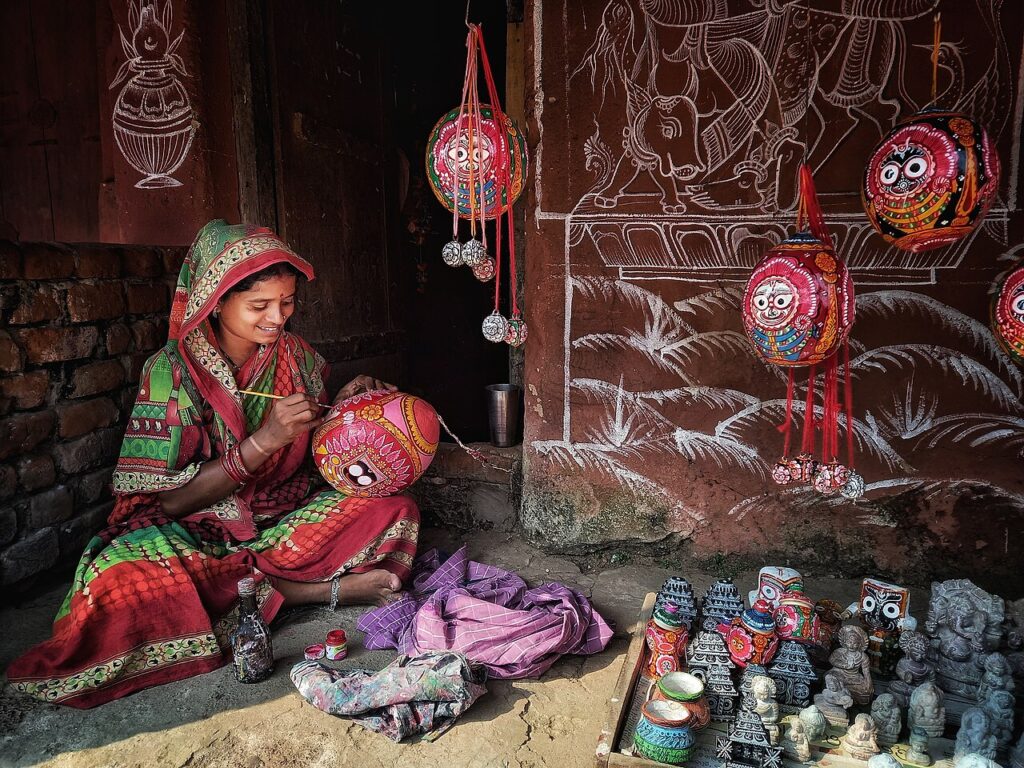
ପଟଚିତ୍ର ଓଡ଼ିଶାର ଏକ ଅନନ୍ୟ ଏବଂ ପ୍ରାଚୀନ ପରମ୍ପରାଗତ କଳା ଅଟେ। ସଂସ୍କୃତ ଭାଷାରେ ‘ପଟ’ ଶବ୍ଦର ଅର୍ଥ ହେଉଛି ବସ୍ତ୍ର ବା କପଡ଼ା ଏବଂ ‘ଚିତ୍ର’ ଶବ୍ଦର ଅର୍ଥ ହେଉଛି ଛବି। ଅର୍ଥାତ୍ ପଟଚିତ୍ର ହେଉଛି ବସ୍ତ୍ର ଉପରେ ଅଙ୍କାଯାଇଥିବା ଛବି। ପୁରୀ ଜିଲ୍ଲାର ରଘୁରାଜପୁର ଗାଁଁ ଏହି କଳାର ପ୍ରଧାନ ଏବଂ ସବୁଠାରୁ ପ୍ରସିଦ୍ଧ କେନ୍ଦ୍ର ଅଟେ। ଏହି କଳା କେବଳ ଓଡ଼ିଶାର ଧାର୍ମିକ ଏବଂ ଆଧ୍ୟାତ୍ମିକ ବିଶ୍ୱାସକୁ ପ୍ରତିଫଳିତ କରେ ନାହିଁ, ବରଂ ଏହା ଚିତ୍ରକରମାନଙ୍କର ଜୀବନଶୈଳୀ, ପରମ୍ପରା ଏବଂ କଳା ପ୍ରତି ଥିବା ଗଭୀର ଆସ୍ଥାର ଏକ ଜୀବନ୍ତ ପ୍ରମାଣ ଅଟେ। ପ୍ରକୃତିରୁ ନିଆଯାଇଥିବା ରଙ୍ଗ ଏବଂ ପାରମ୍ପରିକ ପଦ୍ଧତିରେ ପ୍ରସ୍ତୁତ ଏହି ସ୍କ୍ରୋଲ୍ ଚିତ୍ର ବିଶ୍ୱର ବିଭିନ୍ନ ପ୍ରାନ୍ତରେ ଓଡ଼ିଆ ସଂସ୍କୃତିର ପରିଚୟ ବହନ କରୁଛି।Pattachitra is a unique and ancient traditional art form of Odisha. In Sanskrit, the word ‘Patta’ means cloth or fabric, and ‘Chitra’ means picture. Therefore, Pattachitra literally translates to cloth-based painting. Raghurajpur village in the Puri district is the primary and most famous center for this art. This art form does not merely reflect the religious and spiritual beliefs of Odisha; rather, it stands as a living testament to the lifestyle, traditions, and deep devotion of the artisans towards their craft. Prepared using traditional methods and colors derived directly from nature, these scroll paintings carry the identity of Odia culture to various parts of the world.
ସାଳେଶ୍ୱରୀ ମନ୍ଦିର: ସମ୍ବଲପୁରର ଆଦିଶକ୍ତିSamaleswari Temple: The Presiding Goddess of Sambalpur
ଐତିହାସିକ ପୃଷ୍ଠଭୂମି ଏବଂ ଉତ୍ପତ୍ତିHistorical Background and Origins
ପଟଚିତ୍ର କଳାର ଇତିହାସ ଶ୍ରୀ ଜଗନ୍ନାଥ ମନ୍ଦିର, ପୁରୀ ସହିତ ଅଙ୍ଗାଙ୍ଗୀ ଭାବରେ ଜଡ଼ିତ। ପ୍ରତିବର୍ଷ ଅନସର ସମୟରେ, ଯେତେବେଳେ ମୁଖ୍ୟ ଦେବତାମାନଙ୍କୁ ବାହାରକୁ ଆଣାଯାଏ ନାହିଁ, ସେତେବେଳେ ଭକ୍ତମାନଙ୍କ ଦର୍ଶନ ପାଇଁ ମନ୍ଦିରରେ ‘ଅନସର ପଟି’ ବା ପଟଚିତ୍ର ଲଗାଯାଏ। ଏହି ପରମ୍ପରା ଅତି ପ୍ରାଚୀନ ଏବଂ ଏହା ଜଗନ୍ନାଥ ସଂସ୍କୃତିର ଏକ ଅବିଭାଜ୍ୟ ଅଙ୍ଗ ଅଟେ। ଓଡ଼ିଶାର ପ୍ରାଚୀନ କଳା ଇତିହାସର ଅନୁଶୀଳନ କଲେ ଜଣାଯାଏ ଯେ ଏହି ଶୈଳୀର ମୂଳ ବହୁ ପୁରୁଣା, ଯାହା ପଞ୍ଚମ ଶତାବ୍ଦୀ ଖ୍ରୀଷ୍ଟପୂର୍ବର ପ୍ରାଚୀନ ଭାରତୀୟ ଶିଳ୍ପକଳା ଏବଂ ଲେଖାଏଁ ପରମ୍ପରା ସହିତ ନିବିଡ଼ ସମ୍ପର୍କ ରଖେ। ପ୍ରାଚୀନ କାଳରେ ତାଳପତ୍ରରେ ଲେଖିବା ଏବଂ ଚିତ୍ର ଅଙ୍କିବାର ଯେଉଁ ପରମ୍ପରା ଥିଲା, ପରେ ତାହା ବସ୍ତ୍ର ବା ପଟରେ ପରିଣତ ହୋଇଥିବାର ଐତିହାସିକ ପ୍ରମାଣ ମିଳେ।The history of Pattachitra art is intricately linked to the Shri Jagannath Temple in Puri. Every year during the Anasara period, when the main deities are kept away from public view for rest and rituals, ‘Anasara Patti’ or Pattachitra paintings are displayed in the temple for the devotees to worship. This tradition is highly ancient and forms an integral part of the Jagannath culture. A study of Odisha’s ancient art history reveals that the roots of this style are very old, bearing a close connection to the ancient Indian sculptural and engraving traditions dating back to the 5th century BC. Historical evidence suggests that the ancient tradition of writing and painting on palm leaves eventually evolved into the practice of painting on treated cloth or ‘Patta’.
ରଘୁରାଜପୁର ବ୍ୟତୀତ ଓଡ଼ିଶାର ଅନ୍ୟାନ୍ୟ ଅଞ୍ଚଳରେ ମଧ୍ୟ ଏହି କଳାର ବିକାଶ ହୋଇପାରିଛି। ସୁବର୍ଣ୍ଣପୁର ବା ସୋନପୁର ଜିଲ୍ଲା ଏହି କଳାର ଆଉ ଏକ ପ୍ରମୁଖ କେନ୍ଦ୍ର ଅଟେ। ସୋନପୁରର ପଟଚିତ୍ର ଶୈଳୀରେ ରଘୁରାଜପୁର ଶୈଳୀ ଭଳି ସୂକ୍ଷ୍ମତା ଦେଖିବାକୁ ମିଳେ, କିନ୍ତୁ ଏଠାରେ ରଙ୍ଗର ବ୍ୟବହାର ଏବଂ ବିଷୟବସ୍ତୁରେ ସାମାନ୍ୟ ଭିନ୍ନତା ପରିଲକ୍ଷିତ ହୁଏ। ଏହା ଛଡ଼ା ରାଜଧାନୀ ଭୁବନେଶ୍ୱରରେ ମଧ୍ୟ ଅନେକ ପାରମ୍ପରିକ ଚିତ୍ରକର ପଟଚିତ୍ର ଏବଂ ତାଳପତ୍ର ଚିତ୍ର କଳାରେ ନିଜର ଜୀବିକା ନିର୍ବାହ କରୁଛନ୍ତି। ଭୁବନେଶ୍ୱରରେ ଏହି କଳା ମୁଖ୍ୟତଃ ପର୍ଯ୍ୟଟନ ଏବଂ କଳା ପ୍ରେମୀମାନଙ୍କ ମାଧ୍ୟମରେ ପ୍ରସାରିତ ହୋଇପାରିଛି।Apart from Raghurajpur, this art has also developed in other regions of Odisha. Subarnapur or Sonepur district is another prominent center for this art. The Pattachitra style of Sonepur exhibits the same finesse as the Raghurajpur style, but slight differences can be observed in color application and subject matter. Additionally, in the state capital, Bhubaneswar, many traditional artists sustain their livelihoods through Pattachitra and palm leaf art. In Bhubaneswar, this art has largely been propagated through tourism and art enthusiasts.
ଓଡ଼ିଶାର ମନ୍ଦିରମାନଙ୍କରେ ଥିବା ପ୍ରାଚୀନ ଭିତ୍ତିଚିତ୍ର (ମ୍ୟୁରାଲ୍) ସହିତ ପଟଚିତ୍ରର ବହୁଳ ସାମଞ୍ଜସ୍ୟ ରହିଛି। ଦଶମ ଏବଂ ଏଗାରଶ ଶତାବ୍ଦୀରେ ନିର୍ମିତ ବିଭିନ୍ନ ଜୈନ ଏବଂ ହିନ୍ଦୁ ମନ୍ଦିରର କାନ୍ଥରେ ଅଙ୍କାଯାଇଥିବା ଚିତ୍ରମାନଙ୍କର ଶୈଳୀ ଆଜି ମଧ୍ୟ ପଟଚିତ୍ରରେ ଦେଖିବାକୁ ମିଳେ। ଏହି ସାମଞ୍ଜସ୍ୟ ଏହି କଥା ପ୍ରମାଣ କରେ ଯେ ଓଡ଼ିଶାର ପ୍ରାଚୀନ ଚିତ୍ରକଳା ପରମ୍ପରା କେବେ ବିଚ୍ଛିନ୍ନ ହୋଇନାହିଁ ଏବଂ ପିଢ଼ି ପର ପିଢ଼ି ଏହି ଶୈଳୀ ରକ୍ଷିତ ରହିଆସିଛି। ବିଭିନ୍ନ ଐତିହାସିକ ଗ୍ରନ୍ଥ ଏବଂ ଶିଳାଲେଖରୁ ଏହା ସ୍ପଷ୍ଟ ହୁଏ ଯେ ଚିତ୍ରକର ସମ୍ପ୍ରଦାୟ ଅତୀବ ପ୍ରାଚୀନ କାଳରୁ ଏହି କଳାକୁ ଜୀବିତ ରଖିଛନ୍ତି।Pattachitra shares profound similarities with the ancient murals found in the temples of Odisha. The style of paintings engraved on the walls of various Jain and Hindu temples built during the 10th and 11th centuries can still be seen reflected in Pattachitra today. This similarity proves that Odisha’s ancient painting tradition was never entirely lost and has been preserved generation after generation. Various historical texts and inscriptions make it clear that the Chitrakara (artist) community has kept this art alive since very ancient times.
ସାଂସ୍କୃତିକ ମହତ୍ତ୍ୱCultural Significance
ପଟଚିତ୍ରର ସାଂସ୍କୃତିକ ମହତ୍ତ୍ୱ ଅତ୍ୟନ୍ତ ଗଭୀର ଏବଂ ବ୍ୟାପକ। ଏହି ଚିତ୍ରମାନଙ୍କରେ ମୁଖ୍ୟତଃ ପୌରାଣିକ ଏବଂ ଧାର୍ମିକ କାହାଣୀକୁ ଦର୍ଶାଯାଏ। ଶ୍ରୀ ଜଗନ୍ନାଥ, ଶ୍ରୀ କୃଷ୍ଣ ଏବଂ ଭଗବାନ ବିଷ୍ଣୁଙ୍କ ବିଭିନ୍ନ ଅବତାର (ଯଥା- ଦଶାବତାର) ଏହି କଳାର ମୁଖ୍ୟ ବିଷୟବସ୍ତୁ ଅଟନ୍ତି। କୃଷ୍ଣଙ୍କ ବାଲ୍ୟଲୀଳା, ରାସଲୀଳା, କାଳିୟ ଦଳନ, ଏବଂ ଗଜେନ୍ଦ୍ର ମୋକ୍ଷ ଭଳି ପୌରାଣିକ ଘଟଣାବଳୀ ଏଥିରେ ବହୁଳ ଭାବରେ ଦେଖାଯାଏ। ଏହି ଚିତ୍ରମାନେ କେବଳ ଆଲଙ୍କାରିକ ଉଦ୍ଦେଶ୍ୟ ପାଇଁ ନୁହେଁ, ବରଂ ଧାର୍ମିକ ଅନୁଷ୍ଠାନ ଏବଂ ଭକ୍ତି ପ୍ରଚାରର ଏକ ମାଧ୍ୟମ ରୂପେ ବ୍ୟବହୃତ ହୋଇ ଆସୁଛନ୍ତି। ପୂର୍ବେ ଗ୍ରାମାଞ୍ଚଳରେ ପଟଚିତ୍ରକୁ ବିସ୍ତାରିତ କରି ଲୋକମାନଙ୍କୁ ପୁରାଣ କଥା କହିବାର ପରମ୍ପରା ଥିଲା, ଯାହା ଏହି କଳାକୁ ଏକ ଦୃଶ୍ୟମାଧ୍ୟମ ବନାଇଥିଲା।The cultural significance of Pattachitra is extremely deep and extensive. These paintings primarily depict mythological and religious narratives. Lord Jagannath, Lord Krishna, and the various incarnations of Lord Vishnu (such as the Dashavatara) are the main subjects of this art. Mythological events like Krishna’s childhood exploits, Rasalila, Kalia Dalana (subduing the serpent Kaliya), and Gajendra Moksha are widely depicted in these artworks. These paintings are not merely for decorative purposes; they have been used as a medium for religious ceremonies and propagating devotion. In ancient times, there was a tradition in rural areas of unrolling Pattachitra scrolls to narrate mythological stories to the people, effectively turning this art into a visual storytelling medium.
ଏହି କଳା ଓଡ଼ିଶାର ଗୋଟିପୁଆ ନୃତ୍ୟ ପରମ୍ପରା ସହିତ ମଧ୍ୟ ଘନିଷ୍ଠ ଭାବରେ ଜଡ଼ିତ। ଗୋଟିପୁଆ ନୃତ୍ୟ ପ୍ରଦର୍ଶନ ସମୟରେ ପଛଭୂମିରେ ପଟଚିତ୍ର ବ୍ୟବହାର କରାଯାଉଥିଲା, ଯାହା ନୃତ୍ୟର ମାହୋଲକୁ ଆହୁରି ଜୀବନ୍ତ ଏବଂ ଆଧ୍ୟାତ୍ମିକ କରିଥାଏ। ଅନେକ ସମୟରେ ଏହି ଚିତ୍ରକରମାନେ ନିଜେ ଗୋଟିପୁଆ ଅକାଦେମୀ (ଆଖଡ଼ା) ସହିତ ଜଡ଼ିତ ଥିଲେ। ନୃତ୍ୟର ଭଙ୍ଗି ଏବଂ ମୁଦ୍ରା ପଟଚିତ୍ରରେ ଅଙ୍କା ଯାଉଥିବା ପାତ୍ରମାନଙ୍କ ଭଙ୍ଗି ସହିତ ଅତ୍ୟନ୍ତ ସାମଞ୍ଜସ୍ୟପୂର୍ଣ୍ଣ। ଏହି ଦୁଇ ପରମ୍ପରାର ସମ୍ମିଳନ ଓଡ଼ିଶାର ଧାର୍ମିକ ଏବଂ ସାଂସ୍କୃତିକ ଜୀବନକୁ ଆହୁରି ସମୃଦ୍ଧ କରିଛି।This art is also closely associated with Odisha’s Gotipua dance tradition. During Gotipua dance performances, Pattachitra paintings were traditionally used as backdrops, which made the ambiance of the dance more vibrant and spiritual. Often, these painters (Chitrakaras) themselves were associated with Gotipua akhadas (gymnasiums/troupes). The postures and mudras of the dance share a striking similarity with the poses of the figures painted in Pattachitra. The confluence of these two traditions has further enriched the religious and cultural life of Odisha.
ପଟଚିତ୍ର କଳାର ସଂରକ୍ଷଣ ଏବଂ ପ୍ରସାରରେ ପାରମ୍ପରିକ ‘ଗୁରୁକୁଳ’ ଶିକ୍ଷା ପଦ୍ଧତିର ଭୂମିକା ଅପରିସୀମ। ଏହି କଳା ପରିବାରରୁ ପରିବାରକୁ, ପିତାମାତାଙ୍କଠାରୁ ସନ୍ତାନମାନଙ୍କୁ ଏବଂ ଗୁରୁଙ୍କଠାରୁ ଶିଷ୍ୟମାନଙ୍କୁ ପ୍ରଦାନ କରାଯାଏ। ଛୋଟ ବୟସରୁ ହିଁ ପିଲାମାନେ ରଙ୍ଗ ତିଆରି କରିବା, ବ୍ରସ୍ ଧାରଣ କରିବା ଏବଂ ରେଖାଙ୍କନ କରିବା ଆରମ୍ଭ କରନ୍ତି। ଏହି ଗୁରୁକୁଳ ପଦ୍ଧତି ଯୋଗୁଁ ପଟଚିତ୍ରର ମୌଳିକତା ଏବଂ ଶୁଦ୍ଧତା ଆଜି ପର୍ଯ୍ୟନ୍ତ ଅକ୍ଷୁଣ୍ଣ ରହିପାରିଛି। ଏହି କଳା କେବଳ ଏକ ବୃତ୍ତି ନୁହେଁ, ଏହା ଏକ ପାରିବାରିକ ପରମ୍ପରା ଏବଂ ଜୀବନ ଶୈଳୀ ଅଟେ, ଯେଉଁଥିରେ ଗୁରୁ-ଶିଷ୍ୟ ପରମ୍ପରାର ଅପୂର୍ବ ସମ୍ମାନ ଜଡ଼ିତ ରହିଛି।The traditional ‘Gurukul’ system of education has played an immeasurable role in the preservation and propagation of Pattachitra art. This art is passed down from family to family, from parents to children, and from gurus to disciples. From a very young age, children begin learning how to prepare colors, hold brushes, and draw lines. Thanks to this Gurukul system, the originality and purity of Pattachitra have remained intact to this day. This art is not merely a profession; it is a family tradition and a way of life, involving immense respect for the guru