ରାଜାରାଣୀ ମନ୍ଦିର: ପ୍ରେମର ମନ୍ଦିରRajarani Temple: The Temple of Love
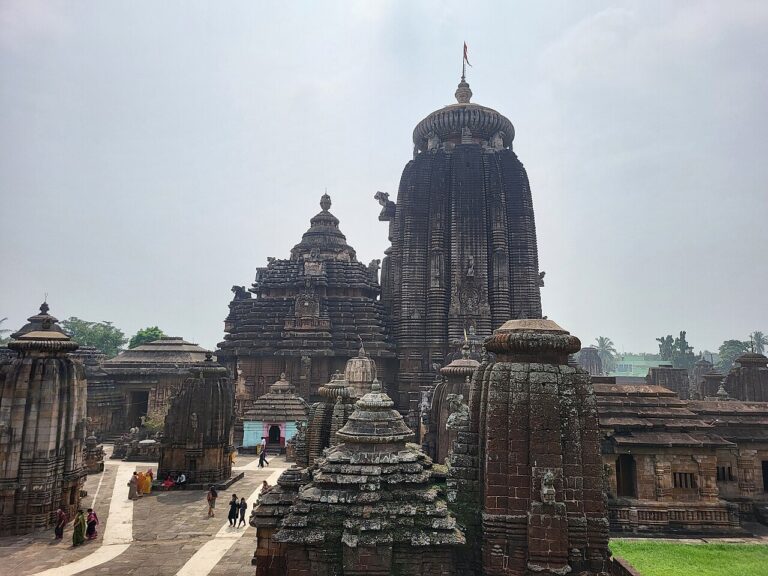
ଭୁବନେଶ୍ୱରର ଏକାଦଶ ଶତାବ୍ଦୀର ଅପୂର୍ବ ସ୍ଥାପତ୍ୟ ନିଦର୍ଶନ ରାଜାରାଣୀ ମନ୍ଦିର ଓଡ଼ିଶାର ମନ୍ଦିର ସ୍ଥାପତ୍ୟ କଳାର ଏକ ଅନନ୍ୟ ମୁକୁଟ। ପ୍ରାଚୀନ କଳିଙ୍ଗର ଏହି ମନ୍ଦିର ‘ପ୍ରେମର ମନ୍ଦିର’ ନାମରେ ବିଶ୍ୱରେ ପରିଚିତ। ଲିଙ୍ଗରାଜ ମନ୍ଦିରଠାରୁ କିଛି ଦୂରରେ ଅବସ୍ଥିତ ଏହି ମନ୍ଦିର ଏକ ଅଦ୍ୱିତୀୟ ପରିଚୟ ବହନ କରେ। ଅନ୍ୟ ମନ୍ଦିରମାନଙ୍କ ପରି ଏଠାରେ କୌଣସି ପ୍ରଧାନ ଦେବତା ନାହାନ୍ତି, ଯାହା ଏହାକୁ ହିନ୍ଦୁ ମନ୍ଦିର ଇତିହାସରେ ଏକ ବ୍ୟତିକ୍ରମ କରାଏ। ଭାରତୀୟ ପ୍ରାଚୀନ ସ୍ଥାପତ୍ୟ କଳାର ଶ୍ରେଷ୍ଠ ନମୁନା ଭାବେ ଏହି ମନ୍ଦିର ପର୍ଯ୍ୟଟକମାନଙ୍କୁ ଆକର୍ଷିତ କରିଥାଏ।The Rajarani Temple, an extraordinary architectural marvel of the eleventh century in Bhubaneswar, stands as a crowning jewel of Odisha’s temple architecture. This temple of ancient Kalinga is globally recognized as the ‘Temple of Love.’ Situated a short distance from the Lingaraja Temple, this temple carries a unique identity. Unlike other temples, there is no presiding deity here, which makes it an exception in the history of Hindu temples. As one of the finest examples of ancient Indian architectural art, this temple continues to attract tourists from around the world.
ଐତିହାସିକ ପୃଷ୍ଠଭୂମି ଏବଂ ଉତ୍ପତ୍ତିHistorical Background and Origins
ରାଜାରାଣୀ ମନ୍ଦିର ଆନୁମାନିକ ୧୦୫୦ ରୁ ୧୧୦୦ ଖ୍ରୀଷ୍ଟାବ୍ଦ ମଧ୍ୟରେ ନିର୍ମିତ ହୋଇଥିଲା। ଏହି ସମୟ ଓଡ଼ିଶାର ସୋମବଂଶୀ ଶାସନ କାଳର ଶେଷ ଭାଗ ଏବଂ ଗଙ୍ଗବଂଶୀ ଶାସନର ପ୍ରାରମ୍ଭିକ କାଳ ସହିତ ମେଳଖାଏ। ଐତିହାସିକ ପ୍ରମାଣରୁ ଜଣାଯାଏ ଯେ ଏହି ମନ୍ଦିରର ମୂଳ ନାମ ‘ଇନ୍ଦ୍ରେଶ୍ୱର’ ଥିଲା। ମନ୍ଦିର ପରିସରରେ ଉଦ୍ଧାର ହୋଇଥିବା ଶିଳାଲେଖରୁ ଏହି ତଥ୍ୟ ପ୍ରମାଣିତ ହୋଇଛି। ‘ଇନ୍ଦ୍ରେଶ୍ୱର’ ନାମଟି ସମ୍ଭବତଃ ଇନ୍ଦ୍ର ଦେବତା ବା କୌଣସି ଇନ୍ଦ୍ର ନାମଧାରୀ ରାଜାଙ୍କ ସହିତ ସମ୍ପର୍କିତ। କିନ୍ତୁ କାଳକ୍ରମେ ମୂଳ ନାମ ବିସ୍ମୃତ ହୋଇ ଏହା ‘ରାଜାରାଣୀ’ ନାମରେ ପରିଚିତ ହେଲା।The Rajarani Temple was constructed approximately between 1050 and 1100 CE. This period coincides with the later phase of the Somavamshi dynasty rule and the early years of the Ganga dynasty in Odisha. Historical evidence reveals that the original name of this temple was ‘Indreswara.’ This fact is confirmed from an inscription discovered in the temple premises. The name ‘Indreswara’ is possibly associated with Lord Indra or a king named Indra. However, over the passage of time, the original name faded into obscurity and the temple became popularly known as ‘Rajarani.’
‘ରାଜାରାଣୀ’ ନାମଟି ମନ୍ଦିର ନିର୍ମାଣରେ ବ୍ୟବହୃତ ପ୍ରସ୍ତରର ବିଶେଷତାରୁ ଆସିଛି। ଏହି ମନ୍ଦିର ନିର୍ମାଣରେ ଏକ ବିଶେଷ ପ୍ରକାର ବାଲିପଥର ବା ବଳପଥର ବ୍ୟବହୃତ ହୋଇଛି, ଯାହାର ରଙ୍ଗ ହଳଦିଆ-କମଳା ଏବଂ ଏହା ସୂର୍ଯ୍ୟାଲୋକରେ ଏକ ଅଦ୍ୱିତୀୟ ଔଜ୍ଜ୍ୱଳ୍ୟ ବିସର୍ଜନ କରେ। ଏହି ପ୍ରସ୍ତରକୁ ସ୍ଥାନୀୟ ଭାଷାରେ ‘ରାଜାରାଣୀ’ ପଥର କୁହାଯାଏ, କାରଣ ଏହାର କୋମଳ ରଙ୍ଗ ରାଜକୀୟ ଭବ୍ୟତା ଓ ସୌନ୍ଦର୍ୟର ପ୍ରତୀକ। ଭୁବନେଶ୍ୱରର ଅନ୍ୟ ମନ୍ଦିରମାନଙ୍କ ପରି ଏଠାରେ ଖୋଦିତ ପଥର ବା ଗ୍ରାନାଇଟ୍ ବ୍ୟବହାର ହୋଇନାହିଁ, ଯାହା ଏହାକୁ ସ୍ଥାପତ୍ୟ ଦୃଷ୍ଟିରୁ ଆଲାଦା କରାଏ।The name ‘Rajarani’ is derived from the distinctive type of stone used in the construction of the temple. This temple was built using a special kind of sandstone, which has a yellowish-orange hue and emits a unique radiance in sunlight. This stone is locally called ‘Rajarani’ stone, as its gentle color symbolizes royal grandeur and beauty. Unlike other temples in Bhubaneswar, carved stone or granite has not been used here, which sets it apart from an architectural perspective.
ମନ୍ଦିରର ନିର୍ମାଣ ଶୈଳୀ ଓଡ଼ିଶାର କଳିଙ୍ଗ ସ୍ଥାପତ୍ୟ ପରମ୍ପରାର ଏକ ଅଙ୍ଗ ଅଟେ, କିନ୍ତୁ ଏହାର ବିକାଶ ମଧ୍ୟକାଳୀନ ସ୍ଥାପତ୍ୟ ଶୈଳୀର ଏକ ଅନନ୍ୟ ପ୍ରକାଶ। ଏହି ମନ୍ଦିରରେ ବିମାନ ବା ରେଖ ଦେଉଳ ଏବଂ ଜଗମୋହନ ବା ପିଢ଼ା ଦେଉଳ ମଧ୍ୟରେ ଥିବା ସମ୍ପର୍କ ଅନ୍ୟ ମନ୍ଦିରମାନଙ୍କଠାରୁ ଭିନ୍ନ। ମୁଖ୍ୟ ମନ୍ଦିର କ୍ଷୁଦ୍ର ହୋଇଥିବା ବେଳେ ଜଗମୋହନ ଅପେକ୍ଷାକୃତ ବଡ଼। ଏହି ବିଶେଷତା କଳିଙ୍ଗ ସ୍ଥାପତ୍ୟର ପରିବର୍ତ୍ତନଶୀଳ ପ୍ରକୃତିକୁ ଦର୍ଶାଏ। ପ୍ରାଚୀନ କାଳରେ ଏହି ମନ୍ଦିର ଚତୁର୍ଦିଗ୍ରେ ଉଚ୍ଚ ପ୍ରାଚୀର ଥିଲା ବୋଲି ପ୍ରତ୍ନତାତ୍ତ୍ୱିକ ପ୍ରମାଣ ସୂଚିତ କରନ୍ତି, ଯାହା ବର୍ତ୍ତମାନ କେବଳ ଭଗ୍ନାବଶେଷରେ ଦେଖାଯାଏ।The construction style of the temple is a part of Odisha’s Kalinga architectural tradition, but its development represents a unique expression of medieval architectural style. The relationship between the vimana or rekha deula and the jagamohana or pidha deula in this temple differs from other temples. While the main temple is relatively small, the jagamohana is comparatively larger. This characteristic demonstrates the evolving nature of Kalinga architecture. Archaeological evidence suggests that this temple was originally surrounded by a high boundary wall, which can now be seen only in ruins.
ସାଂସ୍କୃତିକ ମହତ୍ତ୍ଵCultural Significance
ରାଜାରାଣୀ ମନ୍ଦିରର ସାଂସ୍କୃତିକ ମହତ୍ତ୍ବ ମୁଖ୍ୟତଃ ଏହାର ଭାସ୍କର୍ଯ୍ୟ କଳାରେ ନିହିତ। ଏହି ମନ୍ଦିରକୁ ‘ପ୍ରେମର ମନ୍ଦିର’ କୁହାଯାଏ କାରଣ ଏଠାରେ ପ୍ରେମ, କାମ, ଏବଂ ମାନବ ସମ୍ବନ୍ଧର ଅତ୍ୟନ୍ତ ସୂକ୍ଷ୍ମ ଭାସ୍କର୍ଯ୍ୟ ଖୋଦିତ ହୋଇଛି। ଏହି ଭାସ୍କର୍ଯ୍ୟଗୁଡ଼ିକ କେବଳ ଶାରୀରିକ ସୌନ୍ଦର୍ୟର ପ୍ରଦର୍ଶନ ନୁହଁନ୍ତି, ବରଂ ପ୍ରାଚୀନ ଭାରତୀୟ ସମାଜର ଜୀବନଶୈଳୀ, କଳା ସଂସ୍କୃତି ଏବଂ ମାନବ ମନସ୍ତତ୍ତ୍ୱର ଏକ ଜୀବନ୍ତ ଚିତ୍ର। ପ୍ରାଚୀନ ଭାରତରେ କାମକୁ ଜୀବନର ଏକ ମହତ୍ତ୍ୱପୂର୍ଣ୍ଣ ଅଙ୍ଗ ଭାବେ ବିବେଚନା କରାଯାଉଥିଲା, ଯାହା ଏହି ଭାସ୍କର୍ଯ୍ୟମାନଙ୍କରେ ସ୍ପଷ୍ଟ ଭାବେ ପ୍ରତିଫଳିତ ହୋଇଛି।The cultural significance of the Rajarani Temple lies primarily in its sculptural art. This temple is called the ‘Temple of Love’ because it contains extremely intricate sculptures depicting love, desire, and human relationships. These sculptures are not merely displays of physical beauty, but rather a vivid portrayal of the lifestyle, art and culture, and human psychology of ancient Indian society. In ancient India, desire was considered an important aspect of life, which is clearly reflected in these sculptures.
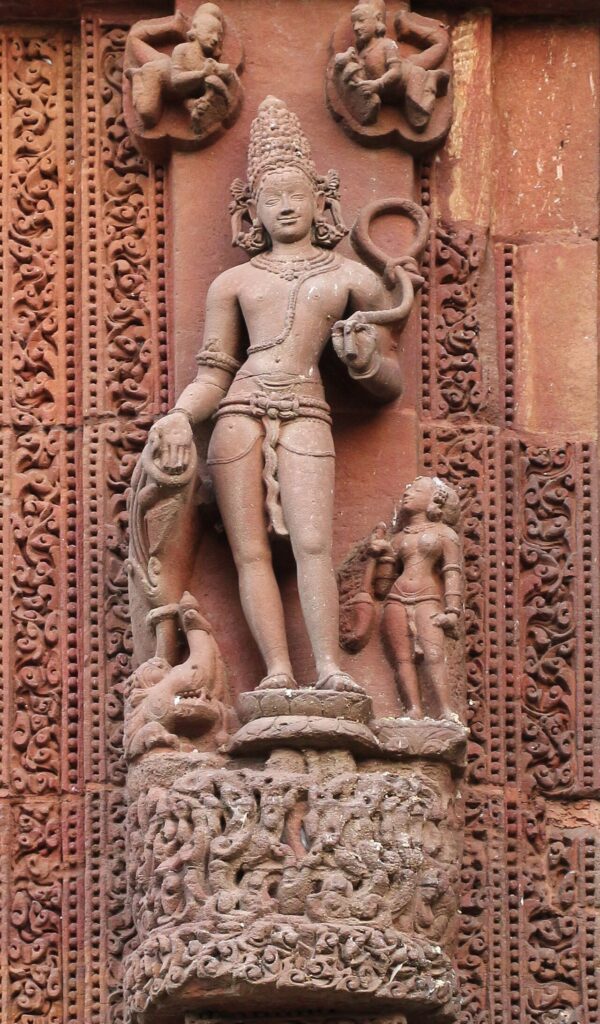
ଏହି ମନ୍ଦିରର ସବୁଠାରୁ ଆକର୍ଷଣୀୟ ଦିଗ ହେଉଛି ଏଠାରେ ଖୋଦିତ ନାୟିକା ମୂର୍ତ୍ତିମାନେ। ପ୍ରାଚୀନ ଭାରତୀୟ କଳା ପରମ୍ପରାରେ ‘ନାୟିକା’ ବିଭିନ୍ନ ଭାବଭଙ୍ଗୀ ଓ ମନୋଭାବ ସହିତ ଚିତ୍ରିତ ହୋଇଥାନ୍ତି। ରାଜାରାଣୀ ମନ୍ଦିରରେ ବିଭିନ୍ନ ପ୍ରକାର ନାୟିକା ମୂର୍ତ୍ତି ଦେଖାଯାଏ – କେତେକ ଆନନ୍ଦରେ ନର୍ତ୍ତନ କରୁଛନ୍ତି, କେତେକ ବାଉଁଶ ଦେଖାଉଛନ୍ତି, କେତେକ ଶଙ୍ଖ ବାଜାଉଛନ୍ତି, ଆଉ କେତେକ ପ୍ରିୟଜନର ଅପେକ୍ଷାରେ ବିଳାପ କରୁଛନ୍ତି। ଏହି ମୂର୍ତ୍ତିମାନେ ଓଡ଼ିଶୀ ନୃତ୍ୟ ପରମ୍ପରାର ମୂଳ ରୂପକୁ ପ୍ରତିଫଳିତ କରନ୍ତି। ଓଡ଼ିଶୀ ନୃତ୍ୟର ବିଭିନ୍ନ ଭଙ୍ଗୀ ଏବଂ ମୁଦ୍ରା ଏହି ମୂର୍ତ୍ତିମାନଙ୍କଠାରୁ ପ୍ରେରଣା ନେଇଛି ବୋଲି କଳା ବିଶେଷଜ୍ଞମାନେ ମତ ଦିଅନ୍ତି।The most captivating aspect of this temple is the nayika figures carved here. In the ancient Indian art tradition, ‘nayikas’ have been depicted with various expressions and emotional states. The Rajarani Temple features different types of nayika figures – some dancing joyfully, some looking into mirrors, some blowing conch shells, and others lamenting in anticipation of their beloved. These sculptures reflect the primal form of the Odissi dance tradition. Art experts opine that various postures and mudras of Odissi dance have drawn inspiration from these sculptures.
ମନ୍ଦିରର ଭିତରଭାଗରେ କୌଣସି ପ୍ରଧାନ ଦେବତା ନଥିବା ଏକ ଅଦ୍ଭୁତ ତଥ୍ୟ। ଏହା କେବଳ ଏକ ସ୍ଥାପତ୍ୟ କୃତି ଭାବେ ନିର୍ମିତ ହୋଇଥିଲା କି ନା ଏଥିରେ କେବେ ଦେବତା ପ୍ରତିଷ୍ଠା ହୋଇଥିଲା, ତାହା ନିଶ୍ଚିତ ଭାବେ କୁହାଯାଇ ପାରିବ ନାହିଁ। କିଛି ଐତିହାସିକଙ୍କ ମତରେ ଏଠାରେ କୌଣସି ଦେବତା ମୂର୍ତ୍ତି ଥିଲା ଯାହା ପରବର୍ତ୍ତୀ କାଳରେ ଚୋରା କାରବାରେ ବା ପ୍ରାକୃତିକ ଦୁର୍ଯ୍ୟୋଗରେ ନଷ୍ଟ ହୋଇଯାଇଛି। ଅନ୍ୟ ମତ ଅନୁଯାୟୀ ଏହା ଏକ ଶିଳ୍ପ ପ୍ରଦର୍ଶନୀ ଭଳି ହିଁ ନିର୍ମିତ ହୋଇଥିଲା, ଯେଉଁଠାରେ ଭାସ୍କର୍ଯ୍ୟ କଳାକୁ ହିଁ ପୂଜା କରାଯାଉଥିଲା। ଏହି ରହସ୍ୟ ମନ୍ଦିରର ଆକର୍ଷଣକୁ ଆହୁରି ବୃଦ୍ଧି କରିଛି।It is a remarkable fact that there is no presiding deity inside the temple. Whether it was constructed merely as an architectural masterpiece or whether a deity was ever installed here cannot be stated with certainty. According to some historians, there was a deity here which was either stolen or destroyed by natural calamities in later periods. Another view suggests that it was built like a sculpture gallery, where the art of sculpture itself was worshipped. This mystery has further increased the allure of the temple.
ମୁଖ୍ୟ ବିଶେଷତା ଏବଂ ବିବରଣKey Features and Details
ରାଜାରାଣୀ ମନ୍ଦିରର ସ୍ଥାପତ୍ୟ ବିଶେଷତାଗୁଡ଼ିକ ଅତ୍ୟନ୍ତ ଅନୋଖା। ମନ୍ଦିରର ମୁଖ୍ୟ କ୍ଷେତ୍ର ବା ବିମାନ ପ୍ରାୟ ୧୮ ମିଟର ଉଚ୍ଚ। ଏହା ଏକ ପଞ୍ଚରଥ ଶୈଳୀରେ ନିର୍ମିତ, ଅର୍ଥାତ ପାଞ୍ଚଟି ଅଂଶରେ ବିଭକ୍ତ। ବିମାନର ଗଠନ କ୍ରମଶଃ ସୂକ୍ଷ୍ମ ହୋଇ ଉପରକୁ ଯାଇ ଶୃଙ୍ଗ ବା ଚୂଡ଼ାରେ ଶେଷ ହୁଏ। ଜଗମୋହନ ବା ମଣ୍ଡପ ପିଢ଼ା ଶୈଳୀରେ ନିର୍ମିତ, ଯେଉଁଥିରେ ଛାତ ଗମ୍ବୁଜାକୃତି ରୂପରେ ରହିଛି। ପାରମ୍ପରିକ କଳିଙ୍ଗ ସ୍ଥାପତ୍ୟରେ ବିମାନ ସର୍ବଦା ଜଗମୋହନଠାରୁ ଅଧିକ ଉଚ୍ଚ ହୋଇଥାଏ, କିନ୍ତୁ ରାଜାରାଣୀ ମନ୍ଦିରରେ ଏହି ପରମ୍ପରା ଭଙ୍ଗ ହୋଇଛି।The architectural features of the Rajarani Temple are extremely unique. The main shrine or vimana of the temple is approximately 18 meters high. It is built in the pancharatha style, meaning it is divided into five parts. The structure of the vimana gradually narrows as it goes upward, ending at the spire or finial. The jagamohana or mandapa is built in the pidha style, where the roof is in a domed shape. In traditional Kalinga architecture, the vimana is always taller than the jagamohana, but in the Rajarani Temple, this convention has been broken.
ମନ୍ଦିରର ବାହ୍ୟ କାନ୍ଥରେ ଅସଂଖ୍ୟ ଭାସ୍କର୍ଯ୍ୟ ଖୋଦିତ ହୋଇଛି। ଏହି ଭାସ୍କର୍ଯ୍ୟମାନଙ୍କ ମଧ୍ୟରେ ‘ସୁଲଭାଙ୍ଗ’ ବା ଦଣ୍ଡାୟମାନ ନାରୀ ମୂର୍ତ୍ତିମାନ ବିଶେଷ ଭାବେ ଉଲ୍ଲେଖଯୋଗ୍ୟ। ‘ସୁଲଭାଙ୍ଗ’ ଶବ୍ଦର ଅର୍ଥ ହେଉଛି ଯେଉଁ ନାରୀ କଣ୍ଠ ବା କାନ୍ଧରେ ହାତ ରଖି ଥାଆନ୍ତି। ଏହି ମୂର୍ତ୍ତିମାନେ ଅତ୍ୟନ୍ତ ସୂକ୍ଷ୍ମ ଏବଂ ଜୀବନ୍ତ। ପ୍ରତ୍ୟେକ ମୂର୍ତ୍ତିର ଭଙ୍ଗୀ, ଅଳଙ୍କାର, ବସ୍ତ୍ର ଏବଂ ମୁଖଭାବ ଭିନ୍ନ ଭିନ୍ନ। କେତେକ ମୂର୍ତ୍ତି ଗଛ ତଳେ ଥାଆନ୍ତି, କେତେକ ପାଖୁଡ଼ା ଧରି ଭିତରକୁ ଯାଉଛନ୍ତି, ଆଉ କେତେକ ନାଚ ଗୀତରେ ମତ୍ତ। ଏହି ଭାସ୍କର୍ଯ୍ୟମାନେ ପ୍ରାଚୀନ ଭାରତୀୟ ମହିଳାମାନଙ୍କ ଜୀବନର ବିଭିନ୍ନ ପରିସ୍ଥିତିକୁ ଦର୍ଶାଏ।Countless sculptures are carved on the exterior walls of the temple. Among these sculptures, the ‘Sulabhanga’ or standing woman figures are particularly noteworthy. The word ‘Sulabhanga’ refers to women who rest their hands on their neck or shoulders. These sculptures are extremely delicate and lifelike. The posture, ornaments, attire, and facial expressions of each sculpture are different. Some figures stand beneath trees, some hold pillars and move inward, while others are engrossed in dance and music. These sculptures depict various situations in the lives of ancient Indian women.
ମନ୍ଦିରର କାନ୍ଥରେ କେବଳ ନାରୀ ମୂର୍ତ୍ତି ନୁହଁନ୍ତି, ବରଂ ବିଭିନ୍ନ ପ୍ରକାରର ପ୍ରାଣୀ, ପକ୍ଷୀ, ଫୁଲ ଏବଂ ଜ୍ୟାମିତିକ ନକ୍ସା ମଧ୍ୟ ଖୋଦିତ ହୋଇଛି। ଗଜଲକ୍ଷ୍ମୀ, ଗଣେଶ, କାର୍ତ୍ତିକେୟ ଭଳି ଦେବଦେବୀଙ୍କ ମୂର୍ତ୍ତି ମଧ୍ୟ ଏଠାରେ ଦେଖାଯାଏ। ଅଷ୍ଟଦିଗ୍ଗଜ ବା ଆ�ଠଟି ଦିଗ ରକ୍ଷାକାରୀ ହାତୀ ମୂର୍ତ୍ତି ମନ୍ଦିରର ଆଠଟି କୋଣରେ ଖୋଦିତ। ଦ୍ୱାରପାଳ ବା ଦ୍ୱାର ରକ୍ଷକ ମୂର୍ତ୍ତିମାନ ମଧ୍ୟ ଅତ୍ୟନ୍ତ ଆକର୍ଷଣୀୟ। ମନ୍ଦିରର ଉପର ଭାଗରେ ମିନିଆଚର ଶୈଳୀରେ ବିଭିନ୍ନ ଦେବଦେବୀ ଓ ଜ୍ୟାମିତିକ ପ୍ରତିମା ଖୋଦିତ ହୋଇଛି। ରାଜାରାଣୀ ପଥରର କୋମଳତା ଯୋଗୁଁ ଏହି ସମସ୍ତ ଭାସ୍କର୍ଯ୍ୟ ଅତ୍ୟନ୍ତ ସୂକ୍ଷ୍ମ ବିବରଣରେ ଖୋଦିତ ହୋଇପାରିଛି।The walls of the temple feature not only female figures but also various types of animals, birds, flowers, and geometric patterns. Idols of deities such as Gajalakshmi, Ganesha, and Kartikeya can also be seen here. The Ashtadigaja, or eight elephants guarding the eight directions, are carved at the eight corners of the temple. The Dvarapala or door guardian figures are also extremely attractive. The upper portion of the temple features various deities and geometric idols carved in the miniature style. Due to the softness of the Rajarani stone, all these sculptures have been able to be carved with extremely fine details.
ମନ୍ଦିରର ଭାସ୍କର୍ଯ୍ୟ କଳାର ଆଉ ଏକ ବିଶେଷତା ହେଉଛି ଏଠାରେ ଖୋଦିତ ଶୃଙ୍ଗାର ବା କାମୁକ ଭାସ୍କର୍ଯ୍ୟମାନ। ଏହି ଭାସ୍କର୍ଯ୍ୟମାନେ ମନ୍ଦିରକୁ ‘ପ୍ରେମର ମନ୍ଦିର’ ଉପାଧି ଦେଇଛନ୍ତି। ଏହି ଶୃଙ୍ଗାର ଭାସ୍କର୍ଯ୍ୟଗୁଡ଼ିକ ଖୋଲା ଓ ସୁସ୍ପଷ୍ଟ ଭାବରେ ମାନବ ଶରୀର ଏବଂ ପ୍ରେମ ସମ୍ବନ୍ଧକୁ ଦର୍ଶାଏ। ଏହି ପ୍ରକାର ଭାସ୍କର୍ଯ୍ୟ ଭାରତର ଅନ୍ୟ କେତେକ ମନ୍ଦିରରେ ମଧ୍ୟ ଦେଖାଯାଏ, ଯଥା – ଖଜୁରାହୋ ଏବଂ କୋଣାର୍କ। କିନ୍ତୁ ରାଜାରାଣୀ ମନ୍ଦିରର ଶୃଙ୍ଗାର ଭାସ୍କର୍ଯ୍ୟର ଶୈଳୀ ଅତ୍ୟନ୍ତ ସୂକ୍ଷ୍ମ ଏବଂ କଳାତ୍ମକ। ଏହି ଭାସ୍କର୍ଯ୍ୟଗୁଡ଼ିକ ପ୍ରାଚୀନ ଭାରତୀୟ ଦର୍ଶନ, ବିଶେଷ କରି ତନ୍ତ୍ର ଏବଂ କାମଶାସ୍ତ୍ରର ପ୍ରଭାବକୁ ପ୍ରତିଫଳିତ କରନ୍ତି।Another distinctive feature of the temple’s sculptural art is the erotic or sensual sculptures carved here. These sculptures have earned the temple the title of ‘Temple of Love.’ These erotic sculptures openly and clearly depict the human body and romantic relationships. This type of sculpture can also be seen in certain other temples in India, such as Khajuraho and Konark. However, the style of the erotic sculptures at Rajarani Temple is extremely delicate and artistic. These sculptures reflect the influence of ancient Indian philosophy, particularly Tantra and Kama Shastra.
ଆଧୁନିକ ପ୍ରାସଙ୍ଗିକତା ଏବଂ ପର୍ଯ୍ୟଟନModern Relevance and Tourism
ବର୍ତ୍ତମାନ ରାଜାରାଣୀ ମନ୍ଦିର ଭାରତୀୟ ପ୍ରତ୍ନତାତ୍ତ୍ୱିକ ସର୍ବେକ୍ଷଣ ବା ଆର୍କିଓଲୋଜିକାଲ ସର୍ଭେ ଅଫ୍ ଇଣ୍ଡିଆ (ASI) ଦ୍ୱାରା ସଂରକ୍ଷିତ ଏବଂ ପରିଚାଳିତ। ASI ଏହି ମନ୍ଦିରର ସଂରକ୍ଷଣ ପାଇଁ ବିଭିନ୍ନ ପଦକ୍ଷେପ ନେଇଛି। ମନ୍ଦିର ପରିସରକୁ ଏକ ସୁନ୍�