ଗୁମ୍ଫାମାନ: ପଥରରେ ଖୋଦିତ ଇତିହାସCaves: History Carved in Stone
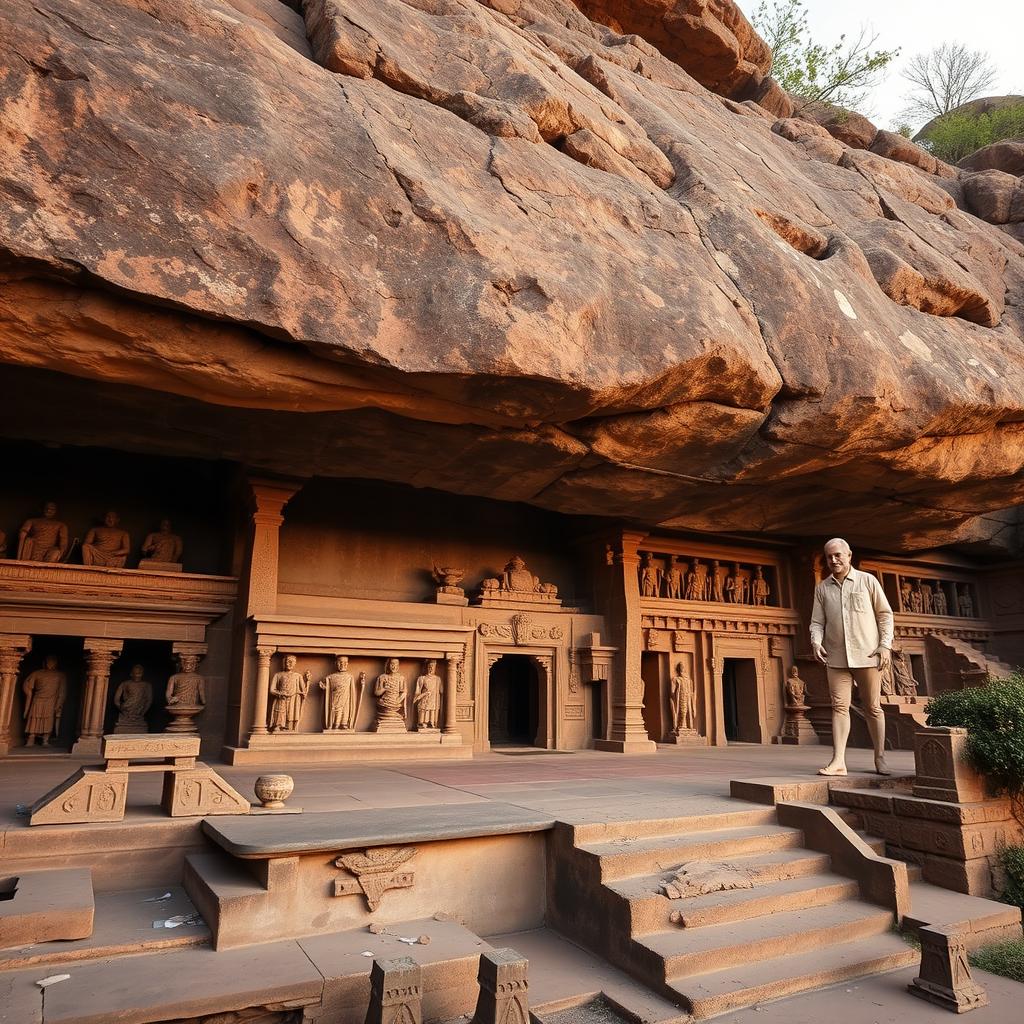
ଭୁବନେଶ୍ୱରର ଉପକଣ୍ଢରେ ଥିବା ଉଦୟଗିରି ଓ ଖଣ୍ଡଗିରି ପର୍ବତ — ଦୁଇଟି ପ୍ରାଚୀନ ଗୁମ୍ଫା କ୍ଲଷ୍ଟର। ଖ୍ରୀଷ୍ଟପୂର୍ବ ପ୍ରଥମ ଶତାବ୍ଦୀରେ କଳିଙ୍ଗର ମହାମେଘବାହନ ବଂଶର ଜୈନ ରାଜା ଖାରବେଳ ଏହି ଗୁମ୍ଫାମାନ ନିର୍ମାଣ କରାଇଥିଲେ। ମୂଳ ୧୧୭ଟି ଗୁମ୍ଫା ମଧ୍ୟରୁ ଆଜି ୩୩ଟି ଗୁମ୍ଫା ବଞ୍ଚିଛନ୍ତି — ଉଦୟଗିରିରେ ୧୮ଟି ଓ ଖଣ୍ଡଗିରିରେ ୧୫ଟି। ଏହି ଗୁମ୍ଫାଗୁଡ଼ିକ ଜୈନ ସନ୍ୟାସୀମାନଙ୍କ ବାସସ୍ଥାନ ଓ ଧ୍ୟାନସ୍ଥଳ ଭାବେ ନିର୍ମିତ। ପ୍ରାଚୀନ କାଳରେ ଏହା “କଟକ ଗୁମ୍ଫା” ବା “କାତ୍ତକା ଗୁମ୍ଫା” ନାମରେ ଜଣାଥିଲା। ଉଦୟଗିରିର ଅର୍ଥ “ସୂର୍ଯ୍ୟୋଦୟ ପାହାଡ଼” ଏବଂ ଖଣ୍ଡଗିରିର ଅର୍ଥ “ବିଭକ୍ତ ପାହାଡ଼”।On the outskirts of Bhubaneswar, Udayagiri and Khandagiri hills house one of India’s earliest examples of rock-cut architecture. Carved during the 1st century BCE by Jain King Kharavela of the Mahameghavahana dynasty of Kalinga, these caves were originally 117 in number, of which 33 survive today — 18 on Udayagiri (“Sunrise Hill”) and 15 on Khandagiri (“Broken Hill”). Built as residential quarters and meditation chambers for Jain ascetics, they were formerly known as “Kattaka Gumpha” or “Cuttack Caves.” The Archaeological Survey of India (ASI) has listed them among the “Must See” Indian Heritage sites and designated them as an Adarsh Smarak Monument.
ରାଜା ଖାରବେଳ: କଳିଙ୍ଗର ମହାନ ଶାସକKing Kharavela: The Great Ruler of Kalinga
ରାଜା ଖାରବେଳ ମହାମେଘବାହନ ବଂଶର ସବୁଠାରୁ ପ୍ରସିଦ୍ଧ ଶାସକ ଥିଲେ। ସେ ଜୈନ ଧର୍ମର କଟ୍ଟର ଅନୁଗାମୀ ଥିଲେ ଏବଂ ତାଙ୍କର ସାମରିକ ବିଜୟ, ପ୍ରଶାସନିକ ନୀତି ଓ ଜୈନ ଧର୍ମ ପ୍ରତି ଭକ୍ତି ହାତୀଗୁମ୍ଫା ଶିଳାଲେଖରେ ଲିପିବଦ୍ଧ। ଏହି ଶିଳାଲେଖ ୧୭ ଧାଡ଼ିର ପ୍ରାକୃତ ଭାଷାରେ ବ୍ରାହ୍ମୀ ଲିପିରେ ଖୋଦିତ। ଏହା ନମୋକାର ମନ୍ତ୍ରରୁ ଆରମ୍ଭ ହୋଇ ଖାରବେଳଙ୍କ ବାର୍ଷିକ ବିଜୟ ଓ ସାଧନା ବର୍ଣ୍ଣନା କରେ। ଖାରବେଳ ମଗଧରୁ କଳିଙ୍ଗ ଜିନ (ଜୈନ ପ୍ରତିମା) ଫେରାଇ ଆଣିଥିଲେ, ଅନେକ ଜଳସେଚ ପ୍ରକଳ୍ପ ନିର୍ମାଣ କରିଥିଲେ, ଏବଂ ସଂଗୀତ, ନୃତ୍ୟ ଓ କଳାର ପୃଷ୍ଠପୋଷକ ଥିଲେ। ତାଙ୍କ ରାଜତ୍ୱ କାଳରେ କଳିଙ୍ଗ ଭାରତର ଏକ ଶକ୍ତିଶାଳୀ ସାମ୍ରାଜ୍ୟରେ ପରିଣତ ହୋଇଥିଲା।King Kharavela was the most celebrated ruler of the Mahameghavahana dynasty and a devout follower of Jainism. His military conquests, administrative reforms, and devotion to Jainism are recorded in the Hathigumpha Inscription — a 17-line Prakrit text carved in Brahmi script on the brow of Hathi Gumpha cave. Discovered in 1825, this inscription is the primary source of information about Kharavela and is considered an “epitome of history.” It begins with the Namokara Mantra (still recited by Jains today) and provides a year-by-year account of his achievements. Kharavela retrieved the Kalinga Jina (a sacred Jain idol) from Magadha, built extensive irrigation canals, and was a great patron of music, dance, and the arts. Under his rule, Kalinga became one of the most powerful empires in India, and some scholars believe Udayagiri also served as a theater complex for public performances.
ପ୍ରମୁଖ ଗୁମ୍ଫା — ଉଦୟଗିରିMajor Caves — Udayagiri
ରାଣୀ ଗୁମ୍ଫା (ଗୁମ୍ଫା ୧): ଏହା ସବୁଠାରୁ ବଡ଼ ଓ ସବୁଠାରୁ ସୁନ୍ଦର ଗୁମ୍ଫା। ଏହା ଦ୍ୱୟତଳ ବିଶିଷ୍ଟ — ପ୍ରତ୍ୟେକ ତଲରେ ତିନିଟି ଶାଖା ଅଛି, ମଝି ଶାଖା ସବୁଠାରୁ ବଡ଼। ନିଚଲି ତଲରେ ୭ଟି ପ୍ରବେଶ ଦ୍ୱାର ଏବଂ ଉପର ତଲରେ ୯ଟି ସ୍ତମ୍ଭ। ମୋଟ ୩୨ଟି କୋଠରୀ ଅଛି। ଏଥିରେ ରାଜାଙ୍କ ବିଜୟ ଯାତ୍ରା, ନର୍ତ୍ତକୀ, ବାଦ୍ୟବାଦକ ନାରୀ, ହାତୀ, ବାଘ, ବାନର ଓ ଫଳବାନ ବୃକ୍ଷର ଉତ୍କୃଷ୍ଟ ଭାସ୍କର୍ଯ୍ୟ ଅଛି। ତୋରଣ (ଖମ୍ବରେ କମାରଚ୍ଛନ୍ନ) ଜୈନ ଧାର୍ମିକ ପ୍ରତୀକ ଓ ରାଜଦରବାର ଦୃଶ୍ୟ ଦର୍ଶାଏ। ଦ୍ୱାରପାଳ (ଦ୍ୱାରରକ୍ଷକ) ମୂର୍ତ୍ତି ମଧ୍ୟ ଖୋଦିତ।
ହାତୀ ଗୁମ୍ଫା (ଗୁମ୍ଫା ୧୪): ଏହା ଏକ ବିଶାଳ ପ୍ରାକୃତିକ ଗୁମ୍ଫା ଯେଉଁଥିରେ ହାତୀଙ୍କ ଅଦ୍ଭୁତ କାରୁକାର୍ଯ୍ୟ ଅଛି। ଏହି ଗୁମ୍ଫାର ଶିଳାଲେଖ ରାଜା ଖାରବେଳଙ୍କ ବିଷୟରେ ଏକମାତ୍ର ପ୍ରାଥମିକ ଉତ୍ସ। ଏହା ପ୍ରାକୃତ ଭାଷାରେ ୧୭ ଧାଡ଼ିରେ ବ୍ରାହ୍ମୀ ଲିପିରେ ଲିଖିତ।
ଗଣେଶ ଗୁମ୍ଫା (ଗୁମ୍ଫା ୧୦): ଏହି ଗୁମ୍ଫାର ନାମ ଏଥିରେ ଥିବା ଗଣେଶ ମୂର୍ତ୍ତି ଉପରେ ନାମିତ। ପ୍ରବେଶ ଦ୍ୱାରରେ ଦୁଇଟି ବିଶାଳ ହାତୀ ମାଳା ବହନ କରୁଛନ୍ତି — ଏହା ପ୍ରବେଶ ଦ୍ୱାରରେ ପଶୁ ମୂର୍ତ୍ତି ବ୍ୟବହାରର ପ୍ରଥମ ଉଦାହରଣ। କାନ୍ଥରେ ଉଜ୍ଜୟିନୀର ରାଜକୁମାରୀ ବାସବଦତ୍ତା ଓ କୌଶାମ୍ବୀର ରାଜା ଉଦୟନଙ୍କ ପ୍ରେମ କାହାଣୀ ଖୋଦିତ।
ବ୍ୟାଘ୍ର ଗୁମ୍ଫା (ଗୁମ୍ଫା ୧୨): ଏହି ଗୁମ୍ଫାର ପ୍ରବେଶ ଦ୍ୱାର ବାଘର ମୁଖ ଆକୃତିରେ ଖୋଦିତ — ଏହା ଉଦୟଗିରିର ସବୁଠାରୁ ଅଧିକ ଫଟୋ ଉତ୍ତୋଳିତ ସ୍ଥାନ। ଶିଳାଲେଖରେ ଏହା ନଗର ନ୍ୟାୟାଧୀଶ ସଭୁତିଙ୍କ ଗୁମ୍ଫା ବୋଲି ଉଲ୍ଲେଖ।
ଜୟ ବିଜୟ ଗୁମ୍ଫା (ଗୁମ୍ଫା ୫): ଦ୍ୱୟତଳ ଗୁମ୍ଫା ଯେଉଁଥିରେ ଗହନ ଅଳଙ୍କାର ପିନ୍ଧିଥିବା ନାରୀ, ଶୁଆ ଓ ବୃକ୍ଷ ପୂଜା ଦୃଶ୍ୟ ଅଛି।
ମାଣପୁରୀ ଓ ସ୍ୱର୍ଗପୁରୀ ଗୁମ୍ଫା (ଗୁମ୍ଫା ୯): ଏଥିରେ କଳିଙ୍ଗ ଜିନଙ୍କ ପୂଜା ଦୃଶ୍ୟ ଅଛି — ଦୁଇ ପୁରୁଷ ଓ ଦୁଇ ନାରୀ ପ୍ରାର୍ଥନା କରୁଛନ୍ତି। ଏଥିରେ ଖାରବେଳଙ୍କ ମୁଖ୍ୟ ରାଣୀ, ଉତ୍ତରାଧିକାରୀ କୁଦେପସିରି ଓ ତାଙ୍କ ପୁତ୍ର ବଡୁଖଙ୍କ ଶିଳାଲେଖ ଅଛି।Rani Gumpha (Cave 1): The largest and most celebrated cave — a double-storied monastery with three wings on each floor and 32 cells total. The central wing has seven entrances on the lower floor and nine columns on the upper. Exquisite relief sculptures depict royal victory processions, dancers, women playing musical instruments, elephants, tigers, monkeys, and fruit-laden trees. The toranas (arched gateways) display Jain religious symbols and court scenes, while dwara pala (gatekeeper) figures guard the cells.
Hathi Gumpha (Cave 14): A large natural cavern featuring magnificent elephant carvings. Its 17-line Brahmi inscription in Prakrit is the sole primary source about King Kharavela — making it one of India’s most historically significant inscriptions.
Ganesha Gumpha (Cave 10): Named after a later-period Ganesha carving on its back wall. Two massive elephant statues holding garlands flank the entrance — the earliest example of sculpted animals used as gateway guardians. The walls narrate the love story of Princess Vasavadatta of Ujjayini and King Udayana of Kaushambi.
Vyaghra Gumpha (Cave 12): Its entrance is carved in the shape of a tiger’s open mouth, with the single cell forming the throat — the most photographed spot in Udayagiri. An inscription records it as the cave of city judge Sabhuti.
Jaya Vijaya Gumpha (Cave 5): A double-storied cave with intricate carvings of an elegantly adorned woman with a parrot, and a tree-worship relief scene.
Mancapuri and Swargapuri Gumpha (Cave 9): Features a relief of two men and two women worshipping the Kalinga Jina brought back from Magadha. Inscriptions mention Kharavela’s chief queen, his successor Kudepasiri, and Kudepasiri’s son Badukha.
ପ୍ରମୁଖ ଗୁମ୍ଫା — ଖଣ୍ଡଗିରିMajor Caves — Khandagiri
ଖଣ୍ଡଗିରିର ୧୫ଟି ଗୁମ୍ଫା ଉଦୟଗିରି ଅପେକ୍ଷା ସରଳ, କିନ୍ତୁ ସମାନ ଗୁରୁତ୍ୱପୂର୍ଣ୍ଣ।
ଅନନ୍ତ ଗୁମ୍ଫା (ଗୁମ୍ଫା ୩): ଏହା ଖଣ୍ଡଗିରିର ସବୁଠାରୁ ଉଲ୍ଲେଖନୀୟ ଗୁମ୍ଫା। ଦ୍ୱାର କମାରରେ ଯମଳ ସାପ କାରୁକାର୍ଯ୍ୟ ଅଛି। ଏଥିରେ ଗଜଲକ୍ଷ୍ମୀଙ୍କ ଭାସ୍କର୍ଯ୍ୟ ଅଛି — ପଦ୍ମପୋଖରୀରେ ବସିଥିବା ଲକ୍ଷ୍ମୀ, ହାତରେ ପଦ୍ମ ଡାଳ, ଯାହା ଜୈନ ଧର୍ମରେ ସମୃଦ୍ଧିର ପ୍ରତୀକ। କାନ୍ଥରେ ନାରୀ, ହାତୀ, କ୍ରୀଡ଼ାଳୁ ଓ ଫୁଲ ବହନକାରୀ ହଂସ ମୂର୍ତ୍ତି।
ନବମୁନି ଗୁମ୍ଫା: ଏଥିରେ ନଅ ଜଣ ଜୈନ ତୀର୍ଥଙ୍କରଙ୍କ ମୂର୍ତ୍ତି ଅଛି।
ବାରଭୁଜ ଗୁମ୍ଫା: ଏଥିରେ ୨୫ ଜଣ ତୀର୍ଥଙ୍କର ଓ ୧୨ଟି ହାତ ବିଶିଷ୍ଟ ଚକ୍ରେଶ୍ୱରୀ ଦେବୀଙ୍କ ମୂର୍ତ୍ତି ଅଛି।
ଟିଆ ଗୁମ୍ଫା (ଶୁଆ ଗୁମ୍ଫା): ପ୍ରବେଶ ଦ୍ୱାର ଉପରେ ଶୁଆ କାରୁକାର୍ଯ୍ୟ ଏବଂ ଭିତରେ ଜୈନ ଦେବତାଙ୍କ ମୂର୍ତ୍ତି।
ଖଣ୍ଡଗିରିର ଶିଖରରୁ ଭୁବନେଶ୍ୱର ସହରର ମନୋରମ ଦୃଶ୍ୟ ଦେଖାଯାଏ।Khandagiri’s 15 caves are simpler than Udayagiri’s but equally significant. They feature medieval-period carvings of the 24 Jain Tirthankaras.
Ananta Gumpha (Cave 3): The most notable Khandagiri cave, named after twin serpent carvings on its door arches. Features a stunning sculpture of Gaja-Lakshmi seated in a lotus pond with lotus stalks in her arms — a symbol of prosperity in Jainism. The walls depict women, elephants, athletes, and geese carrying flowers.
Navamuni Gumpha: Houses sculptures of nine Jain Tirthankaras (spiritual teachers).
Barabhuji Gumpha: Known for its depiction of 25 Tirthankaras and the 12-armed goddess Chakreswari.
Tatowa Gumpha (Parrot Cave): Decorated with parrot carvings above its entrance and Jain deity sculptures inside.
The summit of Khandagiri offers a fine panoramic view of Bhubaneswar city.
ସ୍ଥାପତ୍ୟ ଓ ଶିଳ୍ପକଳାArchitecture and Sculptural Art
ଏହି ଗୁମ୍ଫାଗୁଡ଼ିକ ପ୍ରାକୃତିକ ଶିଳା ଗଠନ ଓ ମାନବ କୌଶଳର ଅପୂର୍ବ ମିଶ୍ରଣ। ପ୍ରତ୍ୟେକ ଗୁମ୍ଫାରେ ଜଳ ପହଞ୍ଚିବା ପାଇଁ ଛୋଟ ନାଳ, ସଞ୍ଚାର ପାଇଁ ଛିଦ୍ର, ଦୀପ ଜଳିବା ସ୍ଥାନ ଏବଂ ଆନତ ମାଟି (ମୁଣ୍ଡ ଆଶ୍ରୟ ପାଇଁ) ଅଛି। ଅନେକ ଗୁମ୍ଫାରେ ଉପର ତଲ ଅଛି ଯେଉଁଠାରେ ସନ୍ୟାସୀମାନେ ଗଭୀର ଧ୍ୟାନରେ ଯାଉଥିଲେ। ନିମ୍ନ ଛାତ ସନ୍ୟାସୀମାନଙ୍କ ନତମସ୍ତକ ଭଙ୍ଗୀ ପ୍ରତିଫଳିତ କରେ। ଏହି ଗୁମ୍ଫାଗୁଡ଼ିକ ହାତରେ ସରଳ ଉପକରଣ ବ୍ୟବହାର କରି ଖୋଦିତ — ଏହା ସେହି ଯୁଗର କାରିଗରଙ୍କ ଧୈର୍ଯ୍ୟ ଓ ନିଖୁଣତାର ପ୍ରମାଣ। ଭାସ୍କର୍ଯ୍ୟରେ ଜୈନ ତୀର୍ଥଙ୍କର, ରାଜା-ରାଣୀ, ସେନା, ଗଜ, ବୃକ୍ଷ, ଫୁଲ, ନର୍ତ୍ତକୀ, ଯୋଦ୍ଧା ଏବଂ ବାଦ୍ୟବାଦକ ନାରୀଙ୍କ ଚିତ୍ର ଅଛି। ଏହା ପ୍ରଥମ ଶତାବ୍ଦୀର ଭାରତୀୟ କଳାର ଉତ୍କର୍ଷ। ଏକ ଦୃଶ୍ୟରେ ଗ୍ରୀକ-ଶୈଳୀର ଯବନ ଯୋଦ୍ଧା ମଧ୍ୟ ଦେଖାଯାଏ, ଯାହା ପ୍ରାଚୀନ କଳିଙ୍ଗର ଆନ୍ତର୍ଜାତୀୟ ସମ୍ପର୍କ ପ୍ରମାଣିତ କରେ।These caves represent a remarkable blend of natural rock formations and human craftsmanship. Each cave was engineered with water channels, communication holes, lamp-burning niches, and a slightly tilted floor serving as a headrest. Many feature upper chambers where monks practiced deep meditation. The low ceilings reflect the bowed posture of ascetic life. Carved entirely by hand using simple tools, the caves are a testament to the patience and precision of ancient artisans. The sculptural panels depict Jain Tirthankaras, kings and queens, soldiers, elephants, trees, flowers, dancers, warriors, and women playing musical instruments — representing the pinnacle of 1st-century Indian art. A notable relief even shows a Greek-style Yavana warrior, evidence of Kalinga’s international connections in antiquity. The torana arches, dwara pala guardians, and narrative friezes are among the finest examples of early Indian rock-cut art.
ଜୈନ ଧର୍ମ ଓ ସାଂସ୍କୃତିକ ଗୁରୁତ୍ୱJain Heritage and Cultural Significance
ଏହି ଗୁମ୍ଫାଗୁଡ଼ିକ ପ୍ରାଚୀନ ଓଡ଼ିଶାରେ ଜୈନ ଧର୍ମର ପ୍ରଭାବର ଜୀବନ୍ତ ପ୍ରମାଣ। ଜୈନ ଧର୍ମ ୨୫୦୦ ବର୍ଷ ପୁରୁଣା, ଅହିଂସା, ସତ୍ୟ, ବ୍ରହ୍ମଚର୍ଯ୍ୟ, ଅସ୍ତେୟ ଓ ଅପରିଗ୍ରହ ଶିକ୍ଷା ଦିଏ। ୨୪ ଜଣ ତୀର୍ଥଙ୍କର (ଆଧ୍ୟାତ୍ମିକ ଶିକ୍ଷକ) ମଧ୍ୟରୁ ମହାବୀର, ପାର୍ଶ୍ୱନାଥ, ନେମିନାଥ ଓ ଋଷଭନାଥ ପ୍ରମୁଖ। ଜୈନ ପରମ୍ପରା ଅନୁସାରେ, ୨୪ଶହ ତୀର୍ଥଙ୍କର ମହାବୀର କୁମାରୀ ପର୍ବତକୁ ଆସି ତାଙ୍କ ମତ ପ୍ରଚାର କରିଥିଲେ। ଗୁମ୍ଫାଗୁଡ଼ିକ ଜୈନ ତପସ୍ୱୀ, ଧ୍ୟାନ ଓ ମୋକ୍ଷ ଆଦର୍ଶକୁ ପ୍ରତିଫଳିତ କରେ। ଗଣେଶ ଗୁମ୍ଫାରେ ହିନ୍ଦୁ ଦେବତା ଗଣେଶଙ୍କ ମୂର୍ତ୍ତି ଜୈନ ଓ ସ୍ଥାନୀୟ ପରମ୍ପରାର ସହଅବସ୍ଥାନ ଦର୍ଶାଏ। ଏକାଦଶ ଶତାବ୍ଦୀରେ ସୋମବଂଶୀ ରାଜବଂଶ ଅତିରିକ୍ତ ତୀର୍ଥଙ୍କର ଓ ଶାସନ ଦେବୀ (ରକ୍ଷକ ଦେବୀ) ମୂର୍ତ୍ତି ଯୋଗ କରିଥିଲେ।These caves are living proof of Jainism’s profound influence on ancient Odisha. Jainism, one of the world’s oldest religions at over 2,500 years, teaches non-violence (ahimsa), truth, celibacy, non-stealing, and non-attachment. The 24 Tirthankaras (spiritual teachers who achieved enlightenment) are central to Jain worship, with Mahavira, Parshvanatha, Neminatha, and Rishabhanatha being the most revered. According to Jain tradition, the 24th Tirthankara Mahavira himself visited the Kumari mountain and preached his doctrines here. The caves embody Jain ideals of asceticism, meditation, and moksha (liberation). The presence of Hindu deity Ganesha in one cave symbolizes the syncretic coexistence of multiple faiths in ancient India. In the 11th century CE, the Somavamshi dynasty added further sculptures of Tirthankaras and Sasana Devis (guardian goddesses), underscoring the site’s enduring spiritual importance across centuries.
ପର୍ଯ୍ୟଟକ ସୂଚନାVisitor Information
ସ୍ଥାନ: ଭୁବନେଶ୍ୱର, ଓଡ଼ିଶା (ସହରଠାରୁ ୩ କି.ମି. ଦକ୍ଷିଣ) — GPS: ୨୦.୨୬୨୮°ଉ, ୮୫.୭୮୬୦°ପୂ
ସମୟ: ସକାଳ ୮:୦୦ — ସାନ୍ଧ୍ୟ ୫:୦୦ (ସମସ୍ତ ଦିନ)
ପ୍ରବେଶ ମୂଲ୍ୟ: ଭାରତୀୟ — ₹୨୫ | ବିଦେଶୀ — ₹୨୫୦ | ଭିଡିଓ କ୍ୟାମେରା — ₹୨୫
ଯାତାୟତ: ଅଟୋ, ଟ୍ୟାକ୍ସି, ସହର ବସ ବା ବିଜୁ ପଟ୍ଟନାୟକ ବିମାନବନ୍ଦର (BBI) ରୁ ୧୫ କି.ମି.
ନିକଟତମ ଆକର୍ଷଣ: ଲିଙ୍ଗରାଜ ମନ୍ଦିର, ଧଉଳି ଶାନ୍ତି ସ୍ତୂପ, ନନ୍ଦନକାନନ ଚିଡ଼ିଆଖାନା
ASI: ଉଦୟଗିରି ଗୁମ୍ଫା ASI ଦ୍ୱାରା ପରିଚାଳିତ; ଖଣ୍ଡଗିରି ବର୍ତ୍ତମାନ ASI ଅଧୀନରେ ନାହିଁLocation: Bhubaneswar, Odisha (3 km south of city center) — GPS: 20.2628°N, 85.7860°E
Timings: 8:00 AM — 5:00 PM (all days open)
Entry Fee: Indians — ₹25 | Foreign Tourists — ₹250 | Video Camera — ₹25
How to Reach: Auto-rickshaws, taxis, city buses, or 15 km from Biju Patnaik Airport (BBI)
Nearby Attractions: Lingaraj Temple, Dhauli Peace Pagoda, Nandankanan Zoological Park
ASI Status: Udayagiri caves maintained by Archaeological Survey of India; Khandagiri not yet under ASI purview
Best Time to Visit: October to March (pleasant weather); early morning for photography