ସିମିଲିପାଲ: ପ୍ରକୃତିର ରାଜଧାନୀSimlipal: Queen of Nature
ମୟୂରଭଞ୍ଜ ଜିଲ୍ଲାର ସିମିଲିପାଲ ଓଡ଼ିଶାର ସବୁଠାରୁ ବଡ଼ ଜାତୀୟ ଉଦ୍ୟାନ — ୨,୭୫୦ ବର୍ଗ କି.ମି। ଏହାର ନାମ “ସିମୁଳ” (ଲାଲ ରେଶମ କପାସ ଗଛ) ଠାରୁ ଆସିଛି। ୨୦୦୯ରେ UNESCO ଜୈବମଣ୍ଡଳ ସଂରକ୍ଷଣ ନେଟୱାର୍କରେ ସ୍ଥାନ ପାଇଛି। ଏହା ଏକ ବାଘ ସଂରକ୍ଷଣ କ୍ଷେତ୍ର (୧୯୭୩ରୁ), ହାତୀ ଅଭୟାରଣ୍ୟ, ଏବଂ ମୟୂରଭଞ୍ଜ ହାତୀ ସଂରକ୍ଷଣ କ୍ଷେତ୍ରର ଅଂଶ।Simlipal in Mayurbhanj (2,750 sq km) is Odisha’s largest national park and a UNESCO Biosphere Reserve since 2009. Named after the “Simul” (red silk cotton tree), it has been a tiger reserve since 1973 under Project Tiger, an elephant sanctuary, and part of the Mayurbhanj Elephant Reserve.
ଏହି ବଣର ମୁଖ୍ୟ ଉଚ୍ଚତା ~୯୦୦ ମିଟର, ଖଇରୀବୁରୁ (୧,୧୭୮ ମି) ଓ ମେଘସାନୀ (୧,୧୫୮ ମି) ଏହାର ସର୍ବୋଚ୍ଚ ଶିଖର। ୧୨ଟି ନଦୀ ଏହି ବଣ ମଧ୍ୟଦେଇ ବହେ — ବୁଢ଼ାବଳଙ୍ଗା, ପାଲପାଳା, ଖରକାଇ ଓ ଦେଓ ନଦୀ ପ୍ରମୁଖ।The park averages 900m elevation, with Khairiburu (1,178m) and Meghasani (1,158m) as its highest peaks. Twelve rivers flow through the forest — Budhabalanga, Palpala, Kharkai, and Deo are the major ones.
କଳିଙ୍ଗ ବାଘ — ସିମିଲିପାଲର ଅଦ୍ଭୁତ ମେଲାନିଷ୍ଟିକ ବାଘThe Black Tiger — Simlipal’s Rare Melanistic Tigers
ସିମିଲିପାଲ ବିଶ୍ୱର ଏକମାତ୍ର ସ୍ଥାନ ଯେଉଁଠାରେ ମେଲାନିଷ୍ଟିକ (କଳା) ବାଘ ମୁକ୍ତ ଭାବରେ ବିଚରଣ କରନ୍ତି। ଏହା ପ୍ରକୃତରେ pseudo-melanism — Taqpep ଜିନର ମ୍ୟୁଟେସନ୍ ଯୋଗୁଁ ଡୋରିଗୁଡ଼ିକ ମୋଟା ହୋଇ ଗାଢ଼ ଦେଖାଯାଏ। ୧୯୭୫ରେ ପ୍ରଥମ ଦର୍ଶନ, ୧୯୯୩ରେ ମୃତ ଦେହ ମିଳିଲା, ୨୦୦୭ରେ ପ୍ରଥମ କ୍ୟାମେରା-ଟ୍ରାପ୍ ଫଟୋ। ୨୦୨୨ ଜନଗଣନାରେ ୧୬ ବାଘ ମଧ୍ୟରୁ ୧୦ଟି ମେଲାନିଷ୍ଟିକ୍ ଥିଲେ — ଅର୍ଥାତ୍ ୬୦% ରୁ ଅଧିକ!Simlipal is the only place on Earth where melanistic (black) tigers roam free. This is pseudo-melanism — a mutation in the Taqpep gene causes stripes to broaden and overlap, creating a dark coat. First reported in 1975, confirmed in 1993, and first camera-trapped in 2007. The 2022 census found 10 out of 16 tigers were melanistic — over 60%!
ଜେନେଟିକ୍ ଅଲଗାବ୍ଧତା ଯୋଗୁଁ ଏହି ବିଶେଷତା ସୃଷ୍ଟି ହୋଇଛି — ସିମିଲିପାଲର ବାଘ ଅନ୍ୟ ଅଭୟାରଣ୍ୟରୁ ଅଲଗା, ତେଣୁ inbreeding ଓ genetic drift ଏହି ଗାଢ଼ ରଙ୍ଗକୁ ବଢ଼ାଇଛି। ୨୦୨୫ରେ ବାଘୁଣୀ T-20 ଙ୍କ ୩ଟି ମେଲାନିଷ୍ଟିକ୍ ଛୁଆ ଜନ୍ମ ହେଲା — ଏହି ବିରଳ ବଂଶକୁ ଆଗକୁ ବଢ଼ାଇବାର ଆଶା।Genetic isolation created this trait — Simlipal’s tigers are cut off from other reserves, so inbreeding and genetic drift amplified melanism. In 2025, tigress T-20 gave birth to three melanistic cubs, giving hope for this rare lineage’s continuation.
ଜୀବଜନ୍ତୁ ଓ ବଣଭୋଜି ପ୍ରାଣୀWildlife & Biodiversity
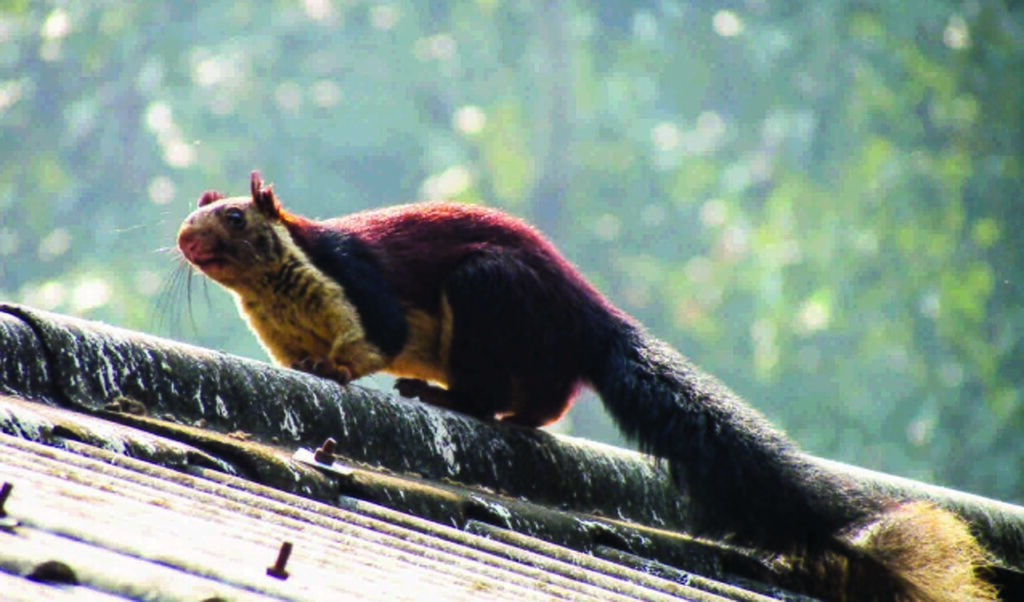
ସିମିଲିପାଲରେ ୪୨ ପ୍ରଜାତିର ସ୍ତନ୍ୟପାୟୀ, ୨୪୨ ପ୍ରଜାତିର ପକ୍ଷୀ, ଓ ୩୦ ପ୍ରଜାତିର ସରୀସୃପ ଅଛନ୍ତି। ପ୍ରମୁଖ ସ୍ତନ୍ୟପାୟୀ: ବାଘ, ହାତୀ, ଗୟଳ (ଇଣ୍ଡିଆନ୍ ବାଇସନ୍), ଚିତା ବାଘ, ସମ୍ବର ହରିଣ, ଭୁଲୁଆ ହରିଣ, ଚୌଶିଂଘା (ଚାରିଶିଙ୍ଘା ହରିଣ), ବଣୁଆ ଗାଈ, ବଣୁଆ ପଶୁ, ବଡ଼ କେଉତ୍, ଓ ହନୁ ମାଙ୍କଡ଼।Simlipal hosts 42 mammal species, 242 bird species, and 30 reptile species. Major mammals: tiger, Asian elephant, gaur (Indian bison), leopard, sambar deer, barking deer, chausingha (four-horned antelope), wild boar, giant squirrel, and common langur.
ପକ୍ଷୀମାନଙ୍କ ମଧ୍ୟରେ ଲାଲ ବଣକୁକୁଡ଼ା, ପାହାଡ଼ୀ ମୈନା, ମୟୂର, ଶିଖାଯୁକ୍ତ ସାପ ଧରା ଚିଲ, ଧଳା ବାରହା, କାଠହଣା (ହର୍ଣ୍ଣବିଲ୍), ଏବଂ ମାଲାବାର ପାଦଚିହ୍ନା ବାରହା ଦେଖାଯାନ୍ତି। ମଗର କୁମ୍ଭୀର ପ୍ରକଳ୍ପ (୧୯୭୯ରୁ ରାମତୀର୍ଥଠାରେ) ମଗର କୁମ୍ଭୀରଙ୍କୁ ସୁରକ୍ଷିତ ରଖିଛି।Birds include red junglefowl, hill mynah, peafowl, crested serpent eagle, grey hornbill, Indian pied hornbill, and Malabar pied hornbill. The Mugger Crocodile Management Programme (since 1979 at Ramatirtha) has protected mugger crocodiles successfully.
ଉଦ୍ଭିଦ ଓ ବନସ୍ପତିFlora & Plant Life
ସିମିଲିପାଲ ୧,୦୭୬ ପ୍ରଜାତିର ଉଦ୍ଭିଦ (୧୦୨ ପରିବାରର) ଘର। ଏହା Eastern Highlands ଆର୍ଦ୍ର ପର୍ଣ୍ଣମୋଚନ ବନ ଅଞ୍ଚଳରେ ଅବସ୍ଥିତ। ମୁଖ୍ୟତଃ ସାଲ ବଣ, ଗ୍ରୀଷ୍ମକାଳୀନ ପର୍ଣ୍ଣମୋଚନ ବନ, ଓ ଘାସଭୂମି। ୯୬ ପ୍ରଜାତିର ଅର୍କିଡ୍ ମିଳେ। ବହୁତ ଔଷଧୀୟ ଓ ସୁଗନ୍ଧିତ ଉଦ୍ଭିଦ ଅଛି ଯାହା ଆଦିବାସୀମାନେ ବ୍ୟବହାର କରନ୍ତି।Simlipal is home to 1,076 plant species across 102 families, in the Eastern Highlands moist deciduous forests ecoregion. It features mainly sal forests, tropical moist deciduous forests, grasslands, and savannas. 96 orchid species grow here. Numerous medicinal and aromatic plants support tribal livelihoods.
ଜଳପ୍ରପାତ — ସିମିଲିପାଲର ଜଳରାଣୀWaterfalls — The Water Queens of Simlipal
ବାରିହିପାଣି (୨୧୭ ମି / ୩୯୯ ମି ଦୁଇ-ଧାପ) ଭାରତର ଦ୍ୱିତୀୟ ଉଚ୍ଚତମ ଜଳପ୍ରପାତ। ଝୋରଣ୍ଡା (୧୫୦-୧୮୧ ମି) ଏକ ବିଶାଳ ପ୍ରପାତ। ଅନ୍ୟ ଜଳପ୍ରପାତ: ଉସକି, ଦେବକୁଣ୍ଡ (ପବିତ୍ର ଜଳପ୍ରପାତ), ଉଗ୍ରମୁଖ, ଓ ସୀତାକୁଣ୍ଡ। ବର୍ଷା ଋତୁରେ ଏଗୁଡିକ ସବୁଠାରୁ ମନୋରମ।Barehipani (217m / 399m two-tier) is India’s second-highest waterfall. Joranda (150-181m) is a majestic cascade. Other waterfalls: Uski, Devkund (sacred falls with natural pools), Ugramukh, and Sitakund. Most spectacular during monsoon season.
ଆଦିବାସୀ ସଂସ୍କୃତି ଓ ଐତିହ୍ୟTribal Culture & Heritage
ସିମିଲିପାଲରେ ୧୨ଟି ଆଦିବାସୀ ଗୋଷ୍ଠୀ ବାସ କରନ୍ତି — ସାନ୍ତାଲ, ହୋ, ମୁଣ୍ଡା, କୋଲା, ଭୂମିଜ, ଗୋଣ୍ଡ, ଭାତୁଡି ଇତ୍ୟାଦି। ତିନୋଟି ବିଶେଷ ଅଣ୍ଡେନ୍ଜର୍ଡ (PVTG) ଗୋଷ୍ଠୀ — ଖଡ଼ିଆ, ମାଙ୍କିଡ଼ିଆ ଓ ଲୋଧା — ଏହି ବଣରେ ନିର୍ଭରଶୀଳ। ମାଙ୍କିଡ଼ିଆ ଏକ ଯାୟାବର ଆଦିବାସୀ ଗୋଷ୍ଠୀ ଯେଉଁମାନେ ବଣରୁ ଫଳ, ମହୁଆ, ଓ ଶିକାର ଉପରେ ନିର୍ଭର କରନ୍ତି।Twelve tribal communities live in Simlipal — Santhal, Ho, Munda, Kolha, Bhumija, Gond, Bhatudi, and more. Three Particularly Vulnerable Tribal Groups (PVTGs) — Khadia, Mankidia, and Lodha — depend on the forest. Mankidia is a nomadic tribe that relies on forest produce, mahua, and traditional hunting.
ଆଦିବାସୀମାନେ ଅଖଣ୍ଡ ଶିକାର ପରମ୍ପରା, ସୋହରାଇ (ଫସଲ ଉତ୍ସବ) ନୃତ୍ୟ, ଓ ହାଣ୍ଡିଆ (ଚାଉଳ ବିୟର) ପ୍ରସ୍ତୁତ କରନ୍ତି। ସେମାନଙ୍କ ଔଷଧୀୟ ଜ୍ଞାନ ୯୬ ପ୍ରଜାତିର ଅର୍କିଡ୍ ସହିତ ଜଡିତ। ଅଠାରା ଦେଉଳ ଓ ସାଲ ଗଛ ସେମାନଙ୍କ ପବିତ୍ର ସ୍ଥାନ।Tribes practice akhand shikar (traditional hunting), celebrate Soharai harvest festival with dance, and brew handia (rice beer). Their medicinal knowledge involves 96 orchid species. Sacred sites like Athara Deula and Sal trees hold deep spiritual significance.
ଇତିହାସ ଓ ସଂରକ୍ଷଣHistory & Conservation
ସିମିଲିପାଲ ପୂର୍ବେ ମୟୂରଭଞ୍ଜ ରାଜାଙ୍କ ଶିକାର ଭୂମି ଥିଲା (୧୯୫୬ ପର୍ଯ୍ୟ୍ତ)। ୧୯୫୬ରେ ରାଜ୍ୟ ଭାରତରେ ମିଶିଲା ପରେ ଏହା ସଂରକ୍ଷିତ ହେଲା। ୧୯୭୩: ବାଘ ସଂରକ୍ଷଣ କ୍ଷେତ୍ର (Project Tiger), ୧୯୭୯: ବନ୍ୟଜୀବ ଅଭୟାରଣ୍ୟ (୨,୨୦୦ ବର୍ଗ କି.ମି), ୧୯୮୦: ଜାତୀୟ ଉଦ୍ୟାନ, ୧୯୮୬: ୮୪୫.୭୦ ବର୍ଗ କି.ମି ପର୍ଯ୍ୟ୍ତ ବିସ୍ତାର, ୧୯୯୪: ଜୈବମଣ୍ଡଳ ସଂରକ୍ଷଣ, ୨୦୦୯: UNESCO ଜୈବମଣ୍ଡଳ ସଂରକ୍ଷଣ।Simlipal was the royal hunting ground of Mayurbhanj kings until 1956. Timeline: 1973 — Tiger Reserve (Project Tiger), 1979 — Wildlife Sanctuary (2,200 sq km), 1980 — National Park, 1986 — Expanded to 845.70 sq km, 1994 — Biosphere Reserve, 2009 — UNESCO Biosphere Reserve.
୨୦୨୧ରେ ବିରାଟ ଅଗ୍ନିକାଣ୍ଡ ହେଲା — ୨ ସପ୍ତାହରୁ ଅଧିକ ଜଳିଲା, ପ୍ରାଣୀମାନେ ଗାଁକୁ ପଳାଇଲେ। ବର୍ତ୍ତମାନ AI କ୍ୟାମେରା-ଟ୍ରାପ୍, ଡ୍ରୋନ୍ ନିରୀକ୍ଷଣ, ଓ ଇଲେକ୍ଟ୍ରିକ୍ ଜିପ୍ ସଫାରି (୨୦୨୫) ବ୍ୟବହାର ହେଉଛି। ବିଶ୍ୱର ପ୍ରଥମ ମେଲାନିଷ୍ଟିକ୍ ବାଘ ସଫାରି ପ୍ରସ୍ତାବିତ।In 2021, massive forest fires burned for over 2 weeks, forcing wildlife into nearby villages. Now AI camera traps, drone monitoring, and electric jeep safaris (2025) are deployed. The world’s first melanistic tiger safari has been proposed.
ଯାତ୍ରା ସୂଚନାTravel Information
ଭ୍ରମଣ ସମୟ: ନଭେମ୍ବର ୧ରୁ ଜୁନ୍ ୧୫। ଶୀତ (ନଭେମ୍ବର-ଫେବୃଆରୀ, ୧୦-୨୫°C) ସଫାରି ପାଇଁ ଆଦର୍ଶ, ଗ୍ରୀଷ୍ମ (ମାର୍ଚ୍ଚ-ମଇ, ୨୦-୩୫°C) ଜଳପ୍ରପାତ ଟ୍ରେକିଂ ପାଇଁ। ଜୁନ୍ ୧୬ରୁ ଅକ୍ଟୋବର ୩୧ ବନ୍ଦ।Season: November 1 to June 15. Winter (Nov-Feb, 10-25°C) ideal for safaris, summer (Mar-May, 20-35°C) for waterfall treks. June 16 to October 31 closed.
କିପରି ଯିବେ: ବିମାନ: ଭୁବନେଶ୍ୱର (୨୭୦ କି.ମି), ଟ୍ରେନ୍: ବାଲେଶ୍ୱର (୬୦ କି.ମି) ବା ବାରିପଦା (୫୦ କି.ମି), ରାସ୍ତା: NH18 ଦ୍ୱାରା ଯାଶିପୁର (୨୫୦ କି.ମି)। ପ୍ରବେଶ: ଯାଶିପୁର/ଲୁଲୁଙ୍ଗ ଗେଟ୍।How to reach: Air: Bhubaneswar (270km), Train: Balasore (60km) or Baripada (50km), Road: NH18 to Jashipur (250km). Entry via Jashipur/Lulung gates.
କାର୍ଯ୍ୟକଳାପ: ଜିପ୍ ସଫାରି (₹୨,୫୦୦-୪,୦୦୦, ୩-୪ ଘଣ୍ଟା), ବାରିହିପାଣି ଟ୍ରେକିଂ (୪ କି.ମି), ଚିଡ଼ିଆ ଦେଖା (୨୫୦+ ପ୍ରଜାତି), ଆଦିବାସୀ ଗାଁ ଭ୍ରମଣ, ସିମିଲିପାଲ ମହୋତ୍ସବ (ଫେବୃଆରୀ)।Activities: Jeep safari (₹2,500-4,000, 3-4 hrs), Barehipani trek (4km), birdwatching (250+ species), tribal village visits, Simlipal Mahotsav festival (February).
ନିକଟସ୍ଥ ସ୍ଥାନ: ବାରିପଦା (୫୦ କି.ମି — ରାଜପ୍ରାସାଦ), ଖିଚିଂ (୮୦ କି.ମି — ମା କିଚକେଶ୍ୱରୀ ମନ୍ଦିର), ଦେଓକୁଣ୍ଡ ଜଳପ୍ରପାତ (୬୦ କି.ମି)।Nearby: Baripada (50km — royal palace), Khiching (80km — 10th-century Kichakeswari Temple), Deokund waterfall (60km).