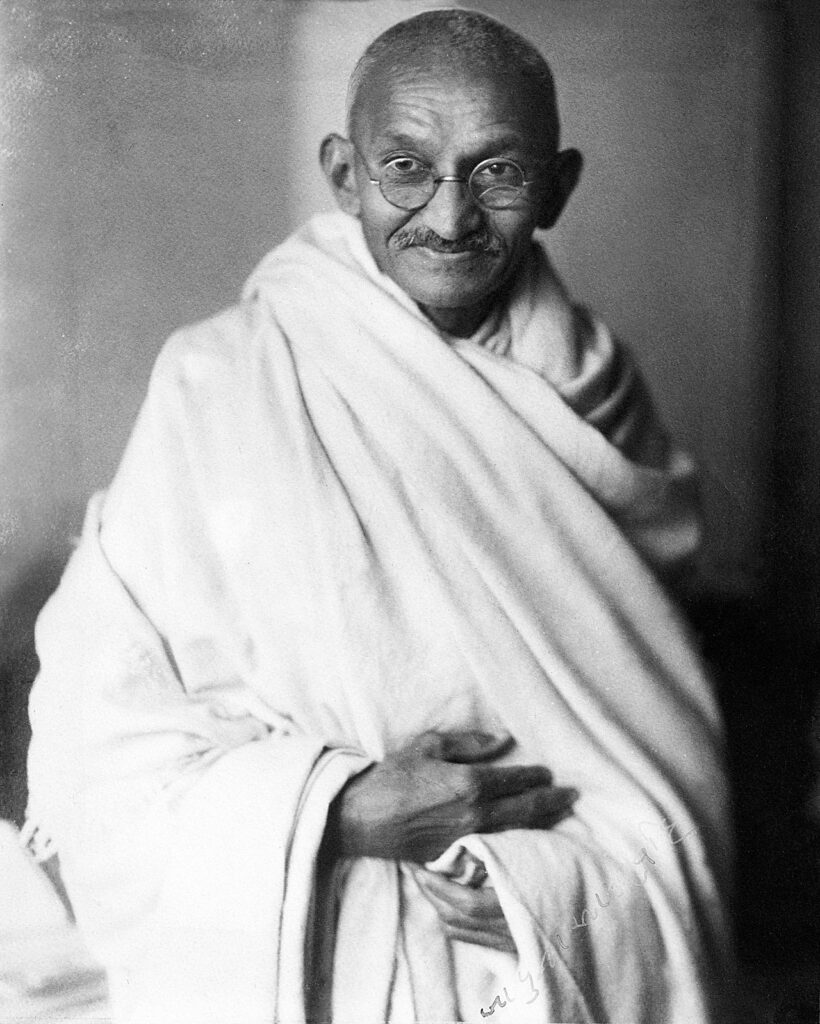
ମହାତ୍ମା ଗାନ୍ଧୀ ଓ ଓଡ଼ିଶା
ଗାନ୍ଧୀଜୀ ୧୯୨୧ରୁ ୧୯୪୬ ମଧ୍ୟରେ ସାତ ଥର ଓଡ଼ିଶା ଗସ୍ତ କରିଥିଲେ — ପ୍ରଥମ ଗସ୍ତ ୧୯୨୧ ମସିହା ମାର୍ଚ୍ଚରେ କଟକଠାରେ। ପ୍ରତ୍ୟେକ ଗସ୍ତ ଓଡ଼ିଶାର ସ୍ୱାଧୀନତା ସଂଗ୍ରାମକୁ ନୂଆ ଗତି ଦେଲା — ଅସହଯୋଗ, ଲବଣ ସତ୍ୟାଗ୍ରହ, ହରିଜନ ସେବା ଆନ୍ଦୋଳନ ସବୁ ଓଡ଼ିଶାରେ ଜନାକର୍ଷଣ ପାଇଲା।
ସ୍ମରଣୀୟ ସଂଯୋଗ
- ୧୯୩୪: ହରିଜନ ପଦଯାତ୍ରା — ପୁରୀରୁ ଭଦ୍ରକ ପର୍ଯ୍ୟନ୍ତ ପାଦରେ।
- ଓଡ଼ିଶାର ଗାନ୍ଧିବାଦୀ ନେତା — ଗୋପବନ୍ଧୁ ଦାସ (ଉତ୍କଳମଣି), ନବକୃଷ୍ଣ ଚୌଧୁରୀ, ମାଳତୀ ଦେବୀ।
ଓଡ଼ିଶାର ସ୍ୱାଧୀନତା ସଂଗ୍ରାମ ପରମ୍ପରା — ପାଇକ ବିଦ୍ରୋହ (୧୮୧୭)ରୁ ଆରମ୍ଭ — ଇତିହାସ ପ୍ରସଙ୍ଗରେ ବିସ୍ତାରିତ।
In English
Mahatma Gandhi and Odisha: A Sacred Bond of Freedom and Fraternity
The relationship between Mahatma Gandhi and Odisha stands as one of the most profound chapters in the history of India’s freedom struggle. When Gandhi first set foot on Odia soil in 1921, he found a land rich in cultural heritage but burdened under the yoke of colonial exploitation and feudal oppression. Over the next two and a half decades, Gandhi visited Odisha as many as eight times, each visit leaving an indelible imprint on the consciousness of the Odia people. The connection was not merely political; it was deeply spiritual and transformative, reshaping the social fabric of the region and galvanizing millions into the national movement for independence.
Gandhiji’s Visits to Odisha: Eight Journeys That Changed a Nation
Mahatma Gandhi’s first visit to Odisha on March 23, 1921, marked the beginning of a revolutionary era in the state’s history. Arriving at Cuttack, he was greeted by an unprecedented gathering of men, women, and children who had traveled from far-flung villages to catch a glimpse of the Mahatma. His message of non-cooperation resonated deeply with the Odia masses, who had long felt marginalized by both British rule and the neglect of the colonial administration. Gandhi addressed massive gatherings at Cuttack, Puri, and other towns, urging the people to boycott foreign goods, surrender government titles, and embrace swadeshi as a way of life. The response was overwhelming, with hundreds of students leaving government schools and lawyers giving up their practices in response to his call.
His subsequent visits in 1925, 1927, 1928, 1934, 1936, 1937, and 1946 each carried a specific purpose and message. During his 1927 visit, Gandhi focused on the grievances of the Odia people regarding the merger of Odia-speaking tracts, lending his powerful support to the demand for a separate Odisha province. His intervention proved pivotal, and when Odisha was carved out as a separate province on April 1, 1936, Gandhi’s visit to the new state in 1937 was celebratory yet cautionary, as he reminded the people that political freedom without social reform was meaningless. His final visit in 1946, just a year before independence, was an emotional moment where he assessed the ground reality of communal harmony and prepared the people for the challenges of a free India.
The Salt Satyagraha at Inchudi: Odisha’s Dandi
When Gandhi launched the historic Salt Satyagraha by marching from Sabarmati Ashram to Dandi in 1930, the echo of that defiant footsteps reached the shores of Odisha with equal force. The salt satyagraha at Inchudi in Balasore district stands as one of the most significant chapters of civil disobedience in eastern India, often referred to as the Dandi of Odisha. On April 6, 1930, under the leadership of eminent freedom fighters like Gopabandhu Choudhury, Ramadevi Choudhury, Acharya Harihar, and Surendranath Das, thousands of villagers marched towards the Inchudi salt pans to break the oppressive salt law.
The Inchudi satyagraha was remarkable for several reasons. It saw massive participation of women, which was unprecedented in the political history of Odisha. Ramadevi Choudhury, who would later be known as the Mother of Odia freedom movement, led a contingent of women satyagrahis who braved lathi charges and imprisonment with extraordinary courage. The salt manufactured at Inchudi was auctioned, and the proceeds were sent to the national fund, symbolizing the integration of Odisha’s struggle with the larger national movement. The British administration responded with brutal repression, arresting hundreds of satyagrahis and imposing heavy fines on villages that supported the movement. Similar salt satyagrahas were simultaneously organized at Huma in Ganjam district and other coastal areas, demonstrating that Gandhi’s call for civil disobedience had penetrated every corner of Odisha.
Odia Participation in the Independence Movement
The participation of Odia people in the independence movement was both extensive and intense, inspired largely by Gandhi’s philosophy of satyagraha and non-violence. From the Non-Cooperation Movement of 1920-22 to the Quit India Movement of 1942, Odisha witnessed wave after wave of popular mobilization that shook the foundations of British authority in the region. The quit India movement in Odisha was particularly militant, with parallel governments being established in parts of Ganjam, Cuttack, and Puri districts. Leaders like Gopabandhu Das, Harekrushna Mahatab, Nilakantha Das, Godabarish Mishra, and Nabakrushna Choudhury mobilized the masses through a combination of nationalist fervor and Gandhian ideology.
The youth of Odisha responded to Gandhi’s call with remarkable enthusiasm. Students left educational institutions in droves, and young men and women joined underground revolutionary activities alongside the mainstream non-violent movement. The Prajamandal movement in the princely states of Odisha, which sought to end the feudal autocracy of native rulers, drew direct inspiration from Gandhi’s struggles against colonial oppression. The Garhjat Prajamandal movement in the princely states of Mayurbhanj, Dhenkanal, Talcher, and other states witnessed fierce confrontations between the people and the ruling elites, many of whom were British stooges. The tribal communities of Odisha, particularly in Koraput, Kalahandi, and Gangpur, also joined the freedom struggle, linking their grievances against exploitation with the larger national demand for independence.
The Harijan Movement and Social Transformation in Odisha
Perhaps the most socially revolutionary aspect of Gandhi’s association with Odisha was his campaign for the upliftment of Harijans, as he called the marginalized Dalit communities. Gandhi’s Harijan movement in Odisha challenged centuries of caste-based discrimination and untouchability that had plagued Odia society. During his 1934 tour of Odisha, which was primarily focused on Harijan welfare, Gandhi visited several Harijan bastis in Cuttack, Puri, and other towns, personally cleaning the lanes and wells to demonstrate that untouchability was a sin that had to be eradicated from the hearts of the people.
The impact of Gandhi’s Harijan campaign in Odisha was far-reaching. The temple entry movement, which sought to end the exclusion of Dalits from Hindu temples, found strong resonance in Odisha. The historic movement to open the gates of the Jagannath Temple in Puri to all Hindus, regardless of caste, drew direct inspiration from Gandhi’s teachings. Leaders like Gopabandhu Das and Bhagirathi Mahapatra championed the cause of Harijan emancipation, establishing schools and hostels for Dalit children and working to eradicate the practice of untouchability in everyday life. Gandhi’s associate, Thakkar Bapa, also made significant contributions to the Harijan welfare work in Odisha, conducting extensive surveys of Harijan conditions and establishing welfare institutions. The movement faced stiff resistance from orthodox sections, but it gradually succeeded in creating a consciousness against caste discrimination that would shape Odia social politics for decades to come.
Khadi Promotion and the Economic Awakening of Odisha
Gandhi’s promotion of Khadi in Odisha was not merely an economic program; it was a comprehensive philosophy of self-reliance, dignity, and resistance against colonial exploitation. Odisha, with its rich tradition of handloom weaving, provided fertile ground for the Khadi movement. Gandhi recognized that the handloom weavers of Odisha, particularly in Sambalpur, Bargarh, Boudh, and Cuttack, had been devastated by the import of cheap British manufactured textiles, and he saw Khadi as the means to revive both their economic fortunes and their self-respect.
The establishment of the Utkal Khadi and Village Industries Centre at Hatibari in Sambalpur, initially nurtured by the legendary freedom fighter Padmashree Kunjabihari Meher, became a beacon of the Khadi movement in eastern India. Gandhi personally encouraged the promotion of Odisha’s unique handloom products, including the famous Sambalpuri ikat, Bomkai, and Berhampuri silks, linking them to the broader swadeshi ideology. The spinning wheel became a symbol of national pride in Odia households, and thousands of women took to spinning charkha as a daily act of patriotism. The Khadi movement also generated employment for rural artisans and weavers, providing an alternative economic model that was self-sustaining and rooted in local resources. Gandhi’s emphasis on village industries went beyond textiles to include palm gur making, oil pressing, and other traditional crafts, laying the foundation for a decentralized rural economy that would remain relevant long after independence.
Legacy and Lasting Impact
The legacy of Mahatma Gandhi’s relationship with Odisha extends far beyond the boundaries of the freedom struggle. It shaped the political culture, social consciousness, and economic thinking of the state in fundamental ways. The principles of non-violence, truth, and satyagraha that Gandhi implanted in the Odia psyche influenced generations of political leaders, social reformers, and common citizens. The integration of Odisha’s diverse communities, including its significant tribal population, into the national mainstream was facilitated in large measure by the Gandhian approach of inclusive politics and respect for diversity.
The institutions and movements that Gandhi inspired in Odisha, from the Khadi gramodyog centers to the Harijan welfare organizations, continued to serve the people long after independence. Leaders who emerged from the Gandhian school of thought in Odisha, such as Gopabandhu Das, who was often called the Gandhi of Odisha, Harekrushna Mahatab, Nabakrushna Choudhury, Malati Choudhury, and Ramadevi Choudhury, shaped the post-independence trajectory of the state with a commitment to democratic values, social justice, and rural development. Even today, as Odisha navigates the complexities of modernization and globalization, the Gandhian ideals of self-reliance, communal harmony, and decentralized governance continue to offer relevant frameworks for inclusive and sustainable development. Gandhi’s Odisha journey remains a testament to the power of ideas to transform societies and the enduring relevance of truth and non-violence as instruments of social change.