ମାଛେଘାଜଣିଆ: ଓଡ଼ିଶାର ଚା’ ବଗିଚା
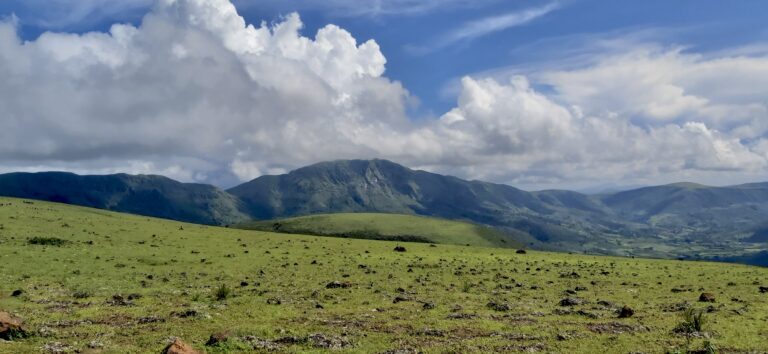
କନ୍ଧମାଳ ଜିଲ୍ଲାର ପାହାଡ଼ି ଅଞ୍ଚଳରେ ଥିବା ମାଛେଘାଜଣିଆ ଚା’ ବଗିଚା ଓଡ଼ିଶାର ସବୁଠାରୁ ପୁରାତନ ବାଣିଜ୍ୟିକ ଚା’ ଚାଷ କେନ୍ଦ୍ରମାନଙ୍କ ମଧ୍ୟରୁ ଗୋଟିଏ — ବ୍ରିଟିଶ୍ ଯୁଗରୁ ଆରମ୍ଭ। ଦାରିଙ୍ଗିବାଡି-ଫୁଲବାଣୀ ଅଞ୍ଚଳର ଶୀତଳ ଜଳବାୟୁ ଓ ଲାଲ ମାଟି ଚା’ ପାଇଁ ଆଦର୍ଶ।
ଯାତ୍ରୀ ସୂଚନା
- ଅବସ୍ଥାନ: ଦାରିଙ୍ଗିବାଡିଠାରୁ ନିକଟ; ଭୁବନେଶ୍ୱରରୁ ~୨୫୦ କିମି।
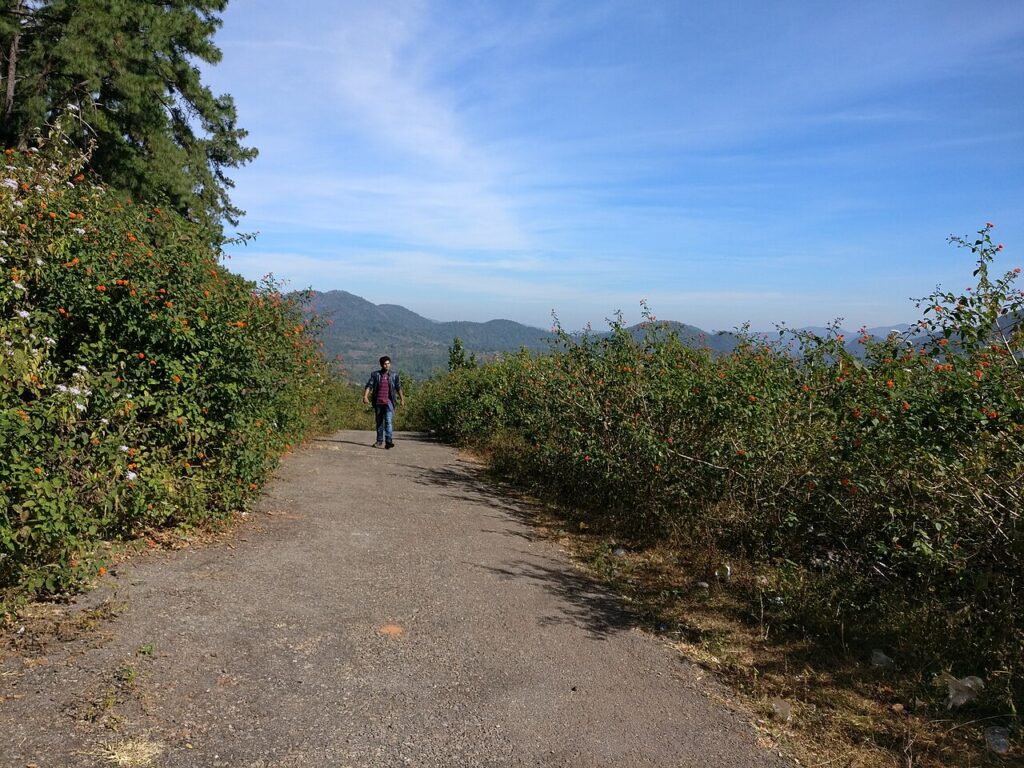
- ଦର୍ଶନୀୟ: ସବୁଜ ଚା’ ପଙ୍କ୍ତି, ପ୍ରସେସିଂ ୟୁନିଟ୍, ପାହାଡ଼ି ଦୃଶ୍ୟ।
- ମିଳିତ ଭ୍ରମଣ: “ଓଡ଼ିଶାର କାଶ୍ମୀର” ଦାରିଙ୍ଗିବାଡି — ଦେବଦାରୁ ଅରଣ୍ୟ ଓ ଶୀତରେ ଶୀତଳତା।
ଓଡ଼ିଶାର ପାହାଡ଼ି ପର୍ଯ୍ୟଟନ କୋରାପୁଟ ଅଞ୍ଚଳ ସହ ମିଶି ଏକ ନୂଆ ଧାରା ଆଣିଛି — କଫି ବଗିଚା, ଚା’ ବଗିଚା ଓ ଆଦିବାସୀ ସଂସ୍କୃତି।
In English
Machhaghagharia Waterfall: Odisha’s Best-Kept Secret
Deep within the undulating landscapes of the Eastern Ghats in southern Odisha lies a spectacle that few travelers have ever witnessed — the Machhaghagharia waterfall. Tucked away in the remote corners of the Malkangiri district, this cascading marvel remains one of the most pristine and unexplored natural wonders in eastern India. The name Machhaghagharia, derived from local tribal dialects, evokes the raw, untamed spirit of the land, where water plummets from great heights onto ancient rocky outcrops, creating a symphony of sound that resonates through the surrounding forests. Unlike the more frequented waterfalls of Odisha such as Duduma or Barehipani, Machhaghagharia has managed to escape the trappings of commercial tourism, retaining an authenticity that is increasingly rare in India’s natural landscapes.
The waterfall is formed by a perennial stream that originates in the thickly forested hills of the Eastern Ghats, a range known for its geological antiquity and extraordinary biodiversity. As the stream navigates through layers of granite and gneiss — rocks that are among the oldest on the Indian subcontinent — it creates a series of cascades before the final dramatic plunge. The surrounding cliffs are adorned with mosses, ferns, and orchids, creating a vertical garden that adds to the ethereal beauty of the site. During the monsoon months, the waterfall swells to its full glory, transforming into a thundering curtain of white water that can be heard from several kilometers away. Even in the drier months, however, Machhaghagharia retains a serene charm, with gentle streams trickling over the rocks into emerald pools below.
The Tribal Heartland: Culture and Community Around Machhaghagharia
What truly sets Machhaghagharia apart from other natural attractions is its deep connection with the tribal communities that have inhabited this region for millennia. The Malkangiri district is home to several Particularly Vulnerable Tribal Groups, including the Bondas, the Didayis, and the Kondhs, each possessing distinct cultural identities, languages, and traditions that have remained largely unchanged by the forces of modernization. The area surrounding the waterfall is primarily inhabited by the Kondh tribe, who consider these forests and water sources sacred elements of their cosmology. For these communities, the waterfall is not merely a geographical feature but a living entity intertwined with their folklore, rituals, and daily existence.
Visitors to Machhaghagharia have the rare opportunity to witness tribal life in its most authentic form. The villages near the waterfall are characterized by traditional mud and thatch houses arranged in clusters, surrounded by shifting cultivation fields and community forests managed through age-old customary laws. The tribal residents practice a form of animism that reveres the hills, rivers, trees, and rocks as abodes of ancestral spirits. Seasonal festivals involving dance, music, and offerings to nature deities are integral to the community calendar, and these celebrations offer a window into a worldview that prioritizes harmony with the natural environment. The local economy is sustained through a combination of forest produce collection, minor agriculture, and increasingly, through involvement in eco-tourism initiatives that provide supplementary income while preserving their cultural autonomy.
Trekking to Machhaghagharia: An Adventure Through Wilderness
Reaching Machhaghagharia is itself an adventure that demands physical endurance, patience, and a genuine spirit of exploration. There are no motorable roads that lead directly to the waterfall, and the final approach must be undertaken on foot through some of the most rugged terrain in Odisha. The primary trekking route begins from the nearest accessible village, where local tribal guides — trained under eco-tourism programs — lead visitors through dense sal and mixed deciduous forests, across seasonal streams, and along narrow ridge paths that offer breathtaking panoramic views of the surrounding valley. The trek typically takes between two to four hours depending on the starting point and the fitness level of the trekkers, covering a distance of approximately eight to twelve kilometers through varying elevations.
The trail itself is a treasure trove for nature enthusiasts. As trekkers ascend through the forest, they encounter a remarkable diversity of flora, including towering sal trees, magnificent teak specimens, and a rich understory of medicinal plants that tribal communities have used for generations. The forest floor is carpeted with fallen leaves that nurture a complex ecosystem of fungi, insects, and microorganisms. Birdwatchers will find the trek particularly rewarding, as the region hosts over two hundred species of birds, including several endemic and threatened varieties. The calls of the Malabar pied hornbill, the crested serpent eagle, and various species of drongos and flycatchers provide a constant natural soundtrack to the trek. During the winter months, butterflies of extraordinary variety — including the spectacular Southern Birdwing, India’s largest butterfly — can be observed flitting through sunlit forest clearings.
Biodiversity Hotspot: The Ecological Significance of the Region
The Machhaghagharia waterfall and its surrounding forests form part of a larger ecological corridor that is of immense conservation significance. The Eastern Ghats of southern Odisha are recognized as one of the important biodiversity hotspots in India, serving as a transitional zone between the Deccan Peninsula and the coastal plains. This geographical position has resulted in a unique assemblage of species, including several that are found nowhere else on Earth. The forests around Machhaghagharia support a viable population of mega fauna, including the Asian elephant, which uses these forest corridors for seasonal migration between different habitats. Leopard sightings, though rare, are reported by local communities, and the region supports significant populations of sloth bears, Indian bison or gaur, sambar deer, and barking deer.
The aquatic ecosystem created by the waterfall and its downstream pools is equally significant. These perennial water bodies serve as critical drinking water sources for wildlife during the dry season and support a diversity of freshwater fish, amphibians, and reptiles. The rocky crevices and moist environments around the waterfall provide ideal microhabitats for frogs and toads, several species of which are endemic to the Eastern Ghats. Recent biodiversity surveys conducted by forest department teams and research institutions have documented the presence of rare plant species in the immediate vicinity of the waterfall, including certain orchids and cycads that are classified as endangered under the IUCN Red List. The ecological integrity of this region underscores the importance of adopting sustainable tourism practices that minimize human impact on these fragile ecosystems.
Eco-Tourism in Odisha: A Growing Movement
The story of Machhaghagharia is emblematic of a broader transformation occurring across Odisha — the emergence of eco-tourism as a viable and sustainable alternative to mass tourism. The Odisha Forest Department, in collaboration with local communities and conservation organizations, has been at the forefront of this movement, developing eco-tourism destinations that prioritize ecological preservation, community participation, and authentic visitor experiences. The state’s eco-tourism model is built on the principle that conservation and livelihood generation are not opposing forces but complementary objectives that can reinforce each other when implemented with sensitivity and foresight. This approach has yielded remarkable results, transforming several remote forest areas into models of community-led conservation tourism.
The eco-tourism infrastructure in Odisha is deliberately designed to be low-impact and nature-integrated. Accommodations are typically constructed using local materials such as bamboo, mud, and thatch, blending seamlessly with the surrounding landscape. Visitor numbers are regulated through permit systems, and activities are structured to ensure minimal disturbance to wildlife and natural habitats. A significant proportion of the revenue generated from eco-tourism is channeled directly back into local communities through employment opportunities, capacity building programs, and funding for community development projects such as schools, health centers, and water supply systems. This economic linkage creates tangible incentives for communities to protect their natural heritage, effectively converting potential exploiters of forest resources into dedicated conservationists.
Key Eco-Tourism Destinations Across Odisha
Odisha’s eco-tourism portfolio extends far beyond Machhaghagharia, encompassing a diverse range of destinations that showcase the state’s extraordinary ecological and cultural wealth. The Similipal Tiger Reserve in Mayurbhanj district stands as the crown jewel of Odisha’s eco-tourism network. Spread over nearly 2,750 square kilometers of undulating terrain, Similipal is one of the largest contiguous protected areas in eastern India and harbors an incredible diversity of ecosystems, from tropical moist deciduous forests to high-altitude grasslands. The reserve is home to the world’s only melanistic or black tiger population, a genetic marvel that has attracted international scientific attention. Eco-tourism facilities at Similipal include nature camps at locations such as Jamuani, Gudgudia, and Ramatirtha, where visitors can experience guided forest trails, wildlife safaris, and interactions with the local Mankidia and Khadia tribal communities.
The Bhitarkanika National Park, located in the Kendrapara district, offers an entirely different but equally compelling eco-tourism experience. This mangrove ecosystem, second in size only to the Sundarbans in India, is a labyrinth of tidal creeks, mudflats, and dense mangrove forests that support the largest population of saltwater crocodiles in the country. Bhitarkanika is also a critically important nesting site for Olive Ridley sea turtles, and its wetlands host over 260 species of birds, including eight species of kingfishers and the rare white-bellied sea eagle. The eco-tourism experience here revolves around boat rides through the mangrove creeks, guided walks along nature trails, and visits to ancient temples and hermitages that are interspersed within the forest landscape, creating a unique fusion of natural and spiritual heritage.
More Eco-Tourism Gems: From Chilika to Satkosia
Chilika Lake, Asia’s largest brackish water lagoon, represents yet another facet of Odisha’s eco-tourism offerings. Designated as a Ramsar Wetland of International Importance, Chilika is a paradise for birdwatchers, with over a million migratory birds visiting the lake during the winter months from as far as the Caspian Sea, Lake Baikal, and the Himalayan highlands. The lagoon is also home to the only known population of the endangered Irrawaddy dolphin in India. Eco-tourism initiatives at Chilika, centered around locations such as Satapada, Mangalajodi, and Rambha, offer boat-based wildlife viewing, community-guided birdwatching tours, and homestay experiences that allow visitors to immerse themselves in the traditional fishing culture of the lake’s shoreline communities. The transformation of Mangalajodi from a bird hunting ground to a conservation success story, driven entirely by community initiative, is one of the most inspiring eco-tourism narratives in India.
The Satkosia Tiger Reserve, straddling the mighty Mahanadi River in Angul and Nayagarh districts, is another premier eco-tourism destination that combines spectacular scenery with rich biodiversity. The gorge formed by the Mahanadi as it cuts through the Eastern Ghats creates a dramatic landscape of steep cliffs, dense forests, and deep river pools. Satkosia is notable for its successful gharial conservation program and its population of fresh water turtles, in addition to tigers, elephants, and leopards. The eco-tourism infrastructure at Satkosia includes nature camps at locations such as Tikarapada, Purunakote, and Labangi, where activities range from river rafting and angling to forest treks and night safaris. The Mahanadi itself becomes a highway for exploration, with boat rides offering opportunities to spot crocodiles basking on sandbars, otters playing in the shallows, and an extraordinary array of water birds along the riverbanks.
Lesser-Known Eco-Tourism Destinations Worth Exploring
Beyond these well-established destinations, Odisha boasts several lesser-known eco-tourism sites that reward the intrepid traveler with equally memorable experiences. The Debrigarh Wildlife Sanctuary, located on the banks of the Hirakud Reservoir in Sambalpur district, is a hidden gem that offers excellent wildlife viewing opportunities, including sightings of Indian bison, sloth bears, and wild boars, against the backdrop of one of the world’s longest earthen dams. The nature camps at Debrigarh, particularly Barkhandia and Lapanga, provide comfortable accommodation while maintaining an intimate connection with the surrounding wilderness. Similarly, the Karlapat Wildlife Sanctuary in Kalahandi district, with its picturesque waterfalls and dense bamboo forests, offers a tranquil retreat far from tourist crowds, with the added attraction of the ancient Buddhist heritage sites nearby at Junagarh and Asurgarh.
The Gandhamardan Hill ranges in Bargarh and Balangir districts represent another fascinating eco-tourism destination that seamlessly blends natural beauty with cultural and spiritual significance. These hills are home to over five hundred species of medicinal plants, many of which are used in traditional Ayurvedic preparations, and are dotted with ancient temples and hermitages associated with the Ramayana epic. The trek to the Nrusinghanath temple at the base of the Gandhamardan hills passes through forests rich in biodiversity and offers stunning views of the surrounding plains. The nearby Harishankar temple, situated at the confluence of two streams, provides a serene setting for contemplation and nature appreciation. These sites demonstrate how Odisha’s eco-tourism model successfully integrates ecological, cultural, and spiritual dimensions into a cohesive visitor experience.
The Future of Eco-Tourism at Machhaghagharia and Beyond
The inclusion of Machhaghagharia within Odisha’s expanding eco-tourism network holds immense promise for the local tribal communities and the conservation of the region’s biodiversity. Preliminary discussions between the forest department, local community leaders, and eco-tourism planners have focused on developing a carefully regulated tourism framework that leverages the waterfall’s natural and cultural assets without compromising its ecological integrity. Proposed initiatives include the establishment of a community-managed nature camp in a nearby village, the training of local youth as certified nature guides, the development of marked trekking trails with interpretation signage, and the creation of homestay facilities that allow visitors to experience tribal hospitality firsthand. Revenue sharing mechanisms are being designed to ensure that the economic benefits of tourism are distributed equitably among community members.
The challenge ahead lies in striking the delicate balance between accessibility and preservation. Machhaghagharia’s appeal lies precisely in its remoteness and untouched character, and any tourism development must be calibrated to maintain these qualities. The lessons learned from Odisha’s more established eco-tourism destinations — both the successes and the occasional missteps — will be invaluable in guiding the development of Machhaghagharia and similar emerging sites. If managed with the sensitivity and community-centered approach that has become the hallmark of Odisha’s eco-tourism model, Machhaghagharia has the potential to become not just a destination but a symbol — a testament to the proposition that India’s most beautiful places can be shared with the world without being diminished by the sharing. In an era of rampant over-tourism and environmental degradation, such a model offers hope and a pathway forward for conservation-driven tourism across the country.