କୁଚିଣ୍ଡ ଝରଣା: ପ୍ରକୃତିର ଅଜାଣା ସୌନ୍ଦର୍ଯ୍ୟ
ସମ୍ବଲପୁର ଜିଲ୍ଲାର କୁଚିଣ୍ଡ ଅଞ୍ଚଳ ଓଡ଼ିଶାର ଅନୁନ୍ୟସ୍ରୁତ ପ୍ରାକୃତିକ ସମ୍ପଦର ଭଣ୍ଡାର — ଘଞ୍ଚ ଅରଣ୍ୟ, ପାହାଡ଼ି ନାଳ ଓ ଛୋଟ ଛୋଟ ଝରଣା। ବର୍ଷା ପରେ (ଅକ୍ଟୋବର-ଡିସେମ୍ବର) ଏଠାରେ ଜଳ ପ୍ରବାହ ଶିଖରରେ ଥାଏ; ଶୀତରେ ପିକନିକ ପାଇଁ ଆଦର୍ଶ।
ଯାତ୍ରୀ ସୂଚନା
- ଅବସ୍ଥାନ: ସମ୍ବଲପୁର-ବୋରଗଡ଼ ପଥରେ; ସମ୍ବଲପୁରଠାରୁ ~୬୦ କିମି।
- ନିକଟତମ ସ୍ଥାନ: ଦେଓଗଡ଼ ଓ ପ୍ରଧାନପାଟ ଝରଣା।
- ଓଡ଼ିଶାର ଅନ୍ୟ ଝରଣାମାନ — ସମ୍ପୂର୍ଣ୍ଣ ତାଲିକା।
ସ୍ଥାନୀୟ ପ୍ରଶାସନ ଏବେ ପ୍ରଚାର ଆରମ୍ଭ କରିଛି; ପଶ୍ଚିମ ଓଡ଼ିଶା ପର୍ଯ୍ୟଟନର ନୂଆ ମାନଚିତ୍ରରେ କୁଚିଣ୍ଡ ଏକ ନାମ ହୋଇଉଠୁଛି।
In English
The Enchanting Kuchinda Waterfall: A Hidden Gem of Western Odisha
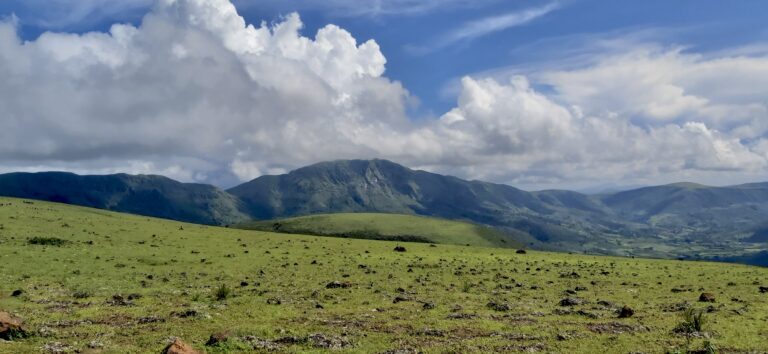
Tucked away in the verdant landscapes of Sambalpur district, the Kuchinda waterfall stands as one of the most mesmerizing yet relatively unexplored natural wonders of Odisha. Cascading from a considerable height amidst dense tropical deciduous forests, this waterfall creates a spectacular sight during and after the monsoon months when the water volume reaches its peak. The surrounding terrain, characterized by rugged hills, deep gorges, and lush greenery, adds an element of pristine wilderness that is increasingly rare in India’s popular tourist circuits. What makes Kuchinda particularly special is its raw, untouched character, where nature presents itself without commercial trappings or artificial enhancements. The journey to reach the waterfall itself is an adventure, winding through forest trails that offer glimpses of Odisha’s rich biodiversity and the traditional way of life prevalent in this region.
Geological Formation and Hydrological Significance
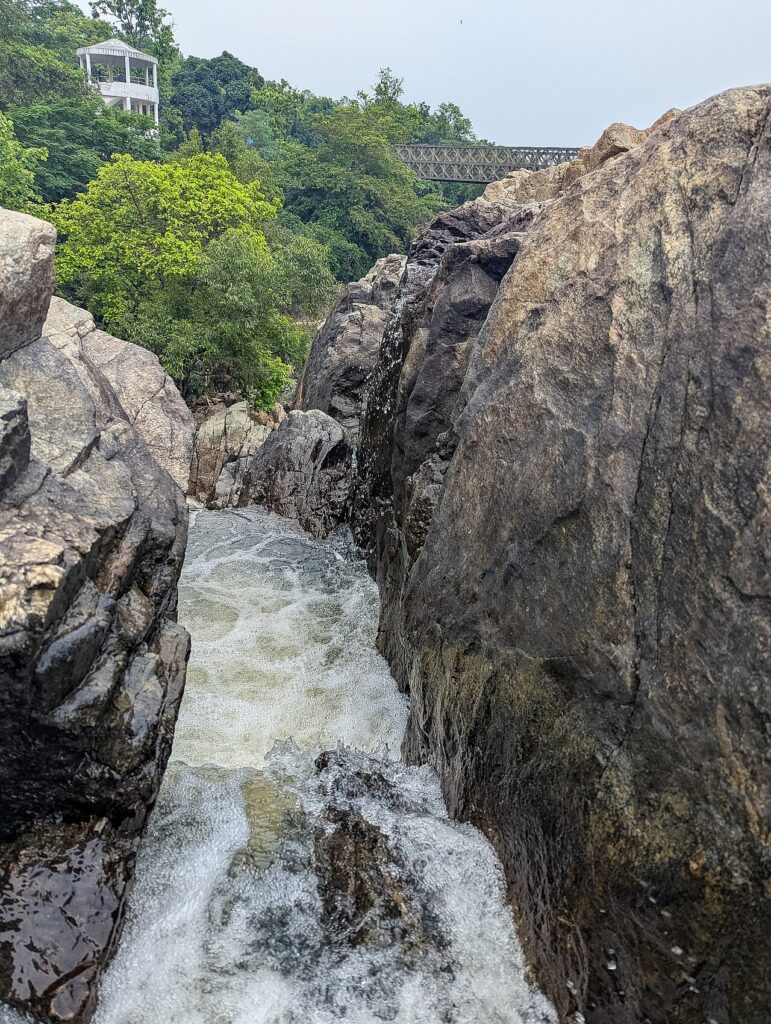
The Kuchinda waterfall owes its existence to the unique geological formations typical of the Chota Nagpur Plateau region that extends into western Odisha. The rock formations here primarily consist of granites, gneisses, and other metamorphic rocks dating back to the Precambrian era, creating natural shelves and ledges over which streams cascade with remarkable force. The watershed area feeding the waterfall encompasses several seasonal and perennial streams that originate from the surrounding hill ranges. During the monsoon season, from June to September, these water channels swell significantly, transforming the waterfall into a thundering cascade that can be heard from considerable distances. The hydrological cycle here plays a crucial role in maintaining the ecological balance of the region, supporting downstream agricultural activities and replenishing groundwater tables that sustain local communities throughout the year.
Flora and Fauna Around Kuchinda
The forest ecosystem surrounding Kuchinda waterfall represents a remarkable repository of biological diversity that has flourished largely due to limited human interference. The predominant vegetation includes sal forests, which form the climax community in this region, interspersed with bamboo groves, simul, asan, and various medicinal plants that have been traditionally used by local tribal communities for generations. The undergrowth is rich in ferns, orchids, and mosses that thrive in the humid microclimate created by the waterfall’s perpetual spray. Wildlife enthusiasts can spot various species of birds including hornbills, paradise flycatchers, and several species of woodpeckers that inhabit these forests. The area also serves as habitat for mammals such as sloth bears, leopards, wild boars, and spotted deer, though sightings require patience and careful observation. Reptilian life is abundantly represented with numerous species of snakes, lizards, and during certain seasons, one might encounter freshwater turtles in the pools formed at the waterfall’s base.
Tribal Heritage and Cultural Connection to Nature
The Kuchinda region and its surrounding areas are predominantly inhabited by tribal communities, particularly the Kisan, Gond, Oraon, and Munda tribes who have lived in harmony with these forests for centuries. For these communities, the waterfall and surrounding forests are not merely geographical features but sacred spaces deeply embedded in their cultural and spiritual worldview. Traditional beliefs attribute supernatural significance to waterfalls and deep forest pools, often associating them with ancestral spirits and deities who must be propitiated through rituals and ceremonies. The tribal communities possess an extraordinary body of traditional ecological knowledge, understanding seasonal patterns, medicinal properties of plants, and animal behavior in ways that modern science is only beginning to appreciate. Their agricultural practices, primarily shifting cultivation known locally as podu chasa, have evolved over generations to work within the constraints of the forest ecosystem, though this system faces increasing pressure from modern conservation paradigms and forest regulations.
Offbeat Tourism Potential of Western Odisha
Western Odisha, often referred to as Kosal region, represents a treasure trove of offbeat tourism opportunities that remain largely undiscovered by mainstream travelers. Beyond Kuchinda, this region harbors numerous waterfalls, each with its own distinct character and appeal. The Gandhamardan hills, straddling Bargarh and Balangir districts, are home to several spectacular waterfalls and are steeped in mythological significance as the place where Hanuman carried the Sanjivani mountain. The Hatipathar waterfall near Rayagada, the Nrusinghanath waterfall at the foothills of Gandhamardan, and the Phurlijharan waterfall near Bhawanipatna are just a few examples of the region’s incredible hydrological wealth. These destinations offer what discerning modern travelers increasingly seek: authentic experiences away from commercialized tourist hubs, opportunities for meaningful interaction with nature, and glimpses into cultures that have maintained their distinct identities despite the forces of globalization.
Forest Areas and Wildlife Corridors
The forest landscape of western Odisha forms a critical ecological corridor connecting the Eastern Ghats with the Chota Nagpur Plateau, facilitating wildlife movement and gene flow between these two significant biodiversity hotspots. The Debrigarh Wildlife Sanctuary, located on the banks of the Hirakud reservoir, represents one of the better-protected forest areas in the region and serves as a model for community-based conservation. The Sunabeda Wildlife Sanctuary in Nuapada district, encompassing the magnificent Sunabeda plateau, offers pristine grasslands and mixed forests that support significant populations of ungulates and their predators. The forests around Kuchinda and adjacent areas, while not formally designated as protected areas, form part of this larger ecological matrix that is essential for maintaining regional biodiversity. These forests face various threats including illegal logging, encroachment, and forest fires, yet they continue to demonstrate remarkable resilience and capacity for regeneration when given the opportunity.
Eco-Tourism Development: Opportunities and Challenges
The eco-tourism potential of the Kuchinda region and western Odisha generally is immense but requires careful planning and implementation to ensure sustainability. Unlike mass tourism models that prioritize visitor numbers and revenue generation, genuine eco-tourism must place ecological integrity and community welfare at its core. The region offers excellent opportunities for developing nature trails, bird watching stations, butterfly gardens, and guided treks that can provide employment to local youth while generating conservation funding. Community-based homestay initiatives, where visitors experience tribal life firsthand while contributing directly to local economies, represent another promising avenue. However, significant challenges must be addressed including inadequate infrastructure, limited awareness about eco-tourism principles among stakeholders, and the risk that increased visitor numbers could degrade the very natural qualities that attract tourists in the first place. The development of interpretation centers that educate visitors about local ecology and tribal culture could significantly enhance the tourism experience while promoting conservation values.
Seasonal Variations and Best Times to Visit
Understanding seasonal patterns is crucial for anyone planning to explore the Kuchinda waterfall and surrounding natural attractions. The monsoon season, from July to September, presents the waterfall at its most dramatic, with tremendous volumes of water cascading down the rocky cliffs. However, access during peak monsoon can be challenging due to slippery trails and swollen streams that must be crossed. The post-monsoon period, from October to November, offers perhaps the ideal visiting conditions, with the waterfall still carrying substantial flow while the weather becomes more pleasant and the forest displays a vibrant green freshness. The winter months, December to February, bring cooler temperatures and reduced water flow, but this season offers excellent opportunities for bird watching and wildlife observation as deciduous trees shed their leaves, improving visibility in the forest. The summer months, March to May, are characterized by intense heat and the waterfall may reduce to a trickle, though the forest remains interesting for those interested in observing dry season ecology and the survival strategies of local flora and fauna.
Adventure Activities and Experiential Tourism
Beyond simple sightseeing, the Kuchinda region offers considerable scope for adventure activities that could attract a growing segment of experiential travelers. Trekking through the undulating terrain, with its mix of forest trails, rocky outcrops, and stream crossings, provides rewarding challenges for outdoor enthusiasts. Rock climbing and bouldering opportunities exist at several locations where the geological formations present suitable faces and problems for climbers of various skill levels. The pools below the waterfall, when water levels permit, offer natural swimming experiences that are far more authentic than any artificial facility. For those interested in photography, the region presents endless possibilities ranging from macro photography of insects and flowers to landscape photography of the waterfall against dramatic sky conditions. Night camping in designated areas, subject to appropriate permissions and safety considerations, could provide opportunities for stargazing in relatively light-pollution-free skies and experiencing the forest’s nocturnal ambiance complete with the sounds of insects, frogs, and occasionally calling nightjars or owls.
Conservation Imperatives for Sustainable Future
The long-term preservation of Kuchinda waterfall and the broader natural heritage of western Odisha requires a multi-pronged conservation approach that balances ecological needs with human aspirations. Recognizing the region’s significance through appropriate legal designations could provide a framework for conservation while ensuring that tribal rights and traditional practices are respected and protected. Involving local communities as primary stakeholders in conservation efforts, rather than treating them as potential threats to be regulated, has proven effective in various contexts and could be adapted to the Kuchinda context. Scientific monitoring of key ecological parameters including water quality, vegetation health, and wildlife populations would provide essential data for informed management decisions. Perhaps most importantly, building broad-based support for conservation through education and awareness programs that help people understand the irreplaceable value of these natural treasures could create the social foundation necessary for long-term protection. The Kuchinda waterfall represents not just a tourist destination but a legacy that, if properly stewarded, will continue to inspire and sustain future generations of Odisha’s citizens.
Connecting Kuchinda to Broader Regional Tourism Circuits
To maximize its tourism potential, Kuchinda needs to be conceptualized not as an isolated destination but as part of a broader regional tourism circuit that offers visitors multiple reasons to extend their stay in western Odisha. The nearby Hirakud Dam, one of the longest earthen dams in the world, offers boat rides, bird watching, and impressive engineering views that complement the natural attractions of Kuchinda. The Sambalpur city, with its rich cultural heritage including the famous Sambalpuri textiles, folk dances, and the historic Samaleswari Temple, provides cultural experiences that balance the nature-focused activities around Kuchinda. The Ushakothi Wildlife Sanctuary, the ancient caves of Vikramkhol, and the textile town of Bargarh known for its Ikat weaving traditions all represent potential nodes in a regional tourism network. Developing themed circuits such as a waterfall trail, a tribal culture trail, or a textile heritage trail could help visitors navigate the region’s diverse offerings while ensuring that tourism benefits are distributed across multiple communities and destinations rather than concentrated at a single site.