ବାଲେଶ୍ୱର: ଉତ୍ତର ଓଡ଼ିଶାର ପ୍ରବେଶ ଦ୍ୱାର
ଉତ୍ତର ଓଡ଼ିଶାର ବାଣିଜ୍ୟ ଓ ସାଂସ୍କୃତିକ କେନ୍ଦ୍ର ବାଲେଶ୍ୱର — ଇଂରାଜୀ ଯୁଗର ପ୍ରସିଦ୍ଧ ବନ୍ଦର, ଡେନିସ ଓ ଫରାସୀ ବସ୍ତିର ଇତିହାସ। ୧୬୩୩ରେ ଏଠାରେ ବ୍ରିଟିଶ କାରଖାନା ସ୍ଥାପନ — ଓଡ଼ିଶାରେ ଇଂରାଜୀ ଉପସ୍ଥିତିର ଆରମ୍ଭ।
ଦର୍ଶନୀୟ
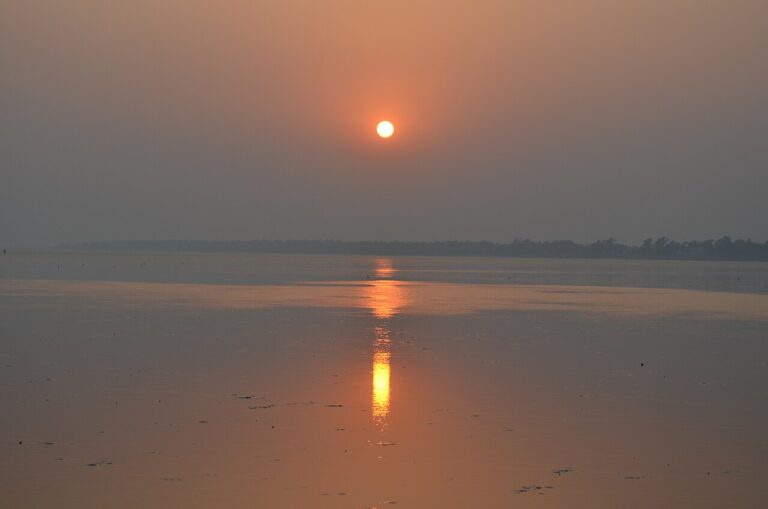
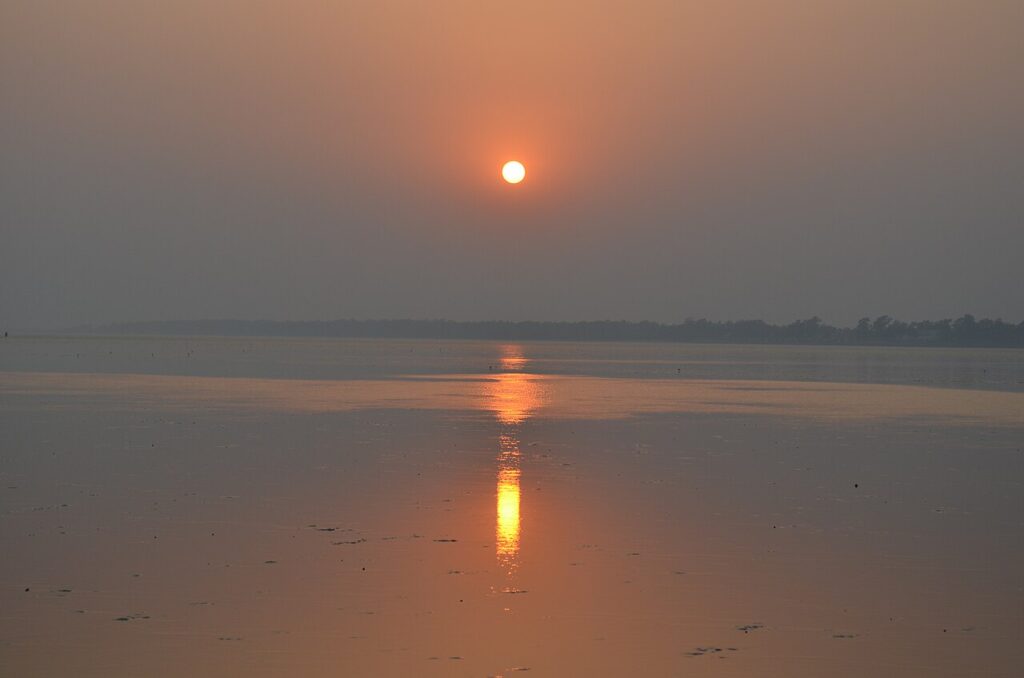
- ଚନ୍ଦୀପୁର ବେଳାଭୂମି — ଜୁଆର ପରେ ସମୁଦ୍ର ୫ କିମି ପଛକୁ ଚାଲିଯାଏ!
- ପିପଳି ନିକଟର ତାରାତାରିଣୀ ମନ୍ଦିର (ରାମଚନ୍ଦ୍ରପୁର)।
- ଭୁବନେଶ୍ୱରୀ ମନ୍ଦିର, ଖିରଚୋରା ଗୋପୀନାଥ ମନ୍ଦିର (ରେମୁଣା)।
ଆଜି ମଧ୍ୟ ପ୍ରତିରକ୍ଷା ଗବେଷଣା (DRDO) ପାଇଁ ବାଲେଶ୍ୱର ଜିଲ୍ଲାର ଚାନ୍ଦୀପୁର-ଅଭସାର ପରୀକ୍ଷଣ କେନ୍ଦ୍ର ରହିଛି; ଓଡ଼ିଶା ଭ୍ରମଣ ସମ୍ପୂର୍ଣ୍ଣ ଗାଇଡ୍ରେ।
In English
Balasore: The Crown Jewel of Odisha’s Northern Coastline
Balasore, also known as Baleshwar, stands as one of the most historically significant and culturally vibrant districts in the eastern Indian state of Odisha. Nestled along the northern coastline of the state, this district has been a witness to the rise and fall of empires, the flourishing of maritime trade, and the march of modern scientific achievement. The district headquarters, Balasore town, serves as a fascinating confluence of ancient heritage and contemporary development, making it a destination that demands the attention of historians, travelers, and culture enthusiasts alike. With its unique geographical positioning, bordered by the Bay of Bengal to the east and the lush green landscapes of the Mayurbhanj district to the west, Balasore occupies a special place in the cultural geography of Odisha.
The Enchanting Chandipur Beach: Where the Sea Plays Hide and Seek
Among the most remarkable natural wonders of Balasore district is the famed Chandipur Beach, a coastal stretch that defies the conventional behavior of seashores across the world. Here, the sea performs a magical disappearing act twice a day during low tide, receding up to five kilometers from the shoreline and leaving behind a vast expanse of silver sands dotted with seashells, driftwood, and tiny marine creatures trapped in shallow puddles. This extraordinary phenomenon, caused by the unique topography of the seabed, transforms the beach into an otherworldly landscape that captivates every visitor who sets foot on its shores. The beach is locally referred to as the “Hide and Seek Beach” because of this tidal marvel, and it offers an unparalleled opportunity to walk on the ocean floor, collect rare shells, and witness the raw power of nature in its most playful form. During high tide, the sea returns with quiet dignity, reclaiming the land it temporarily surrendered, creating a rhythm that has continued uninterrupted for millennia. The Casuarina groves lining the beach add to its ethereal beauty, providing shade and a soothing backdrop of gentle rustling sounds that complement the crashing waves.
DRDO’s Integrated Test Range: India’s Missile Testing Gateway
Balasore occupies a position of immense strategic importance in India’s defense architecture, primarily due to the presence of the Integrated Test Range established by the Defence Research and Development Organisation at Chandipur and nearby Wheeler Island, now officially named Abdul Kalam Island. This premier missile testing facility has been the crucible where some of India’s most powerful and sophisticated missiles have been successfully tested, including the Prithvi series, Agni variants, Akash surface-to-air missiles, and the advanced BrahMos supersonic cruise missile developed in collaboration with Russia. The selection of this location was not arbitrary; the vast, relatively uninhabited stretches along the coastline provided the ideal conditions for tracking missile trajectories over the sea, while the geographical orientation allowed for safe testing without endangering populated areas. The ITR has multiple launch pads, sophisticated tracking systems including radar and telemetry stations, and a dedicated team of scientists and engineers who work with precision and dedication. Every successful test conducted here strengthens India’s deterrence capability and reinforces the nation’s commitment to self-reliance in defense technology. The facility has also put Balasore on the global map, drawing attention from international defense analysts and military observers who closely monitor the developments emerging from this coastal testing ground.
Historical Significance: Tracing the Ancient Roots of Balasore
The historical tapestry of Balasore is rich and layered, stretching back to antiquity when the region was part of the ancient Kalinga empire. Archaeological evidence suggests that the area was inhabited since the prehistoric period, with stone tools and artifacts discovered at various sites indicating early human settlement. During the reign of the Ganga dynasty, which ruled over Odisha for several centuries, Balasore emerged as an important administrative and commercial center. The district finds mention in ancient texts and inscriptions, and its strategic location along the coast made it a coveted territory for successive dynasties, including the Suryavamsi Gajapatis who consolidated their hold over the region in the medieval period. The Mughal influence reached Balasore in the sixteenth century, and the town became an important outpost of the Mughal Empire in eastern India. The Marathas subsequently gained control, and their administration left an indelible mark on the region’s revenue systems and administrative practices. Each of these ruling powers contributed to the cultural and architectural landscape of Balasore, creating a fascinating palimpsest of historical influences that can still be traced in the town’s older quarters, ruined structures, and traditional practices.
Maritime Heritage: The Forgotten Port Town of Odisha
Perhaps the most glorious chapter of Balasore’s history relates to its maritime past, a legacy that has been somewhat overshadowed by time but remains deeply embedded in the cultural memory of the region. In the medieval period, Balasore was one of the most important ports on the eastern coast of India, handling substantial trade with Southeast Asian countries, Sri Lanka, and even the eastern coast of Africa. The port was a bustling hub where merchants from different parts of the world converged to trade in rice, textiles, spices, precious stones, and other commodities that were highly valued in international markets. The maritime prowess of Balasore was such that it attracted the attention of European colonial powers, with the Portuguese being among the first to establish trading contacts in the sixteenth century. They were followed by the Dutch, who set up a factory in Balasore in the early seventeenth century, and later by the British East India Company, which established a significant trading presence. The Danish also maintained a commercial outpost in the region for a brief period. These European interactions brought Balasore into the network of global trade, and the town’s merchants accumulated considerable wealth through their commercial activities. The remnants of this maritime glory can still be found in the form of old trading houses, colonial-era structures, and the collective memory of a time when Balasore’s ships sailed across vast oceans, carrying the name and fame of Odisha to distant shores.
Remuna and the Sacred Khira Chora Gopinath Temple
Situated approximately nine kilometers from Balasore town, the small town of Remuna holds a place of extraordinary reverence in the spiritual landscape of Odisha, primarily because of the legendary Khira Chora Gopinath Temple. This ancient shrine, dedicated to Lord Krishna in his Gopinath form, is one of the most celebrated Vaishnavite centers in eastern India, drawing thousands of devotees and pilgrims throughout the year. The name “Khira Chora” literally translates to “one who steals milk,” and this epithet is rooted in a charming legend that has been passed down through generations. According to the tradition, a devout milkman named Chaitanya would offer milk to the deity every day without fail. Pleased with his unwavering devotion, Lord Krishna would miraculously consume a portion of the milk, leading the milkman to discover that the pot was always partially empty when he reached the temple. This divine leela, or playful act, earned the deity the affectionate title of Khira Chora. The temple was constructed in the traditional Kalinga architectural style, with its ornate tower, carved stone walls, and spacious mandapa reflecting the aesthetic sensibilities of the period. The great Vaishnavite saint Chaitanya Mahaprabhu visited this temple during his travels across Odisha, and his association elevated the shrine’s spiritual stature significantly. The temple continues to be a living center of devotion, where the daily rituals, bhajans, and festival celebrations maintain an unbroken tradition that connects the present to a sacred past.
Industrial Development and Economic Transformation
In recent decades, Balasore has witnessed significant industrial development that has transformed its economic landscape and created new opportunities for its growing population. The district has emerged as a notable center for the seafood processing industry, with numerous processing plants operating along the coast, particularly in areas close to Chandipur and the fishing harbors. These units process and export shrimp, prawns, and various fish varieties to international markets, generating substantial foreign exchange and providing employment to thousands of local workers. The Balasore Alloys Limited, formerly known as Ferro Alloys Corporation Limited, has been a major industrial landmark in the district, contributing significantly to the production of ferro alloys that are essential for the steel industry. The presence of the DRDO facility has also spurred ancillary industries and technical employment opportunities in the region. Agriculture remains the backbone of the rural economy, with paddy being the principal crop, followed by pulses, oilseeds, and vegetables. The district’s proximity to major transport corridors, including the National Highway and the South Eastern Railway network, has facilitated the movement of goods and raw materials, further boosting industrial activity. The fishery sector, both marine and inland, provides livelihood to a substantial portion of the coastal population, and the district’s fishing communities have developed specialized skills in traditional fishing methods that have been refined over centuries of practice.
Tourism Potential: Beyond the Beaches and Temples
The tourism potential of Balasore district extends far beyond its famous beach and sacred temple, encompassing a diverse range of attractions that cater to different interests and preferences. The Talasari Beach, located near the Odisha-West Bengal border, offers a more secluded and pristine coastal experience compared to Chandipur, with its gentle waves, palm-fringed shores, and stunning sunset views that paint the sky in breathtaking hues. The Bhusandeswar Temple, housing what is claimed to be one of the largest Shiva Lingas in the world, is a remarkable religious site that draws curious visitors and devout pilgrims alike. The Devikund waterfalls, nestled in the Nilagiri region, provide a refreshing escape into nature, with their cascading waters creating a serene atmosphere that contrasts beautifully with the coastal landscape. The historic town of Nilagiri itself, with its royal heritage and ancient fortifications, offers glimpses into the region’s feudal past. The Ayodhya hills and the surrounding forested areas are excellent destinations for trekking and nature exploration, harboring a variety of flora and fauna that appeal to eco-tourism enthusiasts. The local cuisine of Balasore, with its emphasis on seafood preparations, traditional Odia dishes like dalma, chhena poda, and various rice-based delicacies, adds a gastronomic dimension to the tourism experience that visitors rarely forget.
Preserving the Legacy While Embracing the Future
Balasore district stands at a fascinating crossroads where the weight of history meets the promise of the future. Its ancient temples whisper stories of devotion that have endured for centuries, its beaches continue to perform the same tidal dance that mesmerized generations of observers, and its missile testing range reaches for the stars with cutting-edge technology. The challenge for Balasore in the coming years lies in balancing development with preservation, ensuring that the march of industrialization and urbanization does not erode the cultural and ecological treasures that make this district unique. The local communities, with their deep-rooted connection to the land and sea, play a crucial role in this endeavor, as they are the true custodians of Balasore’s heritage. As more travelers discover the multifaceted charms of this northern Odisha district, there is a growing awareness of the need for sustainable tourism practices that respect the environment and honor local traditions. Balasore’s story is ultimately a testament to the resilience and richness of Odia civilization, a story that continues to unfold with each passing tide on its magical shores.