ଝାରସୁଗୁଡ଼ା: ଶକ୍ତି ନଗରୀ
ପଶ୍ଚିମ ଓଡ଼ିଶାର ଝାରସୁଗୁଡ଼ା — କୋଇଲା, ତାପଜ ବିଦ୍ୟୁତ କେନ୍ଦ୍ର ଓ ଆଲୁମିନିୟମ ଶିଳ୍ପର ନଗରୀ; ଭାରତର ଶକ୍ତି-ମାନଚିତ୍ରରେ “ପାୱାର ହାବ୍” ଭାବରେ ପରିଚିତ। ଇବ୍ ନଦୀ କୂଳର ଏହି ଜିଲ୍ଲା ଶିଳ୍ପ ସହ ପ୍ରକୃତି ଦୁହେଁ ଧରଣ କରେ।
ମୁଖ୍ୟ ସ୍ଥାନ
- କୋଇଲା ଖାଣ (ତାଲଚେର ବେଲ୍ଟ ନିକଟ) ଓ ବିଶାଳ ତାପବିଦ୍ୟୁତ ପ୍ରକଳ୍ପଗୁଡ଼ିକ।
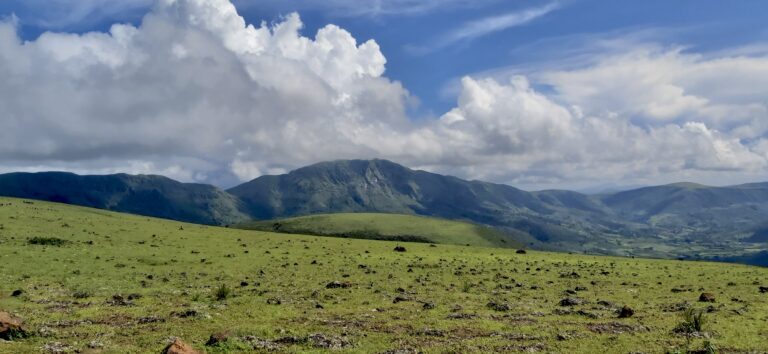
- କୋଇଲିଛୋର ଜଳପ୍ରପାତ ଓ ପାହାଡ଼ି ଦୃଶ୍ୟ।
- ନିକଟରେ ଦେଓଗଡ଼ ଓ ସମ୍ବଲପୁରର ସମଲେଶ୍ୱରୀ।
ପଶ୍ଚିମ ଓଡ଼ିଶାର ସଂସ୍କୃତି — ନୂଆଖାଇ ଓ ସମ୍ବଲପୁରୀ ବସ୍ତ୍ର — ଝାରସୁଗୁଡ଼ାର ପରିଚୟର ଅଂଶ।
In English
The Industrial Heartbeat of Western Odisha
Jharsuguda district, often referred to as the power capital of Odisha, stands as a remarkable testament to the state’s transformative journey from an ancient civilization to a modern industrial powerhouse. Located in the western part of Odisha, this district has carved out a distinct identity that seamlessly blends its rich historical heritage with contemporary industrial prowess. The very name Jharsuguda is believed to have originated from two Odia words, “Jhar” meaning a dense forest or a waterfall and “Suguda” meaning a cluster of villages, together painting a picture of what this region once was before the wheels of industrialization began turning. Today, it represents one of the most dynamically developing regions in eastern India, where massive thermal power plants, aluminum smelters, and coal mines operate against the backdrop of ancient cave paintings and sacred temples.
Geographical Setting and the Hirakud Connection
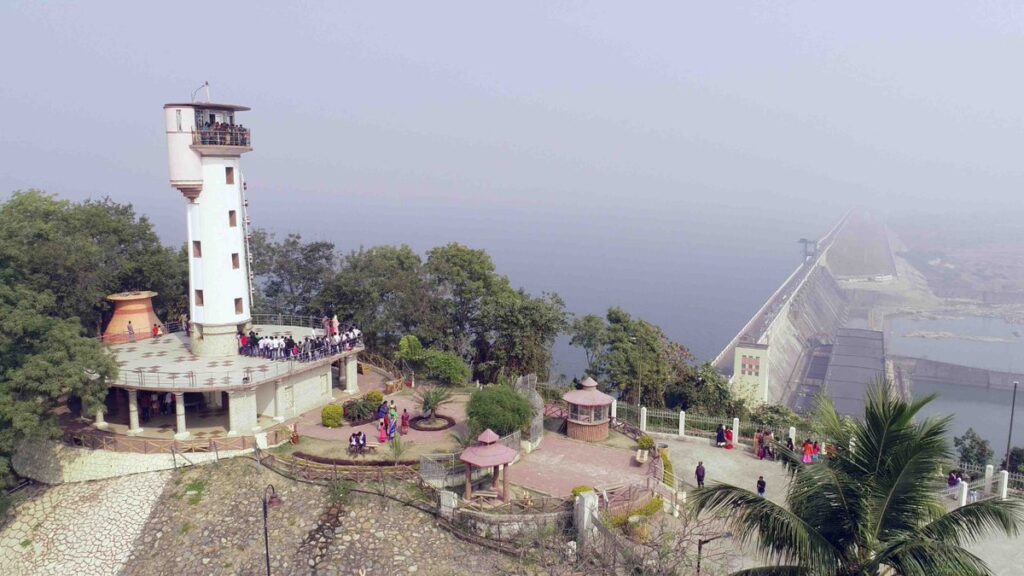
The geographical landscape of Jharsuguda is defined by its proximity to the mighty Mahanadi river and the iconic Hirakud dam, which lies just a short distance from the district boundaries. Constructed in the 1950s, the Hirakud dam is one of the longest earthen dams in the world and has been a lifeline for the entire western Odisha region, including Jharsuguda. The dam not only provides irrigation and flood control but also generates hydroelectric power that initially fueled the industrial ambitions of this region. The reservoir created by the Hirakud dam touches parts of Jharsuguda district, creating a scenic water body that contrasts sharply with the industrial landscape. The Mahanadi basin has historically been a cradle of civilization in Odisha, and Jharsuguda’s location along this river system has granted it strategic importance since ancient times. The fertile plains watered by the Mahanadi and its tributaries supported agrarian communities for centuries before coal was discovered beneath these very fields.
The Coal Mining Legacy
Coal mining forms the backbone of Jharsuguda’s economy and has been the primary driver of its industrial transformation. The district sits atop substantial coal reserves, particularly in the Ib Valley coalfield, which is one of the most significant coal-bearing regions in India. The Ib Valley coal mines, operated by Mahanadi Coalfields Limited, have been extracting coal for decades, fueling thermal power plants not just in Odisha but across the country. The mining operations in Jharsuguda date back to the early decades after independence when systematic geological surveys revealed the enormous potential of this region. Towns like Brajarajnagar and Belpahar grew entirely around coal mining activities, developing into bustling urban centers with a distinct working-class culture. The coal mines have attracted a diverse workforce from across India, making Jharsuguda a microcosm of cultural integration. However, this mining wealth has come with its share of environmental challenges, including land degradation, displacement of traditional communities, and air quality concerns, issues that the district continues to grapple with as it pursues further industrial growth.
Ushakothi Wildlife Sanctuary
Amidst the industrial landscape, the Ushakothi Wildlife Sanctuary stands as a vital green lung and a reminder of the natural heritage that Jharsuguda once possessed in greater abundance. Also known as the Badrama Wildlife Sanctuary, this protected area spreads across the border of Jharsuguda and Sambalpur districts, covering approximately 304 square kilometers of deciduous forest. The sanctuary is home to a remarkable diversity of wildlife, including leopards, elephants, sambar deer, bison, and various species of primates. The forests of Ushakothi represent the northernmost reaches of the Eastern Ghats biodiversity and serve as an important wildlife corridor for elephants moving between Odisha and Chhattisgarh. Bird watchers flock to this sanctuary to spot resident and migratory avian species that thrive in this habitat. The presence of such a significant wildlife sanctuary in an industrial district highlights the complex relationship between development and conservation that defines modern Jharsuguda. The sanctuary also holds historical importance, with ancient rock shelters and caves scattered within its boundaries, suggesting that human habitation in this region dates back thousands of years.
Ancient Echoes: Bikramkhol Cave Paintings
The historical depth of Jharsuguda finds its most fascinating expression in the Bikramkhol cave paintings, an archaeological treasure that pushes the district’s human history back to prehistoric times. Located near the village of Bikramkhol, these rock shelters contain paintings and engravings that are believed to date back to the Mesolithic and Chalcolithic periods, making them several thousand years old. The cave walls feature depictions of human figures, animals, hunting scenes, and geometric patterns executed in red ochre and other natural pigments. These paintings provide invaluable insights into the lives of the earliest inhabitants of this region, their artistic sensibilities, their hunting practices, and their social organization. What makes Bikramkhol particularly significant is the presence of inscriptions that some scholars believe represent a primitive form of writing, potentially linking the prehistoric cultures of this region to later historical civilizations. The discovery and study of these cave paintings have established Jharsuguda as an important site for archaeological research in eastern India, proving that this land was home to organized human settlements long before recorded history began.
The Sacred Gujeshwari Temple
Spiritual heritage in Jharsuguda is anchored by the revered Gujeshwari temple, a shrine that embodies the deep religious traditions of western Odisha. Dedicated to Goddess Gujeshwari, a manifestation of divine feminine energy, this temple attracts devotees from across the region who come seeking blessings and spiritual solace. The temple’s architecture reflects the traditional Odisha style of temple construction, characterized by its intricate carvings, the vimana or sanctum tower, and the jagamohana or assembly hall. The deity worshipped here is considered a powerful protector, and the temple has been a center of Shakti worship for centuries. Local folklore is rich with legends associated with the temple, connecting it to broader mythological narratives that are shared across the sacred geography of Odisha. The annual festivals celebrated at the Gujeshwari temple, particularly during Navratri and Durga Puja, transform the surrounding area into a vibrant cultural space where traditional music, dance, and rituals come alive. The temple serves not only as a place of worship but also as a cultural institution that preserves and transmits the religious and artistic traditions of the region to younger generations.
Historical Significance Through the Ages
Beyond its prehistoric cave art and ancient temples, Jharsuguda’s historical significance extends through various periods of Odisha’s history. The district was part of the ancient kingdom of South Kosala, a region that played a crucial role in the political and cultural history of eastern India. During the medieval period, the area came under the influence of the Chauhan dynasty, who ruled over vast territories of western Odisha and left their mark on the region’s architecture, administration, and social customs. The strategic location of Jharsuguda along trade routes connecting the coastal plains of Odisha with the interior regions of central India made it a significant commercial center. Historical accounts mention the prosperity of the region under various rulers, with agriculture, handicrafts, and trade flourishing along the Mahanadi river system. The arrival of British colonial administration in the nineteenth century brought significant changes, as the region was surveyed for its mineral resources, setting the stage for the industrial exploitation that would define its future. The freedom movement also found resonance in Jharsuguda, with local leaders and citizens participating actively in the struggle for Indian independence.
Modern Industrial Transformation
The modern history of Jharsuguda is essentially the story of its phenomenal industrial growth, particularly over the last two decades. The district has attracted massive investments in the power and aluminum sectors, earning it the title of Odisha’s industrial powerhouse. The Vedanta aluminum smelter at Jharsuguda is one of the largest aluminum smelting facilities in the world, representing an investment of thousands of crores and providing direct and indirect employment to tens of thousands of people. Multiple thermal power plants, including those operated by NTPC and private companies, dot the district’s landscape, collectively generating thousands of megawatts of electricity. The industrial corridor of Jharsuguda has also attracted ancillary industries, logistics companies, and service providers, creating a comprehensive industrial ecosystem. This transformation has fundamentally altered the district’s demographic profile, economy, and urban landscape. New townships, commercial complexes, educational institutions, and healthcare facilities have emerged to serve the growing industrial population, changing the very character of what was once a quiet rural district.
Infrastructure and Connectivity
The industrial growth of Jharsuguda has been supported by significant improvements in infrastructure and connectivity. The Jharsuguda airport, also known as Veer Surendra Sai Airport, has been developed as a full-fledged domestic airport with regular flights to major cities, dramatically improving the district’s accessibility. The railway network passing through Jharsuguda is among the busiest in the region, with dedicated freight corridors serving the coal mines and industrial plants while passenger trains connect the district to the rest of India. An extensive road network, including national highways, links Jharsuguda to important cities like Sambalpur, Rourkela, Raipur, and Bhubaneswar. The development of inland water transport facilities on the Mahanadi near the Hirakud dam has added another dimension to the district’s logistics capabilities. This robust infrastructure framework has been instrumental in attracting further industrial investment and has positioned Jharsuguda as a key logistics hub for western Odisha and the surrounding states of Chhattisgarh and Jharkhand.
Socioeconomic Impact and Challenges
The rapid industrialization of Jharsuguda has created a complex socioeconomic landscape characterized by both opportunity and challenge. On one hand, the district has witnessed significant wealth generation, employment creation, and improvement in living standards for a substantial section of its population. The per capita income of Jharsuguda is among the highest in Odisha, and the district has seen the emergence of a confident middle class with access to modern amenities and services. Educational institutions have proliferated, offering technical and professional education that prepares local youth for careers in the industrial sector. On the other hand, the benefits of industrialization have not been evenly distributed. Issues of land acquisition, displacement of indigenous communities, environmental degradation, and widening income inequality remain pressing concerns. The district faces the challenge of ensuring that its industrial growth translates into inclusive development that benefits all sections of society, particularly the vulnerable tribal communities who have traditionally depended on the land and forests that are now being consumed by mining and industry.
Cultural Resilience Amidst Change
Despite the overwhelming pace of industrialization, the cultural identity of Jharsuguda has shown remarkable resilience. The district’s tribal heritage, particularly the traditions of the Binjhal, Gond, Kisan, and Munda communities, continues to find expression in festivals, music, dance, and oral traditions. The Sambalpuri folk traditions that permeate this region, including the energetic Dalkhai dance and the soulful Raserkeli songs, remain vibrant and are actively preserved and performed by cultural groups. The local cuisine, with its distinctive flavors and preparations rooted in the agrarian and tribal traditions of western Odisha, continues to be cherished by residents and visitors alike. Traditional handicrafts, including the famous Sambalpuri textiles, maintain their presence even as modern consumer goods flood the market. This cultural resilience suggests that the people of Jharsuguda are not passive recipients of industrial modernity but active agents who negotiate change on their own terms, finding ways to honor their heritage while embracing the opportunities of the present.
Looking Ahead: The Future of Jharsuguda
As Jharsuguda moves forward into the twenty-first century, it stands at a critical juncture that will determine the long-term trajectory of its development. The district has the potential to evolve from a primary industrial center into a more diversified and sustainable economic hub. There are growing conversations about leveraging the district’s industrial infrastructure to develop downstream industries, promote renewable energy, and create a knowledge-based economy. The tourism potential of the district, encompassing its wildlife sanctuary, ancient cave paintings, historic temples, and the nearby Hirakud dam, remains largely untapped and offers significant opportunities for economic diversification. Environmental restoration and sustainable development practices are increasingly being recognized as essential for ensuring that the district’s growth does not come at the cost of its ecological future. The story of Jharsuguda is ultimately the story of modern Odisha itself, a narrative of transformation, tension, and hope, where the ancient and the modern coexist in a dynamic and often challenging relationship, pointing toward a future that is still being written.