ଓଡ଼ିଆ ଭାଷାରେ
କଳିଙ୍ଗର ପ୍ରାଚୀନ ଭୂମି
ଓଡ଼ିଶାର ଇତିହାସ ଭାରତର ଅତି ପ୍ରାଚୀନ ଅତୀତ ପର୍ଯ୍ୟନ୍ତ ପ୍ରସାରିତ — ସେହି ସମୟ ପର୍ଯ୍ୟନ୍ତ, ଯେତେବେଳେ ଏହି ଭୂମି ସମଗ୍ର ଉପମହାଦେଶରେ କଳିଙ୍ଗ ନାମରେ ପରିଚିତ ଥିଲା; ଏଭଳି ଏକ ରାଜ୍ୟ, ଯାହା ଆପଣା ଐଶ୍ୱର୍ଯ୍ୟ, ପ୍ରବଳ ସୈନ୍ୟବାହିନୀ ଓ ନିର୍ଭୀକ ସାମୁଦ୍ରିକ ବଣିକମାନଙ୍କ ପାଇଁ ଖ୍ୟାତ ଥିଲା। ବଙ୍ଗୋପସାଗର ତୀରସ୍ଥ ଆପଣା ବନ୍ଦରମାନଙ୍କରୁ କଳିଙ୍ଗର ନାବିକମାନେ ସୁଦୂର ସିଂହଳ ଓ ଦକ୍ଷିଣ-ପୂର୍ବ ଏସିଆର ଉପକୂଳ ଅଭିମୁଖେ ଯାତ୍ରା କରୁଥିଲେ, ସମୁଦ୍ର ପାରି ଦ୍ରବ୍ୟ ଓ ଭାବଧାରା ବହନ କରି ଏକ ବିସ୍ମୟକର ବ୍ୟାପ୍ତିର ସାମୁଦ୍ରିକ ସଭ୍ୟତା ଗଢ଼ି ତୋଳୁଥିଲେ। ଓଡ଼ିଶାର ଇତିହାସ କହିବା ଅର୍ଥ ସେହି ଦୀର୍ଘ, ଅଛିନ୍ନ ସୂତ୍ରକୁ ଅନୁସରଣ କରିବା, ଯାହା ସେହି ପ୍ରାଚୀନ ଗୌରବରୁ ଆରମ୍ଭ ହୋଇ ସାମ୍ରାଜ୍ୟ, ଆକ୍ରମଣ ଓ ଜାଗରଣ ଦେଇ ଆଜିର ଏହି ଜୀବନ୍ତ ରାଜ୍ୟ ପର୍ଯ୍ୟନ୍ତ ବିସ୍ତାରିତ।
ଯେଉଁ ଯୁଦ୍ଧ ଏକ ସମ୍ରାଟଙ୍କୁ ବଦଳାଇ ଦେଲା
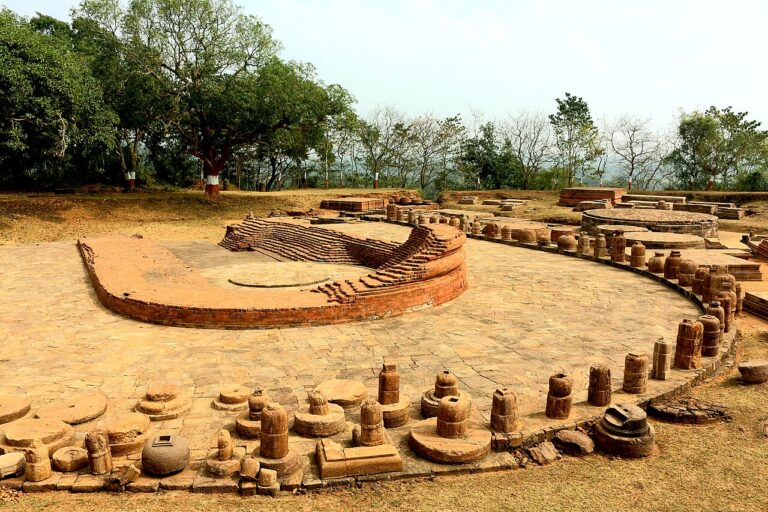
କଳିଙ୍ଗର ଏହି ମହାନତା ହିଁ ତାହାକୁ ଏକ ବାଞ୍ଛିତ ଲକ୍ଷ୍ୟରେ ପରିଣତ କଲା, ଆଉ ପ୍ରାୟ ଖ୍ରୀଷ୍ଟପୂର୍ବ ୨୬୧ ମସିହା ବେଳେ ତାହା ମୌର୍ଯ୍ୟ ସାମ୍ରାଜ୍ୟର ସମ୍ପୂର୍ଣ୍ଣ ଶକ୍ତିକୁ ଆପଣା ଉପରକୁ ଆକର୍ଷିତ କଲା। ଧଉଳିର ପ୍ରାନ୍ତରରେ ସମ୍ରାଟ ଅଶୋକ ବିଜୟ ଅର୍ଜନ କଲେ, କିନ୍ତୁ ଏଭଳି ଏକ ଭୟଙ୍କର ମୂଲ୍ୟରେ — ଏକ ଲକ୍ଷ ନିହତ, ଆଉ ତହିଁରୁ ଅଧିକ ଦୁର୍ଦଶାକୁ ନିଆଗଲେ — ଯେ ସେହି ଦୃଶ୍ୟ ଦେଖି ବିଜେତାଙ୍କ ହୃଦୟ ଭାଙ୍ଗି ପଡ଼ିଲା। ନିଜ ଅନୁତାପରେ ଅଶୋକ ଚିରଦିନ ପାଇଁ ଯୁଦ୍ଧକୁ ପରିତ୍ୟାଗ କରି ବୁଦ୍ଧଙ୍କ କରୁଣାମୟ ପଥ ଆଡ଼କୁ ମୁହାଁଇଲେ, ଏବଂ ଶିଳାରେ ଖୋଦିତ ଅନୁଶାସନମାନଙ୍କରେ ଆପଣା ଏହି ହୃଦୟ-ପରିବର୍ତ୍ତନ ଘୋଷଣା କଲେ। ଏହା ଥିଲା ମାନବ ଇତିହାସର ମହାନ ନୈତିକ ମୋଡ଼ମାନଙ୍କ ମଧ୍ୟରୁ ଏକ, ଆଉ ତାହା ଏଠାରେ, କଳିଙ୍ଗର ମାଟିରେ ଘଟିଥିଲା।
ଖାରବେଳ ଓ ଗୌରବର ପ୍ରତ୍ୟାବର୍ତ୍ତନ
କଳିଙ୍ଗ ଅଧିକ କାଳ ଅବନତ ହୋଇ ରହିଲା ନାହିଁ। ଖ୍ରୀଷ୍ଟପୂର୍ବ ପ୍ରଥମ ଶତାବ୍ଦୀରେ ଏହାର ମହାନତମ ସନ୍ତାନମାନଙ୍କ ମଧ୍ୟରୁ ଜଣେ ଆବିର୍ଭୂତ ହେଲେ — ମହାମେଘବାହନ ବଂଶର ସମ୍ରାଟ ଖାରବେଳ, ଯାହାଙ୍କ କୀର୍ତ୍ତି ଉଦୟଗିରି ଗୁମ୍ଫାରେ ଖୋଦିତ ପ୍ରସିଦ୍ଧ ହାତୀଗୁମ୍ଫା ଶିଳାଲେଖରେ ତାଙ୍କରି ନିଜ ଭାଷାରେ ଲିପିବଦ୍ଧ ହୋଇ ରହିଛି। ଜଣେ ଯୋଦ୍ଧା, ଜଣେ ନିର୍ମାତା ଓ ଜୈନ ଧର୍ମର ଜଣେ ଉଦାରମନା ପୃଷ୍ଠପୋଷକ ରୂପେ ଖାରବେଳ ଆପଣା ସୈନ୍ୟବାହିନୀକୁ ସୁଦୂର ଭାରତ ପର୍ଯ୍ୟନ୍ତ ନେଇଗଲେ ଏବଂ କଳିଙ୍ଗକୁ ସେହି ଶକ୍ତି ଓ ମର୍ଯ୍ୟାଦା ଫେରାଇ ଦେଲେ, ଯାହା ମୌର୍ଯ୍ୟ ଯୁଦ୍ଧ ପୂର୍ବରୁ ଏହା ଆଉ ଜାଣି ନ ଥିଲା — ପଥରରେ ସ୍ମରିତ ଏକ ସୁବର୍ଣ୍ଣ ଯୁଗ।
ମହାନ ମନ୍ଦିରମାନଙ୍କର ଯୁଗ
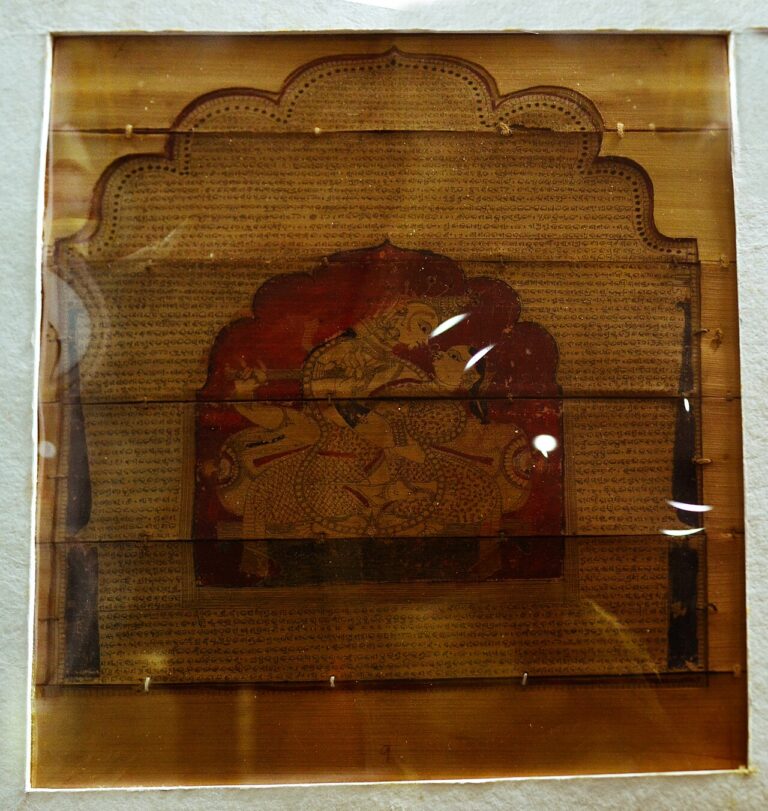
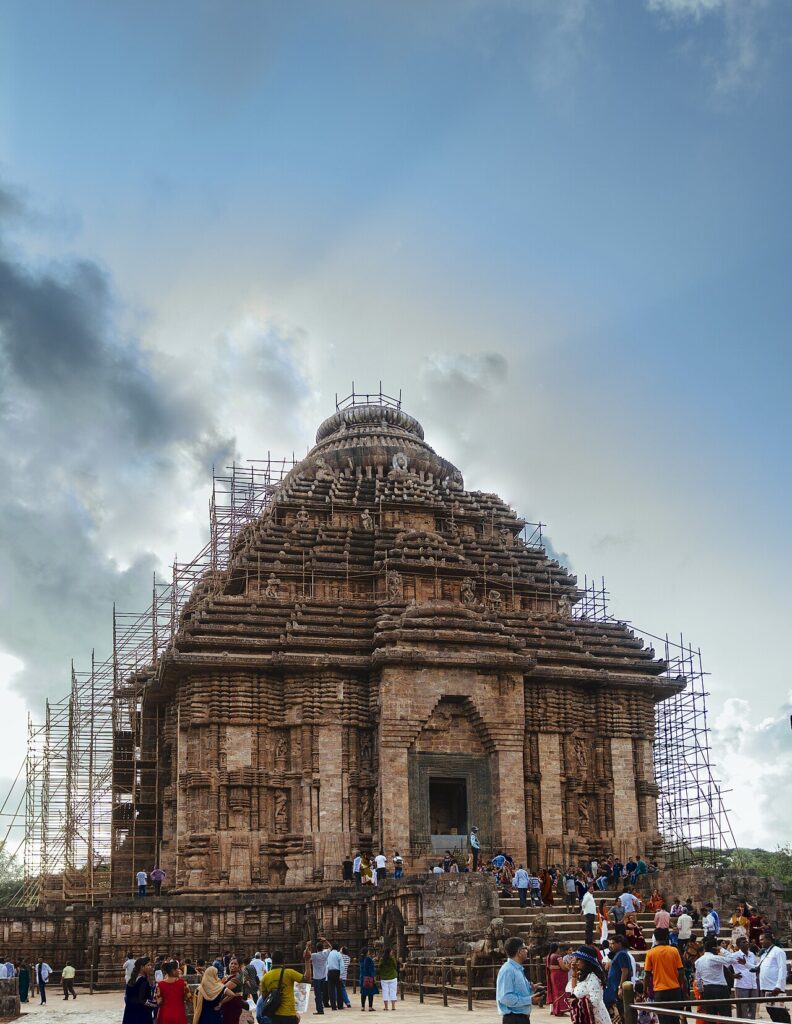
ତତ୍ପରବର୍ତ୍ତୀ ଶତାବ୍ଦୀଗୁଡ଼ିକରେ କଳିଙ୍ଗ ଆପଣା ସାଂସ୍କୃତିକ ଶିଖରକୁ ଆରୋହଣ କଲା। ପୂର୍ବ ଗଙ୍ଗ ବଂଶର ଶାସନରେ, ଏକାଦଶ ଶତାବ୍ଦୀ ପରଠାରୁ, ଏହି ଭୂମି ମନ୍ଦିର-ନିର୍ମାଣର ଏଭଳି ଏକ ସୁବର୍ଣ୍ଣ ଯୁଗରେ ପ୍ରବେଶ କଲା, ଯାହାର କୀର୍ତ୍ତିରାଜି ଆଜି ମଧ୍ୟ ଚକିତ କରିଦିଏ: ଅନନ୍ତବର୍ମନ ଚୋଡ଼ଗଙ୍ଗ ଦେବଙ୍କ ଦ୍ୱାରା ନିର୍ମିତ ପୁରୀର ମହାନ ଜଗନ୍ନାଥ ମନ୍ଦିର, ଆଉ ଏକ ବିଶାଳ ପଥର-ରଥ ରୂପେ କଳ୍ପିତ କୋଣାର୍କର ଅନୁପମ ସୂର୍ଯ୍ୟ ମନ୍ଦିର। ଏହିସବୁ ଏବଂ ଭୁବନେଶ୍ୱରର ଅସଂଖ୍ୟ ଦେବାଳୟରେ କଳିଙ୍ଗ ସ୍ଥାପତ୍ୟ ଶୈଳୀ ଏଭଳି ଏକ ମହିମା ଅର୍ଜନ କଲା, ଯାହା ଭାରତୀୟ କଳାର ସର୍ବୋଚ୍ଚ କୃତିମାନଙ୍କ ମଧ୍ୟରେ ଗଣିତ।
ଗଜପତି ସାମ୍ରାଜ୍ୟ
ଓଡ଼ିଶାର ମଧ୍ୟଯୁଗୀୟ ଗୌରବ ପଞ୍ଚଦଶ ଶତାବ୍ଦୀରେ ସୂର୍ଯ୍ୟବଂଶର ଗଜପତି ସମ୍ରାଟମାନଙ୍କ ଅଧୀନରେ ଆପଣା ଚରମ ସୀମାରେ ପହଞ୍ଚିଲା। ୧୪୩୫ ମସିହାରେ ଅଭିଷିକ୍ତ ଏହାର ପ୍ରତିଷ୍ଠାତା କପିଳେନ୍ଦ୍ର ଦେବ ଆପଣା ଯୁଗର ଏକ ପରାକ୍ରମୀ ରାଜ୍ୟ ଗଢ଼ିଲେ; ଏଭଳି ଏକ ସାମ୍ରାଜ୍ୟ, ଯାହା ଆପଣା ଉତ୍କର୍ଷ କାଳରେ ଉତ୍ତରରେ ଗଙ୍ଗାଠାରୁ ଦକ୍ଷିଣରେ ସୁଦୂର କାବେରୀ ପର୍ଯ୍ୟନ୍ତ ପୂର୍ବ ଉପକୂଳ ବରାବର ବିସ୍ତୃତ ଥିଲା। ଗଜପତିମାନଙ୍କ — ଅର୍ଥାତ୍ ହସ୍ତୀମାନଙ୍କ ଅଧିପତିମାନଙ୍କ — ଶାସନରେ ଓଡ଼ିଆ ଶକ୍ତି, ବିଦ୍ୟା ଓ ଭକ୍ତି ଏକାଠି ପ୍ରସ୍ଫୁଟିତ ହେଲା, ଆଉ ରାଜାମାନେ କେବଳ ସାର୍ବଭୌମ ଶାସକ ରୂପେ ନୁହେଁ, ବରଂ ସ୍ୱୟଂ ଶ୍ରୀଜଗନ୍ନାଥଙ୍କ ପ୍ରଥମ ସେବକ ରୂପେ ଶାସନ କଲେ।
ବିଜୟ ଓ ଦୀର୍ଘ ରାତ୍ରି
ଏହି ସ୍ୱାଧୀନତା ୧୫୬୮ ମସିହାରେ ଅନ୍ତ ପାଇଲା, ଯେତେବେଳେ ଓଡ଼ିଶାର ଅନ୍ତିମ ସାର୍ବଭୌମ ହିନ୍ଦୁ ରାଜା ମୁକୁନ୍ଦ ଦେବ ଯୁଦ୍ଧରେ ପତିତ ହେଲେ, ଆଉ ଏହି ଭୂମି ଏକ ପରେ ଏକ ବିଦେଶୀ ଶାସକଙ୍କ ଅଧୀନକୁ ଚାଲିଗଲା — ପ୍ରଥମେ ଆଫଗାନ, ତାପରେ ମୋଗଲ, ତାପରେ ମରାଠା, ଏବଂ ସର୍ବଶେଷରେ ଇଂରେଜ। ଏହା ଥିଲା ହରାଇ ଯାଇଥିବା ସ୍ୱାଧୀନତାର ଏକ ଦୀର୍ଘ ସନ୍ଧ୍ୟା, ଯହିଁରେ ପୁରାତନ ରାଜ୍ୟ ବିଭକ୍ତ ହୋଇଗଲା ଓ ଏହାର ଗୌରବ ମଳିନ ପଡ଼ିଲା। ତଥାପି ଏହିସବୁ ଶତାବ୍ଦୀ ମଧ୍ୟ ଦେଇ ଓଡ଼ିଶାର ଆତ୍ମା ଅବିଚଳିତ ରହିଲା — ଜଗନ୍ନାଥ ମନ୍ଦିରର ରୀତିନୀତିରେ, ଓଡ଼ିଆ ଭାଷା ଓ ସାହିତ୍ୟରେ, ଆଉ ଏକ ଗର୍ବିତ ଓ ସ୍ୱାଧୀନ ଅତୀତର ସ୍ମୃତିରେ ଏହା ଜୀବିତ ରହିଲା।
ପ୍ରତିରୋଧ ଓ ଆଧୁନିକ ଓଡ଼ିଶାର ଜନ୍ମ
ପ୍ରତିରୋଧର ଓଡ଼ିଆ ଚେତନା କେବେ ମରି ନ ଥିଲା। ୧୮୧୭ ମସିହାରେ ଓଡ଼ିଶାର ପାରମ୍ପରିକ ଯୋଦ୍ଧା ପାଇକମାନେ ପାଇକ ବିଦ୍ରୋହରେ ଇଂରେଜ ଶାସନ ବିରୋଧରେ ମୁଣ୍ଡ ଟେକିଲେ — ସମଗ୍ର ଭାରତରେ ଇଷ୍ଟ ଇଣ୍ଡିଆ କମ୍ପାନୀ ବିରୁଦ୍ଧରେ ହୋଇଥିବା ଆରମ୍ଭିକ ସଶସ୍ତ୍ର ଅଭ୍ୟୁତ୍ଥାନମାନଙ୍କ ମଧ୍ୟରୁ ଏକ, ଯାହା ଆଜି ସ୍ୱାଧୀନତା ସଂଗ୍ରାମର ଏକ ପ୍ରାରମ୍ଭିକ ଅଗ୍ନିଶିଖା ରୂପେ ସ୍ମରିତ। ସେହି ଚେତନା ଆଧୁନିକ ଯୁଗରେ ଏକ ନୂତନ ରୂପ ପାଇଲା — ଓଡ଼ିଆ ଜାତିର ଏକତା ଓ ମର୍ଯ୍ୟାଦା ପାଇଁ ଏକ ଦୀର୍ଘ ଆନ୍ଦୋଳନରେ — ଯାହା ୧୯୩୬ ମସିହା ପର୍ଯ୍ୟନ୍ତ ଚାଲିଲା, ଯେତେବେଳେ ଭାଷା ଆଧାରରେ ଗଠିତ ବ୍ରିଟିଶ ଭାରତର ପ୍ରଥମ ପ୍ରଦେଶ ରୂପେ ଓଡ଼ିଶା ପରିଣତ ହେଲା — ଏଭଳି ଏକ ଐତିହାସିକ ମୁହୂର୍ତ୍ତ, ଯାହା ବିଚ୍ଛିନ୍ନ ଓଡ଼ିଆଭାଷୀ ଭୂଖଣ୍ଡମାନଙ୍କୁ ଏକ ଏକକ ଆବାସ ପ୍ରଦାନ କଲା।
ଅଭଗ୍ନ ଚେତନା
କଳିଙ୍ଗର ପ୍ରାଚୀନ ବୈଭବଠାରୁ ଆରମ୍ଭ କରି ଏକ ମୁକ୍ତ ଓ ଆଧୁନିକ ଭାରତରେ ଏହାର ସ୍ଥାନ ପର୍ଯ୍ୟନ୍ତ, ଓଡ଼ିଶାର ଇତିହାସ ସର୍ବୋପରି ଅଦମ୍ୟ ଜୀବନୀଶକ୍ତିର ଏକ କାହାଣୀ — ଏଭଳି ଏକ ଜାତିର କାହାଣୀ, ଯେ ସାମ୍ରାଜ୍ୟ ଓ ମନ୍ଦିର ଗଢ଼ିଲା, ଶତାବ୍ଦୀ ପରେ ଶତାବ୍ଦୀ ପରାଧୀନତା ସହ୍ୟ କଲା, ଏବଂ ଆପଣା ଭାଷା, ଧର୍ମ ଓ ପରିଚୟ ଅକ୍ଷୁଣ୍ଣ ରଖି ଉଭା ହେଲା। ଏହାର ମନ୍ଦିରର ଶିଖରମାନଙ୍କରେ, ଏହାର ପର୍ବପର୍ବାଣୀର ରୀତିନୀତିରେ ଓ ଏହାର ଲୋକଙ୍କ ଗର୍ବରେ କଳିଙ୍ଗର ସେହି ଦୀର୍ଘ ସ୍ମୃତି ଆଜି ମଧ୍ୟ ବଞ୍ଚି ରହିଛି। ଓଡ଼ିଶାର ଇତିହାସ ଜାଣିବା ଅର୍ଥ ଏହା ବୁଝିବା ଯେ ଏକ ସଭ୍ୟତା ବାରମ୍ବାର ପରାଜିତ ହୋଇପାରେ, ତଥାପି ଯାହା ପ୍ରକୃତରେ ମହତ୍ତ୍ୱପୂର୍ଣ୍ଣ, ସେଥିରେ ତାହା କେବେ ପରାଭୂତ ହୁଏ ନାହିଁ।
In English
The Ancient Land of Kalinga
The history of Odisha reaches back into the deep antiquity of India, to a time when this land was known across the subcontinent as Kalinga — a kingdom famed for its wealth, its mighty armies and its fearless seafaring merchants. From its ports on the Bay of Bengal, Kalinga’s sailors set out for the distant shores of Ceylon and Southeast Asia, carrying goods and ideas across the ocean and building a maritime civilization of remarkable reach. To speak of the history of Odisha is to trace the long, unbroken thread that runs from that ancient glory, through empires and invasions and awakenings, down to the vibrant state of today.
The War That Changed an Emperor
Kalinga’s very greatness made it a prize, and around 261 BCE it drew upon itself the full might of the Mauryan empire. On the field of Dhauli the emperor Ashoka won his victory, but at a cost so terrible — a hundred thousand slain, and many more carried into misery — that the conqueror’s heart broke at the sight. In his remorse Ashoka renounced war forever and turned to the compassionate path of the Buddha, proclaiming his change of heart in edicts carved into the rock. It was one of the great moral turning points of human history, and it happened here, on the soil of Kalinga.
Kharavela and the Return of Glory
Kalinga did not stay humbled for long. In the first century BCE there arose one of its greatest sons, the emperor Kharavela of the Mahameghavahana line, whose deeds are recorded in his own words in the famous Hathigumpha inscription carved in the caves of Udayagiri. A warrior, a builder and a generous patron of the Jain faith, Kharavela led his armies far across India and restored to Kalinga a power and prestige it had not known since before the Mauryan war — a golden age remembered in stone.
The Age of the Great Temples
In the centuries that followed, Kalinga rose to its cultural summit. Under the Eastern Ganga dynasty, from the eleventh century onward, the land entered a golden age of temple-building whose monuments still take the breath away: the great Jagannath Temple at Puri, raised by Anantavarman Chodaganga Deva, and the sublime Sun Temple at Konark, conceived as a colossal chariot of stone. In these and the myriad shrines of Bhubaneswar, the Kalinga school of architecture reached a magnificence that ranks among the supreme achievements of Indian art.
The Gajapati Empire
The medieval glory of Odisha culminated in the fifteenth century under the Gajapati emperors of the Suryavamsha, or Solar dynasty. Its founder, Kapilendra Deva, crowned in 1435, forged one of the mightiest kingdoms of his age, an empire that at its height stretched along the eastern coast from the Ganga in the north to the far Kaveri in the south. Under the Gajapatis — the Lords of the Elephants — Odia power, learning and devotion flowered together, and the kings ruled not merely as sovereigns but as the first servants of Lord Jagannath himself.
Conquest and the Long Night
This independence came to an end in 1568, when the last sovereign Hindu king of Odisha, Mukunda Deva, fell in battle, and the land passed under a succession of foreign rulers — Afghan, then Mughal, then Maratha, and at last British. It was a long twilight of lost freedom, in which the old kingdom was divided and its glory dimmed. Yet through all these centuries the soul of Odisha endured, kept alive in the rituals of the Jagannath temple, in the Odia language and literature, and in the memory of a proud and independent past.
Resistance and the Birth of Modern Odisha
The Odia spirit of resistance never died. In 1817 the traditional warriors of Odisha, the Paikas, rose against British rule in the Paika Rebellion — one of the earliest armed uprisings against the Company in all of India, remembered today as an early flame of the freedom struggle. That same spirit found new form in the modern age, in a long campaign for the unity and dignity of the Odia people, until in 1936 Odisha became the first province of British India to be constituted on the basis of language — a landmark moment that gave the scattered Odia-speaking lands a single home.
The Unbroken Spirit
From the ancient splendour of Kalinga to its place in a free and modern India, the history of Odisha is a story of resilience above all — of a people who built empires and temples, endured centuries of conquest, and emerged with their language, faith and identity intact. In the towers of its temples, the rituals of its festivals and the pride of its people, the long memory of Kalinga lives on. To know the history of Odisha is to understand how a civilization can be conquered many times and yet, in all that truly matters, never be defeated.
References | ଆଧାର
- Archaeological Survey of India — ଭାରତୀୟ ପ୍ରତ୍ନତତ୍ତ୍ୱ ସର୍ବେକ୍ଷଣ
- Odisha Tourism — Official — ଓଡ଼ିଶା ପର୍ଯ୍ୟଟନ (ସରକାରୀ)
- Encyclopaedia Britannica — Odisha — ବ୍ରିଟାନିକା: ଓଡ଼ିଶା