ବାଲି ଯାତ୍ରା: ଓଡ଼ିଶାର ପ୍ରାଚୀନ ସାମୁଦ୍ରିକ ବାଣିଜ୍ୟର ଉତ୍ସବ
ବାଲି ଯାତ୍ରା: Bali Yatra – Odisha’s Ancient Maritime Trade Festival
କାର୍ତ୍ତିକ ପୂର୍ଣ୍ଣିମାରେ କଟକର ବାଲି ଯାତ୍ରା — ପ୍ରାଚୀନ ସାଧବମାନଙ୍କ ବାଲି-ସୁମାତ୍ରା-ଜାଭା ବାଣିଜ୍ୟ ଯାତ୍ରାର ସ୍ମୃତି। ଏହି ଦିନ ସାଧବପୁଅ ବୋଇତା ଖେଳାରେ “ଆ କାଳ ଭୈରବ, ଆ କାଳ ଭୈରବ” ଗାଇ ଯାତ୍ରାର ଅନୁକରଣ କରନ୍ତି।
ଆଜିର ରୂପ
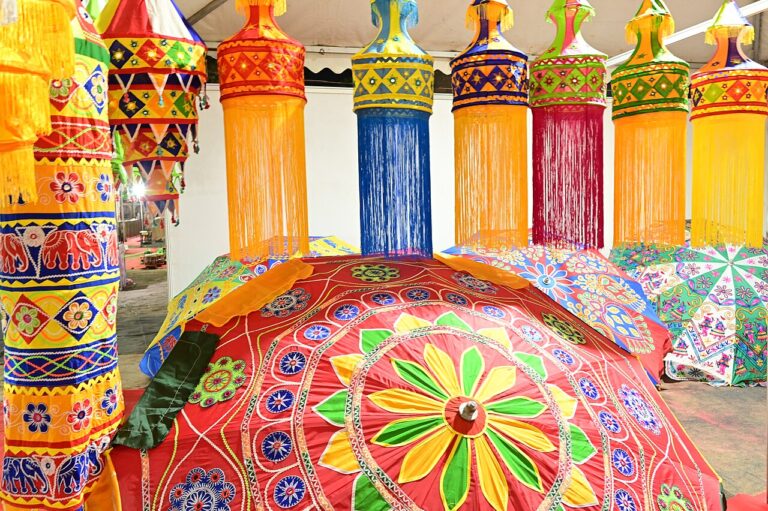
- କଟକ ଗଡ଼ଗଡ଼ିଆ ମୈଦାନରେ ବିଶାଳ ମେଳା — ଓଡ଼ିଶାର ବୃହତ୍ତମ ଖୋଲା ମେଳା, ୧୦୦୦+ ଦୋକାନ।
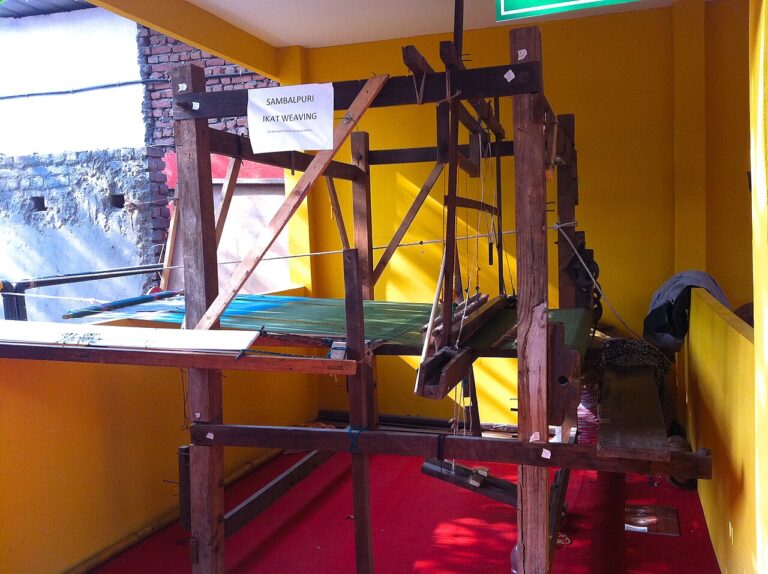
- ହସ୍ତତନ୍ତ, ତାରକାସି, ଖାଦ୍ୟ, ଯାନ୍ତ୍ରିକ ପ୍ରଦର୍ଶନୀ।
- ଐତିହାସିକ ପୃଷ୍ଠଭୂମି — କଳିଙ୍ଗର ସାମୁଦ୍ରିକ ଇତିହାସ।
କଟକର ଅନ୍ୟ ପରିଚୟ — ବଡ଼ବାଟି ଦୁର୍ଗ ଓ ନେତାଜୀଙ୍କ ଜନ୍ମସହର; ଅନ୍ୟ ପର୍ବମାନ — ପର୍ବ ପରମ୍ପରା।
In English
The Ancient Maritime Legacy of Odisha
Long before the age of European colonial expansion and the establishment of maritime routes that would reshape global trade, the eastern coast of India was home to a thriving tradition of seafaring commerce that connected the subcontinent with the distant shores of Southeast Asia. At the heart of this remarkable chapter of Indian history stands the state of Odisha, whose ancient mariners, known as the Sadhabas, embarked on perilous voyages across the Bay of Bengal to establish trade and cultural links with the islands of Bali, Java, Sumatra, and other parts of the Indonesian archipelago and beyond. This legacy of maritime adventure, enterprise, and cultural exchange is celebrated every year in the historic city of Cuttack through the grand festival known as Bali Yatra, a tradition that has endured for centuries and continues to be one of the most significant cultural events in eastern India.
The Historical Sadhaba Traders of Kalinga
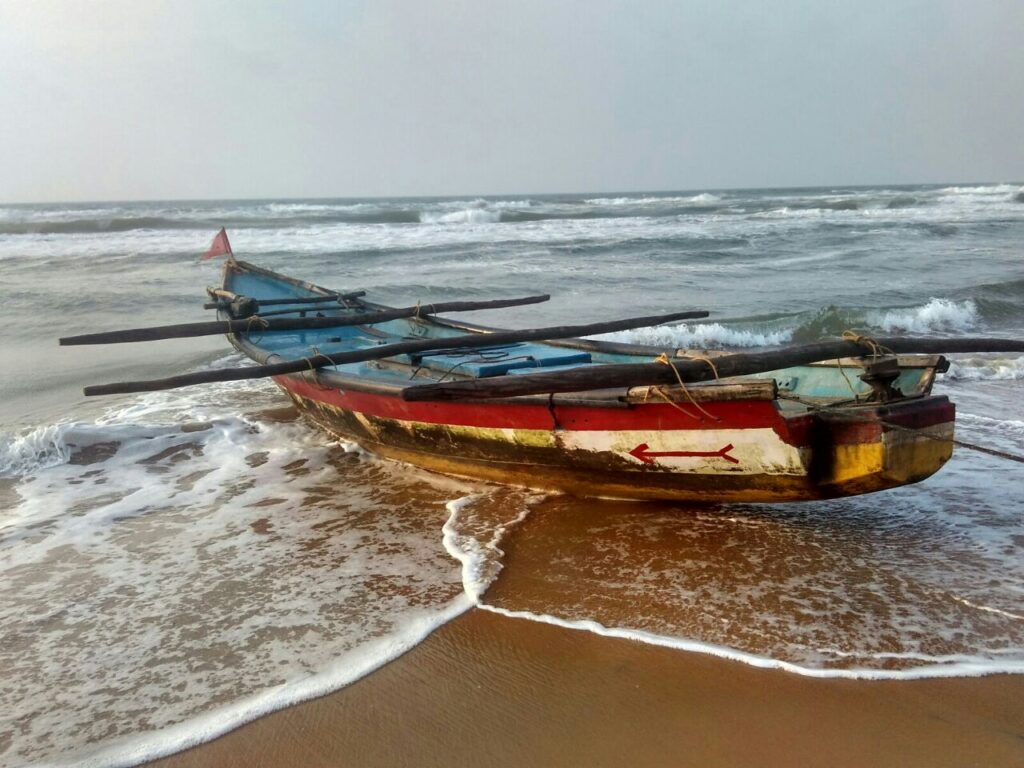
The story of Bali Yatra is inseparable from the history of the Sadhaba traders, the enterprising merchant seafarers of ancient Kalinga, as Odisha was known in antiquity. These traders were not merely merchants dealing in commodities; they were ambassadors of culture, carrying with them the art, architecture, religion, language, and philosophical traditions of their homeland to distant lands. Historical accounts, including references in the ancient texts like the Puranas and the Jataka tales, along with archaeological evidence and epigraphic records, attest to the vibrant maritime activity that flourished along the Odishan coast from at least the third century before the Common Era. The ports of Tamralipti, Manikpatna, Palur, and others served as bustling hubs of international trade, from where the Sadhabas set sail in their large wooden vessels called Boitas, navigated by the monsoon winds and the stars. The goods they carried included textiles, spices, ivory, precious stones, and aromatic substances, while they returned with gold, silver, camphor, and exotic products from the Southeast Asian markets.
Kartik Purnima: The Sacred Timing of Departure
The timing of the Sadhaba voyages was determined by the natural rhythms of the monsoon and the ocean, and Kartik Purnima, the full moon day in the Hindu month of Kartik, which typically falls in November, marked the most auspicious occasion for setting sail. On this day, the northeast monsoon winds began to blow favorably across the Bay of Bengal, providing the necessary thrust for the Boitas to undertake their long and dangerous journey across the open sea. The full moon also served as a vital navigational aid in an era before modern instruments, illuminating the waters and guiding the sailors on the initial leg of their voyage. Over time, this practical necessity of departing on Kartik Purnima acquired deep spiritual significance, and the day came to be associated with religious observances and rituals that honored not just the commercial venture but also the divine protection sought by the seafarers and their families. The convergence of the practical and the sacred is a hallmark of Indian tradition, and nowhere is this more evident than in the observance of Kartik Purnima in the context of Odisha’s maritime heritage.
Boita Bandana: The Ritual of Floating Boats
The most poignant and evocative ritual associated with Bali Yatra is the Boita Bandana, the ceremonial floating of miniature boats that reenacts and commemorates the departure of the Sadhaba traders. On the morning of Kartik Purnima, thousands of people gather along the banks of rivers, tanks, and water bodies across Odisha, and particularly in Cuttack along the Mahanadi, to set afloat small boats traditionally made from the bark of the banana plant, cork, or paper. These boats are decorated with flowers, lit with candles or small oil lamps, and sometimes loaded with betel leaves, areca nuts, and coins as symbolic offerings. As the flickering lights of countless boats drift across the water surface, the scene creates a mesmerizing spectacle that is both visually stunning and deeply moving. The ritual is not merely a folk custom; it is an act of remembrance, a way for generations of Odias to honor the courage, enterprise, and sacrifice of their seafaring ancestors who risked their lives on uncertain ocean voyages. The women of Odisha sing traditional songs known as Boita Bandana geeta, which narrate the anguish of wives and mothers bidding farewell to their men, their voices carrying across the waters a pathos that transcends time.
The Paper Boat Tradition and Childhood Memories
For every Odia child, the paper boat is an inseparable part of the Kartik Purnima experience, a tradition that bridges the gap between ancient history and contemporary life. In the days leading up to Bali Yatra, children across the state engage in the delightful activity of folding paper boats of various sizes, learning the craft from parents, grandparents, and older siblings. These paper boats, often made from old newspapers, notebooks, or colorful craft paper, become vessels of imagination, carrying the dreams and aspirations of young minds as they are set afloat in puddles, ponds, and riverbanks. The paper boat tradition serves a vital cultural function by introducing children to the historical narrative of the Sadhaba traders in a manner that is accessible, engaging, and memorable. Through this simple act of folding and floating paper boats, the awareness of Odisha’s maritime glory is transmitted from one generation to the next, ensuring that the memory of the ancient voyages remains alive in the collective consciousness of the people long after the formal history lessons have been forgotten.
Bali Yatra in Cuttack: The Modern Fair
While the Boita Bandana ritual is observed across Odisha, it is in the city of Cuttack that Bali Yatra transforms from a solemn commemoration into a massive cultural and commercial extravaganza. The Bali Yatra fair, held annually on the banks of the Mahanadi river at the historic Gadagadia ghat and the sprawling grounds adjoining it, is one of the largest open-air fairs in eastern India, attracting millions of visitors over its week-long duration. The fairgrounds come alive with hundreds of stalls and pavilions selling everything from traditional Odia handicrafts, textiles, and silver filigree work to modern consumer goods, electronics, and household items. Food is a central attraction, with vendors offering an astonishing array of Odia delicacies including the famous dahibara aloodum, chhena poda, rasagola, kheer, and various preparations of pitha that are traditionally associated with the Kartik month. The fair also features amusement rides, cultural performances, folk dances like Gotipua and Sambalpuri, musical concerts, and theatrical shows, creating an atmosphere of festive exuberance that is uniquely Cuttacki in character.
Cultural Significance and Community Identity
The cultural significance of Bali Yatra extends far beyond its historical associations and commercial dimensions. For the people of Cuttack and Odisha at large, Bali Yatra is an affirmation of cultural identity, a celebration of a heritage that distinguishes them from other regions of India. The festival serves as a powerful reminder that Odisha was not an isolated or inward-looking society but a dynamic civilization that engaged with the wider world through trade, diplomacy, and cultural exchange. The stories of the Sadhaba traders instill a sense of pride and self-worth in the Odia people, countering narratives that marginalize or overlook the contributions of eastern India to the broader tapestry of Indian civilization. Bali Yatra also functions as a social equalizer, bringing together people from all walks of life, regardless of caste, class, or economic status, in a shared experience of celebration and remembrance. The fairgrounds become a democratic space where the wealthy and the poor, the urban elite and the rural folk, mingle freely, bound by a common cultural thread.
Connection to Southeast Asia and the Greater Indian Ocean World
The historical connections that Bali Yatra commemorates are not mere legend but are substantiated by extensive evidence of Odisha’s profound influence on the cultures of Southeast Asia. The name Bali itself is derived from the Indonesian island of Bali, which along with Java, Sumatra, Borneo, and other territories, formed part of what scholars refer to as Greater India or the Indianized states of Southeast Asia. The spread of Hinduism and Buddhism from Odisha to these regions is well documented, with striking parallels visible in the temple architecture of Bhubaneswar and the great monuments of Borobudur and Prambanan in Java. The Old Javanese language contains a significant number of Sanskrit and Prakrit loanwords, many of which can be traced specifically to the Odia linguistic tradition. The trade routes established by the Sadhabas facilitated not merely the exchange of goods but also the transmission of ideas, technologies, artistic styles, and religious practices that profoundly shaped the civilizations of Southeast Asia. In recent decades, there has been a renewed scholarly and diplomatic interest in these ancient connections, with both Indian and Indonesian governments recognizing the shared heritage and exploring ways to revive cultural ties that were disrupted by centuries of colonial intervention.
Preserving the Legacy for Future Generations
In an era of rapid urbanization, globalization, and cultural homogenization, the preservation of traditions like Bali Yatra assumes critical importance. The challenge lies in maintaining the authenticity and historical integrity of the festival while allowing it to evolve and remain relevant to contemporary society. Efforts are being made by cultural organizations, historians, and government bodies to document the various aspects of Bali Yatra, from the songs and rituals to the traditional crafts and culinary practices that are associated with the fair. Educational institutions in Odisha have begun to incorporate the maritime history of the state into their curricula, ensuring that young Odias develop an informed appreciation of their heritage. The construction of maritime heritage museums and the establishment of cultural centers dedicated to the Sadhaba tradition are steps in the right direction. At the same time, the annual celebration of Bali Yatra in Cuttack continues to serve as the most effective and organic means of preserving this legacy, as each generation that participates in the festival becomes a living carrier of the tradition, passing it on to the next with their own memories, emotions, and interpretations layered upon the ancient foundation.
The Enduring Spirit of the Sadhabas
More than a millennium after the last Sadhaba boats sailed from the Odishan coast, the spirit of those ancient mariners continues to animate the cultural life of the state. Bali Yatra is not merely a historical commemoration or a commercial fair; it is a living testament to the human qualities of courage, enterprise, curiosity, and resilience that the Sadhabas embodied. When an Odia child sets a paper boat afloat on Kartik Purnima, she is not just playing; she is participating in a ritual that connects her to a lineage of explorers who dared to cross vast oceans in search of new horizons. When the crowds throng the fairgrounds in Cuttack, they are not just shopping or seeking entertainment; they are reaffirming a collective identity rooted in a glorious past. When the flickering lights of Boita Bandana boats drift across the Mahanadi on a cold November night, they carry with them the echoes of ancient prayers, the hopes of departed sailors, and the enduring pride of a civilization that looked beyond its shores and found kindred spirits across the sea. Bali Yatra, in its essence, is a celebration of this indomitable spirit, a reminder that the bonds forged by the Sadhabas between Odisha and Southeast Asia were not merely commercial transactions but bridges between hearts, cultures, and civilizations that continue to resonate across the waters of time.