ତାରକାସି: କଟକର ରୌପ୍ୟ କଳା
Discover the Silver Filigree Art of Cuttack
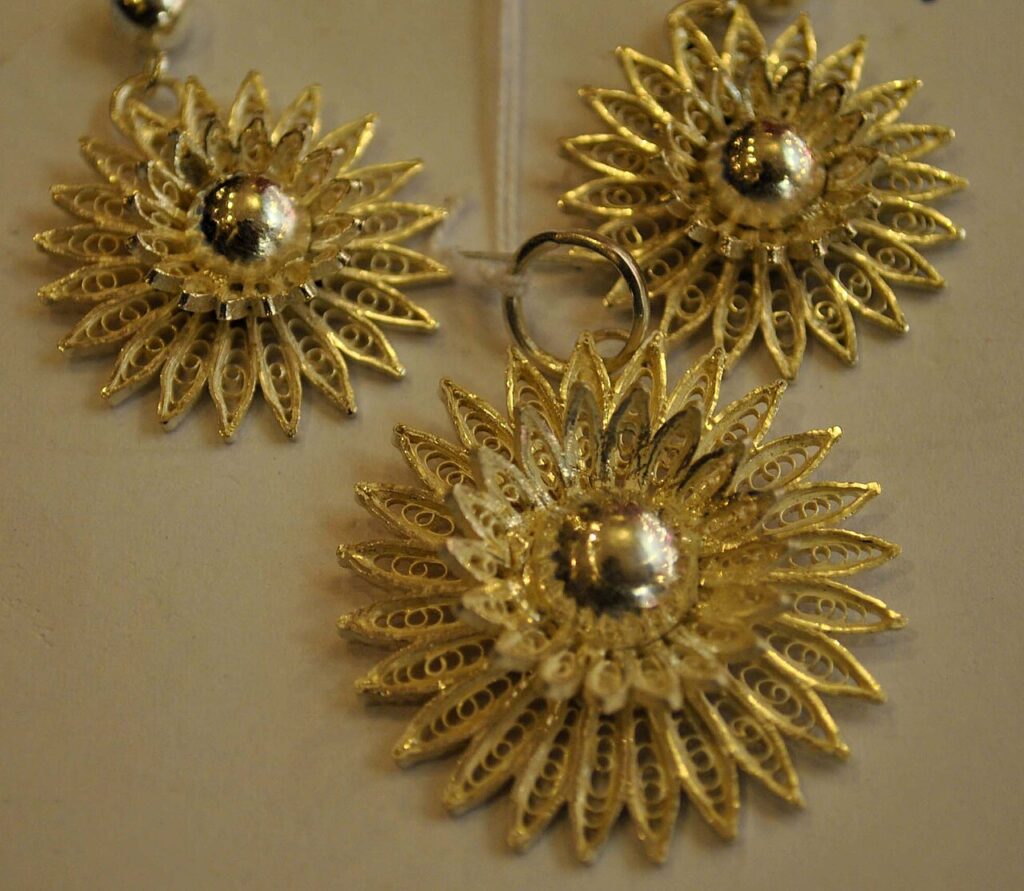
ତାରକାସି (silver filigree) — ପତଳା ରୂପା ତାର ଗୁଡ଼ିକୁ ଆଙ୍ଗୁଠିରେ ଗଢ଼ି ସୃଷ୍ଟି ହେଉଥିବା ଅପୂର୍ବ କଳା — କଟକର ୫୦୦+ ବର୍ଷର ପରମ୍ପରା। ଚାନ୍ଦିର ସୂକ୍ଷ୍ମ ତାରରୁ ଦେବଦେବୀ, ଅଳଙ୍କାର, ପାରମ୍ପରିକ ଓଡ଼ିଆ ଅଳଙ୍କାର (ତିଳକା, ତାରାଙ୍ଗ) ନିର୍ମିତ ହୁଏ।
ବିଶେଷତ୍ୱ
- ଜଗନ୍ନାଥଙ୍କ ଶ୍ରୀଅଙ୍ଗ ଓ ମୁକୁଟରେ ତାରକାସି କାମ — ଶ୍ରୀମନ୍ଦିର ପରମ୍ପରା।
- ଦୁର୍ଗା ପୂଜାରେ ରୂପା ମେଢ଼େଇ ମୂର୍ତ୍ତି — କଟକର ଗର୍ବ।
- ୨୦୨୧ରେ ଭୌଗୋଳିକ ସୂଚକ (GI) ମାନ୍ୟତା ପ୍ରାପ୍ତ।
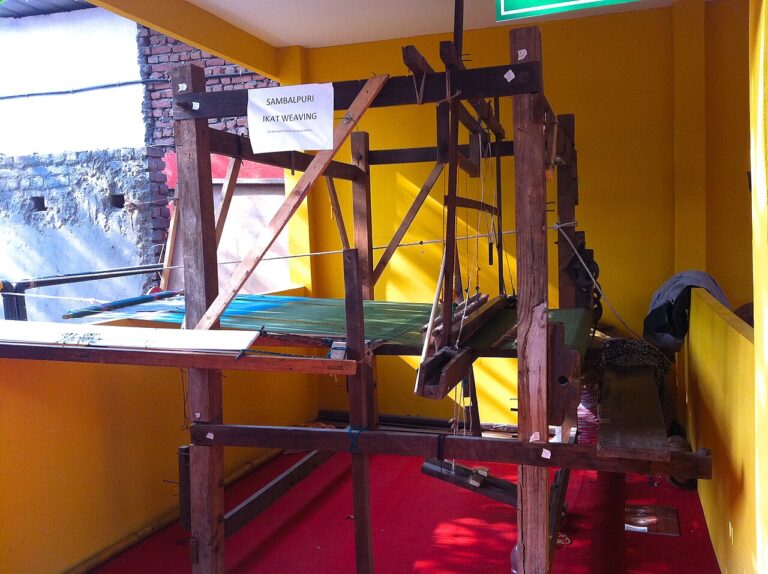
ଓଡ଼ିଶାର ଅନ୍ୟ କାରିଗରୀ — ପିପିଲି ଆପ୍ଲିକ୍, ଧୋକରା ଓ ସମ୍ବଲପୁରୀ ଶାଢ଼ୀ — ସହ ମିଶି ରାଜ୍ୟର କାରିଗରୀ ବୈବିଧ୍ୟର ପ୍ରମାଣ।
In English
The Living Legacy of Tarakasi: Cuttack’s Silver Filigree Tradition
Tarakasi, derived from the Odia words “Tara” meaning wire and “Kasi” meaning silver, represents one of the most exquisite and intricate forms of silver filigree work in the entire Indian subcontinent. Nestled in the historic city of Cuttack, often referred to as the Silver City of Odisha, this remarkable craft has been practiced for over five centuries, creating a legacy that intertwines artistic brilliance with cultural identity. The art form stands as a testament to the extraordinary skill and patience of Odia artisans who have preserved and perfected this delicate craft through generations, transforming simple silver wires into breathtaking pieces of ornamental beauty that have captivated admirers across the globe.
Historical Roots and Mughal Influence
The origins of Tarakasi can be traced back to approximately the fifteenth and sixteenth centuries when the art form began taking shape under the patronage of local rulers and wealthy merchants. However, it was during the Mughal period that Tarakasi received its most significant artistic impetus and refinement. The Mughal courts, known for their appreciation of intricate craftsmanship and decorative arts, brought with them Persian aesthetic sensibilities that profoundly influenced the existing silver working traditions of Cuttack. Artisans absorbed Mughal design elements such as floral motifs, arabesques, crescent forms, and geometric patterns, seamlessly integrating these with indigenous Odia artistic traditions including depictions of local flora, fauna, and temple architecture. This syncretic fusion created a distinctive style that remains recognizable to this day, characterized by its extraordinary delicacy and ornate complexity that balances Persian elegance with Odia cultural motifs.
The Intricate Technique Behind Tarakasi
The creation of Tarakasi is a painstaking process that demands exceptional skill, steady hands, and extraordinary patience from the artisan. The process begins with the procurement of pure silver, typically of 90 to 92 percent purity, which is drawn through a series of progressively smaller holes in a steel plate to produce extremely fine silver wires. These wires can be as thin as a human hair, and it is this fineness that gives Tarakasi its characteristic ethereal quality. The artisan then uses two primary techniques: the first involves twisting and coiling the wire to create basic forms, while the second involves flattening the wire and cutting it into tiny pieces that are shaped into various decorative elements using specialized tweezers and small tools. These individual components are then carefully soldered together using a miniature blowpipe and a mixture of borax and silver dust, without the use of any adhesive or base metal framework. The entire process requires extraordinary precision, as even a slight tremor of the hand can ruin hours of meticulous work. A single intricate piece of jewelry may take several weeks or even months to complete, depending on its complexity and the level of detail involved.
Types of Jewelry and Decorative Items
Tarakasi encompasses an extensive range of jewelry and decorative items that cater to both traditional and contemporary tastes. Among the most iconic jewelry pieces are the elaborate “Chandrahaar” and “Padarahar” necklaces, which feature cascading silver filigree elements that create a stunning visual impact when worn. The “Bhairavi” and “Mukuta” are traditional head ornaments that form an essential part of Odia bridal attire, while intricate “Karnaphool” ear ornaments and “Bajuband” armlets showcase the artisan’s ability to create lightweight yet elaborate designs. Beyond personal adornment, Tarakasi artisans produce decorative items such as silver boats, replicas of the famous Konark wheel, chariots, images of deities, miniature temples, and ornamental boxes. The “Bibinga,” a traditional nose ring, and the “Gita Gobinda” miniature book covers represent items that hold deep religious and cultural significance in Odia society. Each category of product demonstrates different aspects of the craft, from the structural challenges of creating freestanding decorative pieces to the ergonomic considerations required for wearable jewelry.
Artisan Communities Preserving the Craft
The Tarakasi tradition is kept alive by a dedicated community of artisans, primarily belonging to specific caste groups who have practiced this craft for generations. The majority of these artisans reside in areas such as Nayasarak, Buxi Bazar, Balu Bazar, and Mangalabag in Cuttack, where entire neighborhoods resonate with the rhythmic tapping of tools and the glow of small furnaces. The knowledge of Tarakasi is traditionally passed down within families, with children learning the basics of the craft from a very young age by observing their elders at work. This hereditary transmission ensures the preservation of closely guarded techniques and design secrets that have been refined over centuries. Historically, the artisan families maintained strict guild-like structures, with master craftsmen known as “Karigars” holding positions of great respect within the community. Women in these families often play crucial roles in the production process, particularly in the finishing stages, polishing, and quality control, making Tarakasi very much a family enterprise rather than an individual pursuit.
Odissi Dance: An Intimate Connection
The relationship between Tarakasi and Odissi dance is profound and symbiotic, rooted in the shared cultural heritage of Odisha. Traditional Odissi dancers adorn themselves with Tarakasi jewelry during performances, creating a visual spectacle that enhances the grace and beauty of the dance form. The “Tahia,” an elaborate headpiece worn by Odissi dancers, is often crafted using Tarakasi techniques, as are the armlets, anklets, and necklaces that catch the stage light during performances. The delicate, flowing movements of Odissi dance find their material counterpart in the filigree work, with both art forms emphasizing fluidity, grace, and intricate detail. This connection extends beyond mere adornment; the motifs used in Tarakasi often draw inspiration from the sculptures of Odishan temples that also inform Odissi dance postures and expressions. During major dance festivals and temple rituals, the use of authentic Tarakasi jewelry is considered essential for maintaining the traditional authenticity of the performance, creating an unbroken chain connecting ancient temple art, classical dance, and living craft traditions.
Famous Tarakasi Masterpieces
Throughout its history, Tarakasi has produced numerous masterpieces that demonstrate the extraordinary capabilities of this craft. Perhaps the most famous creation is the silver filigree gate presented to the Jagannath Temple in Puri, which stands as a monumental example of the scale achievable in this seemingly delicate medium. Another legendary piece is the intricate silver chariot crafted for religious processions, featuring thousands of individually formed and soldered components that create a breathtaking display of artistic virtuosity. The silver replica of the Konark Sun Temple wheel, with its precise geometric patterns and minute detailing, has been showcased in numerous national and international exhibitions. In more recent times, Tarakasi artisans have created life-sized silver filigree peacocks, elephants, and other animals that have won awards and recognition at prestigious craft exhibitions. These masterpieces not only serve as benchmarks for artistic excellence but also function as inspiration for younger artisans, demonstrating that the boundaries of Tarakasi extend far beyond conventional jewelry into the realm of sculptural art.
Geographical Indication Tag and Intellectual Property Protection
Recognizing the unique cultural and economic significance of Tarakasi, efforts have been made to secure Geographical Indication status for Cuttack’s silver filigree work. The GI tag application process was initiated to protect the authenticity of genuine Tarakasi products and prevent the sale of inferior imitations that undermine the reputation of this traditional craft. The GI registration aims to ensure that only silver filigree produced in Cuttack and its surrounding areas using traditional techniques can be legally marketed as authentic Tarakasi. This intellectual property protection is crucial for the survival of the craft, as it provides legal recourse against counterfeit products that flood the market, often produced through mechanized processes or using base metals coated with silver. The GI tag also serves as a marketing tool, helping consumers identify genuine products and enabling artisans to command premium prices that reflect the true value of their handcrafted work. The application process itself required extensive documentation of the craft’s history, techniques, and geographical boundaries, creating an valuable archival record of this living tradition.
Government Support and Institutional Initiatives
Various government agencies and institutional bodies have implemented programs to support and sustain the Tarakasi tradition. The Handicrafts and Handlooms Department of the Odisha government operates training centers where young artisans receive formal instruction in traditional techniques alongside contemporary design principles. Financial assistance schemes provide subsidized loans, tool kits, and raw materials to established artisans and newcomers to the craft. The establishment of cooperative societies has helped artisans pool resources, access larger markets, and negotiate better prices for their work. The Central Government’s schemes under the Development Commissioner for Handicrafts have facilitated participation in national and international trade fairs, exposing Tarakasi to global audiences and potential buyers. Special clusters have been developed with improved infrastructure, including shared workspaces with better lighting and ventilation, common facility centers for raw material processing, and exhibition halls for showcasing finished products. Additionally, design intervention programs conducted in collaboration with institutions like the National Institute of Design have helped artisans adapt traditional motifs to contemporary aesthetic preferences without compromising the essential character of the craft.
Modern Market Challenges and Survival Struggles
Despite its rich heritage and artistic value, Tarakasi faces numerous challenges in the contemporary market environment that threaten its very survival. The rising cost of raw silver has made production increasingly expensive, while competition from machine-made imitation jewelry, often produced at a fraction of the cost, severely undercuts genuine handcrafted Tarakasi in the market. Younger generations of artisan families are increasingly reluctant to pursue the craft as a profession, drawn instead to more lucrative and less physically demanding career options, leading to a gradual erosion of the skilled workforce. The labor-intensive nature of Tarakasi means that artisans struggle to produce quantities sufficient for large-scale commercial orders, limiting their ability to compete in mass markets. Changing fashion preferences that favor minimalist and contemporary designs over traditional ornate styles have reduced domestic demand for certain categories of Tarakasi products. Middlemen and traders often capture the majority of profits, leaving artisans with inadequate compensation for their skilled labor, creating economic conditions that make the craft unsustainable for many practitioners. The absence of effective marketing networks and e-commerce presence further limits market access, particularly for smaller artisans who lack the resources to promote their work independently.
The Path Forward for Tarakasi
The future of Tarakasi hinges on finding a sustainable balance between preserving traditional techniques and adapting to contemporary market realities. Success stories of artisans who have successfully positioned their work in premium segments suggest that there is a viable market for authentic, high-quality Tarakasi among discerning consumers who value craftsmanship and cultural heritage. Collaborations with contemporary designers and fashion houses have opened new avenues for incorporating Tarakasi elements into modern jewelry and accessories, creating fusion products that appeal to younger demographics while maintaining the essential techniques and aesthetics of the craft. The growing global interest in sustainable and ethically produced handcrafted goods presents an opportunity for Tarakasi to be positioned as a premium heritage product with a compelling story. Strengthening direct-to-consumer channels through e-commerce platforms, developing effective brand narratives, and ensuring fair compensation for artisans are critical steps that could transform the economic viability of this ancient craft. Ultimately, the survival of Tarakasi depends not merely on government support or market forces, but on a broader societal recognition that some forms of human creativity and skill are irreplaceable and deserve to be nurtured and celebrated as invaluable components of our shared cultural heritage.