ଓଡ଼ିଆ ନୂଆବର୍ଷ: ପଣା ସଂକ୍ରାନ୍ତିOdia New Year: Pana Sankranti
ପଣା ସଂକ୍ରାନ୍ତି ଓଡ଼ିଶାର ନୂଆବର୍ଷ ରୂପେ ପାଳିତ ଏକ ଅତ୍ୟନ୍ତ ଗୁରୁତ୍ୱପୂର୍ଣ୍ଣ ପର୍ବ। ପ୍ରତିବର୍ଷ ଏପ୍ରିଲ ମାସର ମଧ୍ୟଭାଗରେ (ସାଧାରଣତଃ ୧୩ ରୁ ୧୫ ତାରିଖ ମଧ୍ୟରେ) ମେଷ ସଂକ୍ରାନ୍ତି ଦିନ ଏହି ପର୍ବ ପାଳିତ ହୁଏ। ଏହି ଦିନ ସୂର୍ଯ୍ୟ ମେଷ ରାଶିରେ ପ୍ରବେଶ କରିବା ସହ ଓଡ଼ିଆ ସୌର ପଞ୍ଜିକାର ପ୍ରଥମ ମାସ ବୈଶାଖର ଆରମ୍ଭ ହୁଏ। ଏହାକୁ ମହାବିଷୁବ ସଂକ୍ରାନ୍ତି ମଧ୍ୟ କୁହାଯାଏ, କାରଣ ଏହି ଦିନ ଦିନ ଓ ରାତି ସମାନ ହୋଇଥାଏ। ଓଡ଼ିଆ ସଂସ୍କୃତିରେ ଏହି ପର୍ବର ଏକ ବିଶେଷ ସ୍ଥାନ ଅଛି, ଯାହା କେବଳ ନୂଆବର୍ଷର ଆନନ୍ଦ ନୁହେଁ ବରଂ ପ୍ରକୃତି ସହ ମଣିଷର ଅଦ୍ୱିତୀୟ ବନ୍ଧନକୁ ପ୍ରତିଫଳିତ କରେ।Pana Sankranti is a highly significant festival celebrated as the Odia New Year. It is observed every year on Mesha Sankranti, typically falling between April 13 and 15. On this day, as the Sun enters the zodiac sign of Aries (Mesha Rashi), the first month of the Odia solar calendar, Baisakha, begins. This occasion is also called Maha Vishuva Sankranti because it marks the day when daytime and nighttime are approximately equal in duration. This festival holds a special place in Odia culture, reflecting not merely the joy of a new year but a unique bond between human beings and nature.
ସାଳେଶ୍ୱରୀ ମନ୍ଦିର: ସମ୍ବଲପୁରର ଆଦିଶକ୍ତିSamaleswari Temple: The Presiding Goddess of Sambalpur
ଐତିହାସିକ ପୃଷ୍ଠଭୂମି ଏବଂ ଉତ୍ପତ୍ତିHistorical Background and Origins
ଓଡ଼ିଆ ସୌର ପଞ୍ଜିକା ଭାରତୀୟ ଜ୍ୟୋତିଷ ଶାସ୍ତ୍ରର ସୂର୍ଯ୍ୟ ସିଦ୍ଧାନ୍ତ ପରମ୍ପରା ଉପରେ ଆଧାରିତ। ଏହି ପଞ୍ଜିକା ଅନୁଯାୟୀ ବର୍ଷର ଆରମ୍ଭ ସୂର୍ଯ୍ୟର ମେଷ ରାଶିରେ ପ୍ରବେଶରୁ ଗଣନା କରାଯାଏ। ଐତିହାସିକ ପ୍ରମାଣରୁ ଜଣାଯାଏ ଯେ ଓଡ଼ିଶାରେ ସୌର ପଞ୍ଜିକାର ବ୍ୟବହାର ଅତି ପ୍ରାଚୀନ କାଳରୁ ଚାଲିଆସୁଛି। ଦଶମ ଶତାବ୍ଦୀର ଉତ୍କଳ ରାଜା ଯଯାତି କେଶରୀଙ୍କ ସମୟରୁ ଏହି ପରମ୍ପରାର ଉଲ୍ଲେଖ ମିଳେ। ଭୁବନେଶ୍ୱରର ଲିଙ୍ଗରାଜ ମନ୍ଦିର ପରି ପ୍ରାଚୀନ ମନ୍ଦିରମାନଙ୍କରେ ମେଷ ସଂକ୍ରାନ୍ତି ସମୟରେ ବିଶେଷ ଧାର୍ମିକ ଅନୁଷ୍ଠାନର ପ୍ରମାଣ ମିଳେ, ଯାହା ଏହି ପର୍ବର ପ୍ରାଚୀନତାକୁ ପ୍ରମାଣିତ କରେ।The Odia solar calendar is based on the Surya Siddhanta tradition of Indian astronomy. According to this calendar system, the year is calculated from the Sun’s entry into the zodiac sign of Aries. Historical evidence suggests that the use of the solar calendar in Odisha has been prevalent since ancient times. References to this tradition can be found from the period of Utkala king Yayati Keshari in the tenth century. Evidence of special religious ceremonies during Mesha Sankranti is found in ancient temples such as the Lingaraj Temple in Bhubaneswar, which attests to the antiquity of this festival.
ଓଡ଼ିଆ ପଞ୍ଜିକାର ଏକ ଅନ୍ୟତମ ବିଶେଷତ୍ଵ ହେଲା ଏଥିରେ ପ୍ରତି ବର୍ଷକୁ ଏକ ବିଶେଷ ନାମ ଦିଆଯାଏ। ଷାଠଟି ବର୍ଷର ଚକ୍ର ଅନୁଯାୟୀ ଏହି ନାମକରଣ ହୋଇଥାଏ, ଯଥା – ପ୍ରଜାପତି, ଅଙ୍ଗିରା, ଶ୍ରୀମୁଖ, ଭାବ, ଯୁବ, ଧାତା ଇତ୍ୟାଦି। ଏହି ନାମଗୁଡ଼ିକ ବୈଦିକ ପରମ୍ପରାରୁ ଆସିଛି ଏବଂ ଏହା ଓଡ଼ିଆ ଜ୍ୟୋତିଷ ଶାସ୍ତ୍ରର ଗଭୀରତାକୁ ଦର୍ଶାଏ। ପଣା ସଂକ୍ରାନ୍ତି ଦିନ ନୂତନ ଓଡ଼ିଆ ପଞ୍ଜିକା ମଧ୍ୟ ପ୍ରକାଶ ପାଏ। ପୁରୀର ଜଗନ୍ନାଥ ମନ୍ଦିରରେ ପ୍ରସ୍ତୁତ ଓଡ଼ିଆ ପଞ୍ଜିକା ସମଗ୍ର ଓଡ଼ିଶାରେ ଅତ୍ୟନ୍ତ ବିଶ୍ୱାସଯୋଗ୍ୟ ବୋଲି ବିବେଚିତ ହୁଏ।One unique feature of the Odia calendar is that each year is given a specific name. This naming follows a sixty-year cycle, including names such as Prajapati, Angira, Shrimukha, Bhava, Yuva, Dhata, and so on. These names originate from Vedic traditions and reflect the depth of Odia astronomical science. On Pana Sankranti, the new Odia calendar (Panjika) is also published. The Odia Panjika prepared at the Jagannath Temple in Puri is considered highly authentic throughout Odisha.
ପଣା ସଂକ୍ରାନ୍ତି ଓଡ଼ିଶାର କୃଷିଭିତ୍ତିକ ସମାଜର ଜୀବନଶୈଳୀ ସହ ଓତପ୍ରୋତ ଭାବରେ ଜଡ଼ିତ। ବୈଶାଖ ମାସ ଗ୍ରୀଷ୍ମ ଋତୁର ଆରମ୍ଭ ବୁଝାଏ ଏବଂ ଏହି ସମୟରେ କୃଷକମାନେ ନୂଆ ଚାଷ ଋତୁର ପ୍ରସ୍ତୁତି ଆରମ୍ଭ କରନ୍ତି। ପ୍ରାଚୀନ କାଳରୁ ଓଡ଼ିଆ ଲୋକମାନେ ସୂର୍ଯ୍ୟଙ୍କୁ ପ୍ରକୃତିର ପ୍ରଧାନ ଶକ୍ତି ରୂପେ ପୂଜା କରିଆସୁଛନ୍ତି। କୋଣାର୍କ ସୂର୍ଯ୍ୟ ମନ୍ଦିର ଏହି ସୂର୍ଯ୍ୟ ଉପାସନାର ଏକ ଜୀବନ୍ତ ନିଦର୍ଶନ। ତେଣୁ ସୌର ପଞ୍ଜିକା ଅନୁଯାୟୀ ନୂଆବର୍ଷ ପାଳନ ଓଡ଼ିଶାର ପ୍ରାଚୀନ ସୂର୍ଯ୍ୟ ସଂସ୍କୃତିର ଏକ ଜୀବନ୍ତ ପରମ୍ପରା।Pana Sankranti is deeply rooted in the agrarian lifestyle of Odisha’s society. The month of Baisakha marks the beginning of the summer season, and during this time, farmers begin preparations for the new cropping cycle. Since ancient times, Odia people have worshipped the Sun as the primary force of nature. The Konark Sun Temple is a living testament to this solar worship tradition. Therefore, celebrating the new year according to the solar calendar is a living tradition of Odisha’s ancient solar culture.
ସାଂସ୍କୃତିକ ମହତ୍ତ୍ଵCultural Significance
ପଣା ସଂକ୍ରାନ୍ତି ଓଡ଼ିଆ ସଂସ୍କୃତିର ଏକ ଅବିଭାଜ୍ୟ ଅଙ୍ଗ। ଏହି ପର୍ବ କେବଳ ନୂଆବର୍ଷ ପାଳନ ନୁହେଁ, ବରଂ ପ୍ରକୃତି ପ୍ରତି ଶ୍ରଦ୍ଧା, ଧାର୍ମିକ ବିଶ୍ୱାସ ଏବଂ ସାମୂହିକ ଉତ୍ସବର ଏକ ଅନୂଠା ମିଶ୍ରଣ। ଏହି ଦିନ ଲୋକମାନେ ପରସ୍ପରକୁ ନୂଆବର୍ଷର ଶୁଭେଚ୍ଛା ଦିଅନ୍ତି ଏବଂ ପାରିବାରିକ ମେଳମିଶାଳର ଆୟୋଜନ କରନ୍ତି। ଗ୍ରାମାଞ୍ଚଳରେ ଏହି ପର୍ବ ବିଶେଷ ଉତ୍ସାହ ସହକାରେ ପାଳିତ ହୁଏ, ଯେଉଁଠାରେ ସମଗ୍ର ଗ୍ରାମ ଏକଜୁଟ ହୋଇ ପାଳନ କରନ୍ତି। ଏହା ଓଡ଼ିଆ ଜାତିସତ୍ତାର ପରିଚୟ ବହନ କରେ ଏବଂ ଓଡ଼ିଆ ଲୋକମାନଙ୍କ ମଧ୍ୟରେ ଏକତା ଓ ଭାଇଚାରାର ଭାବନା ଜଗାଏ।Pana Sankranti is an integral part of Odia culture. This festival is not merely a new year celebration but a unique amalgamation of reverence for nature, religious faith, and communal festivities. On this day, people exchange new year greetings and organize family gatherings. In rural areas, this festival is celebrated with special enthusiasm, where the entire village comes together to observe it. It carries the identity of the Odia nation and fosters a spirit of unity and brotherhood among Odia people.
ପଣା ସଂକ୍ରାନ୍ତି ସହ ହନୁମାନ ଜୟନ୍ତୀ ମଧ୍ୟ ଏକା ଦିନ ପଡ଼େ, ଯାହା ଏହି ପର୍ବର ଧାର୍ମିକ ମହତ୍ତ୍ବକୁ ଆହୁରି ବୃଦ୍ଧି କରେ। ଓଡ଼ିଶାର ବିଭିନ୍ନ ହନୁମାନ ମନ୍ଦିରରେ ଏହି ଦିନ ବିଶେଷ ପୂଜା ଅର୍ଚ୍ଚନା ହୁଏ। ପୁରୀର ଜଗନ୍ନାଥ ମନ୍ଦିରରେ ମଧ୍ୟ ଏହି ଦିନ ବିଶେଷ ଅନୁଷ୍ଠାନ ଆୟୋଜିତ ହୁଏ। ମହାବିଷୁବ ସଂକ୍ରାନ୍ତି ଭାବରେ ଏହି ଦିନର ବୈଜ୍ଞାନିକ ମହତ୍ତ୍ବ ମଧ୍ୟ ଅନେକ। ଏହି ଦିନ ସୂର୍ଯ୍ୟ ସିଧା ମଧ୍ୟାହ୍ନରେ ଠିକ୍ ମଥା ଉପରେ ଥାଏ, ଯାହା ଭାରତୀୟ ଜ୍ୟୋତିଷ ଶାସ୍ତ୍ରର ଜ୍ଞାନର ଗଭୀରତାକୁ ପ୍ରମାଣିତ କରେ।Hanuman Jayanti also falls on the same day as Pana Sankranti, which further enhances the religious significance of this festival. Special prayers and worship are conducted at various Hanuman temples across Odisha on this day. Special rituals are also organized at the Jagannath Temple in Puri on this occasion. As Maha Vishuva Sankranti, this day also holds considerable scientific importance. On this day, the Sun is directly overhead at noon, which demonstrates the depth of knowledge in Indian astronomical science.
ଏହି ପର୍ବ ଓଡ଼ିଆ ସାହିତ୍ୟ ଏବଂ ଲୋକଗୀତିରେ ମଧ୍ୟ ଗଭୀର ପ୍ରଭାବ ପକାଇଛି। ବହୁ ଓଡ଼ିଆ କବି ଏବଂ ଲେଖକ ପଣା ସଂକ୍ରାନ୍ତିକୁ ନେଇ ରଚନା କରିଛନ୍ତି। ବୈଶାଖ ମାସର ଗରମ, ବେଲ ଫଳର ଶୀତଳ ପ୍ରଭାବ ଏବଂ ନୂଆବର୍ଷର ଆନନ୍ଦ – ଏହି ସବୁ ଓଡ଼ିଆ ଲୋକସାହିତ୍ୟରେ ପ୍ରତିଫଳିତ ହୋଇଛି। ଗ୍ରାମ ଗ୍ରାମରେ ମହିଳାମାନେ ବୈଶାଖ ଗୀତ ଗାଇ ଏହି ପର୍ବର ରୌଜନ ବଢ଼ାଇଥାନ୍ତି। ଏହି ପରମ୍ପରା ଓଡ଼ିଆ ସଂସ୍କୃତିର ମୌଖିକ ପରମ୍ପରାର ଏକ ଅମୂଲ୍ୟ ସମ୍ପଦ।This festival has also deeply influenced Odia literature and folk songs. Many Odia poets and writers have composed works centered around Pana Sankranti. The heat of Baisakha month, the cooling effect of bel fruit, and the joy of the new year – all these are reflected in Odia folk literature. In villages, women sing Baisakha songs to enhance the festivity of this occasion. This tradition is an invaluable asset of the oral tradition of Odia culture.
ମୁଖ୍ୟ ବିଶେଷତା ଏବଂ ପରମ୍ପରାKey Features and Traditions
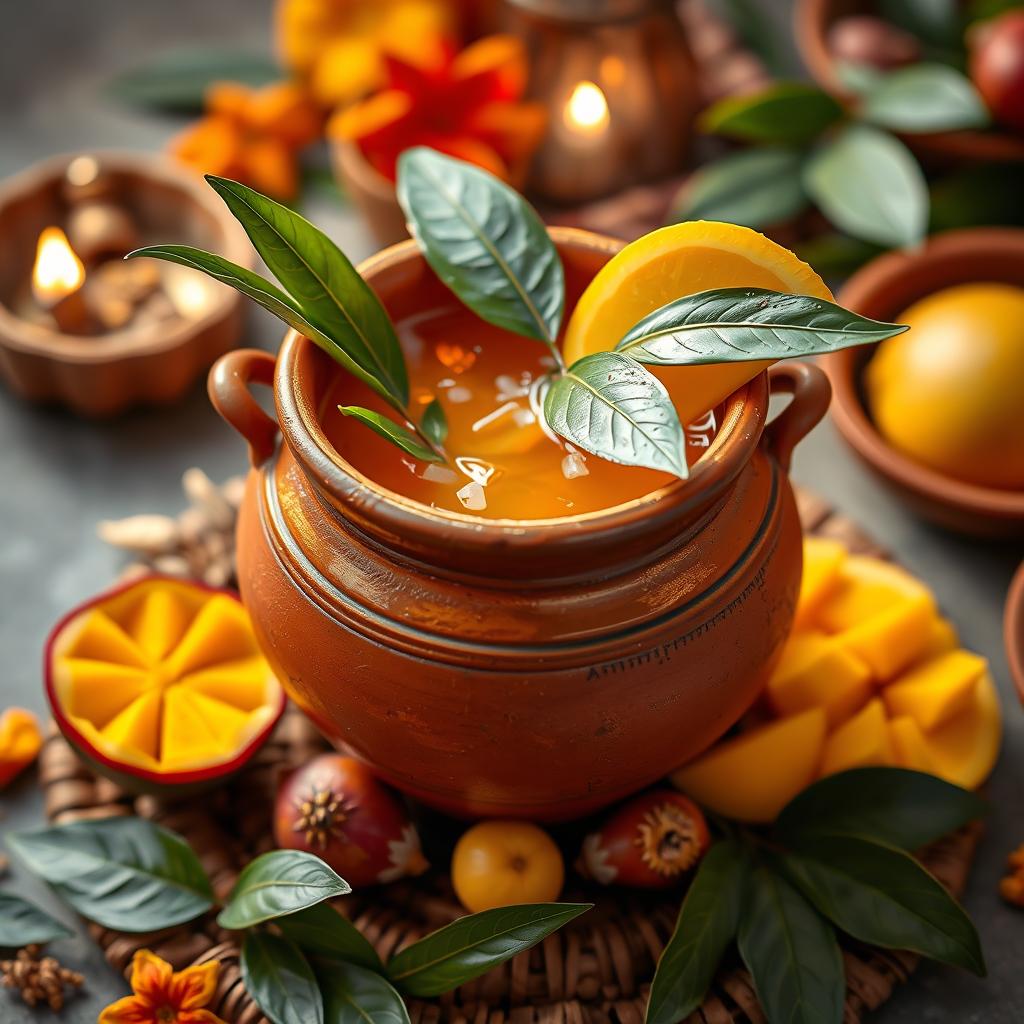
ପଣା ସଂକ୍ରାନ୍ତିର ସବୁଠାରୁ ମୁଖ୍ୟ ଆକର୍ଷଣ ହେଉଛି ‘ପଣା’ – ଏକ ବିଶେଷ ପ୍ରକାରର ଶୀତଳ ପାନୀୟ। ବେଲ ଫଳର ମଞ୍ଜି, ଦୁଗ୍ଧ, ଚିନି ବା ଗୁଡ଼, ଛେନା, କଦଳୀ ଏବଂ ନଡ଼ିଆ ପାଣିକୁ ମିଶାଇ ଏହି ପଣା ପ୍ରସ୍ତୁତ କରାଯାଏ। ବୈଶାଖ ମାସର ପ୍ରଚଣ୍ଡ ଗରମରେ ବେଲ ଫଳର ଔଷଧୀୟ ଗୁଣ ଶରୀରକୁ ଶୀତଳ ରଖିବାରେ ସାହାଯ୍ୟ କରେ। ଆୟୁର୍ବେଦ ଅନୁଯାୟୀ ବେଲ ଫଳ ପିତ୍ତ ନାଶକ, ପ୍ରଶାନ୍ତିଦାୟକ ଏବଂ ପଚନ ଶକ୍ତିକୁ ବୃଦ୍ଧି କରେ। ତେଣୁ ପଣା କେବଳ ଏକ ପାନୀୟ ନୁହେଁ, ବରଂ ଏକ ସ୍ୱାସ୍ଥ୍ୟକର ପାନୀୟ ଯାହା ଗ୍ରୀଷ୍ମ ଋତୁରେ ଶରୀରର ରୋଗ ପ୍ରତିରୋଧ ଶକ୍ତି ବଢ଼ାଏ।The most prominent attraction of Pana Sankranti is the “Pana” – a special type of cooling beverage. This drink is prepared by mixing the pulp of bel (wood apple) fruit, milk, sugar or jaggery, cottage cheese (chhena), banana, and coconut water. During the intense heat of Baisakha month, the medicinal properties of bel fruit help keep the body cool. According to Ayurveda, bel fruit reduces bile, has a calming effect, and improves digestion. Therefore, Pana is not merely a beverage but a healthful drink that boosts the body’s immunity during the summer season.
ଏହି ଦିନ ଘରେ ଘରେ ବସୁନ୍ଧରା ଥେକି ବା ବସୁନ୍ଧରା ବିନ୍ଧାଯାଏ। ଏକ ଛୋଟ ମାଟି ପାତ୍ରରେ ପାଣି ଭରି ତୁଳସୀ ଚଉରା ନିକଟରେ ଏହାକୁ ଓହରାଯାଏ। ଏହି ପରମ୍ପରାର ପଛରେ ପ୍ରକୃତି ପ୍ରତି ଶ୍ରଦ୍ଧା ଏବଂ ଗ୍ରୀଷ୍ମ ଋତୁରେ ପକ୍ଷୀ ଓ ଜୀବଜନ୍ତୁମାନଙ୍କୁ ପାଣି ଯୋଗାଇବାର ମାନବିକ ଭାବନା ନିହିତ ଅଛି। ମାଟି ପାତ୍ରରୁ ଟପକୁଥିବା ପାଣି ପକ୍ଷୀମାନଙ୍କ ପିଇବା ପାଇଁ ଉପଲବ୍ଧ ହୁଏ। ଏହା ଓଡ଼ିଆ ସଂସ୍କୃତିର ପରିବେଶ ପ୍ରେମର ଏକ ସୁନ୍ଦର ପ୍ରକାଶ। ବିଭିନ୍ନ ଜାଗାରେ ଲୋକମାନେ ରାସ୍ତା କଡ଼ରେ ମଧ୍ୟ ପଣା ବିତରଣ କରନ୍ତି ଏବଂ ଅତିଥିମାନଙ୍କୁ ପଣା ପିଆଇ ସମ୍ମାନ କରନ୍ତି।On this day, Basundhara Theki is set up in homes. A small earthen pot filled with water is hung near the Tulsi plant (basil plant pedestal). Behind this tradition lies reverence for nature and the humanitarian sentiment of providing water to birds and animals during the summer season. Water dripping from the earthen pot becomes available for birds to drink. This is a beautiful expression of the environmental love inherent in Odia culture. At various places, people also distribute Pana on the streets and honor guests by offering them this beverage.
ପଣା ସଂକ୍ରାନ୍ତିର ଆଉ ଏକ ମୁଖ୍ୟ ବିଶେଷତା ହେଉଛି ପବିତ୍ର ନଦୀ, ତାଳାବ ଓ ମନ୍ଦିର ପୋଖରୀରେ ସ୍ନାନ। ଭୁବନେଶ୍ୱରର ବିନ୍ଦୁସାଗର, ପୁରୀର ମାର୍କଣ୍ଡେୟ ତଟ, କଟକର ମହାନଦୀ ଘାଟ ଏବଂ ଅନ୍ୟାନ୍ୟ ପବିତ୍ର ଜଳାଶୟରେ ହଜାର ହଜାର ଲୋକ ସ୍ନାନ କରିବାକୁ ଆସନ୍ତି। ଏହି ସ୍ନାନକୁ ‘ମହାସ୍ନାନ’ କୁହାଯାଏ ଏବଂ ଏହା ସମସ୍ତ ପାପରୁ ମୁକ୍ତି ଦେଇଥାଏ ବୋଲି ବିଶ୍ୱାସ କରାଯାଏ। ସ୍ନାନ ପରେ ଲୋକମାନେ ମନ୍ଦିର ପରିଦର୍ଶନ କରନ୍ତି ଏବଂ ଦେବଦେବୀଙ୍କୁ ପୂଜା ଅର୍ଚ୍ଚନା କରନ୍ତି। ଏହି ଦିନ ବିଭିନ୍ନ ପ୍ରକାରର ମିଠା ବ୍ୟଞ୍ଜନ ମଧ୍ୟ ପ୍ରସ୍ତୁତ କରାଯାଏ, ଯଥା – ଅରିଷା ପିଠା, କାକରା ପିଠା, ଏଣ୍ଡୁରି ପିଠା ଏବଂ ମଣ୍ଡା ପିଠା।Another key feature of Pana Sankranti is the ritual bath in sacred rivers, ponds, and temple tanks. Thousands of people come to take a dip at Bindusagar in Bhubaneswar, Markandeya tank in Puri, Mahanadi ghats in Cuttack, and other sacred water bodies. This bath is called “Maha Snana” and is believed to liberate one from all sins. After bathing, people visit temples and offer prayers to deities. Various types of sweet dishes are also prepared on this day, including Arisha Pitha, Kakara Pitha, Enduri Pitha, and Manda Pitha.
ପଶ୍ଚିମ ଓଡ଼ିଶାରେ ପଣା ସଂକ୍ରାନ୍ତି ସମୟରେ ଦଣ୍ଡ ନାଟ ନାମକ ଏକ ପାରମ୍ପରିକ ଲୋକନୃତ୍ୟ ଓ ନାଟକର ଆୟୋଜନ କରାଯାଏ। ଦଣ୍ଡ ନାଟ ମୂଳତଃ ଚୈତ୍ର ମାସରୁ ଆରମ୍ଭ ହୋଇ ପଣା ସଂକ୍ରାନ୍ତି ଦିନ ଶେଷ ହୁଏ। ଏଥିରେ ‘ଦଣ୍ଡୁଆ’ ନାମକ ପ୍ରଦର୍ଶନକାରୀମାନେ କଠିନ ତପସ୍ୟା ଓ ଶାରୀରିକ କସରତ କରନ୍ତି। ସମ୍ବଲପୁର, ବଲାଙ୍ଗିର, କଳାହାଣ୍ଡି, ସୁନ୍ଦରଗଡ଼ ଏବଂ ଗଞ୍ଜାମ ଜିଲ୍ଲାର କେତେକ ଅଂଶରେ ଏହି ପରମ୍ପରା ବିଶେଷ ଭାବରେ ଦେଖାଯାଏ। ଦଣ୍ଡ ନାଟରେ ଶିବ, ପାର୍ବତୀ, କାଳୀ ଏବଂ ଅନ୍ୟାନ୍ୟ ଦେବଦେବୀଙ୍କର କାହାଣୀ ନାଟକ ଆକାରରେ ପ୍ରଦର୍ଶିତ ହୁଏ। ଏହା ଓଡ଼ିଶାର ଅନ୍ୟତମ ପ୍ରାଚୀନ ଲୋକନୃତ୍ୟ ପରମ୍ପରା।In western Odisha, a traditional folk dance and theatrical performance called Danda Nata is organized during Pana Sankranti. Danda Nata essentially begins in the month of Chaitra and concludes on Pana Sankranti day. In this performance, artistes known as “Dandua” undergo rigorous penance and physical exercises. This tradition is particularly prominent in Sambalpur, Balangir, Kalahandi, Sundargarh, and parts of Ganjam district. Danda Nata depicts stories of Shiva, Parvati, Kali, and other deities in dramatic form. It is one of the oldest folk dance traditions of Odisha.
ଆଧୁନିକ ପ୍ରାସଙ୍ଗିକତା ଏବଂ ପର୍ଯ୍ୟଟନModern Relevance and Tourism
ଆଧୁନିକ ଯୁଗରେ ମଧ୍ୟ ପଣା ସଂକ୍ରାନ୍ତିର ଗୁରୁତ୍ୱ ଅଟୁଟ ରହିଛି। ଆଜିକାଲି ଶହରାଞ୍ଚଳରେ ମଧ୍ୟ ଏହି ପର୍ବ ଆଡ଼ମ୍ବରରେ ପାଳିତ ହୁଏ। ବିଭିନ୍ନ ସାଂସ୍କୃତିକ ସଂଗଠନ ଏବଂ ସରକାରୀ ସଂସ୍ଥା ଏହି ଅବସରରେ ବିଶେଷ କାର୍ଯ୍ୟକ୍ରମର ଆୟୋଜନ କରନ୍ତି। ଭୁବନେଶ୍ୱର, କଟକ, ପୁରୀ ଏବଂ ଅନ୍ୟାନ୍ୟ ମୁଖ୍ୟ ଶହରମାନଙ୍କରେ ପଣା ସଂକ୍ରାନ୍ତି ଉପଲକ୍ଷେ ମେଳା, ସାଂସ୍କୃତିକ କାର୍ଯ୍ୟକ୍ରମ ଏବଂ ପ୍ରଦର୍ଶନୀ ଆୟୋଜିତ ହୁଏ। ସୋସିଆଲ ମିଡ଼ିଆ ଯୁଗରେ ଓଡ଼ିଆ ଯୁବକମାନେ ଏହି ପର୍ବର ବିଷୟରେ ସଚେତନତା ସୃଷ୍ଟି କରୁଛନ୍ତି ଏବଂ ଏହାକୁ ବିଶ୍ୱ ସ୍ତରରେ ପରିଚିତ କରାଉଛନ୍ତି।Even in the modern era, the significance of Pana Sankranti remains undiminished. Today, this festival is celebrated with grandeur even in urban areas. Various cultural organizations and government institutions organize special programs on this occasion. Fairs, cultural events, and exhibitions are organized in major cities like Bhubaneswar, Cuttack, Puri, and others to mark Pana Sankranti. In the social media era, Odia youth are creating awareness about this festival and making it known globally.
ପର୍ଯ୍ୟଟନ ଦୃଷ୍ଟିକୋଣରୁ ପଣା ସଂକ୍ରାନ୍ତି ଓଡ଼ିଶା ପାଇଁ ଏକ ଆକର୍ଷଣୀୟ ସମୟ। ଏହି ସମୟରେ ପୁରୀ, ଭୁବନେଶ୍ୱର ଏବଂ କୋଣାର୍କ ଭଳି ପ୍ରମୁଖ ପର୍ଯ୍�