Skip to content
⬤ ସମାଚାର⬤ NEWS
Festival 🛕 ପଣା ସଂକ୍ରାନ୍ତି ଅପ୍ରେଲ ୧୪ ରେ — ଓଡ଼ିଆ ନୂଆବର୍ଷ ଉଦ୍ୟାପନ Pana Sankranti on April 14 — Odia New Year celebrations
Events 🏛️ ଓଡ଼ିଶା ବିଧାନ ସଭା ବଜେଟ୍ ଅଧିବେଶନ ଚାଲୁ Odisha Assembly budget session underway
Tourism 🌊 ଚିଲିକାରେ ଶୀତ ଋତୁ ପ୍ରବାସୀ ପକ୍ଷୀ ଆଗମନ ଆରମ୍ଭ Migratory birds begin arriving at Chilika Lake
Temple 🛕 ଜଗନ୍ନାଥ ମନ୍ଦିରରେ ନୂତନ ଅନ୍ନ ବଜାର ନିର୍ମାଣ New Ananda Bazaar construction at Jagannath Temple
Economy 🎯 ଓଡ଼ିଶା IT ରୂପାନ୍ତରଣ — ଭୁବନେଶ୍ୱର IT ପାର୍କ୍ ବିସ୍ତାର Odisha IT push — Bhubaneswar IT park expansion approved
Food 🍽️ ଚେନା ପୋଡା ଦିବସ ଅପ୍ରେଲ ୧୧ — ଓଡ଼ିଶାର ଆପଣଙ୍କ ମିଠା Chhena Poda Day April 11 — Odisha's own cheesecake
Festival 🛕 ପଣା ସଂକ୍ରାନ୍ତି ଅପ୍ରେଲ ୧୪ ରେ — ଓଡ଼ିଆ ନୂଆବର୍ଷ ଉଦ୍ୟାପନ Pana Sankranti on April 14 — Odia New Year celebrations
Events 🏛️ ଓଡ଼ିଶା ବିଧାନ ସଭା ବଜେଟ୍ ଅଧିବେଶନ ଚାଲୁ Odisha Assembly budget session underway
Tourism 🌊 ଚିଲିକାରେ ଶୀତ ଋତୁ ପ୍ରବାସୀ ପକ୍ଷୀ ଆଗମନ ଆରମ୍ଭ Migratory birds begin arriving at Chilika Lake
Temple 🛕 ଜଗନ୍ନାଥ ମନ୍ଦିରରେ ନୂତନ ଅନ୍ନ ବଜାର ନିର୍ମାଣ New Ananda Bazaar construction at Jagannath Temple
Economy 🎯 ଓଡ଼ିଶା IT ରୂପାନ୍ତରଣ — ଭୁବନେଶ୍ୱର IT ପାର୍କ୍ ବିସ୍ତାର Odisha IT push — Bhubaneswar IT park expansion approved
Food 🍽️ ଚେନା ପୋଡା ଦିବସ ଅପ୍ରେଲ ୧୧ — ଓଡ଼ିଶାର ଆପଣଙ୍କ ମିଠା Chhena Poda Day April 11 — Odisha's own cheesecake
🏠 ମୁଖ୍ୟ Home 🛕 ଜଗନ୍ନାଥ ସଂସ୍କୃତି Jagannath Sanskruti 🎭 ଓଡ଼ିଆ ସଂସ୍କୃତି Odia Culture 🍽️ ଓଡ଼ିଆ ଖାଦ୍ୟ Odia Food 🗺️ ଓଡ଼ିଶା ପର୍ଯ୍ୟଟନ Odisha Tourism 🛕 ମନ୍ଦିର Temples 📜 ଓଡ଼ିଶା ଇତିହାସ Odisha History 📰 ଓଡ଼ିଶା ସମାଚାର Odisha News ℹ️ ଆମ ବିଷୟରେ About 📬 ଯୋଗାଯୋଗ Contact
ଓଡ଼ିଆ ସଂସ୍କୃତିOdia Culture

ବୋଳ ଯାତ୍ରା: ଓଡ଼ିଆ ହୋଳିDola Purnima: Odisha Holi Festival

📅 April 10, 2026 | 📖 13 ମିନିଟ୍min read | 📝 2435.6 ଶବ୍ଦwords
📋 ବିଷୟବସ୍ତୁ
📋 Table of Contents
11 min read · 2,099 words

In English

The Essence of Bol Yatra in Odisha’s Cultural Landscape

Bol Yatra, one of the most visually spectacular and culturally profound festivals of Odisha, represents the deep-rooted maritime consciousness of a civilization that has looked toward the seas for millennia. Celebrated with extraordinary fervor across the coastal and riverine landscapes of the state, this festival is far more than a mere ritualistic observance. It is a living testament to Odisha’s ancient maritime glory, its commercial connections with distant Southeast Asian kingdoms, and the spiritual worldview of a people who have always understood water as both a physical pathway and a metaphysical conduit. The festival, which reaches its zenith on the sacred occasion of Kartik Purnima, transforms the waterways of Odisha into a shimmering tapestry of floating lights, echoing with devotional songs and the collective aspirations of communities gathered at riverbanks, ponds, and sea shores.

ସାଳେଶ୍ୱରୀ ମନ୍ଦିର: ସମ୍ବଲପୁରର ଆଦିଶକ୍ତିSamaleswari Temple: The Presiding Goddess of Sambalpur

<span class=kl-or-only>ପିପିଲି ଚନ୍ଦୁଆ କଳା: ଓଡ଼ିଶାର ବିଶ୍ୱପ୍ରସିଦ୍ଧ ଆପ୍ଲିକେ କାମ</span><span class=kl-en-only>Pipli Appliqué Art: Odisha's World-Famous Chandua Craft</span>

Historical Roots and Maritime Heritage Connection

The historical significance of Bol Yatra cannot be fully appreciated without understanding Odisha’s illustrious maritime past. The ancient kingdom of Kalinga, which corresponds roughly to modern-day Odisha, was a formidable naval power with flourishing trade relations with Sri Lanka, Bali, Java, Sumatra, Borneo, and other parts of Southeast Asia. Historical accounts, including those from the Roman geographer Pliny and the Chinese traveler Hiuen Tsang, document the busy ports of Tamralipti, Manikpatna, Palur, and Kalingapatna where merchant vessels set sail on monsoon winds. Bol Yatra serves as a cultural memory of this glorious seafaring tradition. The small boats, or bolis, that are set afloat during the festival are miniature representations of the majestic merchant vessels that once departed from Odisha’s shores. Scholars of Odia culture have consistently argued that this festival is essentially a ritual reenactment of the ancient departure of Sadhabas, the legendary merchant sailors of Kalinga, who would embark on their transoceanic voyages during the favorable winds of Kartika. The festival thus functions as an annual act of cultural remembrance, keeping alive the consciousness of a maritime heritage that profoundly shaped Odisha’s identity, its art, its architecture, and its cosmopolitan outlook.

The Sacred Timing: Kartik Purnima and Its Spiritual Dimensions

The timing of Bol Yatra on Kartik Purnima, the full moon day of the Hindu month of Kartika, invests the festival with immense spiritual significance. Kartika is regarded as the most auspicious month in the Hindu calendar, and its full moon day is believed to be particularly sacred. According to Hindu mythology, this is the day when Lord Shiva destroyed the demon Tripurasura, earning the name Tripurari. For devotees of Lord Jagannath and the Vaishnava tradition prevalent in Odisha, Kartik Purnima marks the conclusion of the month-long holy observance that includes rigorous fasting, devotional singing, and pilgrimages. The waters of rivers, ponds, and seas are believed to attain purifying properties on this day, making any ritual performed near water especially meritorious. The act of setting boats afloat on Kartik Purnima is therefore imbued with multiple layers of meaning: it is an offering to the divine, a symbolic release of one’s sins and worldly attachments, a prayer for safe passage of departed souls, and an expression of gratitude for the bounties of nature. The full moon illuminating the waterways creates an ethereal atmosphere that elevates the ritual from a simple folk practice to a profound spiritual experience.

Traditional Boat Construction and Artistic Expression

The construction of the bolis, the ceremonial boats central to the festival, is itself a significant artistic tradition that showcases the craftsmanship and aesthetic sensibility of Odia artisans. Traditionally, these boats are crafted from the bark of banana plants, cork, or lightweight wood, materials that ensure the boats remain buoyant on water. The making of a boli is a meticulous process that begins days before Kartik Purnima, with families and communities coming together to prepare their vessels. The boats are decorated with remarkable artistry using colored papers, flowers, leaves, and sometimes cloth. Traditional motifs drawn from Odia folk art, including lotuses, conch shells, fish, and geometric patterns, adorn the surfaces of these miniature vessels. In many households, the preparation of the boli is a sacred family ritual passed down through generations, with elder women guiding younger members in the intricate art of decoration. The artistic variation seen in bolis across different regions reflects the diverse craft traditions of Odisha, from the delicate appliqué work reminiscent of Pipli to the vibrant floral designs characteristic of coastal communities. This aspect of Bol Yatra thus serves as a vehicle for the transmission and celebration of Odisha’s rich visual arts heritage.

Ritual Processions and Community Celebrations

The celebrations of Bol Yatra are marked by elaborate ritual processions that bring entire communities together in a shared expression of devotion and joy. On the evening of Kartik Purnima, after the customary evening rituals and prayers, people begin gathering at the nearest water body, whether it is a riverbank, a village pond, a temple tank, or the sea shore. The procession to the water is itself a festive affair, with participants singing devotional songs, beating drums, and carrying their decorated bolis with a sense of reverence and excitement. In many places, particularly in rural Odisha, the procession includes traditional music performances, with the dhol and mardala setting the rhythm and women singing specific folk songs associated with the festival. Upon reaching the water, the bolis are ceremonially placed on the surface, often with a small oil lamp or diya placed inside. As darkness falls and the moon rises, the sight of hundreds of illuminated boats floating on the water creates a magical spectacle. Participants stand at the water’s edge, watching their offerings drift away, many with folded hands and prayers on their lips. The atmosphere is one of collective devotion, communal harmony, and serene joy that transcends individual differences of caste, class, and economic status.

Regional Variations Across Odisha

While the fundamental essence of Bol Yatra remains consistent across Odisha, the festival exhibits fascinating regional variations that reflect the diverse cultural landscape of the state. In the coastal districts of Puri, Ganjam, and Balasore, where maritime traditions are most strongly embedded in community memory, the celebrations take on a distinctly nautical character. At Puri, the festival is intimately connected to the traditions of the Jagannath Temple, and the sea shore becomes a vast stage for the floating ritual. In Ganjam district, particularly around Chilika Lake, the festival incorporates elements specific to the fishing communities, with boats sometimes modeled after the actual fishing vessels used in the lake. In the western and southern parts of Odisha, where riverine traditions predominate, the festival adapts to local river cults and indigenous practices. In Sambalpur and the western Odisha region, the festival merges with local traditions of river worship, and the songs sung during the procession often belong to the Sambalpuri folk tradition. In the southern districts of Koraput, Malkangiri, and Rayagada, where tribal communities have their own rich traditions of nature worship, Bol Yatra incorporates indigenous elements, with tribal communities participating alongside their Hindu neighbors, creating a beautiful synthesis of cultural traditions. The temple towns of Bhubaneswar, Cuttack, and Konark witness grand celebrations that combine classical temple traditions with popular folk practices.

Connection to Boita Bandana and Sadhaba Traditions

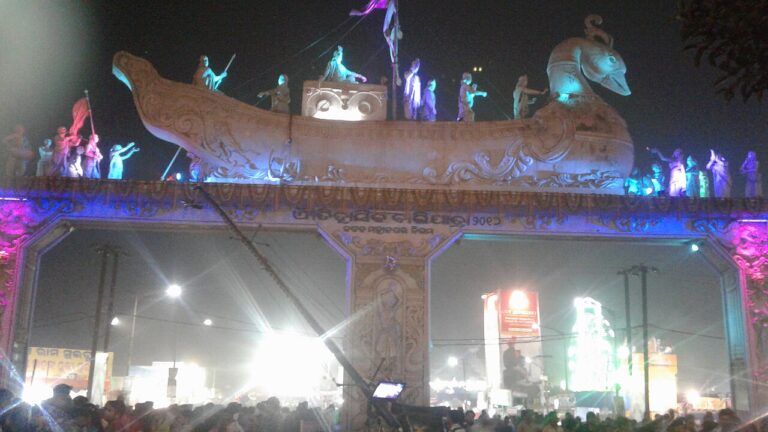
Bol Yatra is intrinsically linked to the broader tradition of Boita Bandana, which literally means the worship of boats. This connection is most explicitly celebrated at the famous Bali Yatra fair held in Cuttack, one of the largest open-air fairs in India, which commemorates the ancient maritime voyages of the Sadhabas. The Sadhabas were merchant princes of ancient Kalinga who organized large-scale trading expeditions to the islands of Southeast Asia, particularly Bali, establishing cultural and commercial colonies that left lasting imprints on the art, architecture, and religious practices of both regions. Bol Yatra can be understood as the domestic, intimate counterpart to the public, grand celebration of Bali Yatra. While Bali Yatra celebrates the historical and commercial aspects of Odisha’s maritime heritage through fairs, performances, and public ceremonies, Bol Yatra brings this celebration into the personal and familial sphere, allowing individual households to participate in the remembrance of this heritage through their own small but meaningful rituals. The songs sung during Bol Yatra often reference the Sadhabas, their brave journeys across treacherous seas, the tears of their families bidding them farewell, and the hope of their safe return. This lyrical tradition ensures that the historical memory of the Sadhabas remains alive in the popular consciousness, passed from generation to generation not through history textbooks but through the emotive medium of folk songs and ritual practices.

Spiritual Symbolism and Philosophical Underpinnings

Beyond its historical and cultural dimensions, Bol Yatra carries profound spiritual symbolism that resonates with the philosophical traditions of Odisha. The boat, in many spiritual traditions, serves as a metaphor for the human body navigating the waters of existence, with the divine as the guiding force that ensures safe passage across the ocean of samsara, the cycle of birth and death. In the context of Bol Yatra, the act of setting a boat afloat can be interpreted as a symbolic release of one’s ego, desires, and karmic burdens, allowing them to be carried away by the waters. The lamp placed within the boat represents the atman, the inner self or soul, which illuminates the darkness of ignorance. The water that receives the boat symbolizes the primordial element from which all life emerges and to which it ultimately returns. This philosophical reading of Bol Yatra aligns it with the broader themes of liberation and transcendence that are central to the Jagannath cult and the Bhakti traditions of Odisha. The festival thus operates on multiple levels simultaneously: as a historical remembrance, a communal celebration, an artistic expression, and a profound spiritual practice, each dimension enriching the others without diminishing their individual significance.

Modern Observance and Contemporary Relevance

In contemporary times, Bol Yatra has undergone significant transformations while maintaining its essential character. The festival continues to be observed with enthusiasm across Odisha, but the nature of celebrations has adapted to changing social realities. Urban celebrations, particularly in Bhubaneswar, Cuttack, and other cities, often take place at designated water bodies where large crowds gather, and the festival has acquired a more public, spectacle-like quality. The boats themselves have evolved, with many people now using readymade bolis available in markets, though traditional handmade boats continue to be valued, especially in rural areas and among culturally conscious families. Environmental concerns have also influenced modern observance, with increasing awareness about the need to use biodegradable materials for boat construction and to avoid polluting water bodies. Several organizations and community groups now promote eco-friendly Bol Yatra celebrations, encouraging the use of natural materials and organizing cleanup drives after the festival. The festival has also found new expressions through social media, with people sharing images and videos of their celebrations, thereby creating virtual communities of participants and spreading awareness about this unique cultural tradition beyond Odisha’s borders. Cultural organizations and the state government have taken steps to preserve and promote Bol Yatra as part of Odisha’s intangible cultural heritage, organizing special events, documenting traditional songs and practices, and incorporating the festival into cultural tourism initiatives.

Preserving a Living Heritage for Future Generations

The continued vitality of Bol Yatra in the face of rapid modernization and social change speaks to the resilience of Odisha’s cultural traditions and the deep emotional connection that the people of Odisha maintain with their heritage. As a festival that seamlessly weaves together history, spirituality, art, and community, Bol Yatra represents the best of Odisha’s cultural genius, its ability to find profound meaning in simple rituals and to transform everyday materials into vessels of sacred significance. The challenge for the future lies in ensuring that this festival continues to thrive not merely as a cultural spectacle or a tourist attraction but as a living, evolving tradition that remains meaningful to new generations. This requires sustained efforts in documentation, education, and community engagement, ensuring that the stories of the Sadhabas, the skills of boat-making, the beauty of the associated songs, and the spiritual depth of the ritual are transmitted to young Odias who may be increasingly distanced from their cultural roots. Bol Yatra, with its gentle boats carrying flickering lamps across dark waters, remains a powerful symbol of hope, continuity, and the enduring human desire to connect with something larger than oneself, whether that be the vast oceans that beckoned Odisha’s ancient sailors or the divine presence that illuminates the human spirit.

✍️
ଓଡ଼ିଆ ସଂସ୍କୃତି ଟିମ୍ Odia Sanskruti Team

ଓଡ଼ିଶାର ସଂସ୍କୃତି, ଇତିହାସ ଏବଂ ପରମ୍ପରାକୁ ବିଶ୍ୱ ଦୃଷ୍ଟିରୁ ଉପସ୍ଥାପନ କରୁଅଛୁ।

Showcasing Odisha's culture, history, and heritage to the world.

← ଓଡ଼ିଆ ସଂସ୍କୃତି ର ଅନ୍ୟ ପ୍ରସଙ୍ଗ ← More in Odia Culture
ଓଡ଼ିଆ ସଂସ୍କୃତି
0%