ଓଡ଼ିଆ ବିବାହ ପରମ୍ପରା: ଏକ ପରିଚୟOdia Wedding Traditions: An Introduction
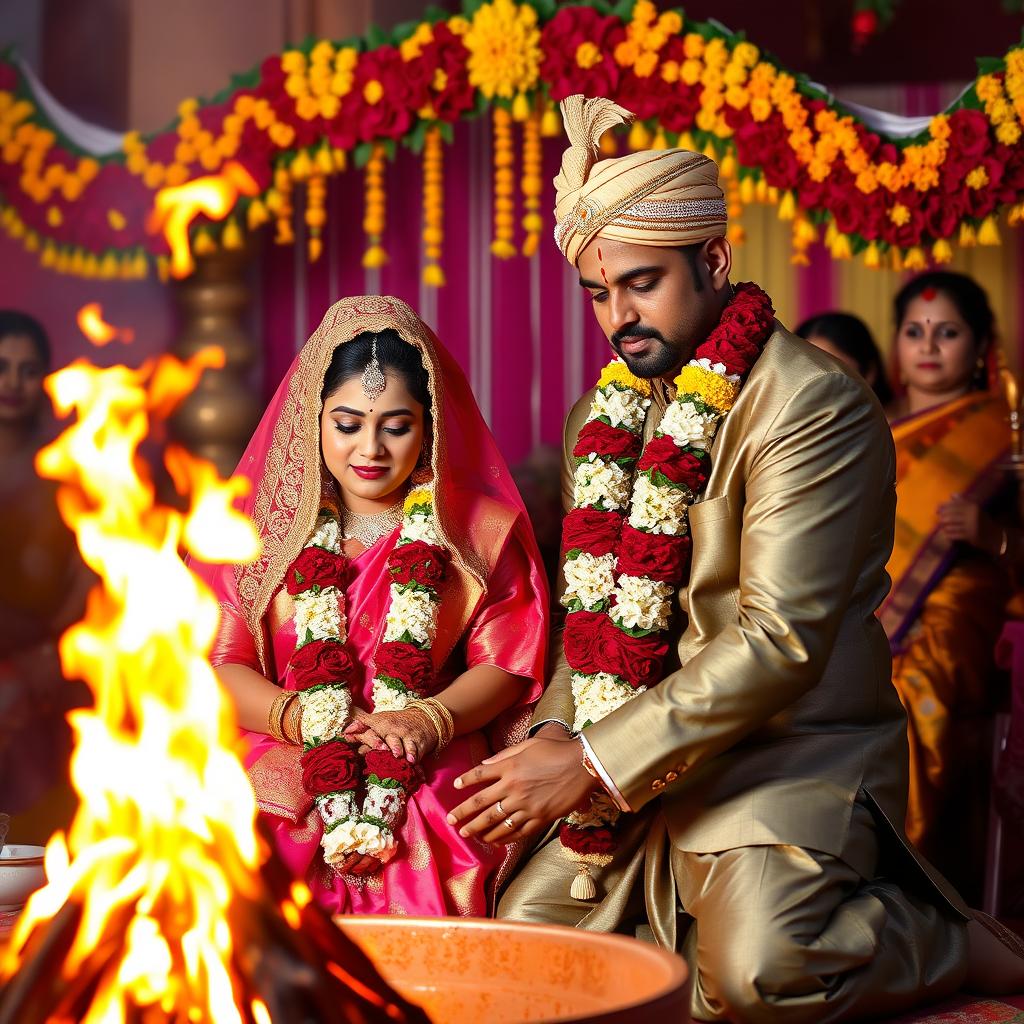
ଓଡ଼ିଶାର ବିବାହ ପରମ୍ପରା ହିନ୍ଦୁ ଧର୍ମର ବୈଦିକ ରୀତିନୀତି ଏବଂ ଆଦିବାସୀ, ଲୋକାଚାର ତଥା ଜଗନ୍ନାଥ ସଂସ୍କୃତିର ଏକ ଅପୂର୍ବ ସମ୍ମିଶ୍ରଣ । ଓଡ଼ିଆ ବିବାହ କେବଳ ଦୁଇ ବ୍ୟକ୍ତିଙ୍କ ମିଳନ ନୁହେଁ, ବରଂ ଦୁଇ ପରିବାର, ଦୁଇ ପରମ୍ପରା ଏବଂ ଦୁଇ ପରିବେଶର ସାଂସ୍କୃତିକ ସମନ୍ୱୟ । ବହୁ ଦିନର ଏହି ଉତ୍ସବରେ ହଳଦୀ, ମେହେନ୍ଦି, ସପ୍ତପଦୀ, କନ୍ୟାଦାନ, ହାତଗଣ୍ଠି ଭଳି ଅନେକ ମହତ୍ୱପୂର୍ଣ୍ଣ ଅନୁଷ୍ଠାନ ରହିଛି, ଯାହା ଓଡ଼ିଆ ସମାଜର ସାଂସ୍କୃତିକ ପରିଚୟକୁ ପ୍ରତିଫଳିତ କରେ ।The wedding traditions of Odisha represent a remarkable blend of Vedic Hindu rituals, tribal customs, folk traditions, and the cultural influence of the Jagannath tradition. An Odia wedding is not merely the union of two individuals but a cultural convergence of two families, two lineages, and two social environments. This multi-day celebration encompasses significant ceremonies such as Haldi, Mehendi, Saptapadi, Kanyadaan, and the uniquely Odia Hata Ganthi, all of which reflect the deep-rooted cultural identity of Odia society.
ସାଳେଶ୍ୱରୀ ମନ୍ଦିର: ସମ୍ବଲପୁରର ଆଦିଶକ୍ତିSamaleswari Temple: The Presiding Goddess of Sambalpur
ଐତିହାସିକ ପୃଷ୍ଠଭୂମି ଏବଂ ଉତ୍ପତ୍ତିHistorical Background and Origins
ଓଡ଼ିଆ ବିବାହ ରୀତିର ମୂଳ ବୈଦିକ ପରମ୍ପରାରେ ନିହିତ । ପ୍ରାଚୀନ କାଳରୁ ଓଡ଼ିଶାରେ ବିବାହକୁ ଏକ ପବିତ୍ର ସଂସ୍କାର ରୂପେ ବିବେଚନା କରାଯାଉଥିଲା । ଗ୍ରହସୂତକ ଏବଂ ବ୍ରାହ୍ମଣ ଗ୍ରନ୍ଥମାନଙ୍କରେ ବିବାହ ସଂସ୍କାରର ବିଧାନ ବର୍ଣ୍ଣନା କରାଯାଇଛି । ଓଡ଼ିଶାର ପ୍ରାଚୀନ ରାଜବଂଶମାନଙ୍କ ସମୟରୁ ବିବାହ ଅନୁଷ୍ଠାନରେ ସାମାଜିକ ମର୍ଯ୍ୟାଦା ଏବଂ ଧାର୍ମିକ ବିଧାନର ଗୁରୁତ୍ୱ ପରିଲକ୍ଷିତ ହୁଏ । ଗଙ୍ଗ ଏବଂ ଗଜପତି ରାଜବଂଶର ସମୟରେ ବିବାହ ରୀତିରେ ବ୍ରାହ୍ମଣ୍ୟ ପରମ୍ପରାର ପ୍ରାଧାନ୍ୟ ବଢ଼ିଥିଲା । ଏକାଦଶ ଶତାବ୍ଦୀରେ ଜଗନ୍ନାଥ ମନ୍ଦିର ନିର୍ମାଣ ପରେ ଶ୍ରୀମନ୍ଦିରର ରୀତିନୀତି ଓଡ଼ିଆ ବିବାହ ପରମ୍ପରା ଉପରେ ଗଭୀର ପ୍ରଭାବ ପକାଇଥିଲା ।The roots of Odia wedding customs lie deep in Vedic traditions. Since ancient times, marriage in Odisha has been regarded as a sacred sacrament. The rules and procedures of the marriage ceremony are described in Grihyasutras and Brahmana texts. The importance of social status and religious rituals in wedding ceremonies can be observed from the period of ancient Odishan dynasties. During the reign of the Ganga and Gajapati dynasties, Brahminical traditions became more prominent in wedding customs. After the construction of the Jagannath Temple in the eleventh century, the rituals and practices of the Shrimandir deeply influenced Odia wedding traditions.
ଓଡ଼ିଆ ବିବାହରେ ଜଗନ୍ନାଥ ସଂସ୍କୃତିର ପ୍ରଭାବ ସ୍ପଷ୍ଟ ଦେଖାଯାଏ । ବିବାହ ପୂର୍ବରୁ ବର ଓ କନ୍ୟା ଉଭୟ ଜଗନ୍ନାଥଙ୍କୁ ଦର୍ଶନ କରିବାକୁ ଯାଆନ୍ତି ଏବଂ ମହାପ୍ରସାଦ ଗ୍ରହଣ କରନ୍ତି । ବିବାହ ମଣ୍ଡପରେ ଜଗନ୍ନାଥ, ବଳଭଦ୍ର ଓ ସୁଭଦ୍ରାଙ୍କ ଚିତ୍ର ବା ମୂର୍ତ୍ତି ସ୍ଥାପନ କରାଯାଏ । ଏହା ଛଡ଼ା ଓଡ଼ିଶାର ଆଦିବାସୀ ସମ୍ପ୍ରଦାୟମାନଙ୍କର ବିବାହ ରୀତି ଯଥା – ସାନ୍ତାଳ, ମୁଣ୍ଡା, ଗୋଣ୍ଡ ଏବଂ କନ୍ଧ ଜାତିମାନଙ୍କର ସ୍ୱତନ୍ତ୍ର ବିବାହ ପରମ୍ପରା ମଧ୍ୟ ଓଡ଼ିଆ ସଂସ୍କୃତିର ବିଭିନ୍ନତାକୁ ପ୍ରଦର୍ଶନ କରେ । ଏହି ଆଦିବାଶୀ ବିବାହ ରୀତିରେ ନୃତ୍ୟ, ସଂଗୀତ ଏବଂ ସାମୂହିକ ଉତ୍ସବର ପ୍ରାଧାନ୍ୟ ରହିଛି ।The influence of Jagannath culture is clearly visible in Odia weddings. Before the wedding, both the bride and groom visit the Jagannath temple for darshan and partake of Mahaprasad. Images or idols of Jagannath, Balabhadra, and Subhadra are installed at the wedding pavilion. Additionally, the distinct wedding traditions of Odisha’s tribal communities—such as the Santhals, Mundas, Gonds, and Kandhas—demonstrate the cultural diversity within Odia society. These tribal wedding customs place special emphasis on dance, music, and communal celebration.
ଐତିହାସିକ ଭାବେ ଓଡ଼ିଆ ବିବାହରେ ବରପକ୍ଷ ଓ କନ୍ୟାପକ୍ଷର ଭୂମିକା ଅତ୍ୟନ୍ତ ସୁନିର୍ଦିଷ୍ଟ । ପୂର୍ବେ ବିବାହ ସମ୍ବନ୍ଧରେ ପରିବାରର ବୟୋଜ୍ୟେଷ୍ଠ ସଦସ୍ୟ ଏବଂ ପଣ୍ଡିତମାନେ ମୁଖ୍ୟ ଭୂମିକା ନିର୍ବାହ କରୁଥିଲେ । ଜ୍ୟୋତିଷ ଗଣନା ଅନୁଯାୟୀ ବିବାହର ମୁହୂର୍ତ୍ତ ନିର୍ଦ୍ଧାରଣ କରାଯାଉଥିଲା । ଓଡ଼ିଆ ପରମ୍ପରାରେ ନିର୍ବନ୍ଧ ବା ବାଗଦାନ ଅତ୍ୟନ୍ତ ଗୁରୁତ୍ୱପୂର୍ଣ୍ଣ ଅଟେ, ଯେଉଁଥିରେ ଉଭୟ ପକ୍ଷର ପରିବାର ପାଣି ଓ ସୁପାରି ବିନିମୟ କରନ୍ତି । ଏହି ପରମ୍ପରା ଶତାବ୍ଦୀରୁ ଚାଲିଆସୁଛି ଏବଂ ଆଜି ମଧ୍ୟ ପ୍ରାସଙ୍ଗିକ ଅଛି ।Historically, the roles of the bride’s family and the groom’s family in an Odia wedding have been very specifically defined. In earlier times, the eldest members of the family and learned Brahmins played the primary role in arranging marriages. The auspicious time for the wedding was determined through astrological calculations. In Odia tradition, the engagement ceremony known as Nirbandha is extremely important, during which both families exchange betel nut and formal letters of agreement. This tradition has continued for centuries and remains relevant even today.
ସାଂସ୍କୃତିକ ମହତ୍ତ୍ୱCultural Significance
ଓଡ଼ିଆ ବିବାହ ପରମ୍ପରା କେବଳ ଏକ ସାମାଜିକ ଅନୁଷ୍ଠାନ ନୁହେଁ, ଏହା ଓଡ଼ିଆ ଜାତିର ସାଂସ୍କୃତିକ ଅଭିଜ୍ଞାନର ପ୍ରତୀକ । ବିବାହର ପ୍ରତ୍ୟେକ ଅନୁଷ୍ଠାନରେ ଓଡ଼ିଆ ଲୋକଜୀବନ, କଳା, ସାହିତ୍ୟ ଏବଂ ଆଧ୍ୟାତ୍ମିକତାର ପ୍ରତିଫଳନ ଦେଖାଯାଏ । କୁରୁଆଣି ପରମ୍ପରାରେ ମହିଳାମାନେ ଗାଉଥିବା ବିବାହ ଗୀତମାନେ ଓଡ଼ିଆ ଲୋକସାହିତ୍ୟର ଏକ ଅମୂଲ୍ୟ ସମ୍ପଦ । ଏହି ଗୀତମାନଙ୍କରେ କନ୍ୟାର ଜୀବନର ବିଭିନ୍ନ ପରିସ୍ଥିତି, ପିତାମାତାଙ୍କ ପ୍ରତି ଶ୍ରଦ୍ଧା ଏବଂ ନୂଆ ଘରର ଆଶା-ନିରାଶାର ବର୍ଣ୍ଣନା କରାଯାଏ । ଏହି ଗୀତମାନ ମୁଖାମୁଖି ଭାବେ ପିଢ଼ି ପରେ ପିଢ଼ି ଚାଲିଆସୁଛି ।Odia wedding tradition is not merely a social institution; it is a symbol of the cultural identity of the Odia people. Every ceremony in the wedding reflects Odia folk life, arts, literature, and spirituality. The wedding songs sung by women during the Kuruan tradition are an invaluable treasure of Odia folk literature. These songs describe the various circumstances of the bride’s life, respect for parents, and the hopes and anxieties regarding the new household. These songs have been passed down orally from generation to generation.
ଓଡ଼଼ିଆ ବିବାହରେ ନାୟକ-ନାୟିକା ଭେଷଜ ବା ପାରମ୍ପରିକ ପୋଷାକ ଏକ ବିଶେଷ ସାଂସ୍କୃତିକ ପରିଚୟ । ବର ସାଧାରଣତଃ ଧୋତି, ଉତ୍ତରୀୟ ଏବଂ ପାଇକ ପୋଷାକ ପିନ୍ଧିଥାନ୍ତି । ପାଇକ ପୋଷାକ ଗଜପତି ସମୟର ସୈନ୍ୟ ପରମ୍ପରାର ପ୍ରତୀକ । କନ୍ୟା ସେରୁକ ବା ବୋମ୍ବାଇ ସୂତାର ଶାଢ଼ୀ ପିନ୍ଧିଥାନ୍ତି ଏବଂ ପାରମ୍ପରିକ ସୁନା ଅଳଙ୍କାର ଯଥା – ଗଜ, କରଫୁଳ, ବେଣୀ, ଚମ୍ପାକାଳି ଓ ବାଜୁବନ୍ଧ ଆଦି ପିନ୍ଧିଥାନ୍ତି । ବୋମ୍ବାଇ ଶାଢ଼ୀ ଓଡ଼ିଶାର ବିଖ୍ୟାତ ଇକତ ଶାଢ଼ୀ ଯାହା ଭୁବନେଶ୍ୱର, ସମ୍ବଲପୁର ଓ ଗଞ୍ଜାମରେ ପ୍ରସ୍ତୁତ ହୁଏ । ଏହି ପୋଷାକ ଓଡ଼ିଶାର ବୁଣାକାର କଳାକୁ ବିଶ୍ୱ ସମକ୍ଷ ପରିଚିତ କରାଏ ।The traditional attire of the bride and groom in Odia weddings represents a special cultural identity. The groom typically wears a dhoti, an uttariya or upper cloth, and sometimes the Paika dress. The Paika dress is a symbol of the martial tradition from the Gajapati era. The bride wears a Saree—often a Bomkai or Sambalpuri Ikat saree—along with traditional gold ornaments such as Gaja, Karaphula, Bani, Champakali, and Bajubandh. The Bomkai saree is Odisha’s famous ikat saree, produced in places like Bhubaneswar, Sambalpur, and Ganjam. This attire introduces Odisha’s weaving art to the world stage.
ଓଡ଼ିଆ ବିବାହ ଭୋଜି ବା ନିମନ୍ତ୍ରଣ ଭୋଜନ ମଧ୍ୟ ଏକ ଅନନ୍ୟ ସାଂସ୍କୃତିକ ଧର୍ମ । ପାରମ୍ପରିକ ଓଡ଼ିଆ ବିବାହ ଭୋଜିରେ ପଖାଳ, ଦଳମା, ଘୁଗୁନି, ଚକଟା ପିଠା, କାକରା ପିଠା, ଅରିଷା ପିଠା, ଏଣ୍ଡୁରି ପିଠା, ଚେନା ପୋଡ଼ା ଏବଂ ରସଗୋଲା ଭଳି ବିଭିନ୍ନ ପରମ୍ପରାଗତ ଖାଦ୍ୟ ପରିବେଶନ କରାଯାଏ । ବ୍ରାହ୍ମଣ ପରିବାରମାନଙ୍କରେ ବିବାହ ଭୋଜି ସମ୍ପୂର୍ଣ୍ଣ ଶାକାହାରୀ ହୋଇଥାଏ । ଭୋଜନ ବିତରଣ ପରମ୍ପରାରେ କଳା ପତ୍ର ବା ନଡ଼ିଆ ପତ୍ରରେ ଭୋଜନ ପରିବେଶନ କରାଯାଏ, ଯାହା ଓଡ଼ିଆ ପରିବେଶପ୍ରେମର ପ୍ରତୀକ ।The Odia wedding feast is also a unique cultural practice. A traditional Odia wedding feast includes various delicacies such as Pakhala, Dalma, Ghuguni, Chakata Pitha, Kakara Pitha, Arisha Pitha, Enduri Pitha, Chhena Poda, and Rasagola. In Brahmin families, the wedding feast is entirely vegetarian. In the food serving tradition, meals are served on Kala leaf or banana leaf, which symbolizes the Odia love for nature and environment.
ମୁଖ୍ୟ ଅନୁଷ୍ଠାନ ଏବଂ ବିଶେଷତାKey Ceremonies and Features
ଓଡ଼ିଆ ବିବାହ ଅନେକ ଦିନ ଧରି ଚାଲେ ଏବଂ ପ୍ରତ୍ୟେକ ଦିନର ଅନୁଷ୍ଠାନର ନିଜସ୍ୱ ମହତ୍ତ୍ୱ ରହିଛି । ମଙ୍ଗଣା ହେଉଛି ବିବାହର ପ୍ରଥମ ଅନୁଷ୍ଠାନ, ଯେଉଁଥିରେ ବର ଓ କନ୍ୟାଙ୍କ ଶରୀରରେ ହଳଦୀ ଲଗାଯାଏ । ଏହା ଶୁଦ୍ଧିକରଣ ଏବଂ ସୌଭାଗ୍ୟର ପ୍ରତୀକ । ହଳଦୀ ଅନୁଷ୍ଠାନ ପରେ ମେହେନ୍ଦି ବା ମେଣ୍ଢା ଲାଗିବା ପରମ୍ପରା ରହିଛି । ଆଧୁନିକ ସମୟରେ ସଙ୍ଗୀତ ଉତ୍ସବ ମଧ୍ୟ ବିବାହ ପୂର୍ବରୁ ଆୟୋଜନ କରାଯାଏ, ଯେଉଁଥିରେ ପରିବାର ସଦସ୍ୟ ଏବଂ ବନ୍ଧୁମାନେ ଏକତ୍ର ନାଚଗୀତ କରନ୍ତି । ଏହି ଅନୁଷ୍ଠାନମାନଙ୍କରେ କୁରୁଆଣି ପରମ୍ପରା ଅତ୍ୟନ୍ତ ଜୀବନ୍ତ । ମହିଳାମାନେ ରାତି ଜାଗି ବିବାହ ଗୀତ ଗାଇବା ଓଡ଼ିଆ ବିବାହର ଏକ ଅଙ୍ଗ ।An Odia wedding spans several days, and each day’s ceremony holds its own significance. Mangana is the first ceremony, in which turmeric paste is applied to the bodies of both the bride and groom. This symbolizes purification and auspiciousness. Following the Haldi ceremony, there is the tradition of applying Mehendi. In modern times, a Sangeet celebration is also organized before the wedding, where family members and friends come together for dance and music. The Kuruan tradition is especially vibrant during these ceremonies. Women staying awake at night and singing wedding songs is an integral part of an Odia wedding.
ବିବାହର ମୁଖ୍ୟ ଦିନରେ କନ୍ୟାଦାନ ଅନୁଷ୍ଠାନ ଅତ୍ୟନ୍ତ ଭାବୁକ ଏବଂ ପବିତ୍ର । କନ୍ୟାର ପିତା କନ୍ୟାଙ୍କ ହାତ ବରଙ୍କ ହାତରେ ଦେଇ ଦାନ କରନ୍ତି । ଏହି ଅନୁଷ୍ଠାନରେ ପିତାଙ୍କର ଆବେଗମୟ ଭୂମିକାକୁ ଓଡ଼ିଆ ବିବାହ ଗୀତମାନଙ୍କରେ ସୁନ୍ଦର ଭାବେ ବର୍ଣ୍ଣନା କରାଯାଇଛି । କନ୍ୟାଦାନ ପରେ ହାତଗଣ୍ଠି ଅନୁଷ୍ଠାନ ଓଡ଼ିଆ ବିବାହର ସବୁଠାରୁ ଅନନ୍ୟ ବିଶେଷତା । ଏଥିରେ ବର ଓ କନ୍ୟାଙ୍କର ହାତକୁ ଏକ ପବିତ୍ର ସୂତା ଦ୍ୱାରା ବାନ୍ଧି ଦିଆଯାଏ । ଏହି ସୂତାକୁ ମଙ୍ଗଳ ସୂତା କୁହାଯାଏ । ହାତଗଣ୍ଠି ଓଡ଼ିଆ ବିବାହର ପ୍ରତ୍ୟକ୍ଷ ସମାପନ ବୋଲି ବିବେଚନା କରାଯାଏ ।On the main wedding day, the Kanyadaan ceremony is deeply emotional and sacred. The bride’s father places the bride’s hand in the groom’s hand, symbolically giving her away as a gift. The father’s emotional role in this ceremony has been beautifully described in Odia wedding songs. After Kanyadaan, the Hata Ganthi ceremony is the most unique feature of an Odia wedding. In this ritual, the hands of the bride and groom are tied together with a sacred thread. This thread is called the Mangal Sutra. Hata Ganthi is considered the definitive completion of an Odia wedding.
ସପ୍ତପଦୀ ହିନ୍ଦୁ ବିବାହର ସବୁଠାରୁ ମହତ୍ୱପୂର୍ଣ୍ଣ ଅନୁଷ୍ଠାନ । ଏଥିରେ ବର ଓ କନ୍ୟା ଅଗ୍ନିକୁ ସାକ୍ଷୀ ରଖି ସାତ ପଦକ୍ଷେପ ନେନ୍ତି । ପ୍ରତ୍ୟେକ ପଦକ୍ଷେପରେ ଏକ ନିର୍ଦ୍ଦିଷ୍ଟ ପ୍ରତିଜ୍ଞା ନିଆଯାଏ – ଅନ୍ନ, ବଳ, ଧନ, ସୁଖ, ସନ୍ତାନ, ଋତୁ ଏବଂ ମିତ୍ରତା ସମ୍ବନ୍ଧୀୟ । ଏହାପରେ ସିନ୍ଦୂର ଦାନ ଅନୁଷ୍ଠାନ ହୁଏ, ଯେଉଁଥିରେ ବର କନ୍ୟାଙ୍କ ମାଝିରେ ସିନ୍ଦୂର ପୂରଣ କରନ୍ତି । କନ୍ୟାନାୟନ ଓଡ଼ିଆ ବିବାହର ଆଉ ଏକ ଅନନ୍ୟ ଅନୁଷ୍ଠାନ । ଏଥିରେ କନ୍ୟା ପ୍ରଥମ ଥର ପାଇଁ ବରଙ୍କ ମୁଖ ଏକ ଆଇନାରେ ଦେଖନ୍ତି । ଏହି ଆଇନାରେ ଜଳ ଭରି ରଖାଯାଏ ଏବଂ ଏହା ଏକ ଅତି ଆବେଗପ୍ରବଣ ମୁହୂର୍ତ୍ତ ।Saptapadi is the most important ceremony in a Hindu wedding. In this ritual, the bride and groom take seven steps around the sacred fire, with Agni as the witness. With each step, a specific vow is taken—related to food, strength, wealth, happiness, progeny, seasons, and friendship. After this, the Sindura Dana ceremony takes place, in which the groom fills the parting of the bride’s hair with sindur or vermilion. Kanayana is another uniquely Odia wedding ritual. In this ceremony, the bride sees the groom’s face for the first time in a mirror. Water is placed in this mirror, making it an extremely emotional moment.
ବାରାଣ ହେଉଛି ବରଙ୍କ ସ୍ୱାଗତ ଅନୁଷ୍ଠାନ । ବିବାହ ସମ୍ପୂର୍ଣ୍ଣ ହେବା ପରେ କନ୍ୟାପକ୍ଷ ବରଙ୍କୁ ପାନ, ସୁପାରି ଏବଂ ଉପହାର ସହ ସ୍ୱାଗତ କରନ୍ତି । ଏହାପରେ ଗୃହପ୍ରବେଶ ଅନୁଷ୍ଠାନ ହୁଏ, ଯେଉଁଥିରେ କନ୍ୟା ପ୍ରଥମ ଥର ପାଇଁ ବରଙ୍କ ଘରକୁ ଆସନ୍ତି । ଗୃହପ୍ରବେଶ ସମୟରେ କନ୍ୟା ଘରର ଦ୍ୱାରରେ ଚାଉଳ ଓ ଦୂର୍ବା ଘୋଡ଼ାଇ ପ୍ରବେଶ କରନ୍ତି । ଘରର ବୁଢ଼ୀ ମହିଳାମାନେ କନ୍ୟାଙ୍କୁ ଆଶୀର୍ବାଦ ଦିଅନ୍ତି ଏବଂ ଫୁଲ ବର୍ଷା କରନ୍ତି । ଏହାପରେ ଅଷ୍ଟମଙ୍ଗଳ ଏବଂ ଅନ୍ୟାନ୍ୟ ଶୁଭ ଅନୁଷ୍ଠାନ ହୁଏ । ଗୃହପ୍ରବେଶ ପରେ କନ୍ୟା ଘରର କୁଳଦେବତାଙ୍କୁ ପୂଜା କରନ୍ତି ଏବଂ ପରିବାରର ସମସ୍ତ ସଦସ୍ୟଙ୍କୁ ଆଶୀର୍ବାଦ ନିଅନ୍ତି ।Baaran is the welcoming ceremony for the groom. After the wedding is complete, the bride’s family welcomes the groom with betel nut, betel leaf, and gifts. Following this, the Grihaprabesh ceremony takes place, in which the bride enters the groom’s home for the first time. During Grihaprabesh, the bride enters the doorway after pouring rice and durva grass. The elder women of the household bless the bride and shower her with flowers. After this, the Ashtamangala and other auspicious ceremonies are performed. Following Grihaprabesh, the bride worships the family deity and seeks blessings from all members of the family.
ଆଧୁନିକ ପ୍ରାସଙ୍ଗିକତା ଏବଂ ପର୍ଯ୍ୟଟନModern Relevance and Tourism
ଆଧୁନିକ ଯୁଗରେ ଓଡ଼ିଆ ବିବାହ ପରମ୍ପରା ଅନେକ ପରିବର୍ତ୍ତନର ସମ୍ମୁଖୀନ ହେଉଛି, କିନ୍ତୁ ଏହାର ମୂଳ ସାରରେ କୌଣସି ପରିବର୍ତ୍ତନ ହୋଇନାହିଁ । ଆଜି ମଧ୍ୟ ଓଡ଼ିଆ ପରିବାରମାନେ ହାତଗଣ୍ଠି, ସପ୍ତପଦୀ, କନ୍ୟାଦାନ ଏବଂ କନ୍ୟାନାୟନ ଭଳି ପାରମ୍ପରିକ ଅନୁଷ୍ଠାନକୁ ସମାନ ଭକ୍ତି ଓ ଶ୍ରଦ୍ଧାର ସହକାରେ ପାଳନ କରୁଛନ୍ତି । ବିବାହ ମଣ୍ଡପର ସଜ୍ଜାରେ ଆଧୁନିକତା ଆସିଛି, କିନ୍ତୁ ପରମ୍ପରାଗତ ଓଡ଼ିଆ ମୋଟିଫ୍ ଯଥା – କ