ଓଡ଼ିଶାର ପାରମ୍ପରିକ ଚିକିତ୍ସା ଓ ଆୟୁର୍ବେଦ
ଓଡ଼ିଶାର ଗାଁଘରେ ଶତାବ୍ଦୀ ଧରି ଚାଲିଆସୁଥିବା ଲୋକ-ଚିକିତ୍ସା ପଦ୍ଧତି ଆୟୁର୍ବେଦ ସହ ମିଶି ଏକ ସମୃଦ୍ଧ ଜ୍ଞାନପରମ୍ପରା — ବୈଦ୍ୟ, ଗୁଣିଆ ଓ ଘରୋଇ ଉପଚାରର ଜଗତ। ପଣା ସଂକ୍ରାନ୍ତିର ପଣା (ପାଣିପନା), ଶୀତର ବୁଢ଼ା ବାବୁଡ଼ିଙ୍କ ମୁଢ଼ି, ଗରମରେ ପଖାଳଭାତ — ଋତୁ ଅନୁସାରେ ଖାଦ୍ୟ ଓ ପାନୀୟ ଏହି ପରମ୍ପରାର ଅଂଶ।
ମୁଖ୍ୟ ଉପାଦାନ
- ଔଷଧୀୟ ଗଛ: ତୁଳସୀ, ପଥରକୁଆଡ଼ି, ଭୁଇଁକୋଷ, ଅଶ୍ୱଗନ୍ଧା — ଗାଁ ବଗିଚାରୁ ଅରଣ୍ୟ ପର୍ଯ୍ୟନ୍ତ।
- ପଞ୍ଚକୁଳ ଓ ମହାମୃତ୍ୟୁଞ୍ଜୟ ପୂଜା ସହ ସଂଯୁକ୍ତ ଆରୋଗ୍ୟ ବିଶ୍ୱାସ।
- ଆଦିବାସୀ ଅଞ୍ଚଳର ବନ-ଔଷଧ — ଆଦିବାସୀ ଜ୍ଞାନ ପରମ୍ପରା।
ଖାଦ୍ୟ-ପାନୀୟ ପରମ୍ପରା — ଓଡ଼ିଆ ଖାଦ୍ୟ ଓ ପଖାଳ — ମଧ୍ୟ ଏହି ଚିକିତ୍ସା ଦର୍ଶନରୁ ଆସିଛି; ରାଜ୍ୟରେ ସରକାରୀ ଆୟୁର୍ବେଦ ମହାବିଦ୍ୟାଳୟ (ପିପିଲି, ଗଞ୍ଜାମ) ଏହି ଜ୍ଞାନକୁ ପାଠ୍ୟକ୍ରମରେ ରଖିଛି।
In English
The Ancient Roots of Odia Healing Traditions
Odia traditional medicine represents one of the most sophisticated and enduring systems of indigenous healthcare in the Indian subcontinent, with roots that stretch back thousands of years. The geographical and ecological diversity of Odisha—from its vast coastal plains to the dense forests of the Eastern Ghats—has nurtured an extraordinary pharmacopoeia of medicinal plants and healing practices. The state’s connection to Ayurveda is historically profound, with ancient texts and palm-leaf manuscripts documenting centuries of accumulated medical wisdom. The Jagannath Temple in Puri itself has been a center of traditional healing, where certain medicinal preparations are still made according to protocols dating back to the Ganga dynasty. Odisha’s tribal communities, constituting nearly twenty-three percent of the state’s population, have preserved parallel yet distinct systems of ethnomedicine that complement classical Ayurvedic knowledge. These traditions are not mere relics of the past but living, evolving systems that continue to serve as primary healthcare for millions of people across the state, particularly in remote and underserved regions where modern medical infrastructure remains inadequate.
Tribal Healing Practices Across Odisha’s Diverse Communities
The tribal communities of Odisha—including the Santhal, Munda, Oraon, Kondh, Gond, Juang, Bhuyan, and Bhotra peoples—each maintain unique healing traditions shaped by their specific ecological niches and cultural worldviews. The Kondh tribes of the Eastern Ghats practice a form of healing deeply intertwined with their animistic spiritual beliefs, where illness is often understood as a disruption in the relationship between humans, spirits, and the natural world. Their healing rituals typically involve elaborate ceremonies conducted by tribal priests known as Disari or Jani, who invoke forest deities and ancestral spirits while administering herbal preparations. The Santhal community, spread across the northern districts of Mayurbhanj and Sundargarh, has developed a remarkably systematic classification of diseases and their treatments, with specialized healers for different categories of ailments. The Bhotra and Didayi tribes of the Koraput region maintain secret knowledge passed down through strict patrilineal lines, particularly regarding the treatment of snake bites, bone fractures, and complex skin disorders. What unites these diverse practices is a holistic understanding of health that considers not just the physical body but the social, spiritual, and environmental contexts of the patient. Disease etiology in tribal medicine often attributes sickness to malevolent spirits, breaches of taboos, or disharmony with natural forces, requiring healing approaches that address both the material and immaterial dimensions of illness.
The Gunia Baidya: Traditional Healers of Odisha
The Gunia Baidya represents a unique category of traditional healer in Odisha whose practice bridges the gap between tribal ethnomedicine and classical Ayurveda. The term “Gunia” derives from the Odia word for magic or sorcery, reflecting the spiritual dimensions of their practice, while “Baidya” signifies their identity as practitioners of the traditional medical arts. Unlike the formally trained Vaidyas of classical Ayurvedic tradition, Gunia Baidyas typically acquire their knowledge through guru-shishya parampara within their families or communities, learning through years of apprenticeship that involves both theoretical instruction and practical clinical experience. They serve as the primary healthcare providers in thousands of villages across Odisha, particularly in the tribal-dominated districts of Koraput, Malkangiri, Rayagada, Nabarangpur, Kalahandi, and Kandhamal. A Gunia Baidya’s diagnostic repertoire includes pulse examination, tongue assessment, detailed questioning about symptoms and lifestyle, and in many cases, divination practices involving grains, coins, or bird observations to determine the supernatural causes of illness. Their treatment modalities encompass herbal decoctions, powders, pastes, medicated oils, fumigation, dietary modifications, spiritual rituals, and specialized techniques for setting fractures and treating poisonous bites. Despite the absence of formal institutional training, many Gunia Baidyas possess encyclopedic knowledge of local flora and their medicinal properties, often identifying plants by local names that have no equivalent in Sanskrit-based Ayurvedic texts. This body of knowledge represents an irreplaceable cultural and scientific heritage that is now facing the threat of extinction as younger generations abandon traditional occupations.
Medicinal Plants of the Eastern Ghats and Their Therapeutic Applications
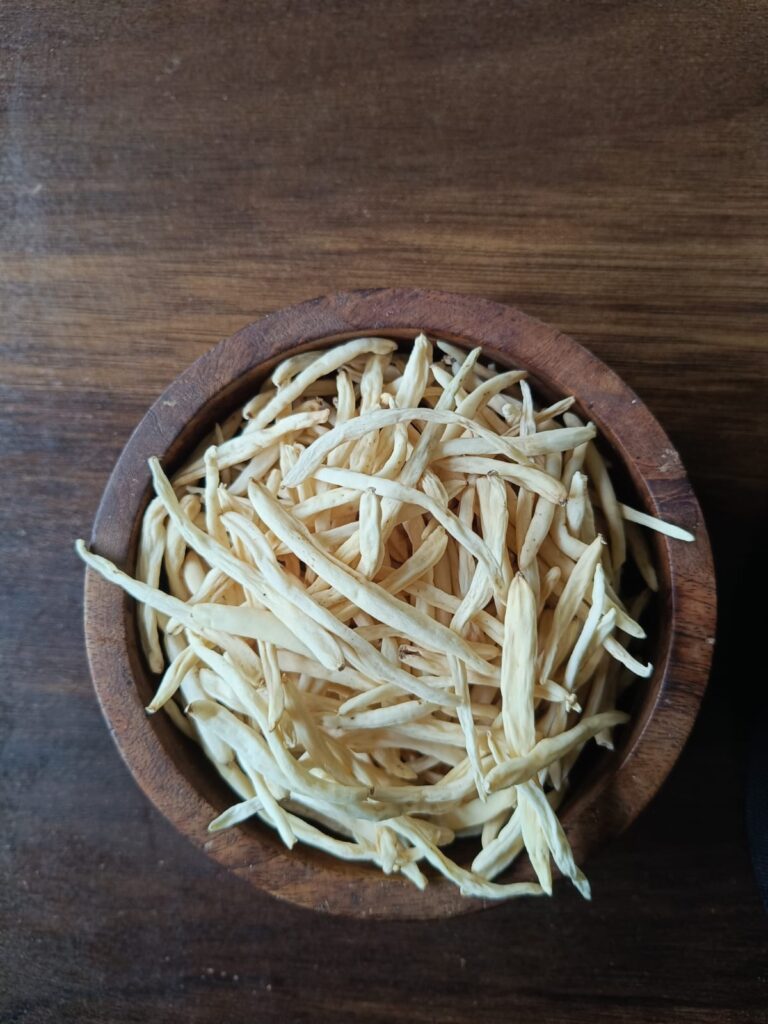
The Eastern Ghats of Odisha constitute one of the biodiversity hotspots of India, harboring an estimated three thousand to four thousand plant species, of which several hundred possess documented medicinal properties. The varied topography—from low-lying hills to peaks exceeding sixteen hundred meters in the Mahendragiri range—creates diverse microclimates that support an extraordinary range of therapeutic flora. Among the most significant medicinal plants found in this region is Guduchi (Tinospora cordifolia), known locally as Giloi, which is extensively used for its immunomodulatory, anti-diabetic, and anti-inflammatory properties. The roots of Aswagandha (Withania somnifera), found in the drier slopes of the Eastern Ghats, are prescribed for stress relief, rejuvenation, and neurological conditions. The rare Bhumyamalaki (Phyllanthus niruri) grows abundantly along forest streams and is traditionally used for liver disorders and kidney stones. Sarpgandha (Rauvolfia serpentina), the source of the anti-hypertensive drug reserpine, is collected from the forested valleys and used by tribal healers for treating mental disorders and high blood pressure long before its pharmacological properties were discovered by modern science. The bark of Arjuna (Terminalia arjuna), found along riverbanks in the Eastern Ghats, is a well-known cardiotonic used in both traditional and modern formulations. The Koraput region is particularly famous for the Nux-vomica tree (Strychnos nux-vomica), whose seeds are used in carefully controlled doses for neurological conditions. Other notable medicinal plants include Brahmi (Bacopa monnieri) for cognitive enhancement, Shankhapushpi (Convolvulus pluricaulis) for anxiety and insomnia, Kalijiri (Vernonia anthelmintica) for skin diseases and parasitic infections, and Daruharidra (Berberis aristata) for eye disorders and wound healing. The seasonal availability of these plants dictates the timing of collection, with traditional healers knowing precisely when each plant reaches its maximum therapeutic potency.
Herbal Remedies and Preparation Methods in Odia Tradition
The preparation of herbal remedies in Odia traditional medicine follows complex protocols that have been refined over centuries and often differ significantly from classical Ayurvedic formulations. The most common form of medicine is the ‘Kwatha’ or decoction, where specific proportions of fresh or dried plant parts are boiled in water or milk until the volume is reduced to a fraction of the original, concentrating the active principles. The ‘Churna’ or powder form involves drying plant materials in shade to preserve volatile compounds, grinding them to fine consistency on stone pestles, and often mixing multiple ingredients in precise ratios. ‘Lepa’ or medicinal pastes are prepared by grinding fresh plant parts with water, cow’s milk, or sesame oil and applied externally for skin conditions, inflammation, and joint pain. The preparation of medicated oils, known as ‘Taila,’ involves a lengthy process of boiling herbs in a base oil, typically sesame or coconut oil, often with the addition of milk or buttermilk to enhance absorption. Fumigation therapy, called ‘Dhupana,’ uses the smoke of specific herbs and resins for respiratory conditions and for purifying the environment of pathogenic influences. A distinctive feature of Odia tribal medicine is the use of ‘Masi’ or carbonized preparations, where plant materials are burned to charcoal and mixed with other ingredients for treating digestive disorders and poisoning. Fermented preparations, known as ‘Asava’ and ‘Arishta,’ involve the natural fermentation of herbal decoctions with added sugars and traditional fermenting agents, producing alcohol-based medicines with enhanced bioavailability and shelf life. The use of mineral and animal-based ingredients—such as purified mercury, sulfur, pearls, coral, and animal bile—represents a more advanced ‘Rasa Shastra’ tradition found among certain lineages of Odia healers, requiring elaborate purification processes to render toxic substances therapeutically safe.
Ethnomedicine and Its Scientific Validation in Contemporary Research
The growing field of ethnomedicine has brought renewed scientific attention to the traditional healing practices of Odisha, with researchers from universities, botanical surveys, and pharmaceutical companies documenting and validating indigenous knowledge. Several studies conducted on the ethnomedicinal practices of Odisha’s tribal communities have revealed promising leads for drug discovery, particularly in the areas of anti-malarial, anti-cancer, anti-diabetic, and anti-microbial compounds. The tribal use of Cinchona bark for fevers preceded the isolation of quinine, and similar patterns of empirical drug discovery may be hidden in the vast unexplored corpus of Odia traditional medicine. The Central University of Orissa, Berhampur University, and the Regional Medical Research Center in Bhubaneswar have conducted systematic ethnomedicinal surveys across tribal districts, documenting hundreds of previously unrecorded plant uses. Of particular interest has been the validation of traditional remedies for sickle cell disease, which affects a significant proportion of Odisha’s tribal population. Traditional healers in the Kalahandi and Nuapada districts have used specific herbal combinations to manage sickle cell crisis, and preliminary pharmacological studies have shown these preparations to possess significant antisickling properties. Research on the anti-malarial properties of plants used by tribal healers in the Malkangiri region has identified several candidates with activity comparable to chloroquine against drug-resistant strains of Plasmodium. The documentation of this ethnomedicinal knowledge has assumed urgency because of the rapid ecological degradation of the Eastern Ghats, which threatens both the plant species and the cultural contexts that sustain this knowledge system. Ethnobotanists working in Odisha have noted that many traditional healers are elderly individuals without willing successors, making the systematic documentation and preservation of their knowledge a race against time.
Government AYUSH Programs and Integration of Traditional Medicine in Odisha
The Government of India’s AYUSH initiative—an acronym for Ayurveda, Yoga and Naturopathy, Unani, Siddha, and Homeopathy—has significantly influenced the institutional landscape of traditional medicine in Odisha. The state government, through its Department of Health and Family Welfare, operates a dedicated AYUSH directorate that oversees the implementation of national policies at the state level. Odisha currently has multiple government Ayurvedic colleges, including the Government Ayurvedic College in Puri, which offers undergraduate and postgraduate degrees in Ayurvedic medicine and surgery. These institutions train a new generation of formally qualified Ayurvedic practitioners who combine classical textual knowledge with modern medical understanding. The AYUSH program has established hundreds of Ayurvedic dispensaries and primary health centers across the state, particularly in rural and tribal areas, where they often function as the only accessible healthcare facilities. A key component of the AYUSH strategy in Odisha has been the co-location of Ayurvedic practitioners in primary health centers, enabling patients to choose between allopathic and traditional systems of medicine. The National AYUSH Mission, launched in 2014, has provided substantial funding for strengthening AYUSH infrastructure, promoting cultivation of medicinal plants, and supporting research and documentation of traditional knowledge. In Odisha, this mission has supported the establishment of herbal gardens in district hospitals, the organization of health camps offering free Ayurvedic consultations and medicines, and the training of ASHA workers in basic Ayurvedic concepts for community health education. The state has also developed a Traditional Knowledge Digital Library initiative to document and protect the intellectual property rights of traditional healers, preventing unauthorized commercial exploitation of their knowledge by pharmaceutical companies.
Medicinal Plant Conservation and Sustainable Harvesting Initiatives
Recognizing the ecological threat posed by unregulated collection of medicinal plants from wild habitats, Odisha has developed several conservation and cultivation initiatives aimed at ensuring the sustainable supply of raw materials for traditional medicine. The Forest Department has established a network of Medicinal Plant Conservation Areas in key biodiversity zones of the Eastern Ghats, where collection is regulated and monitored. The National Medicinal Plants Board has supported the establishment of farmer-led cultivation of high-demand medicinal species, providing technical guidance, quality planting material, and assured buy-back arrangements through pharmaceutical companies. In the Koraput and Malkangiri districts, several hundred tribal farmers have shifted to cultivation of species like Ashwagandha, Coleus, and Stevia as cash crops, reducing their dependence on forest collection while generating sustainable livelihoods. The Odisha Forest Development Corporation has established processing facilities for value addition to raw medicinal plant materials, improving the economics of cultivation. Community-led conservation initiatives, particularly those supported by non-governmental organizations, have established village-level gene banks and nurseries for the propagation of endangered medicinal species. The practice of ‘Vanaspati Vanas’ or sacred groves, which has existed in Odisha for centuries, provides an informal but effective conservation mechanism where specific forest patches are protected by communities for their spiritual significance, inadvertently preserving the medicinal plant diversity within them. These sacred groves, found across the tribal districts, often serve as living repositories of rare and endangered plant species that have disappeared from surrounding areas due to deforestation and agricultural expansion.
Challenges Facing Traditional Medicine in Contemporary Odisha
Despite the rich heritage and continued relevance of traditional medicine in Odisha, the system faces multiple challenges that threaten its survival and efficacy. The rapid deforestation of the Eastern Ghats for mining, timber extraction, and agricultural expansion has severely diminished the natural habitat of many medicinal plants, making raw materials increasingly scarce and expensive. The commercialization of traditional knowledge without adequate benefit-sharing with indigenous communities has created ethical concerns and discouraged healers from sharing their knowledge with outsiders. The lack of formal recognition and legal protection for Gunia Baidyas and tribal healers means that their practice exists in a regulatory grey zone, leaving them vulnerable to prosecution under medical licensing laws while simultaneously denying them access to government support systems. The standardization and quality control of traditional medicines remains problematic, with variations in preparation methods, substitution of ingredients, and adulteration affecting the consistency and safety of formulations. The preference for modern medicine among younger generations, driven by urbanization, education, and aggressive pharmaceutical marketing, has led to a significant decline in the number of young people willing to undergo the rigorous apprenticeship required to become traditional healers. The integration of AYUSH into the formal healthcare system, while providing institutional support, has also led to a certain homogenization of diverse local traditions, with standardized Ayurvedic protocols often replacing the highly individualized and context-specific approaches of traditional healers. Addressing these challenges requires a nuanced policy approach that respects the autonomy and intellectual property rights of traditional healers while creating frameworks for collaboration between traditional and modern systems of medicine.
The Future of Odia Traditional Medicine in a Globalizing World
The future of traditional Odia medicine hinges on finding a sustainable balance between preservation and innovation, between honoring ancient wisdom and embracing contemporary scientific validation. There is growing recognition that traditional knowledge systems like those of Odisha represent not merely historical artifacts but living sciences that offer valuable insights for addressing contemporary healthcare challenges, from antimicrobial resistance to chronic lifestyle diseases. The global resurgence of interest in traditional and complementary medicine, evidenced by the World Health Organization’s Traditional Medicine Strategy, provides an unprecedented opportunity for Odisha’s healing traditions to gain international visibility and support. The development of interdisciplinary research programs that bring together Ayurvedic scholars, ethnobotanists, pharmacologists, anthropologists, and traditional healers could unlock the therapeutic potential hidden in Odisha’s rich ethnomedicinal heritage. The digital documentation of traditional knowledge, combined with modern techniques of drug discovery and validation, could transform raw ethnomedicinal data into evidence-based therapeutic interventions. Community-based conservation and cultivation programs could ensure the ecological sustainability of medicinal plant resources while providing economic opportunities for tribal communities. Most importantly, the recognition of traditional healers as legitimate healthcare providers, with appropriate legal status, training opportunities, and integration into the formal health system, could revitalize the practice and ensure its transmission to future generations. The healing traditions of Odisha, forged over millennia in the forests and villages of this ancient land, carry within them the accumulated wisdom of countless generations of healers who understood the intimate connections between human health and the natural world. Preserving and developing this heritage is not merely a matter of cultural pride but a vital contribution to the global project of creating more holistic, sustainable, and equitable healthcare systems for all.