ଓଡ଼ିଆ ଭାଷାରେ
ଓଡ଼ିଶାର ଛାତ: ଦେଓମାଳିର ପରିଚୟ
Discover Deomali: Odisha’s Highest Peak
ଓଡ଼ିଶାର ଦକ୍ଷିଣ ଭାଗରେ ଅବସ୍ଥିତ କୋରାପୁଟ ଜିଲ୍ଲା ପ୍ରକୃତିର ଏକ ଅଦ୍ଭୁତ ଉପହାର । ଏହି ଜିଲ୍ଲାର ମଧ୍ୟ ଭାଗରେ ଗଢ଼ି ଉଠିଥିବା ଦେଓମାଳି ପର୍ବତ ଓଡ଼ିଶାର ସର୍ବୋଚ୍ଚ ଶିଖର ଅଟେ । ସମୁଦ୍ରପତ୍ତନଠାରୁ ଏହାର ଉଚ୍ଚତା ପ୍ରାୟ ୧୬୭୨ ମିଟର । ଦେଓମାଳି ନାମଟି ଆଦିବାସୀ ଶବ୍ଦ “ଦେଓ” ଏବଂ “ମାଳି”ରୁ ଆସିଛି, ଯାହାର ଅର୍ଥ ହେଉଛି “ଦେବତାମାନଙ୍କର ପର୍ବତ” । ସ୍ଥାନୀୟ ଆଦିବାସୀ ସମ୍ପ୍ରଦାୟମାନେ ଏହି ପର୍ବତକୁ ପବିତ୍ର ବୋଲି ବିଶ୍ୱାସ କରନ୍ତି ଏବଂ ପ୍ରତିବର୍ଷ ଏଠାରେ ବିଭିନ୍ନ ଧାର୍ମିକ ଅନୁଷ୍ଠାନ ପାଳନ କରନ୍ତି । ଓଡ଼ିଶା କେବଳ ମନ୍ଦିର, କୂଳ ଓ ଚାଷଭୂମି ନୁହେଁ — ଏହାର ପର୍ବତମାଳା, ଜଙ୍ଗଲ ଏବଂ ଆଦିବାସୀ ସଂସ୍କୃତି ମଧ୍ୟ ଅତ୍ୟନ୍ତ ସମୃଦ୍ଧ । ଦେଓମାଳି ସେହି ସମୃଦ୍ଧିର ଜୀବନ୍ତ ପ୍ରମାଣ । ଏହା କେବଳ ଏକ ପର୍ଯ୍ୟଟନ ସ୍ଥଳ ନୁହେଁ, ବରଂ ଏକ ପ୍ରାକୃତିକ ଅଜେୟ ଯେଉଁଠାରେ ବାୟୁ, ଜଳ, ମାଟି ଏବଂ ଜୀବଜଗତର ଏକ ଅପୂର୍ବ ସମନ୍ୱୟ ଦେଖିବାକୁ ମିଳେ । ଦେଶ ଓ ବିଦେଶରୁ ଆସୁଥିବା ପର୍ଯ୍ୟଟକ, ଗବେଷକ ଏବଂ ପ୍ରକୃତି ପ୍ରେମୀମାନେ ଦେଓମାଳିକୁ ନିଜର ଅନନ୍ୟ ସୌନ୍ଦର୍ୟ ପାଇଁ ବାରମ୍ବାର ଦେଖିଥାନ୍ତି । ସାମ୍ପ୍ରତିକ ବର୍ଷଗୁଡ଼ିକରେ ଓଡ଼ିଶା ସରକାର ଦେଓମାଳିକୁ ଏକ ମୁଖ୍ୟ ପର୍ଯ୍ୟଟନ କେନ୍ଦ୍ର ଭାବରେ ବିକଶିତ କରିବାର ଯୋଜନା କରୁଛନ୍ତି, ଯେଉଁଥିରେ ଟ୍ରେକିଂ ରାସ୍ତା, ଦର୍ଶନ ଟାୱାର ଏବଂ ଇକୋ-ଟୁରିଜ୍ମ ସୁବିଧା ଅନ୍ତର୍ଭୁକ୍ତ । ଏହି ଉଦ୍ୟମର ଲକ୍ଷ୍ୟ ହେଉଛି ଦେଓମାଳିକୁ ଜାତୀୟ ପର୍ଯ୍ୟଟନ ମାନଚିତ୍ରରେ ଆଣିବା, ଏହାର କ୍ଷୀଣ ପରିବେଶ ତନ୍ତ୍ର ଏବଂ ଆଦିବାସୀ ସମ୍ପ୍ରଦାୟମାନଙ୍କର ସାଂସ୍କୃତିକ ଐତିହ୍ୟକୁ ସଂରକ୍ଷଣ କରି । ଶତାବ୍ଦୀ ଧରି ଏହି ପର୍ବତର ଅଭିଭାବକ ଭାବରେ ରହି ଆସିଥିବା ଆଦିବାସୀ ସମ୍ପ୍ରଦାୟମାନଙ୍କ ପାଇଁ ଦେଓମାଳି କେବଳ ଏକ ପର୍ବତ ନୁହେଁ — ଏହା ତାଙ୍କର ପରିବେଶ, ବିଶ୍ୱାସ ଏବଂ ଅସ୍ତିତ୍ୱର ମୂଳ ସ୍ତମ୍ଭ ।
ଭୌଗୋଳିକ ତାତ୍ପର୍ୟ ଓ ପ୍ରାକୃତିକ ଗଠନ
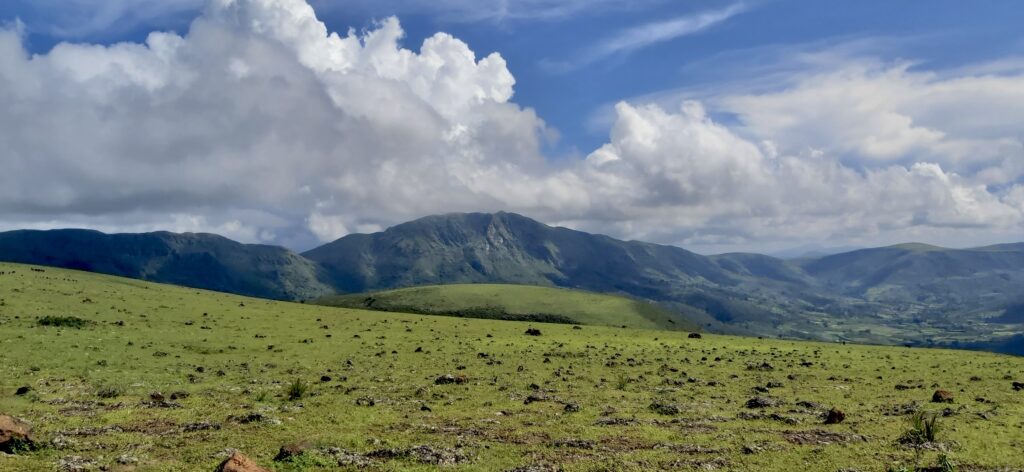
ଦେଓମାଳି ପୂର୍ବ ଘାଟ ପର୍ବତମାଳାର ଏକ ଅଭିନ୍ନ ଅଂଶ । ପୂର୍ବ ଘାଟ ପର୍ବତମାଳା ଭାରତର ପୂର୍ବ ଉପକୂଳ ବରାବର ବିସ୍ତୃତ ଏବଂ ଦେଓମାଳି ଏହି ପର୍ବତମାଳାର ଓଡ଼ିଶା ଭାଗରେ ଥିବା ସର୍ବୋଚ୍ଚ ବିନ୍ଦୁ । କୋରାପୁଟ ଜିଲ୍ଲାର ସେମିଳିଗୁଡ଼ା ବ୍ଲକରେ ଏହା ଅବସ୍ଥିତ ଏବଂ ଏହାର ଭୌଗୋଳିକ ସ୍ଥିତି ହେଉଛେ ୧୮°୪୦’ ଉତ୍ତର ଅକ୍ଷାଂଶ ଏବଂ ୮୨°୫୯’ ପୂର୍ବ ଦ୍ରାଘିମା । ୧୬୭୨ ମିଟର ଉଚ୍ଚତାରେ ଥିବା ଏହି ଶିଖର ପ୍ରାୟ ସମଗ୍ର ଓଡ଼ିଶା ଉପରେ ଦୃଷ୍ଟି ପକାଏ । ପରିଷ୍କାର ଦିନରେ ଏଠାରୁ ଆନ୍ଧ୍ର ପ୍ରଦେଶର ନିକଟବର୍ତ୍ତୀ ପର୍ବତମାଳା ଦୃଶ୍ୟମାନ ହୋଇଥାଏ । ଭୂତାତ୍ତ୍ୱିକ ଦୃଷ୍ଟିରୁ ଦେଓମାଳି ପ୍ରାଚୀନ ଚାର୍ନୋକାଇଟ ଏବଂ ଗ୍ରାନାଇଟ ପଥରରେ ଗଠିତ । କୋଟି କୋଟି ବର୍ଷ ପୂର୍ବେ ଭୂ-ପ୍ରାକୃତିକ କ୍ରିୟାଦ୍ୱାରା ଏହି ପର୍ବତମାଳା ଗଠିତ ହୋଇଛି । ଦେଓମାଳିର ଶିଖର ଅପେକ୍ଷାକୃତ ସମତଳ ଏବଂ ଚଓଡ଼ା, ଯେଉଁଥିରେ ଘାସ ଓ ଛୋଟ ଛୋଟ ଝାଡ଼ ଦେଖିବାକୁ ମିଳେ । ଏହା ଏକ ପ୍ରାକୃତିକ ଦୃଶ୍ୟପଟ ସୃଷ୍ଟି କରେ ଯାହା କୌଣସି ମନୁଷ୍ୟ-ନିର୍ମିତ ଉଦ୍ୟାନ ସହ ତୁଳନୀୟ ନୁହେଁ । ଶିଖରରୁ ଜୋରି ଆସୁଥିବା ଜଳଧାରାଗୁଡ଼ିକ ବର୍ଷା ଋତୁରେ ଅନେକ ଝରଣା ଏବଂ ନଦୀରେ ପରିଣତ ହୁଅନ୍ତି । ଏହି ଜଳପ୍ରଣାଳୀ କୋରାପୁଟ ଏବଂ ଆଖପାଖ ଅଞ୍ଚଳର କୃଷି ଏବଂ ଜୀବନ ଜୀବିକା ପାଇଁ ଅତ୍ୟନ୍ତ ଗୁରୁତ୍ୱପୂର୍ଣ୍ଣ । ଭୂ-ବିଜ୍ଞାନୀମାନେ ଦେଓମାଳିର ଭୂ-ପ୍ରାକୃତିକ ଗଠନକୁ ଅଧ୍ୟୟନ କରିବାକୁ ଆସନ୍ତି କାରଣ ଏଠାରେ ପ୍ରାଚୀନ ଭୂ-ପ୍ରସ୍ତରର ସ୍ତର ସ୍ପଷ୍ଟ ଭାବରେ ଦେଖାଯାଏ । ପର୍ବତର ଆଧାରରେ ଘଞ୍ଚ କ୍ରାନ୍ତୀୟ ଜଙ୍ଗଲ ରହିଛି, ଉପରକୁ ଗଲେ ତାହା ଘାସଭୂମି ଏବଂ ପଥରିଆ ଭୂମିରେ ପରିଣତ ହୁଏ, ଯାହା ଏକ ସ୍ଥାନରେ ପୂର୍ବ ଘାଟର ସମ୍ପୂର୍ଣ୍ଣ ଭୂବୈଜ୍ଞାନିକ ବିଭାଗ ପ୍ରଦାନ କରେ । ଦେଓମାଳିର ଅନନ୍ୟ ଭୂବୈଜ୍ଞାନିକ ବିଶେଷତା ଏହାକୁ ଭାରତୀୟ ଉପମହାଦ୍ୱୀପର ବିବର୍ତ୍ତନ ଅଧ୍ୟୟନ ପାଇଁ ମଧ୍ୟ ଏକ ଗୁରୁତ୍ୱପୂର୍ଣ୍ଣ ସ୍ଥାନ କରିଥାଏ ।
ଜୈବବିବିଧତାର ଅଭୟାରଣ୍ୟ
ଦେଓମାଳି ଏବଂ ଏହାର ଆଖପାଖ ଜଙ୍ଗଲ ଜୀବବିବିଧତାର ଏକ ଜୀବନ୍ତ ଭଣ୍ଡାର । ଏଠାରେ ପ୍ରାୟ ୩୦୦ ପ୍ରଜାତିର ଉଦ୍ଭିଦ ଏବଂ ୧୫୦ରୁ ଅଧିକ ପ୍ରଜାତିର ଜୀବ ଦେଖିବାକୁ ମିଳନ୍ତି । ଏହି ଅଞ୍ଚଳର ପ୍ରଧାନ ବୃକ୍ଷ ହେଉଛନ୍ତି ସାଳ, ସେଗୁନ, ସେଗୁନ, ଧାଉଡ଼ା ଏବଂ ଅମ୍ବ । ବିଶେଷ କରି ଶୀତ ଋତୁରେ ଏଠାରେ ବିଭିନ୍ନ ପ୍ରକାରର ଅର୍କିଡ୍ ଫୁଲ ଫୁଟିଥାଏ, ଯାହା ପ୍ରକୃତି ପ୍ରେମୀମାନଙ୍କୁ ମୁଗ୍ଧ କରେ । ଜଙ୍ଗଲର ତଳ ଭାଗରେ ବିଭିନ୍ନ ପ୍ରକାରର ଔଷଧୀୟ ଗଛ ଏବଂ ଗୁଳ୍ମ ଜନ୍ମେ, ଯାହା ସ୍ଥାନୀୟ ଆଦିବାସୀମାନେ ପାରମ୍ପରିକ ଚିକିତ୍ସା ପାଇଁ ବ୍ୟବହାର କରନ୍ତି । ପ୍ରାଣୀ ଜଗତର ଦୃଷ୍ଟିରୁ ଦେଓମାଳି ଅତ୍ୟନ୍ତ ସମୃଦ୍ଧ । ଏଠାରେ ହାତୀ, ମୟୂର, ହରିଣ ଏବଂ ବିଭିନ୍ନ ପ୍ରକାରର ପକ୍ଷୀ ଦେଖାଯାନ୍ତି । ବିଶେଷ କରି ହର୍ନବିଲ୍ ପକ୍ଷୀ ଏଠାର ଜଙ୍ଗଲରେ ପ୍ରଚୁର ସଂଖ୍ୟାରେ ଦେଖାଯାନ୍ତି । ପକ୍ଷୀ ବିଜ୍ଞାନୀମାନେ ଏଠାକୁ ଆସି ବିଭିନ୍ନ ପ୍ରଜାତିର ପକ୍ଷୀଙ୍କୁ ଅଧ୍ୟୟନ କରନ୍ତି । ମଧ୍ୟ ରାତ୍ରିରେ ଜଙ୍ଗଲରୁ ବିଭିନ୍ନ ପ୍ରକାରର ଜୀବଜନ୍ତୁଙ୍କ ଧ୍ୱନି ଶୁଣିବାକୁ ମିଳେ, ଯାହା ଜଙ୍ଗଲର ଜୀବନ୍ତ ପରିବେଶକୁ ପ୍ରତିଫଳିତ କରେ । କିନ୍ତୁ ଦୁଃଖର କଥା ଯେ ଅବୈଧ ଶିକାର ଏବଂ ଜଙ୍ଗଲ ନଷ୍ଟ ହେବା ଯୋଗୁଁ ଏହି ଜୀବବିବିଧତା ବିପଦର ସମ୍ମୁଖୀନ ହେଉଛି । ଓଡ଼ିଶା ସରକାର ଏବଂ ବନ ବିଭାଗ ଏହି ଜଙ୍ଗଲକୁ ସଂରକ୍ଷଣ କରିବା ପାଇଁ ବିଭିନ୍ନ ପଦକ୍ଷେପ ନେଉଛନ୍ତି । ସଂରକ୍ଷଣ ପ୍ରଚେଷ୍ଟାରେ ଶିକାର-ବିରୋଧୀ ଗଶ୍ତି, ଆଦିବାସୀମାନଙ୍କ ଅଂଶଗ୍ରହଣରେ ସମ୍ପ୍ରଦାୟ-ଆଧାରିତ ଜଙ୍ଗଲ ପରିଚାଳନା ଏବଂ ଏହି ଅଞ୍ଚଳର ପରିବେଶଗତ ଗୁରୁତ୍ୱ ବିଷୟରେ ସଚେତନତା ଅଭିଯାନ ଅନ୍ତର୍ଭୁକ୍ତ । ଦେଓମାଳି ଅଞ୍ଚଳ ପୂର୍ବ ଘାଟର ବିଭିନ୍ନ ଜଙ୍ଗଲ ଖଣ୍ଡକୁ ଯୋଗ କରୁଥିବା ଏକ ଗୁରୁତ୍ୱପୂର୍ଣ୍ଣ ବନ୍ୟଜୀବ ଗଳି ଭାବରେ ମଧ୍ୟ କାର୍ଯ୍ୟ କରେ, ଯାହା ଏହାର ସଂରକ୍ଷଣକୁ ଅନେକ ବିପଦଗ୍ରସ୍ତ ପ୍ରଜାତିର ଦୀର୍ଘକାଳୀନ ଉତ୍ତରଜୀବିତା ପାଇଁ ଅତ୍ୟନ୍ତ ଆବଶ୍ୟକ କରେ । ଏହି ଅଞ୍ଚଳରେ ବିଭିନ୍ନ ବିରଳ ଏବଂ ସ୍ଥାନୀୟ ଉଦ୍ଭିଦ ପ୍ରଜାତି ମଧ୍ୟ ଲିପିବଦ୍ଧ ହୋଇଛି, ଯାହା ଏହାକୁ ଉଲ୍ଲେଖନୀୟ ବୈଜ୍ଞାନିକ ଆଗ୍ରହର ସ୍ଥାନ କରିଥାଏ ।
ଆଦିବାସୀ ସଂସ୍କୃତି ଓ ଜୀବନଶୈଳୀ
ଦେଓମାଳିର ଆଖପାଖ ଅଞ୍ଚଳରେ ବିଭିନ୍ନ ଆଦିବାସୀ ସମ୍ପ୍ରଦାୟ ଶତାବ୍ଦୀ ଧରି ବସବାସ କରି ଆସୁଛନ୍ତି । ଏଠାର ପ୍ରଧାନ ଆଦିବାସୀ ସମ୍ପ୍ରଦାୟମାନେ ହେଲେ କନ୍ଧ, ପରଜା ଏବଂ ଭୂମିଆ । ଏମାନଙ୍କର ଜୀବନଶୈଳୀ, ସଂସ୍କୃତି ଏବଂ ପରମ୍ପରା ଦେଓମାଳିର ପ୍ରାକୃତିକ ପରିବେଶ ସହିତ ଗଭୀର ଭାବରେ ଜଡ଼ିତ । କନ୍ଧ ସମ୍ପ୍ରଦାୟ ଏହି ଅଞ୍ଚଳର ସବୁଠାରୁ ପ୍ରାଚୀନ ବାସିନ୍ଦା । ଏମାନେ ପର୍ବତର ଉପର ଭାଗରେ ଗଛ କାଟି ଜମି ସଫା କରି ଚାଷ କରନ୍ତି । ଏମାନଙ୍କର ଧାର୍ମିକ ବିଶ୍ୱାସ ପ୍ରକୃତି ପୂଜା ଉପରେ ଆଧାରିତ । ଏମାନେ ଦେଓମାଳି ପର୍ବତକୁ ଦେବତାଙ୍କ ନିବାସ ମଣି ବିଶ୍ୱାସ କରନ୍ତି ଏବଂ ପର୍ବ ଏବଂ ଫସଲ ଋତୁରେ ବିସ୍ତୃତ ଅନୁଷ୍ଠାନ ପାଳନ କରନ୍ତି । ପରଜା ସମ୍ପ୍ରଦାୟ ମୁଖ୍ୟତଃ ପଡ଼ୁଆ ଚାଷ ଉପରେ ନିର୍ଭରଶୀଳ । ଏମାନଙ୍କର ଗ୍ରାମଗୁଡ଼ିକ ପର୍ବତର ପାଦଦେଶରେ ଅବସ୍ଥିତ ଏବଂ ପ୍ରତିଟି ଗ୍ରାମରେ ସମ୍ପ୍ରଦାୟ ପ୍ରଶାସନ ପରିଚାଳନା କରୁଥିବା ଏକ ଗ୍ରାମ ପରିଷଦ ରହିଛି । ଭୂମିଆ ସମ୍ପ୍ରଦାୟ ଏହି ଅଞ୍ଚଳର ଆଉ ଏକ ଗୁରୁତ୍ୱପୂର୍ଣ୍ଣ ଆଦିବାସୀ ଗୋଷ୍ଠୀ । ଏମାନେ ତାଙ୍କର ଅନନ୍ୟ ନୃତ୍ୟ, ସଙ୍ଗୀତ ଏବଂ କଳା ପାଇଁ ପରିଚିତ । ପ୍ରତିବର୍ଷ ମାର୍ଚ୍ଚ-ଏପ୍ରିଲ ମାସରେ ଏମାନେ “ପରଜା ପରବ” ଏବଂ “କନ୍ଧ ପରବ” ଭଳି ଉତ୍ସବ ପାଳନ କରନ୍ତି, ଯେଉଁଥିରେ ପାରମ୍ପରିକ ନୃତ୍ୟ, ଗୀତ ଏବଂ ହାଣ୍ଡିଆ ପାନ ଏକ ପ୍ରମୁଖ ଭୂମିକା ଗ୍ରହଣ କରେ । ଏମାନଙ୍କର ଖାଦ୍ୟ ପ୍ରଥା ମୁଖ୍ୟତଃ ଚାଉଳ, ମାଣ୍ଡିଆ, ସାଗୁ ଏବଂ ଜଙ୍ଗଲରୁ ସଂଗ୍ରହ କରାଯାଉଥିବା ବିଭିନ୍ନ ଶାକ ଓ ଫଳ ଉପରେ ଆଧାରିତ । ଏମାନଙ୍କର ହସ୍ତକଳା, ବିଶେଷ କରି ଟେରାକୋଟା କାମ, ବାଉଁଶ ଶିଳ୍ପ ଏବଂ ଧାତବ କାରୁକାର୍ଯ୍ୟ ବହୁତ ପ୍ରସିଦ୍ଧ ଏବଂ ଆୟର ଏକ ଗୁରୁତ୍ୱପୂର୍ଣ୍ଣ ଉତ୍ସ ପ୍ରଦାନ କରେ । ଦେଓମାଳିର ଆଦିବାସୀ ସମ୍ପ୍ରଦାୟମାନେ ଏକ ଜୀବନଶୈଳୀର ପ୍ରତିନିଧିତ୍ୱ କରନ୍ତି ଯାହା ପ୍ରକୃତି ସହିତ ଗଭୀର ଭାବରେ ଟିକିଯାଇଛି ଏବଂ ପରିବେଶ ସନ୍ତୁଳନ ଏବଂ ସମ୍ପ୍ରଦାୟ ଜୀବନ ବିଷୟରେ ଆଧୁନିକ ପୃଥିବୀକୁ ମୂଲ୍ୟବାନ ଶିକ୍ଷା ପ୍ରଦାନ କରେ ।
ଟ୍ରେକିଂ: ଶିଖର ବିଜୟ
ଦେଓମାଳି ଓଡ଼ିଶାର ସବୁଠାରୁ ଲୋକପ୍ରିୟ ଟ୍ରେକିଂ ଗନ୍ତବ୍ୟସ୍ଥଳ । ଶିଖର ତଳକୁ ପହଁଚିବା ପାଇଁ ମୁଖ୍ୟତଃ ଦୁଇଟି ରାସ୍ତା ରହିଛି — ଏକ ସେମିଳିଗୁଡ଼ା ପଟୁ ଏବଂ ଅନ୍ୟଟି ପାଟାଙ୍ଗୀ ପଟୁ । ସେମିଳିଗୁଡ଼ାରୁ ଆରମ୍ଭ କରିଥିବା ଟ୍ରେକ୍ ଅପେକ୍ଷାକୃତ ସହଜ ଏବଂ ନୂଆ ଟ୍ରେକରମାନଙ୍କ ପାଇଁ ଉପଯୁକ୍ତ । ଏହି ରାସ୍ତାରେ ପ୍ରାୟ ୮-୧୦ କିଲୋମିଟର ହିଟି କରିବାକୁ ପଡ଼େ ଏବଂ ଏହା ୪-୫ ଘଣ୍ଟା ସମୟ ନିଏ । ଟ୍ରେକ୍ ଆରମ୍ଭ ହୁଏ ଘଞ୍ଚ ଜଙ୍ଗଲ ମଧ୍ୟ ଦେଇ, ଯେଉଁଠାରେ ପକ୍ଷୀଙ୍କ କିଚିରି ଏବଂ ଝରଣାର ଗର୍ଜନା ଶୁଣିବାକୁ ମିଳେ । ଧୀରେ ଧୀରେ ଉଚ୍ଚତା ବଢ଼ିବା ସହିତ ଜଙ୍ଗଲ ପରିବର୍ତ୍ତନ ହୋଇ ଘାସଭୂମି ଏବଂ ପଥରିଆ ରାସ୍ତା ଦେଖାଦେଏ । ଶିଖରର ନିକଟରେ ପହଁଚିଲେ ବାୟୁ ଅତ୍ୟନ୍ତ ଶୀତଳ ଅନୁଭବ ହୁଏ ଏବଂ ଚାରିପଟୁ ମେଘର ସାଗର ଦେଖିବାକୁ ମିଳେ । ପାଟାଙ୍ଗୀ ରାସ୍ତାଟି ଅଧିକ କଷ୍ଟସାଧ୍ୟ ଏବଂ ଅଭିଜ୍ଞ ଟ୍ରେକରମାନଙ୍କ ପାଇଁ ଉପଯୁକ୍ତ । ଏହି ରାସ୍ତାରେ ଅଧିକ ଢାଲୁ ଏବଂ କଠିନ ଭୂଭାଗ ରହିଛି । ଟ୍ରେକିଂ ପାଇଁ ଉପଯୁକ୍ତ ଜୋତା, ପାଣି ବୋତଲ, ହାଲକା ଖାଦ୍ୟ, ପ୍ରଥମ ସହାୟତା କିଟ୍ ଏବଂ ରେନକୋଟ୍ ନେବା ଆବଶ୍ୟକ । ସୂର୍ଯ୍ୟୋଦୟ ଏବଂ ସୂର୍ଯ୍ୟାସ୍ତ ଦେଖିବା ପାଇଁ ଅନେକ ଟ୍ରେକର ଶିଖରରେ ରାତି କଟାନ୍ତି । ଶିଖରରୁ ଦେଖାଯାଉଥିବା ସୂର୍ଯ୍ୟୋଦୟର ଦୃଶ୍ୟ ଏକ ଜୀବନର ଏକ ଅନୁଭୂତି । ମେଘମାଳ ମଧ୍ୟ ଦେଇ ସୂର୍ଯ୍ୟଙ୍କ ପ୍ରଥମ କିରଣ ଉପରେ ପଡ଼ିବା ଦୃଶ୍ୟ ଅବର୍ଣ୍ଣନୀୟ । ପ୍ରାତଃ ସମୟରେ କୁହୁଡ଼ା ଦୂର ହେଲେ ନିମ୍ନ ଭାଗର ବିଶାଳ ପ୍ରାକୃତିକ ଦୃଶ୍ୟ ଦେଖାଦିଏ ଏବଂ ଦିଗନ୍ତ ପର୍ଯ୍ୟନ୍ତ ବିସ୍ତୃତ ପୂର୍ବ ଘାଟ ପର୍ବତମାଳାର ପାନୋରାମିକ ଦୃଶ୍ୟ ନିଶ୍ଚିତ ଭାବରେ ମୁଗ୍ଧକାରୀ । ଓଡ଼ିଶାର ସର୍ବୋଚ୍ଚ ବିନ୍ଦୁରେ ଠିଆ ହୋଇ, ବାୟୁରେ କେଶ ଉଡ଼ିବା ଏବଂ ତଳେ ବିଶ୍ୱ ବିସ୍ତାରିତ ହୋଇଥିବା ଅନୁଭୂତି ଏକ ଟ୍ରେକରର ଜୀବନର ଏକ ଅବିସ୍ମରଣୀୟ ଅନୁଭୂତି । ସେମିଳିଗୁଡ଼ାରେ ସ୍ଥାନୀୟ ଗାଇଡ୍ ମିଳନ୍ତି ଯେଉମାନେ ଟ୍ରେକରମାନଙ୍କୁ ସୁରକ୍ଷିତ ଭାବରେ ଶିଖର ପର୍ଯ୍ୟନ୍ତ ନେଇ ଯାଆନ୍ତି ଏବଂ ପର୍ବତର ଇତିହାସ ଏବଂ ଆଦିବାସୀ କିମ୍ବଦନ୍ତୀ ବିଷୟରେ ମନୋରମ କାହାଣୀ ଶେୟାର କରନ୍ତି ।
ଦର୍ଶନୀୟ ସମୟ: ଅକ୍ଟୋବରରୁ ମାର୍ଚ୍ଚ
ଦେଓମାଳି ଦର୍ଶନ କରିବାର ସବୁଠାରୁ ଉତ୍ତମ ସମୟ ହେଉଛି ଅକ୍ଟୋବର ମାସରୁ ମାର୍ଚ୍ଚ ମାସ ପର୍ଯ୍ୟନ୍ତ । ଏହି ସମୟରେ ଆକାଶ ସାଫ ରହେ, ତାପମାତ୍ରା ଅନୁକୂଳ ଥାଏ ଏବଂ ପ୍ରକୃତି ତାର ପୂର୍ଣ୍ଣ ରୂପରେ ଦେଖାଦିଏ । ଅକ୍ଟୋବର-ନଭେମ୍ବର ମାସରେ ବର୍ଷା ଋତୁ ଶେଷ ହେବା ପରେ ଜଙ୍ଗଲ ସବୁଜ ଏବଂ ସତେଜ ଦେଖାଯାଏ । ଏହି ସମୟରେ ଜଙ୍ଗଲରେ ବିଭିନ୍ନ ପ୍ରକାରର ଫୁଲ ଫୁଟିଥାଏ ଏବଂ ଝରଣାଗୁଡ଼ିକରେ ପାଣି ପ୍ରଚୁର ଥାଏ । ଡିସେମ୍ବର-ଜାନୁଆରୀ ମାସରେ ଶୀତ ଋତୁ ଆସେ ଏବଂ ଶିଖରରେ ତାପମାତ୍ରା ୫-୧୦ ଡିଗ୍ରୀ ସେଲସିୟସ ପର୍ଯ୍ୟନ୍ତ ଖସିଯାଏ । ଏହି ସମୟରେ ମେଘ ଏବଂ କୁହୁଡ଼ା ଶିଖରକୁ ଆବୃତ କରି ରଖେ, ଯାହା ଏକ ରହସ୍ୟମୟ ଏବଂ ମନୋରମ ପରିବେଶ ସୃଷ୍ଟି କରେ । ଶୀତ ମାସଗୁଡ଼ିକ ଫଟୋଗ୍ରାଫି ପାଇଁ ଆଦର୍ଶ କାରଣ କୁହୁଡ଼ା ଏବଂ ମେଘ ନାଟକୀୟ ପ୍ରାକୃତିକ ଦୃଶ୍ୟ ସୃଷ୍ଟି କରେ । ଫେବୃଆରୀ-ମାର୍ଚ୍ଚ ମାସରେ ବସନ୍ତ ଋତୁ ଆରମ୍ଭ ହୁଏ ଏବଂ ପ୍ରକୃତି ନୂଆ ରୂପ ଧାରଣ କରେ । ଏହି ସମୟରେ ଟ୍ରେକିଂ ପାଇଁ ଉତ୍ତମ ଅବସ୍ଥା ରହେ କାରଣ ଆବହା ମଧ୍ୟମ ଥାଏ ଏବଂ ଟ୍ରେକ୍ ସୁଖପ୍ରଦ ଏବଂ ଚାଲିବାରେ ସହଜ ରହେ । ଜୁନ-ସେପ୍ଟେମ୍ବର ମାସରେ ବର୍ଷା ଋତୁ ରହେ, ଯେଉଁଥିରେ ଭାରୀ ବର୍ଷା ହୋଇଥାଏ ଏବଂ ଟ୍ରେକିଂ କଷ୍ଟକର ହୋଇଯାଏ । ରାସ୍ତା ପିଛଳା ହୋଇଯାଏ ଏବଂ କୀଟପତଙ୍ଗ ବଢ଼ିଯାଏ । ତେବେ ବର୍ଷା ଋତୁରେ ଝରଣାଗୁଡ଼ିକ ପୂର୍ଣ୍ଣ ଥାନ୍ତି ଏବଂ ଜଳପ୍ରପାତଗୁଡ଼ିକ ତାଙ୍କର ସର୍ବାଧିକ ସୌନ୍ଦର୍ୟରେ ଦେଖାଯାନ୍ତି । ଅତଏବ, ଯଦି ଆପଣ ଟ୍ରେକିଂ କରିବାକୁ ଚାହାଁନ୍ତି ତେବେ ଅକ୍ଟୋବରରୁ ମାର୍ଚ୍ଚ ମଧ୍ୟରେ ଯିବା ସବୁଠାରୁ ଭଲ । ଏହି ସମୟରେ ଦିନର ତାପମାତ୍ରା ୧୫-୨୫ ଡିଗ୍ରୀ ସେଲସିୟସ ମଧ୍ୟରେ ରହେ ଏବଂ ରାତିର ତାପମାତ୍ରା ୫-୧୨ ଡିଗ୍ରୀ ସେଲସିୟସ ମଧ୍ୟରେ ରହେ । ପ୍ରତି ଋତୁ ଏକ ଭିନ୍ନ ଅନୁଭୂତି ପ୍ରଦାନ କରେ — ବର୍ଷା ପରବର୍ତ୍ତୀ ସମୟ ସବୁଜିମା ଏବଂ ଜଳପ୍ରପାତ ପାଇଁ, ଶୀତ ଋତୁ କୁହୁଡ଼ାଳିଆ ପ୍ରାକୃତିକ ଦୃଶ୍ୟ ଏବଂ ଶୀତଳ ଆବହାବ ପାଇଁ, ଏବଂ ବସନ୍ତ ଋତୁ ସୁଖଦ ଟ୍ରେକିଂ ଅବସ୍ଥା ଏବଂ ବିଲ୍ଡ ଫୁଲ ପାଇଁ ।
ନିକଟବର୍ତ୍ତୀ ସ୍ଥାନ
ଦେଓମାଳି ଦର୍ଶନ କରିବା ସହିତ ଆଖପାଖରେ ଥିବା ଅନ୍ୟ ପ୍ରାକୃତିକ ଏବଂ ଧାର୍ମିକ ସ୍ଥାନଗୁଡ଼ିକୁ ମଧ୍ୟ ଦେଖିବା ଉଚିତ । ଏହି ଅଞ୍ଚଳର ସବୁଠାରୁ ପ୍ରସିଦ୍ଧ ପର୍ଯ୍ୟଟନ ସ୍ଥଳ ହେଉଛି ଦୁଦୁମା ଜଳପ୍ରପାତ । ଦେଓମାଳିଠାରୁ ପ୍ରାୟ ୬୫ କିଲୋମିଟର ଦୂରରେ ଅବସ୍ଥିତ ଏହି ଜଳପ୍ରପାତ ୧୭୫ ମିଟର ଉଚ୍ଚ ଏବଂ ଓଡ଼ିଶା ଏବଂ ଆନ୍ଧ୍ର ପ୍ରଦେଶର ସୀମାରେ ଅବସ୍ଥିତ । ମାଚ୍ଚକୁଣ୍ଡ ନଦୀ ଉପରେ ଏହି ଜଳପ୍ରପାତ ବର୍ଷା ଋତୁରେ ତାର ପୂର୍ଣ୍ଣ ରୂପରେ ଦେଖାଦିଏ । ଏହାର ଜଳର ବିଶାଳତା ଏବଂ ଶବ୍ଦ ଦୂରରୁ ଶୁଣିବାକୁ ମିଳେ । ଦୁଦୁମା ଜଳପ୍ରପାତକୁ “ମତ୍ସ୍ୟତୀର୍ଥ” ମଧ୍ୟ କୁହାଯାଏ କାରଣ ଆଖପାଖରେ ଥିବା କୁଣ୍ଡରେ ମାଛ ପ୍ରଚୁର ସଂଖ୍ୟାରେ ଦେଖାଯାନ୍ତି । ଏଠାରେ ଏକ ଜଳବିଦ୍ୟୁତ ପ୍ରକଳ୍ପ ମଧ୍ୟ ନିର୍ମାଣ କରାଯାଇଛି, ଯାହା ଏହାର ପ୍ରାକୃତିକ ସୌନ୍ଦର୍ୟକୁ ଏକ ଯାନ୍ତ୍ରିକ ମାତ୍ରା ଯୋଗ କରେ । ଅନ୍ୟ ଏକ ଗୁରୁତ୍ୱପୂର୍ଣ୍ଣ ସ୍ଥାନ ହେଉଛି ଗୁପ୍ତେଶ୍ୱର ଗୁମ୍ଫା । ଏହା ଏକ ପ୍ରାକୃତିକ ଚୁନପଥର ଗୁମ୍ଫା ଯେଉଁଠାରେ ପ୍ରାୟ ୨୦୦ ଫୁଟ ଲମ୍ବା ଶିବଲିଙ୍ଗ ଅବସ୍ଥିତ । ଗୁମ୍ଫା ଭିତରେ ପ୍ରବେଶ କଲେ ଏକ ଗଭୀର ନଦୀ ପ୍ରବାହିତ ହେଉଥିବା ଦେଖିବାକୁ ମିଳେ । ଏହା ଏକ ଅତ୍ୟନ୍ତ ଧାର୍ମିକ ଏବଂ ପୌରାଣିକ ସ୍ଥାନ । ମହାଶିବରାତ୍ରୀ ପର୍ବରେ ଏଠାରେ ବିଶାଳ ମେଳା ଲାଗେ ଏବଂ ହଜାର ହଜାର ଭକ୍ତ ଏଠାକୁ ଆସନ୍ତି । ଗୁମ୍ଫାରେ ହଜାର ବର୍ଷ ଧରି ଗଠିତ ସୁନ୍ଦର ସ୍ତମ୍ଭାକୃତି ଏବଂ ସ୍ତମ୍ଭ ରହିଛି । ଏହା ଛଡ଼ା କୋରାପୁଟ ସହରରେ ଥିବା ଆଦିବାସୀ ସଂଗ୍ରହାଳୟ ମଧ୍ୟ ଦେଖିବା ଉଚିତ । ଏଠାରେ ଆଦିବାସୀ ସଂସ୍କୃତି, କଳା, ପୋଷାକ ଏବଂ ହସ୍ତକଳାର ଏକ ଚମତ୍କାର ସଂଗ୍ରହ ରହିଛି ଯାହା ଓଡ଼ିଶାର ଆଦିବାସୀ ସମ୍ପ୍ରଦାୟମାନଙ୍କ ଜୀବନ ବିଷୟରେ ଗଭୀର ଅନ୍ତର୍ଦୃଷ୍ଟି ପ୍ରଦାନ କରେ । ଜଳପୁତ୍ର ଜଳପ୍ରପାତ ମଧ୍ୟ ଏହି ଅଞ୍ଚଳର ଆଉ ଏକ ସୁନ୍ଦର ସ୍ଥାନ । ନିକଟବର୍ତ୍ତୀ ସୁନାବେଡା ବନ୍ୟଜୀବ ଅଭୟାରଣ୍ୟ ବିଭିନ୍ନ ବନ୍ୟଜୀବର ଘର ଏବଂ ଜୀପ୍ ସଫାରୀ ଅନୁଭୂତି ପ୍ରଦାନ କରେ । ଆଦିବାସୀ ସମ୍ପ୍ରଦାୟମାନଙ୍କର ସ୍ଥାନୀୟ ସାପ୍ତାହିକ ବଜାର (ହାଟ) ଦେଖିବାକୁ ମଧ୍ୟ ଅତ୍ୟନ୍ତ ସୁପାରିଶ କରାଯାଏ, ଯେଉଁଠାରେ ଆପଣ ପ୍ରଥମ ହାତରେ ସଜୀବ ଆଦିବାସୀ ସଂସ୍କୃତି ଅନୁଭବ କରିପାରିବେ ।
କିପରି ପହଁଚିବେ
ଦେଓମାଳି ପହଁଚିବା ପାଇଁ ବିଭିନ୍ନ ମାଧ୍ୟମ ଉପଲବ୍ଧ । ଓଡ଼ିଶାର ରାଜଧାନୀ ଭୁବନେଶ୍ୱରଠାରୁ ଦେଓମାଳିର ଦୂରତା ପ୍ରାୟ ୫୦୦ କିଲୋମିଟର । ଭୁବନେଶ୍ୱରରୁ ସେମିଳିଗୁଡ଼ା ପର୍ଯ୍ୟନ୍ତ ସିଧା ବସ ଏବଂ ଟ୍ରେନ ସୁବିଧା ଉପଲବ୍ଧ । କୋରାପୁଟ ହେଉଛି ନିକଟତମ ରେଳ ଷ୍ଟେସନ ଏବଂ ଏଠାରୁ ଦେଓମାଳିର ଦୂରତା ପ୍ରାୟ ୩୫ କିଲୋମିଟର । କୋରାପୁଟଠାରୁ ଟ୍ୟାକ୍ସି ଏବଂ ବସ ସୁବିଧା ଉପଲବ୍ଧ । ସେମିଳିଗୁଡ଼ା ହେଉଛି ଦେଓମାଳି ଟ୍ରେକିଂର ମୁଖ୍ୟ ଆରମ୍ଭ ବିନ୍ଦୁ । ଭିଜାଗ୍ (ବିସାଖାପାଟଣାମ) ହେଉଛି ନିକଟତମ ବିମାନ ବନ୍ଦର ଏବଂ ଏଠାରୁ ଦେଓମାଳିର ଦୂରତା ପ୍ରାୟ ୧୫୦ କିଲୋମିଟର । ଭିଜାଗଠାରୁ ରାସ୍ତା ପକ୍ଷେ ଯାତ୍ରା ପ୍ରାୟ ୪-୫ ଘଣ୍ଟା ସମୟ ନିଏ । ଏହି ରାସ୍ତାରେ ପାର୍ବତୀ ଗିରି ଏବଂ ଅରକୁ ଉପତ୍ୟକା ଦେଖିବାକୁ ମିଳେ, ଯାହା ଯାତ୍ରାକୁ ଆଉ ଅଧିକ ଆନନ୍ଦମୟ କରେ । ନିଜର ଗାଡ଼ିରେ ଯିବା ପାଇଁ NH-୨୬ ଏବଂ NH-୩୨୬ ରାସ୍ତା ବ୍ୟବହାର କରାଯାଏ । ଭୁବନେଶ୍ୱରଠାରୁ ଗାଡ଼ିରେ ଯାତ୍ରା ପ୍ରାୟ ୧୦-୧୨ ଘଣ୍ଟା ସମୟ ନିଏ । କୋରାପୁଟ ଏବଂ ସେମିଳିଗୁଡ଼ାରେ ରହିବା ପାଇଁ ସରକାରୀ ଏବଂ ବ୍ୟକ୍ତିଗତ ହୋଟେଲ ଉପଲବ୍ଧ । କିଛି ହୋଟେଲ ଟ୍ରେକିଂ ଗାଇଡ୍ ମଧ୍ୟ ପ୍ରଦାନ କରନ୍ତି । ଯଦି ଆପଣ ବଜେଟ ଟ୍ରାଭେଲର ଅଟନ୍ତି ତେବେ ସେମିଳିଗୁଡ଼ାରେ ଥିବା ସରକାରୀ ପଞ୍ଚାୟତ ଭବନ ଏବଂ ଛୋଟ ଲଜଗୁଡ଼ିକରେ ରହିପାରିବେ । ଅଧିକ ଆରାମଦାୟକ ରହଣି ପାଇଁ କୋରାପୁଟରେ ଥିବା ସରକାରୀ ପନ୍ଥନିବାସ ଯୁକ୍ତିଯୁକ୍ତ ମୂଲ୍ୟରେ ଭଲ ସୁବିଧା ପ୍ରଦାନ କରେ । ଦେଓମାଳି ଯିବାର ଯୋଜନା କରୁଥିଲେ ଅତି କମରେ ୨-୩ ଦିନର ଯୋଜନା କରିବା ଉଚିତ ଯାହାଦ୍ୱାରା ଟ୍ରେକିଂ, ନିକଟବର୍ତ୍ତୀ ସ୍ଥାନ ଦର୍ଶନ ଏବଂ ଆଦିବାସୀ ସଂସ୍କୃତି ଅନୁଭବ କରିବାର ସମୟ ମିଳିପାରିବ । ଏକ ସାଧାରଣ ଯାତ୍ରା ଯୋଜନାରେ ପ୍ରଥମ ଦିନ ଯାତ୍ରା ଏବଂ ବିଶ୍ରାମ, ଦ୍ୱିତୀୟ ଦିନ ଦେଓମାଳି ଟ୍ରେକ୍ ଏବଂ ସୂର୍ଯ୍ୟୋଦୟ, ଏବଂ ତୃତୀୟ ଦିନ ଦୁଦୁମା ଜଳପ୍ରପାତ, ଗୁପ୍ତେଶ୍ୱର ଗୁମ୍ଫା ଏବଂ ଆଦିବାସୀ ସଂଗ୍ରହାଳୟ ଦର୍ଶନ ଅନ୍ତର୍ଭୁକ୍ତ ହୋଇପାରେ । ପରିଦର୍ଶନ ସମୟରେ ସ୍ଥାନୀୟ ଆଦିବାସୀ ଖାଦ୍ୟ ପ୍ରସ୍ତୁତି ଅବଶ୍ୟ ସ୍ୱାଦ ନେବା ଉଚିତ ।
In English
The Roof of Odisha: An Introduction to Deomali
Located in the southern part of Odisha, Koraput district is a remarkable gift from nature. Standing tall in the heart of this district, the Deomali mountain is the highest peak in the entire state of Odisha. Its elevation above sea level is approximately 1,672 metres. The name Deomali is derived from the tribal words “Deo” and “Mali,” which together mean “Mountain of the Gods.” The local tribal communities consider this mountain sacred and perform various religious ceremonies here every year. Odisha is not merely about temples, coastlines, and farmlands — its mountain ranges, forests, and tribal cultures are equally rich and diverse. Deomali stands as living proof of that richness. It is not just a tourist destination but a natural sanctuary where an extraordinary harmony of air, water, soil, and wildlife can be witnessed. Tourists, researchers, and nature lovers from across the country and around the world visit Deomali repeatedly for its unparalleled beauty. In recent years, the Odisha government has been planning to develop Deomali as a major tourism hub, which includes trekking trails, viewing towers, and eco-tourism facilities. This initiative aims to bring Deomali to the national tourism map while preserving its fragile ecosystem and the cultural heritage of the indigenous communities who have been its guardians for centuries. For the tribal communities who have lived in the shadow of this mountain for generations, Deomali is not merely a peak — it is the very foundation of their environment, their beliefs, and their existence.
Geographical Significance and Natural Formation
Deomali is an integral part of the Eastern Ghats mountain range. The Eastern Ghats stretch along the eastern coast of India, and Deomali is the highest point within the Odisha section of this range. It is located in the Semiliguda block of Koraput district, at approximately 18°40′ North latitude and 82°59′ East longitude. At an elevation of 1,672 metres, this peak commands a view over nearly the entirety of Odisha. On a clear day, one can see the neighbouring hill ranges of Andhra Pradesh from the summit. From a geological perspective, Deomali is composed of ancient charnockite and granite rocks. This mountain range was formed millions of years ago through tectonic activity. The summit of Deomali is relatively flat and broad, covered with grasses and small shrubs. It creates a natural landscape that is incomparable to any man-made garden. Streams flowing down from the summit turn into numerous waterfalls and rivers during the monsoon season. This water network is critically important for the agriculture and livelihood of the Koraput region and surrounding areas. Geologists visit Deomali to study its geological formation because the layers of ancient rocks are clearly visible here. The terrain varies from dense tropical forests at the base to grasslands and rocky outcrops near the summit, offering a complete geological cross-section of the Eastern Ghats in a single location. The unique geological features of Deomali also make it an important site for studying the evolution of the Indian peninsula.
A Sanctuary of Biodiversity
Deomali and its surrounding forests are a living treasury of biodiversity. Approximately 300 species of plants and over 150 species of animals can be found here. The principal trees of this region include sal, teak, piassa, dhaura, and amba. Particularly during the winter season, various species of orchids bloom here, captivating nature lovers. The forest floor is home to numerous medicinal plants and shrubs, which local tribal communities use for traditional healing practices. From a wildlife perspective, Deomali is extraordinarily rich. Elephants, tigers, crocodiles, peacocks, deer, and various species of birds can be spotted here. The hornbill bird, in particular, is found in abundance in these forests. Ornithologists visit this area to study various bird species. At night, the sounds of various animals echo through the forest, reflecting its vibrant ecosystem. However, it is unfortunate that this biodiversity faces threats from illegal hunting and deforestation. The Odisha government and the Forest Department are taking various steps to protect these forests. Conservation efforts include anti-poaching patrols, community-based forest management with tribal participation, and awareness campaigns about the ecological importance of the region. The Deomali area also serves as an important wildlife corridor connecting different forest patches of the Eastern Ghats, making its conservation vital for the long-term survival of many endangered species. Several rare and endemic plant species have been documented in this region, making it a site of significant botanical interest as well.
Tribal Culture and Lifestyle
Various tribal communities have been living in and around Deomali for centuries. The principal tribal communities of this region are the Kondh, Paraja, and Bhumia. Their lifestyle, culture, and traditions are deeply intertwined with the natural environment of Deomali. The Kondh community is the oldest inhabitant of this area. They practise shifting cultivation on the upper slopes of the mountain. Their religious beliefs are rooted in nature worship. They consider the Deomali mountain to be the abode of the gods and perform elaborate rituals during festivals and harvest seasons. The Paraja community is primarily dependent on settled paddy cultivation. Their villages are situated at the foothills of the mountain, and each village has a distinct social structure with a village council that governs community affairs. The Bhumia community is another important tribal group in this region. They are known for their unique dance, music, and art forms. Every year during March and April, they celebrate festivals such as the “Paraja Parab” and “Kondh Parab,” where traditional dance, song, and the consumption of handia (rice beer) play a prominent role. Their food practices are mainly based on rice, mandia (finger millet), sagu, and various greens and fruits collected from the forest. Their handicrafts, particularly terracotta work, bamboo crafts, and metalwork, are quite famous and provide an important source of income. The tribal communities of Deomali represent a way of life that is deeply sustainable and in harmony with nature, offering valuable lessons in ecological balance and community living to the modern world.
Trekking: Conquering the Summit
Deomali is the most popular trekking destination in Odisha. There are mainly two routes to reach the base of the summit — one from the Semiliguda side and the other from the Pataangi side. The trek starting from Semiliguda is relatively easy and suitable for new trekkers. This route requires approximately 8-10 kilometres of hiking and takes about 4-5 hours. The trek begins through dense forest, where the chirping of birds and the roar of streams can be heard. As the elevation gradually increases, the forest transforms into grasslands and rocky paths. Near the summit, the air becomes extremely cool, and a sea of clouds can be seen in all directions. The Pataangi route is more challenging and suitable for experienced trekkers. This route has steeper gradients and tougher terrain. For trekking, it is essential to carry proper trekking shoes, water bottles, light food, a first-aid kit, and a raincoat. Many trekkers spend the night at the summit to witness the sunrise and sunset. The view of the sunrise from the summit is a once-in-a-lifetime experience. The sight of the sun’s first rays falling over the sea of clouds is indescribable. During the early morning hours, the mist clears to reveal the vast landscape below, and the panoramic view of the Eastern Ghats stretching into the horizon is truly breathtaking. The feeling of standing at the highest point in Odisha, with the wind in your hair and the world spread out beneath you, is something that stays with a trekker forever. Local guides are available at Semiliguda who can lead trekkers safely to the summit and share fascinating stories about the mountain’s history and tribal legends.
Best Time to Visit: October to March
The best time to visit Deomali is from October to March. During this period, the sky remains clear, temperatures are pleasant, and nature reveals its full glory. In October and November, after the monsoon season ends, the forests appear lush green and fresh. Various types of flowers bloom in the forest during this time, and the streams are full of water. From December to January, winter sets in, and temperatures at the summit can drop to 5-10 degrees Celsius. During this period, clouds and fog envelop the summit, creating a mystical and enchanting atmosphere. The winter months are ideal for photography as the mist and fog create dramatic landscapes. From February to March, spring begins and nature takes on a new form. The conditions for trekking are excellent during this period as the weather is mild and the trails are dry and manageable. From June to September, the monsoon season prevails, during which heavy rainfall occurs and trekking becomes difficult. The trails become slippery and insect activity increases. However, during the monsoon, the streams and waterfalls are at their full flow and present their most spectacular form. Therefore, if you wish to go trekking, visiting between October and March is the best choice. During this period, daytime temperatures range between 15-25 degrees Celsius and nighttime temperatures range between 5-12 degrees Celsius. Each season offers a different experience — post-monsoon for greenery and waterfalls, winter for misty landscapes and cool weather, and spring for pleasant trekking conditions and blooming wildflowers.
Nearby Places of Interest
Along with visiting Deomali, it is worthwhile to explore the other natural and religious sites in the surrounding area. The most famous tourist attraction in this region is the Duduma waterfall. Located approximately 65 kilometres from Deomali, this waterfall is 175 metres high and is situated on the border of Odisha and Andhra Pradesh. This waterfall on the Machkund river is at its most spectacular during the monsoon season. Its sheer volume of water and the roar it produces can be heard from a great distance. Duduma waterfall is also known as “Matsya Tirtha” because the pools nearby are teeming with fish. A hydroelectric project has been built here, adding an engineering dimension to its natural beauty. Another important site is the Gupteswar cave. This is a natural limestone cave where a Shivalinga approximately 200 feet in length is situated. Upon entering the cave, one can see a deep river flowing through it. It is an extremely religious and mythological site. A grand fair is held here during Mahashivaratri, and thousands of devotees visit. The cave has beautiful stalactite and stalagmite formations that have been shaped over thousands of years. Besides these, the tribal museum in Koraput town is also worth visiting. It houses a remarkable collection of tribal culture, art, costumes, and handicrafts that provides deep insight into the lives of Odisha’s indigenous communities. The Jalaput waterfall is another beautiful spot in this region. The Sunabeda wildlife sanctuary, located nearby, is home to diverse wildlife and offers jeep safari experiences. A visit to the local weekly markets (haats) of the tribal communities is also highly recommended, where one can experience the vibrant tribal culture firsthand.
How to Reach Deomali
Various means of transport are available to reach Deomali. The distance from Odisha’s capital Bhubaneswar to Deomali is approximately 500 kilometres. Direct bus and train services are available from Bhubaneswar to Semiliguda. Koraput is the nearest railway station, and the distance from Koraput to Deomali is approximately 35 kilometres. Taxi and bus services are available from Koraput. Semiliguda is the main starting point for Deomali trekking. Visakhapatnam (Vizag) is the nearest airport, and the distance from there to Deomali is approximately 150 kilometres. The road journey from Vizag takes about 4-5 hours. Along this route, one can see the Parchuri Giri and the Araku Valley, which make the journey even more enjoyable. For those driving their own vehicles, NH-26 and NH-326 are the highways to use. The drive from Bhubaneswar takes approximately 10-12 hours. Both government and private hotels are available for accommodation in Koraput and Semiliguda. Some hotels also provide trekking guides. If you are a budget traveller, you can stay at the government Panchayat Bhavan and small lodges in Semiliguda. For a more comfortable stay, the government-run Panthanivas in Koraput offers decent facilities at reasonable prices. If you are planning a trip to Deomali, it is advisable to plan for at least 2-3 days so that there is enough time for trekking, visiting nearby places, and experiencing the tribal culture. A typical itinerary could include Day 1 for travel and rest, Day 2 for the Deomali trek and sunrise, and Day 3 for visiting Duduma waterfall, Gupteswar cave, and the tribal museum. The local cuisine, especially the tribal food preparations, is something that should not be missed during the visit.