ଓଡ଼ିଶାର ସାଂସ୍କୃତିକ ଐତିହ୍ୟ: ପର୍ବ, ଖାଦ୍ୟ ଓ ପରମ୍ପରା
ଓଡ଼ିଶାର ବର୍ଷଟି ପର୍ବମୟ — ଛଅ ଋତୁରେ ବିଭକ୍ତ କେତେ ଉତ୍ସବ! ଆଷାଢ଼ର ରଥଯାତ୍ରା, କାର୍ତ୍ତିକର ପ୍ରଥମାଷ୍ଟମୀ, ଫାଲଗୁନର ଦୋଳ ପୂର୍ଣ୍ଣିମା, ଭାଦ୍ରର ନୂଆଖାଇ, ପୌଷର ଧନୁ ଯାତ୍ରା — ପ୍ରତ୍ୟେକ ପର୍ବ ନିଜସ୍ୱ ଖାଦ୍ୟ, ସଙ୍ଗୀତ ଓ ନିୟମ ଆଣେ।
ଖାଦ୍ୟ ପରମ୍ପରା
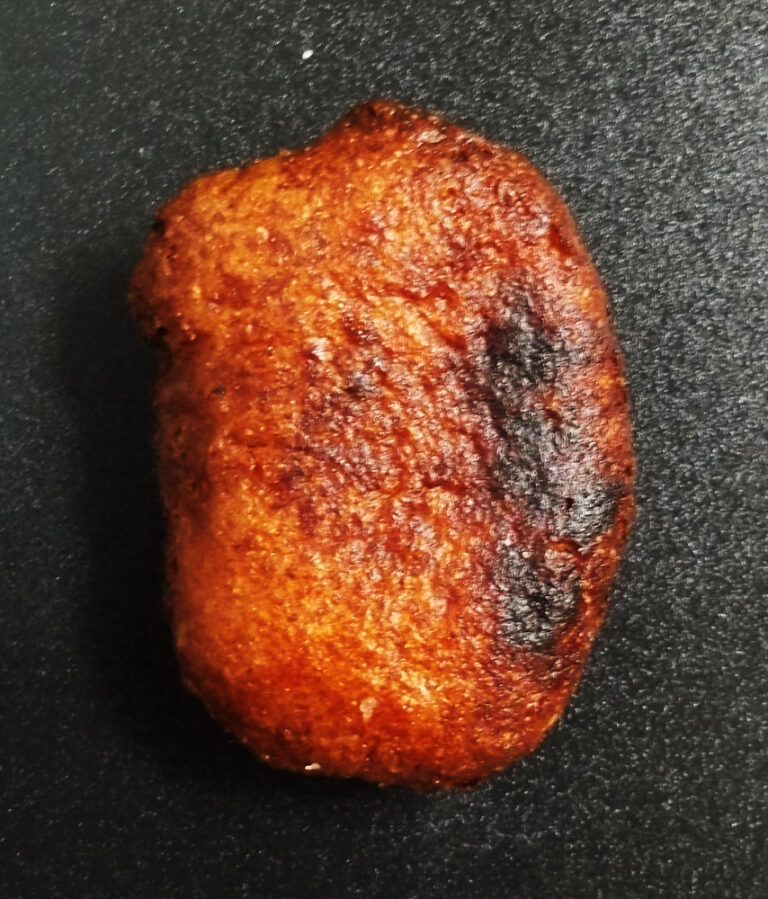
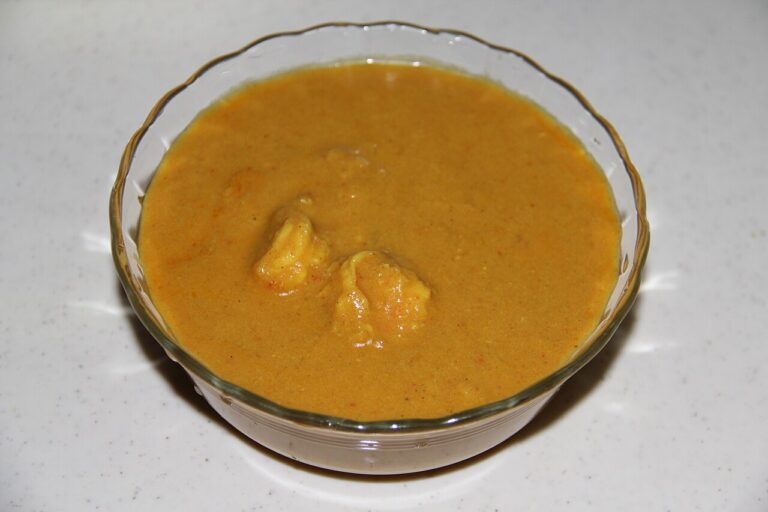
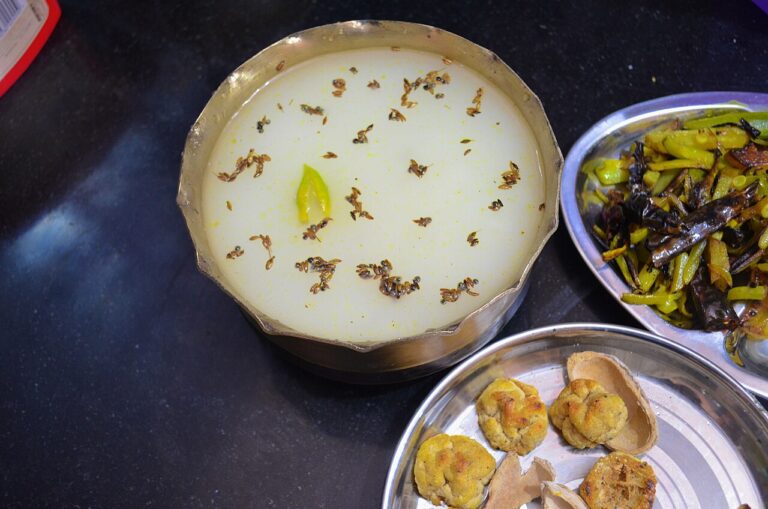
ଓଡ଼ିଆ ରୋଷେଇ ମହାପ୍ରସାଦର ଛାନ୍ଦରୁ ଆସିଛି — ଛପନ ଭୋଗର ଶୃଙ୍ଖଳା ଘରକୁ ମଧ୍ୟ ଆସିଛି। ଡାଲମା, ପଖାଳ, ଆରିସା ଓ ଛେନା ପୋଡ଼ା — ଏହି ଚାରି ଓଡ଼ିଆ ଜୀବନର ଚାରି ଦିଗ।
ପରମ୍ପରା
ବିବାହଠାରୁ ଶ୍ରାଦ୍ଧ ପର୍ଯ୍ୟନ୍ତ ଓଡ଼ିଆ ସଂସ୍କାର ନିୟମବଦ୍ଧ; ଘରେ ଘରେ ଠାକୁର ପୂଜା, ଗାଁରେ ଗ୍ରାମଦେବତୀ ପୂଜା, ଆଉ ବର୍ଷରେ ଥରେ ପଲ୍ଲୀ ଯାତ୍ରା — ସମାଜର ଏହି ତିନି ସ୍ତର ଓଡ଼ିଆ ସଂସ୍କୃତିକୁ ଜୀବିତ ରଖିଛି।
In English
Puri Jagannath Dham: The Sacred Abode of the Lord of the Universe
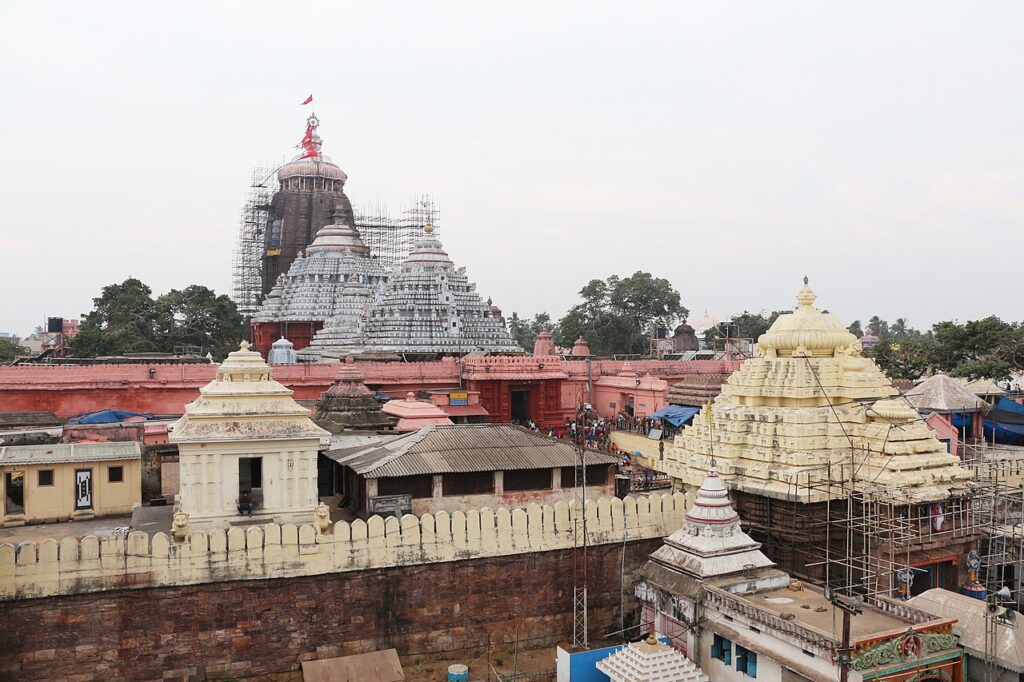
Puri Jagannath Dham, situated along the azure coastline of Odisha, stands as one of the four sacred Char Dham pilgrimage sites in India, alongside Badrinath, Dwarka, and Rameswaram. According to Hindu tradition, a pilgrimage to these four divine abodes is believed to liberate a devotee from the endless cycle of birth and death. Among them, Puri holds a distinctive position as the only Char Dham where Lord Vishnu is worshipped in a form that transcends traditional iconography. The grand Sri Mandir, rising majestically over the skyline of this ancient temple town, draws millions of devotees, scholars, and travelers every year who come seeking spiritual solace and a glimpse of the eternal Lord Jagannath. The very name Jagannath translates to “Lord of the Universe,” signifying the boundless, formless nature of the Supreme Being that this sacred shrine has celebrated for over a millennium.
ସାଳେଶ୍ୱରୀ ମନ୍ଦିର: ସମ୍ବଲପୁରର ଆଦିଶକ୍ତିSamaleswari Temple: The Presiding Goddess of Sambalpur
The Magnificent Sri Mandir: Temple History and Architecture
The history of the Sri Mandir is deeply intertwined with the spiritual and cultural evolution of Odisha. While the present structure was commissioned by King Anantavarman Chodaganga Deva of the Eastern Ganga dynasty around the twelfth century, the tradition of Jagannath worship in this region predates the current temple by several centuries. Historical records and Puranic texts suggest that earlier shrines existed on this very site, built by successive rulers including the legendary King Indradyumna, who is credited with establishing the worship of Lord Nilamadhava, the earliest form of Jagannath in this sacred land. The temple complex is built in the Kalinga style of architecture, characterized by its towering curvilinear spire known as the deul or rekha deul. The main sanctum sanctorum, where the deities reside, is topped by the Neela Chakra, a massive eight-spoked wheel made of an alloy of eight metals, which is visible from miles along the coastline. The flag or patita pavana attached to the Neela Chakra is changed every day in a spectacular ritual that defies gravity and has captivated observers for centuries. The temple complex is enclosed within two massive rectangular walls, the inner called Kurma Bedha and the outer Meghanada Prachira, creating a fortified sacred space that covers approximately 4.2 lakh square feet.
The Four Sacred Gates: Singha Dwar and Other Entrances
The Sri Mandir has four majestic entrances on four sides, each with its own significance and distinct architectural grandeur. The eastern gate, known as the Singha Dwar or Lion Gate, is the principal entrance and the most magnificent of all four. Flanked by two massive stone lions, the Singha Dwar symbolizes the triumph of dharma over adharma and serves as the main passage for devotees entering the temple. It is through this very gate that the grand Rath Yatra procession begins when the deities descend from their sanctum to board their colossal chariots. The southern gate is called the Ashwa Dwar or Horse Gate, guarded by stone figures of horses. The western entrance, known as the Vyaghra Dwar or Tiger Gate, features guardian tiger sculptures, while the northern gate, called the Hasti Dwar or Elephant Gate, is adorned with stone elephants. Each gate leads into a spacious walled enclosure with subsidiary shrines, pillared mandapas, and ancient stone pavilions. The Baisi Pahacha, comprising twenty-two steps at the Singha Dwar, holds deep spiritual significance, as devotees believe that touching these steps grants the same spiritual merit as visiting countless holy places across India.
The Divine Trinity: Jagannath, Balabhadra, and Subhadra
The presiding deities of the Sri Mandir are unique in the entire Hindu pantheon and represent a profound philosophical tradition. Lord Jagannath, the central deity, is worshipped alongside his elder brother Balabhadra and his sister Subhadra. Unlike the detailed stone or metal idols found in other temples across India, the deities of Puri are carved from sacred Neem wood, specifically Daru Brahma, and are distinguished by their large, rounded eyes, flat faces, and stunted bodies without fully formed limbs. This distinctive form is not an artistic limitation but a deeply intentional spiritual representation. According to the tradition recorded in the Skanda Purana and local lore, when King Indradyumna wished to install the deity, Lord Vishnu appeared in a dream and instructed that his form in this temple would be without conventional shape, as the Supreme Being is formless and omnipresent. Jagannath is dark in complexion, symbolizing the infinite cosmos, while Balabhadra is fair, representing the agricultural bounty and vitality of the earth. Subhadra, in golden hue, embodies divine feminine energy and creative power. A fourth entity, the Sudarshana Chakra, is also worshipped alongside the trinity, completing the sacred quartet. These deities are ceremoniously replaced every twelve or nineteen years in the extraordinary ritual known as Nabakalebara, when the sacred Neem trees are identified through an elaborate mystical process, and new idols are carved in strict secrecy before the old ones are buried within the temple precincts.
Daily Rituals: The Unbroken Cycle of Divine Worship
The daily rituals at the Sri Mandir follow an elaborate schedule that has remained largely unchanged for centuries, constituting what is known as the Nitis of the temple. The day begins well before dawn with the Mangala Arati, the first offering of light performed around 5 AM, followed by the Mailam ritual where the flower ornaments from the previous night are removed. The deities are then given the Abakasha or morning dental hygiene offering, a tradition that humanizes the divine and reflects the intimate, familial nature of worship in Puri. The Beshalagi or dressing of the deities changes multiple times a day, with different costumes for different occasions, including the famous Bada Shringar Vesha, the most elaborate nighttime attire adorned with flowers, sandalwood paste, and precious ornaments. One of the most unique rituals is the Gopal Ballav Bhog, the morning breakfast offering, followed by the Sakala Dhupa, the main morning meal. The Madhyanha Dhupa at midday is the largest meal, with dozens of dishes offered in earthen pots. The evening rituals include the Sandhya Arati and the Mailam again, culminating in the Sayana Thakura ritual when the deities are prepared for rest. The doors are sealed, and the devotees bid farewell until the next morning. This daily cycle involves dozens of categories of temple servitors known as Sevayats, each family holding hereditary rights to perform specific duties, creating a living tradition passed down through generations.
Ananda Bazaar and the Sacred Mahaprasad
The Ananda Bazaar, meaning the Market of Joy, is the largest open-air food market within any temple complex in the world, located on the northern side of the Sri Mandir. Here, the sacred Mahaprasad of Lord Jagannath is sold to thousands of devotees daily. What makes the Mahaprasad extraordinarily significant is the belief that it is not merely food offered to the deity but that the deity himself partakes of it, making it directly blessed. The Mahaprasad is of two types: the Sankudi Mahaprasad, which includes rice, dal, vegetables, and various preparations, and the Sukhila Mahaprasad, which consists of dry sweets. The most remarkable aspect is that the Mahaprasad is cooked without onions, garlic, tomatoes, or any modern cooking ingredients, yet it achieves a flavor profile that devotees consider incomparable. The earthen pots used for cooking are placed one atop another in a unique stacking method, with the pots at the top cooking as thoroughly as those at the bottom, a phenomenon that defies conventional physics and is regarded as a divine miracle. The Mahaprasad is available to all, irrespective of caste, creed, or social status, embodying the egalitarian spirit of Jagannath culture. Devotees believe that consuming Mahaprasad at Puri cleanses sins of not just this lifetime but of seven previous births, making it a profoundly transformative spiritual experience.
The Largest Temple Kitchen in the World
The kitchen of the Sri Mandir, known as the Rosaghara or the Kitchen House, is widely recognized as the largest temple kitchen in the world. Located to the south of the temple, this vast cooking facility is an architectural and logistical marvel. The kitchen houses 752 wood-fired clay stoves called chulhas, arranged in rows, and during major festival days, all of them are simultaneously operational. Approximately 600 to 700 cooks known as Supakars work in the kitchen, preparing meals for thousands of devotees and the deities every single day. During the Rath Yatra and other major festivals, the kitchen produces enough food to feed over a lakh of people. The fire in the kitchen, known as the Vaishnava Agni, is believed to have been burning continuously for centuries without ever being extinguished, a claim that has fascinated researchers and devotees alike. The cooking process follows extraordinarily strict rituals. The Supakars enter the kitchen only after bathing and wearing wet dhotis. No one is permitted to wear stitched garments or leather items inside. The food is cooked exclusively using firewood from specific trees, and water is drawn from two sacred wells within the temple complex, Ganga and Yamuna, which miraculously never run dry even during the harshest summers. The sheer scale, the ancient methods, and the unwavering adherence to tradition make the Rosaghara not just a kitchen but a living heritage site of immense cultural and spiritual value.
Grand Festivals: The Living Tradition of Jagannath Culture
The festival calendar of the Sri Mandir is extraordinarily rich, with nearly a dozen major festivals celebrated throughout the year, each carrying deep theological significance. The most famous of all is the Rath Yatra, the grand Chariot Festival held in the month of Ashadha, typically June or July. During this spectacular event, Lord Jagannath, Balabhadra, and Subhadra leave the sanctum sanctorum and travel in three massive, beautifully decorated chariots to the Gundicha Temple, about three kilometers away, where they remain for nine days before returning. The sight of the towering chariots being pulled by lakhs of devotees with ropes, accompanied by the thunderous chanting of “Jai Jagannath,” is one of the most awe-inspiring spectacles on earth. The Snana Yatra, held about a fortnight before the Rath Yatra, marks the ceremonial bathing of the deities on the Snana Bedi platform, after which the deities fall ill and remain in seclusion, a period known as Anasara, during which special Ayurvedic preparations are applied for their recovery. The Niladri Bije, marking the return of the deities to the main temple after the Rath Yatra, involves a playful ritual where Goddess Lakshmi locks the gates and refuses to let Jagannath in until he apologizes and offers her gifts. Other significant festivals include the Chandan Yatra, a 42-day summer festival where the deities are taken on boat processions in the Narendra Tank, the Dola Yatra or Holi celebration, the Devasnana Purnima, and various other rituals that keep the temple alive with celebration throughout the year.
Puri Beach: Where Spirituality Meets the Sea
No visit to Puri Jagannath Dham is complete without experiencing the sacred Puri Beach, which stretches along the Bay of Bengal just a short distance from the Sri Mandir. Unlike typical tourist beaches, Puri Beach holds deep spiritual significance. It is considered a sacred tirtha, and taking a dip in its waters is believed to be as purifying as bathing in the holy Ganges. The beach is famous for its spectacular sunrise views, where the golden orb of the sun emerges from the horizon, casting a divine glow over the waters and the distant temple spire. The evening aarti performed at the beach by local priests, with the sound of conch shells and bells mingling with the crashing waves, creates an atmosphere of profound spiritual beauty. The beach is also a vibrant cultural space where traditional Odia sand art artists create intricate sculptures depicting mythological themes and social messages. The local fishermen, belonging to traditional fishing communities, can be seen bringing in their catches at dawn, adding an authentic slice of coastal life to the spiritual landscape. The annual Puri Beach Festival showcases Odisha’s rich cultural heritage through classical dance performances like Odissi, folk music, handloom exhibitions, and culinary demonstrations, making the beach not just a place of natural beauty but a living stage for Odia culture.
The Eternal Call of Jagannath Dham
Puri Jagannath Dham is far more than a pilgrimage destination; it is a living, breathing civilization that has preserved its traditions, rituals, and spiritual philosophy with remarkable continuity over more than a thousand years. The temple does not discriminate between the learned scholar and the simple villager, between the wealthy patron and the impoverished beggar, for in the eyes of Jagannath, all beings are equal. This radical inclusivity is perhaps the greatest lesson that Puri offers to the modern world. The convergence of grand architecture, mystical theology, extraordinary culinary traditions, vibrant festivals, and the eternal presence of the sea makes Puri an experience that transcends ordinary tourism. Every stone of the Sri Mandir, every grain of Mahaprasad, every wave that touches the Puri shore carries within it the whisper of the divine, reminding all who visit that the Lord of the Universe resides not merely within the sanctum but in the hearts of all who approach him with devotion, humility, and love.